
In the landscape of modern personal finance, managing healthcare costs is often the most complex variable for individuals and families. Between premiums, deductibles, and co-pays, the financial administrative side of staying healthy requires a specialized vocabulary. One of the most critical, yet frequently misunderstood, pieces of information on a health insurance card is the BIN number. To the uninitiated, it looks like just another string of digits in a sea of alphanumeric codes. However, from a financial management perspective, the BIN is the primary key that unlocks the seamless processing of pharmacy benefits, ensuring that your out-of-pocket costs are calculated correctly and that your claims are adjudicated in real-time.

Originally an acronym borrowed from the banking industry, “BIN” stands for Bank Identification Number. While its name suggests a strictly financial origin, its application within the healthcare sector is a cornerstone of the Pharmacy Benefit Manager (PBM) infrastructure. Understanding how this number works, why it is there, and how it impacts your personal bottom line is essential for anyone looking to navigate the complexities of modern medical billing and financial planning.
Decoding the Pharmacy Benefit Network: The Role of the BIN Number
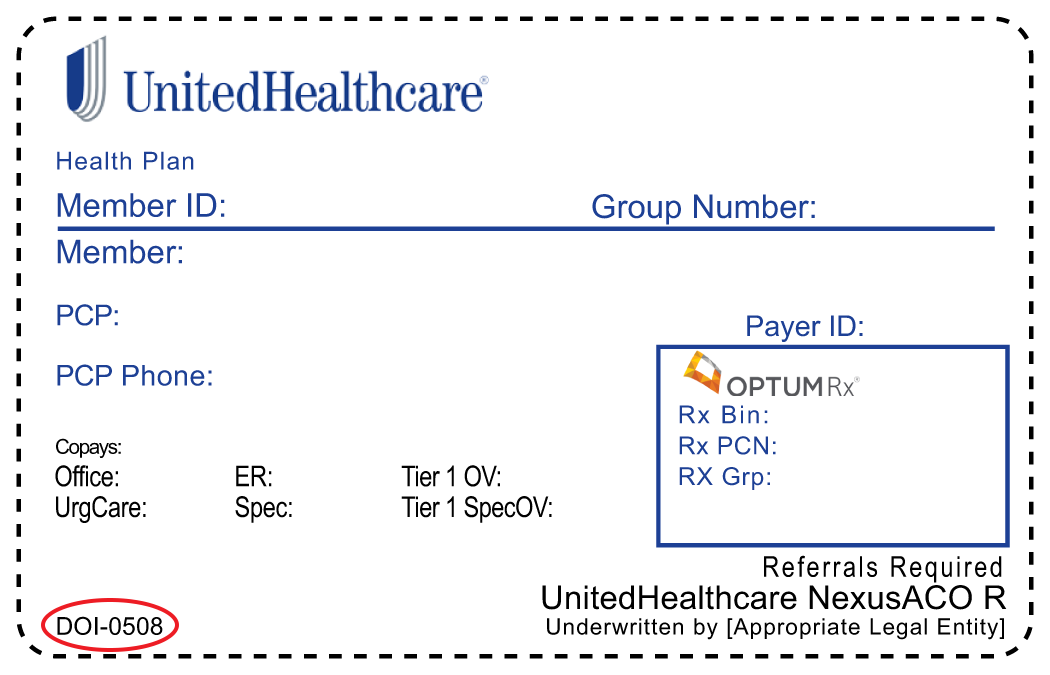
The BIN number is a six-digit code found on almost every health insurance card that includes prescription drug coverage. In the context of healthcare, it is more accurately referred to as the Processor Identification Number, though the legacy term “BIN” remains the industry standard. Its primary function is to identify which company or “processor” will be reimbursed for a prescription drug claim.
How BIN Numbers Facilitate Real-Time Claims Adjudication
When you hand your insurance card to a pharmacist, they do not manually call your insurance provider to check your coverage. Instead, they enter your BIN into their pharmacy management software. This triggers a digital handshake between the pharmacy’s point-of-sale system and the Pharmacy Benefit Manager (PBM). The BIN acts as a routing address, much like a zip code or a bank routing number, telling the computer exactly where to send the claim for processing.
From a financial perspective, this process—known as real-time adjudication—is a marvel of modern fintech. Within seconds, the BIN helps the system determine your eligibility, the specific tier of the drug you are purchasing, and exactly how much the insurance company will pay versus how much you owe at the counter. Without a BIN, every pharmacy transaction would require a manual claim submission, forcing you to pay the full retail price upfront and wait weeks or months for a reimbursement check—a significant disruption to personal cash flow.
The Intersection of Finance and Healthcare Logistics
The reason the healthcare industry adopted the BIN system from the banking world is rooted in the need for standardized electronic data interchange (EDI). Just as a credit card processor needs to know which bank issued a card to verify funds, a pharmacy needs to know which PBM is responsible for the financial liability of a medication.
The BIN is managed by the American National Standards Institute (ANSI) and the National Council for Prescription Drug Programs (NCPDP). These organizations ensure that every financial entity in the healthcare space has a unique identifier, preventing the misdirection of funds. For the consumer, the BIN is the silent partner in your healthcare finance, ensuring that the negotiated rates your employer or insurance provider worked for are applied the moment you reach the pharmacy counter.
Why the BIN Matters for Your Personal Finance and Budgeting
For many, a health insurance card is simply a piece of plastic kept in a wallet for emergencies. However, for those who actively manage their personal finances, the information on that card is a vital tool for cost containment. The BIN number, in conjunction with other identifiers, is what ensures you are not overpaying for your healthcare.
Preventing Billing Errors and Overpayments
Medical billing errors are a significant drain on American household wealth. A common point of failure occurs when a pharmacy uses an outdated BIN or fails to update a patient’s profile after a change in insurance carriers. If a pharmacy attempts to route a claim using an old BIN, the claim may be rejected, or worse, it may be processed under an old plan that no longer offers the same level of coverage.
By knowing where to find your BIN and verifying that it matches the pharmacy’s records, you take an active role in your financial health. If you see a sudden, unexplained spike in the cost of a recurring prescription, the BIN is often the first place to look. A mismatch in this six-digit code can lead to you being charged the “cash price” rather than the “negotiated rate,” a difference that can range from a few dollars to thousands.
Managing Out-of-Pocket Expenses and HSAs
For those utilizing a Health Savings Account (HSA) or a High Deductible Health Plan (HDHP), the BIN is the mechanism that tracks your progress toward your annual deductible. Because the BIN routes the transaction through your insurance provider’s financial ledger, every dollar you spend on a “covered” medication is automatically logged against your deductible and out-of-pocket maximum.
If a transaction occurs without the correct BIN, that expenditure might not be recorded by your insurance company. For someone managing a tight budget, failing to have these costs tracked can mean the difference between hitting a deductible in July or hitting it in October, significantly impacting the timing of personal expenditures and tax-advantaged savings.

The Anatomy of a Modern Insurance Card: BIN, PCN, and Group IDs
To effectively manage your healthcare finances, you must distinguish the BIN from the other codes listed on your insurance card. While the BIN identifies the “bank” or processor, other codes provide the specific “account” details necessary for accurate billing.
Distinguishing Between the BIN and PCN
While the BIN routes the claim to the right company, the PCN (Processor Control Number) acts as a sub-routing address. Think of the BIN as the building address and the PCN as the specific suite number. The PCN is an alphanumeric code that varies by the specific plan or benefit package within a PBM.
Together, the BIN and PCN allow the processor to distinguish between different groups of beneficiaries. For example, a PBM might use the same BIN for thousands of different companies, but use unique PCNs to differentiate between a high-premium plan with low co-pays and a low-premium plan with higher drug costs. Understanding this distinction helps you communicate effectively with healthcare providers when “the card won’t run,” saving you time and potential financial frustration.
The Group Number and Its Impact on Your Premium Value
While not directly used for routing in the same way the BIN is, the Group Number identifies your specific employer or organization’s benefit plan. From a financial strategy perspective, the Group Number is what links you to the specific negotiated rates and formulary lists of your organization. When combined with the BIN, it ensures that you are receiving the exact financial benefits you are paying for through your monthly premiums.
If you are a freelancer or a small business owner, paying close attention to these numbers during the open enrollment period allows you to compare the efficiency of different PBMs. Some BINs are associated with PBMs that have larger pharmacy networks or better mail-order discounts, which can lead to long-term savings on your healthcare spend.
Protecting Your Financial Identity: Security and the BIN Number
In the digital age, your insurance card is more than a gateway to medical care; it is a financial document. Because the BIN number identifies the financial processor of your claims, it is a target for those looking to commit medical identity theft or insurance fraud.
Medical Identity Theft and Financial Vulnerability
Medical identity theft is a growing concern that can have devastating financial consequences. If someone gains access to your BIN, Member ID, and Group Number, they may be able to procure expensive medications or medical equipment under your name. Not only does this exhaust your insurance benefits and reach your coverage limits prematurely, but it can also lead to inaccuracies in your medical record that could affect your future insurability or the cost of life insurance premiums.
Unlike a credit card, where you can easily spot a fraudulent charge for a retail item, medical fraud is often hidden in complex “Explanation of Benefits” (EOB) statements. By understanding that your BIN is a sensitive financial identifier, you can treat your insurance card with the same level of security as a debit or credit card.
Best Practices for Keeping Your Health Data Secure
From a financial security standpoint, you should never share your BIN or insurance details over unencrypted email or on social media. When disposing of old insurance cards, they should be shredded to prevent “dumpster diving” for financial data. Furthermore, regularly reviewing your EOBs to ensure that the claims routed through your BIN match your actual medical history is a fundamental habit for sound financial hygiene.
Strategic Healthcare Planning: Leveraging Your Benefit Information
Ultimately, the BIN number is a small part of a much larger financial picture. Strategic healthcare planning requires an understanding of how these technical identifiers influence the cost of care. By recognizing the BIN as a tool of financial architecture, you can better navigate the landscape of tiered formularies and preferred pharmacy networks.
When you understand that the BIN routes your claim to a specific PBM, you can research that PBM’s “Preferred Pharmacy” list. Most PBMs offer significantly lower co-pays at specific chains or through mail-order services. By matching your BIN to the PBM’s financial incentives, you can strategically choose where to fill your prescriptions to minimize out-of-pocket costs.
In conclusion, while the BIN number might appear to be a minor administrative detail, it is the backbone of the financial transaction system in healthcare. It ensures accuracy, facilitates real-time budgeting, and protects the integrity of your insurance benefits. In the realm of personal finance, knowledge is power—and knowing the function of the six digits labeled “BIN” is a simple but effective way to take control of your healthcare economy.
aViewFromTheCave is a participant in the Amazon Services LLC Associates Program, an affiliate advertising program designed to provide a means for sites to earn advertising fees by advertising and linking to Amazon.com. Amazon, the Amazon logo, AmazonSupply, and the AmazonSupply logo are trademarks of Amazon.com, Inc. or its affiliates. As an Amazon Associate we earn affiliate commissions from qualifying purchases.