
In the world of high-stakes finance and personal wealth management, travel is rarely viewed merely as a leisure activity. Instead, it is an investment of capital, time, and opportunity cost. When evaluating Portugal—a nation that has rapidly ascended the ranks of global tourism and foreign investment—the question of “the best time to visit” transcends simple weather patterns. From a fiscal perspective, the “best” time is determined by a complex interplay of market demand, price volatility, purchasing power, and the specific return on investment (ROI) sought by the traveler, whether that be a scouting trip for real estate, a remote work residency, or a luxury retreat.
To maximize the value of a visit to the Iberian Peninsula, one must analyze the calendar through the lens of economic efficiency. This guide breaks down the strategic timing for visiting Portugal based on cost-optimization, market trends, and long-term financial planning.
Analyzing the Economic Cycles of Tourism: Timing Your Investment
The Portuguese tourism market operates on a highly cyclical basis. Understanding these cycles allows a visitor to avoid the “tourist premium”—the inflated pricing that occurs when demand outstrips supply—while still capturing the inherent value of the destination.
Peak Season Premiums: The High Cost of Market Saturation
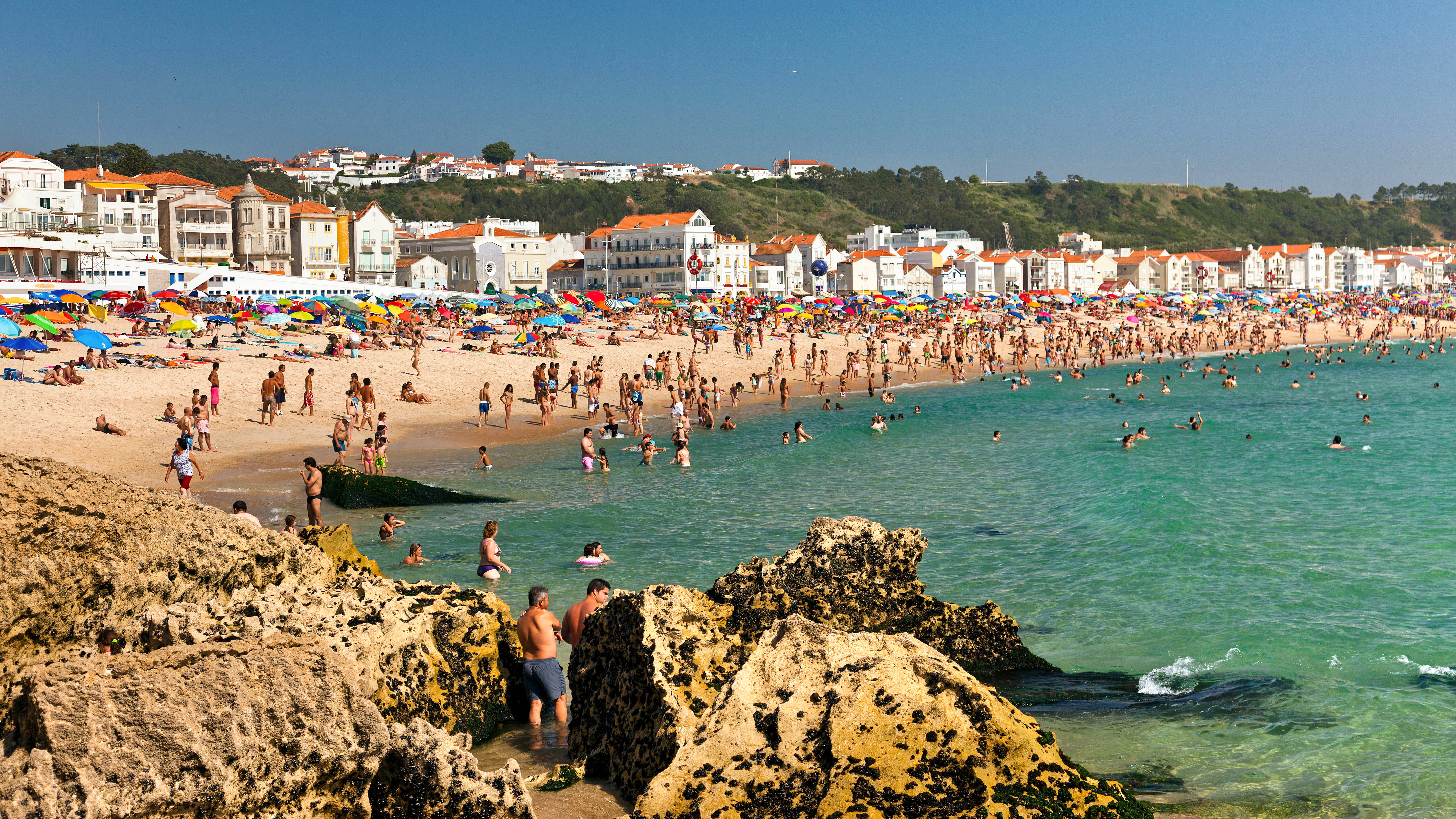
From a financial standpoint, July and August represent the period of lowest efficiency. During these months, the influx of European holidaymakers creates a seller’s market. Accommodation prices in hubs like Lisbon, Porto, and the Algarve can surge by 200% to 300% compared to baseline rates.
Furthermore, the “hidden costs” of peak season are substantial. Market saturation leads to decreased service quality, increased wait times (an opportunity cost for busy professionals), and a lack of leverage in negotiations—whether for luxury rentals or business services. Unless your visit is strictly tied to a specific summer event, the peak season offers the poorest ROI on your travel capital.
Shoulder Season: The Sweet Spot for Financial ROI
For the savvy traveler, the shoulder seasons—specifically May through June and September through October—represent the optimal balance of value and experience. During these windows, the weather remains conducive to both business and leisure, but the extreme demand of the summer has subsided.
In the shoulder season, high-end properties and boutique hotels often implement more flexible pricing models. This is also the period when the “Value Gap” is most favorable: you receive the premium Portuguese experience at a fraction of the mid-summer cost. For those looking to scout investment properties or establish professional networks, the atmosphere is more conducive to high-level meetings, as local stakeholders are less overwhelmed by the seasonal rush.
Low Season: Capitalizing on the Buyer’s Market
From November through March, Portugal enters its low season. For the budget-conscious traveler or the serious investor, this is the period of maximum leverage. While the northern regions experience cooler, wetter weather, the southern Algarve and the Madeira archipelago maintain a temperate climate that is highly attractive for those escaping harsher winters.
During this period, the power dynamic shifts entirely to the buyer. Long-term rental rates for digital nomads or those testing the waters for relocation are at their lowest. It is a prime time for “financial reconnaissance”—performing due diligence on real estate, meeting with legal advisors, and understanding the local cost of living without the distortions of the tourism bubble.
Strategic Budgeting: Real-World Cost Comparisons Across the Calendar
Successful financial planning requires a deep dive into the specific verticals of travel expenditure. By analyzing how different sectors of the Portuguese economy fluctuate throughout the year, travelers can build a more robust fiscal strategy.
Accommodations and the Yield Management Effect
The hospitality sector in Portugal utilizes sophisticated yield management algorithms. In Lisbon’s high-demand districts like Chiado or Avenida da Liberdade, a five-star suite that costs €600 per night in August may drop to €250 in January.
For those looking to optimize their balance sheet, booking “against the grain” is essential. Additionally, the rise of short-term rental platforms has introduced a new variable. In the off-season, many property owners are willing to negotiate deep discounts for stays exceeding two weeks, providing a unique opportunity for “geo-arbitrage”—living in a high-luxury environment for less than the cost of a standard apartment in New York, London, or San Francisco.
Logistics and Transport: Navigating Dynamic Pricing
Aviation costs to Portugal vary significantly based on the point of origin and the timing of the booking. Strategically, visiting during the mid-week (Tuesday through Thursday) in the shoulder season can reduce airfare by as much as 40%.

On the ground, car rentals follow a similar trajectory. In the Algarve, for instance, a premium vehicle might cost €80 per day in the summer but fall to €15 per day in the winter. For investors planning to tour multiple regions—from the Silver Coast to the Alentejo—these logistical savings compound, significantly lowering the overall “cost of entry” for the trip.
Beyond Travel: Portugal as a Strategic Hub for Remote Work and Digital Arbitrage
For many modern professionals, the “best time to visit” is less about a vacation and more about evaluating Portugal as a permanent or semi-permanent base for wealth generation. The nation’s fiscal landscape has made it a magnet for those practicing digital arbitrage—earning in a high-value currency while spending in a lower-cost economy.
Tax Incentives and Financial Mobility
While the specifics of the Non-Habitual Resident (NHR) tax regime have evolved, Portugal remains a highly attractive jurisdiction for mobile capital and high-net-worth individuals. Visiting during the late autumn or early spring allows potential residents to consult with tax professionals and lawyers during their standard business cycles, ensuring that any move is structured for maximum tax efficiency.
Timing a visit to coincide with major tech and finance conferences, such as Web Summit in Lisbon (usually held in November), can also provide significant professional networking ROI. While hotel prices spike during the event itself, the surrounding weeks offer a “professional goldmine” of talent and investment opportunities.
Cost of Living vs. Quality of Life
Portugal offers a unique value proposition: a Western European lifestyle at a significantly lower price point than its neighbors to the north and east. The “best time” to evaluate this is during the off-peak months, when you can experience the true local economy.
During these months, the cost of high-quality groceries, dining, and services reflects the reality for residents rather than the inflated “tourist menu” pricing. This transparency is vital for anyone performing a cost-benefit analysis on relocating their business or family to the region.
Maximizing Purchasing Power: Currency and Payment Strategies
The financial timing of a trip to Portugal must also account for currency fluctuations and the tools used to manage transactions. For those coming from outside the Eurozone, the strength of the Euro is a primary factor in the total cost of the visit.
Managing Exchange Rate Volatility
Monitoring the USD/EUR or GBP/EUR exchange rates in the months leading up to a trip is a basic but essential strategy. For large-scale expenses like long-term rentals or property deposits, utilizing a dedicated currency broker rather than a retail bank can save between 2% and 5% in hidden fees and spread.
If the Euro is particularly weak, it may be advantageous to “pre-pay” for major expenses, effectively locking in a favorable rate. Conversely, if the currency is strong, keeping funds in a high-yield savings account and paying as late as possible—ideally using a credit card with no foreign transaction fees—is the superior financial move.
Leveraging Rewards and Financial Tools
In a high-inflation environment, leveraging credit card reward points for travel to Portugal is a sophisticated way to preserve cash. Many premium travel cards offer high redemption value for European carriers and hotel chains with a strong Portuguese presence.
Furthermore, the rise of fintech apps has made it easier to manage multi-currency balances. Using tools that allow you to hold Euros and spend them locally without conversion fees ensures that every cent of your travel budget is utilized efficiently. In the context of a long-term visit or an investment scouting mission, these small efficiencies accumulate into significant savings.
Conclusion: The Strategic Calendar
Ultimately, the best time to visit Portugal depends on your specific financial objectives. If the goal is absolute cost minimization, the winter months (November to February) are unbeatable. If the goal is a balance of high-quality experience and reasonable expenditure, the shoulder seasons (May/June and September/October) provide the highest ROI.
By treating a trip to Portugal as a strategic financial decision rather than a whim, the modern traveler can unlock the full potential of this dynamic nation. Whether you are looking for a high-end retreat, a base for global business, or a real estate investment, timing your entry into the Portuguese market is the first step toward a successful outcome. In the economy of travel, as in the economy of finance, timing isn’t just a factor—it is everything.
aViewFromTheCave is a participant in the Amazon Services LLC Associates Program, an affiliate advertising program designed to provide a means for sites to earn advertising fees by advertising and linking to Amazon.com. Amazon, the Amazon logo, AmazonSupply, and the AmazonSupply logo are trademarks of Amazon.com, Inc. or its affiliates. As an Amazon Associate we earn affiliate commissions from qualifying purchases.