
In the modern smart home ecosystem, the refrigerator has evolved from a silent, utilitarian box into the central processing hub of the kitchen. Choosing the “best” make is no longer a matter of simply comparing internal volume or shelf configurations; it is an exercise in evaluating complex engineering, software integration, and hardware reliability. As we transition deeper into the era of the Internet of Things (IoT) and AI-driven home management, the hardware under the hood and the code in the control panel have become the primary differentiators between a standard appliance and a high-performance machine.

When determining which make of refrigerator deserves a place in your home, the decision must be viewed through the lens of technological innovation. This includes the sophistication of the cooling circuits, the stability of the operating system, and the efficiency of the thermal management systems.
The New Era of Appliance Engineering: Digital Inverters and Linear Cooling
The fundamental technology of refrigeration has undergone a radical transformation over the last decade. Historically, refrigerators operated on a binary cycle—the compressor was either 100% on or 100% off. This led to significant temperature fluctuations and mechanical wear. Modern top-tier makes have replaced this antiquated system with Digital Inverter Compressors and Linear Cooling technology.
The Rise of Digital Inverter Technology
Samsung and LG have been at the forefront of the digital inverter revolution. Unlike traditional compressors, a digital inverter adjusts its speed across multiple levels based on the actual cooling demand. This results in significantly lower noise levels, reduced energy consumption, and, most importantly, a more stable internal environment. When looking for the best make, prioritizing those with advanced inverter warranties—often up to 10 or 20 years—is a primary indicator of mechanical build quality.
Dual and Triple Evaporators
In the high-end tech segment, brands like Bosch and Sub-Zero have pioneered the use of independent cooling systems. Most budget refrigerators share a single evaporator between the fridge and freezer, which leads to dry freezer air migrating to the fresh food section, wilting produce and transferring odors. The “best” makes now utilize dual or even triple evaporators. This allows for precise humidity control in the refrigeration compartment while maintaining bone-dry, sub-zero temperatures in the freezer. Bosch’s FarmFresh System, for instance, uses four separate technologies to maintain a balance of temperature and moisture, representing a peak in thermodynamic engineering.
Leading the Smart Home Revolution: Top Brands for Tech Enthusiasts
For many consumers, the best make of refrigerator is the one that integrates seamlessly with their digital lifestyle. The kitchen is the new “mission control,” and brands are competing to dominate the screen real estate on your fridge door.
Samsung: The Family Hub Ecosystem
Samsung remains the undisputed leader in smart kitchen interfaces. Their Family Hub platform is more than just a tablet glued to a door; it is a sophisticated Tizen-based operating system. It features internal cameras that allow users to view their inventory from a smartphone while at the grocery store, and it integrates with SmartThings to control lighting, cameras, and thermostats throughout the home. For users who prioritize a unified digital experience and AI-assisted meal planning, Samsung is often the top choice.
LG: Innovation in AI and Diagnostics
LG takes a slightly different approach to technology, focusing on “ThinQ” AI. Their high-end models feature Proactive Customer Care, which uses AI to monitor the appliance’s performance and alert the user (and LG’s technicians) if it detects a potential mechanical failure before it actually happens. This use of predictive diagnostics is a significant leap forward in appliance longevity. Furthermore, LG’s “Craft Ice” technology—which produces slow-melting spherical ice—showcases how specialized hardware can be controlled via software to enhance the user experience.
GE Profile and Cafe: The Customization Frontier
Under the umbrella of GE Appliances (Haier), the GE Profile and Cafe brands focus on integrating lifestyle tech. This includes features like built-in Keurig K-Cup brewing systems on the door and hands-on “AutoFill” water dispensers that use ultrasonic sensors to detect the size of a container and fill it to the brim without spilling. This level of sensor-based automation marks these brands as top contenders for those who appreciate precision hardware.
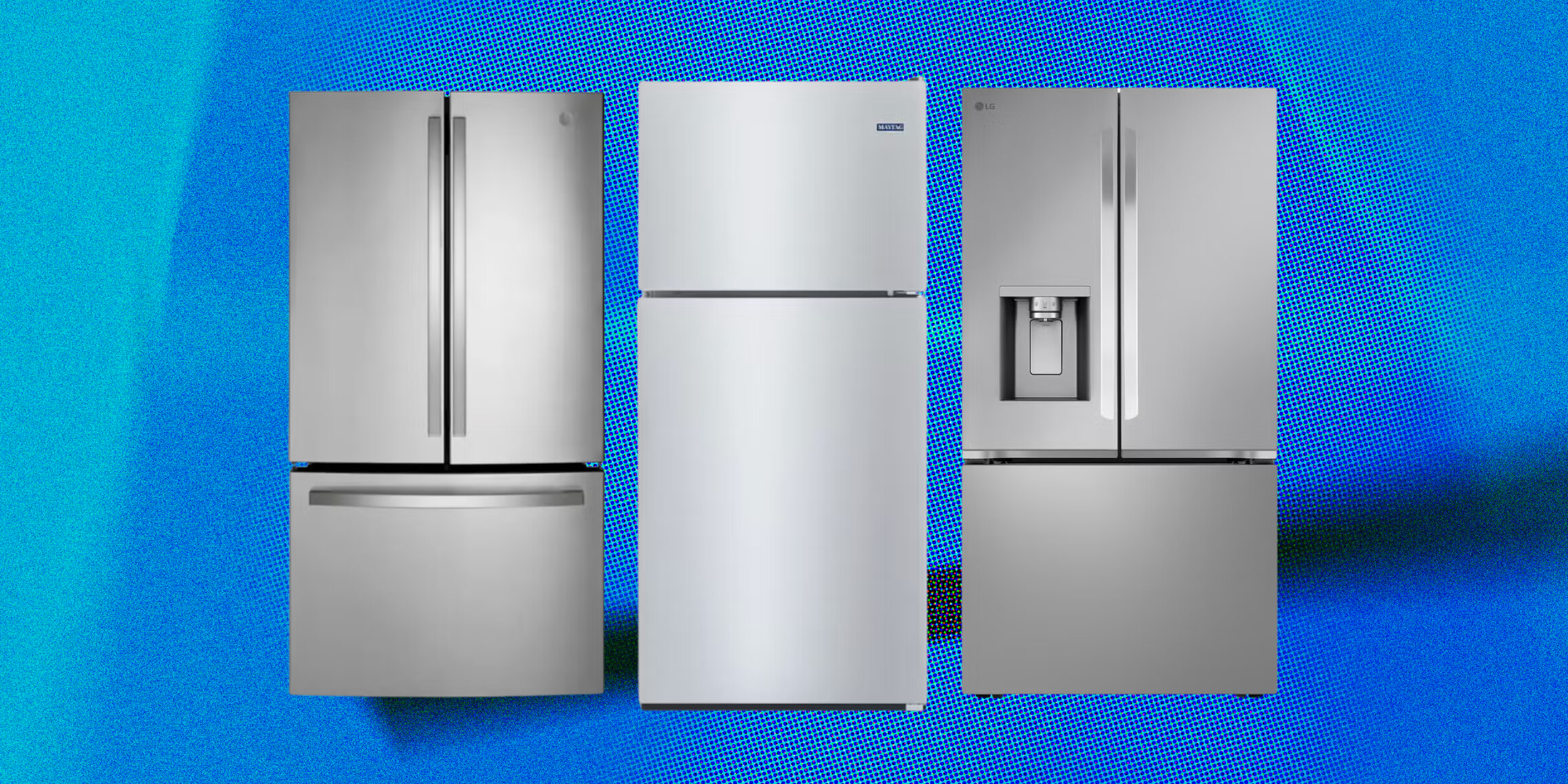
The Engineering Frontier: Precision Cooling and Humidity Management
While software is flashy, the “best” make must also excel at its core mission: food preservation. Engineering the internal airflow is a technical challenge that separates premium brands from entry-level ones.
Bosch: The Master of Freshness Technology
Bosch has consistently climbed the rankings due to its focus on the “FreshProtect” ethylene filter. Ethylene gas is the natural ripening agent emitted by many fruits; in a confined space, it causes everything to spoil prematurely. Bosch’s engineering team developed a filtration system that actively neutralizes this gas. Combined with their MultiAirFlow system, which ensures that temperature varies by no more than a fraction of a degree across all shelves, Bosch is frequently cited as the best make for those who prioritize the science of food preservation.
Miele and Sub-Zero: The Professional Standard
At the apex of the market are makes like Miele and Sub-Zero. These brands do not focus on touchscreens; they focus on the “Clean Touch” steel, the vacuum-sealed doors, and the industrial-grade air purification systems. Sub-Zero refrigerators utilize NASA-inspired air purification technology that scrubs the air of mold spores and bacteria every 20 minutes. From a technical standpoint, these units are designed with a 20-year service life in mind, utilizing heavy-duty components that are often modular and repairable, unlike the “disposable” nature of cheaper models.
Sustainability and Energy Intelligence
In the current tech landscape, efficiency is a metric of performance. The best refrigerator makes are those that maximize cooling output while minimizing the carbon footprint through intelligent energy management.
AI Energy Modes
Samsung’s “AI Energy Mode” is a standout feature in this category. By analyzing usage patterns—such as when the door is opened most frequently and the ambient temperature of the kitchen—the refrigerator’s algorithms optimize compressor speed and defrost cycles to reduce energy consumption by up to 15%. This is a prime example of how software can enhance hardware efficiency.
Environmentally Conscious Refrigerants
The move toward R600a (isobutane) refrigerant is a technical shift that many top brands have embraced. This refrigerant has a significantly lower Global Warming Potential (GWP) than previous hydrofluorocarbons. Brands like Whirlpool and LG have redesigned their thermal loops to accommodate the specific thermodynamic properties of R600a, which also happens to be more efficient at heat transfer, leading to shorter compressor run times.
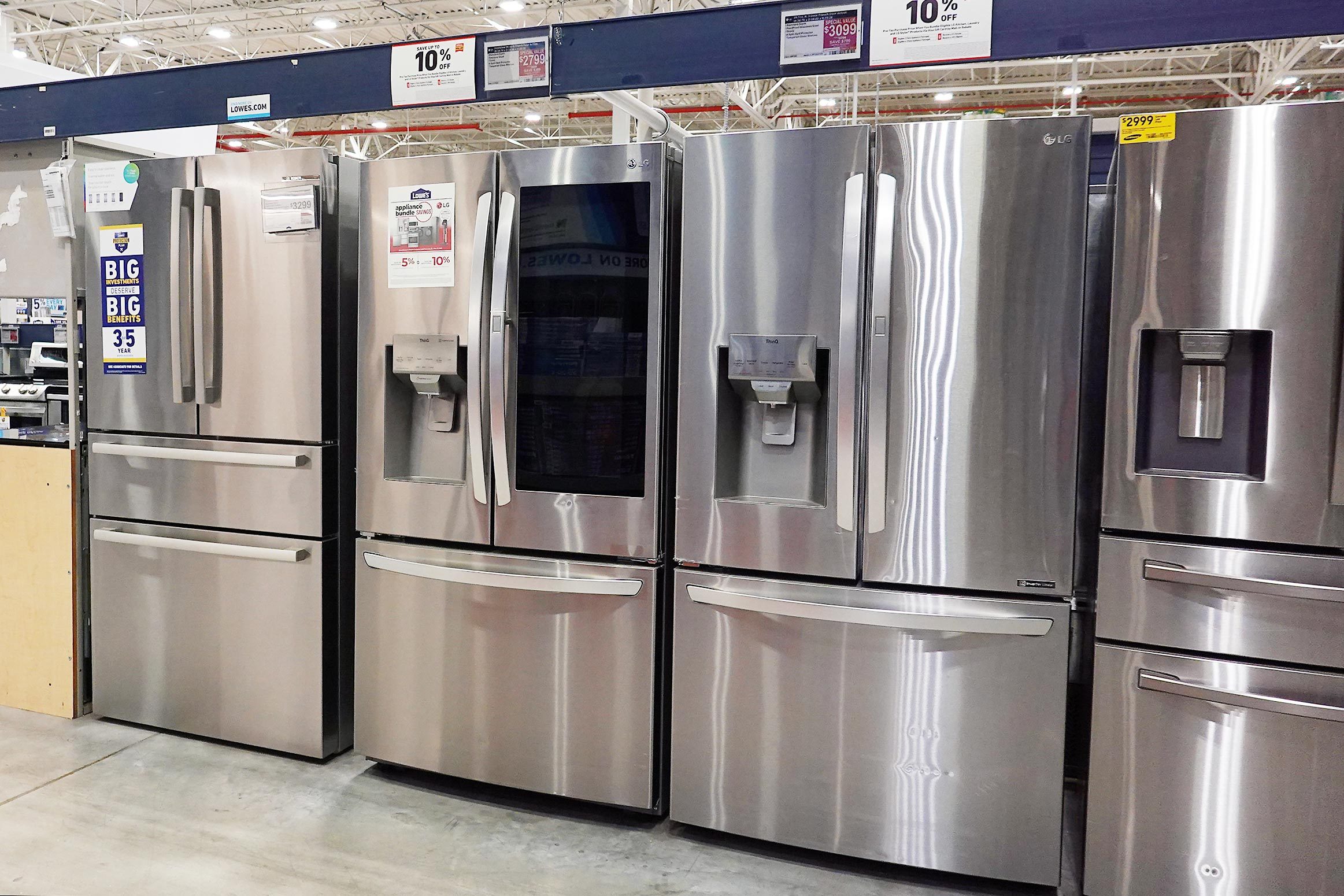
Final Verdict: Selecting Your Ideal Tech Configuration
The “best” make of refrigerator is ultimately a choice between different technical priorities.
- For the Smart Home Power User: Samsung is the best make. Their integration of software, cameras, and IoT connectivity remains the industry benchmark. If your kitchen is a digital hub, the Family Hub series offers unparalleled utility.
- For the Engineering Purist: Bosch or Miele represent the best in technical build quality. Their focus on dual compressors, gas filtration, and precision thermal management ensures that the primary function of the device—preservation—is executed with German-engineered perfection.
- For Reliability and AI Diagnostics: LG provides a compelling middle ground. Their linear compressors are mechanically efficient, and their “ThinQ” AI offers the best preventive maintenance tech on the market, helping to avoid the “unexpected failure” scenario that plagues many modern appliances.
- For Long-Term Investment: Sub-Zero remains the gold standard for hardware durability. Their use of heavy-gauge materials and professional-grade air scrubbing systems justifies their higher entry price for those who view a refrigerator as a permanent fixture of the home’s infrastructure.
Choosing the right make requires an assessment of your home’s digital maturity and your specific needs for thermal performance. As the line between “appliance” and “gadget” continues to blur, the brands that succeed are those that successfully marry robust mechanical engineering with intuitive, data-driven software.
aViewFromTheCave is a participant in the Amazon Services LLC Associates Program, an affiliate advertising program designed to provide a means for sites to earn advertising fees by advertising and linking to Amazon.com. Amazon, the Amazon logo, AmazonSupply, and the AmazonSupply logo are trademarks of Amazon.com, Inc. or its affiliates. As an Amazon Associate we earn affiliate commissions from qualifying purchases.