
In the contemporary retail landscape, “Size 32” is rarely just a measurement. To a consumer, it is a point of search; to a brand, it is a complex intersection of manufacturing standards, psychological marketing, and global positioning. When a shopper asks, “What is size 32 in women’s pants?” they are navigating a fragmented ecosystem where the answer depends entirely on the brand’s strategic intent.
In the world of professional brand strategy, sizing is a silent communicator. It tells the customer who the brand thinks they are, how the brand views the “ideal” silhouette, and which regional markets the brand is prioritizing. Whether “32” refers to a waist measurement in inches (common in premium denim) or a European size (common in luxury French or Italian houses), the label serves as a foundational element of the brand’s identity and its value proposition to the market.

The Myth of Universal Sizing: Sizing as a Brand Lever
The primary reason why “Size 32” remains an ambiguous term is that there is no global legal requirement for standardized sizing. For a brand, this lack of standardization is not a hurdle, but a strategic lever. Companies use sizing to carve out a specific niche and signal their brand’s status.
The Distinction Between Waist Inches and Regional Codes
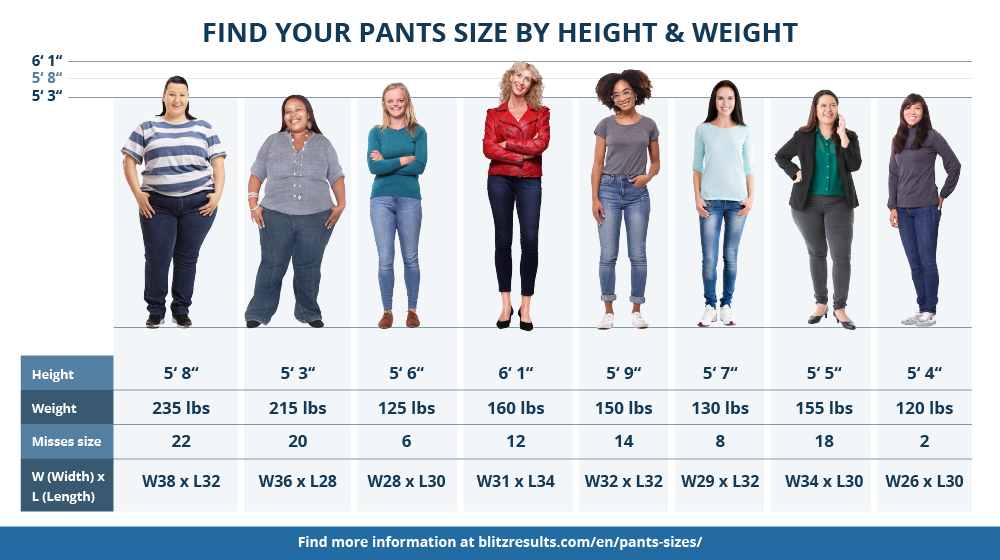
For many brands, particularly those specializing in premium denim or athletic wear, a size 32 refers to the actual waist circumference in inches. In this context, a size 32 is designed to fit a person with a waist measurement of approximately 32 inches, typically translating to a US size 12 or 14. This is a “functional” branding approach, positioning the company as transparent, utility-focused, and precise.
However, in the context of European brand architecture, a “Size 32” represents something entirely different. In French (FR) or European (EU) sizing, a 32 is roughly equivalent to a US size 00 or 0—a sizing tier reserved for the “petite” or high-fashion editorial market. When a luxury brand maintains this numbering system, they are signaling an alignment with European heritage and a specific aesthetic of slimness. The strategy here is exclusivity; by using a numbering system that differs from mass-market standards, the brand reinforces its identity as an aspirational, high-end entity.
The Role of the Fit Model in Brand Identity
Every brand develops its sizing around a “fit model”—a real person whose proportions represent the brand’s target demographic. When a brand defines its version of a size 32, it is essentially making a statement about its target customer’s lifestyle. A brand focusing on “athleisure” will scale their size 32 with more room for muscular thighs, while a corporate-wear brand might focus on a straighter, more structured hip-to-waist ratio. This “Fit Identity” is a core component of brand loyalty; once a customer finds a brand whose “32” matches their specific body shape, the cost of switching to a competitor becomes much higher.
The Psychology of the Label: Vanity Sizing and Consumer Loyalty
One of the most potent tools in a brand strategist’s arsenal is “vanity sizing.” This is the practice of labeling a garment with a smaller size number than its actual measurements would dictate. In this framework, a pair of pants with a 34-inch waist might be labeled as a “Size 32.”
The Emotional Connection to the Number
Research in consumer psychology suggests that shoppers feel a significant boost in self-esteem when they “fit” into a smaller size. Brands leverage this emotional response to build positive associations with their products. If a consumer feels good in a brand’s size 32 because it fits more comfortably than a competitor’s size 34, they are statistically more likely to return to that brand. This creates a “feel-good” brand equity that transcends the physical quality of the garment.
For mass-market brands, vanity sizing is almost a requirement for survival. As the average body dimensions of the population shift, brands that fail to adjust their labels risk alienating their core demographic. By subtly expanding what a “Size 32” means over time, a brand can maintain its relationship with a customer through different stages of their life, ensuring the brand remains “their” size even as their measurements change.
Segmentation through “True-to-Size” Branding
Conversely, some brands use “true-to-size” or even “under-sizing” as a different kind of strategic signal. High-performance outdoor brands or technical apparel companies often avoid vanity sizing to maintain a brand image of rugged authenticity and precision. For these brands, a size 32 must measure exactly 32 inches because their customers rely on that data for layering and gear compatibility. In this niche, the brand value is built on reliability and technical excellence rather than the emotional comfort of the label number.
The Digital Transformation of Sizing and Brand Trust
In the era of e-commerce, the ambiguity of “Size 32” has become a multi-billion-dollar challenge. Inconsistent sizing is the leading cause of product returns, which significantly impacts a brand’s bottom line and its sustainability profile. To mitigate this, brand strategy has pivoted toward data-driven sizing solutions.
The Rise of the Virtual Fit Guide
Innovative brands are moving away from static size charts toward dynamic, AI-powered fit recommendations. By asking customers about their height, weight, and preferred fit in other brands, a company can tell a customer, “In our brand, you are a 32.” This strategy shifts the focus from the label number to the experience of the fit.
This transparency builds brand trust. When a brand proactively explains that their “Size 32” runs small or is designed for an hourglass figure, they are managing customer expectations and reducing the friction of the digital purchase. This clarity is a competitive advantage; a brand that helps a customer find their correct size on the first try earns a reputation for reliability that is invaluable in a crowded market.
Sustainability as a Brand Pillar
In the modern market, brand identity is increasingly tied to environmental responsibility. High return rates due to sizing confusion lead to massive carbon footprints and waste. Brands that have successfully standardized their version of a “Size 32” across all product lines (trousers, jeans, skirts) can market themselves as more sustainable. By perfecting the “Golden Fit,” these brands minimize returns and maximize the lifecycle of the garment. This operational efficiency is not just a financial win; it is a powerful brand story that resonates with the conscious consumer.
Global Expansion: Translating “Size 32” for International Markets
For a brand looking to scale globally, “Size 32” is a translation puzzle. A US-based brand expanding into Europe or Asia must decide whether to retain its original sizing or adapt to local standards. Each choice carries significant brand implications.
Maintaining Brand Heritage vs. Local Adaptation
Luxury brands often choose to maintain their home-country sizing (e.g., Italian 44 or French 36) regardless of where they are selling. This serves to remind the global consumer of the brand’s origins. It creates an aura of “authentic luxury” that requires the customer to learn the brand’s language.
On the other hand, fast-fashion giants and global retailers typically localize their sizing. A “Size 32” in a Japanese market might be cut very differently from a “Size 32” in the US market, even if the label is the same. This strategy prioritizes market penetration and volume over a unified global fit. However, it risks diluting the brand identity if a customer travels and finds they are a different size in the same brand’s stores in different countries.
The Move Toward “Size-Agnostic” Branding
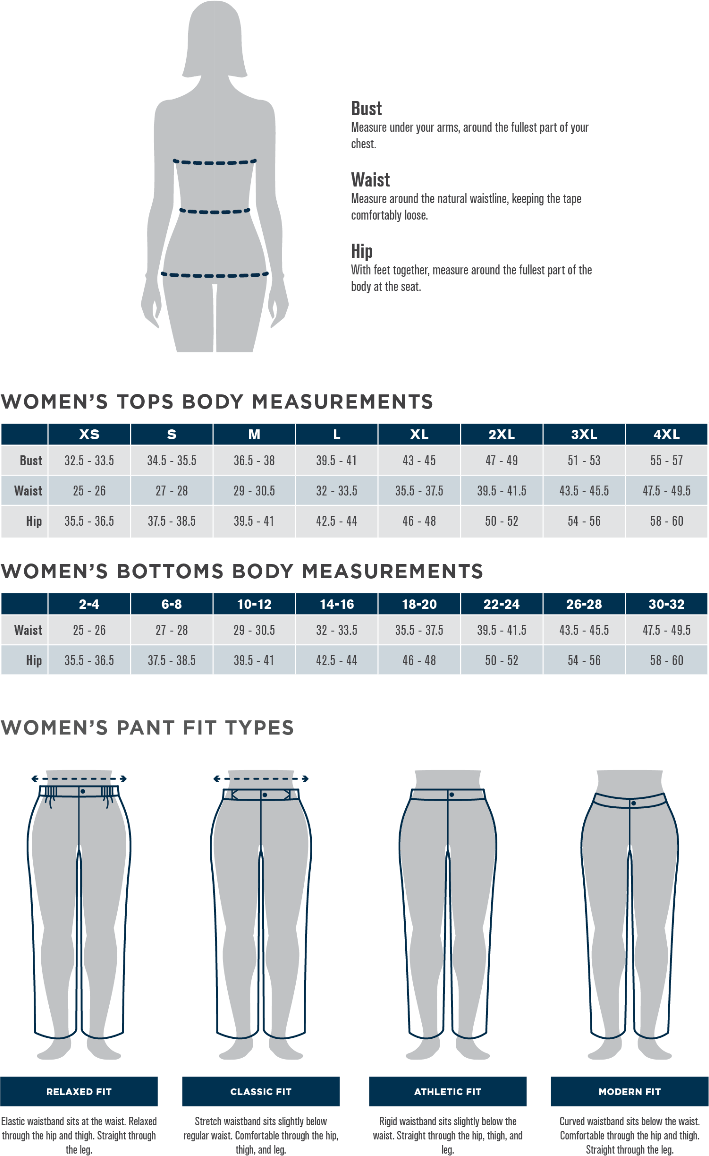
As a response to the confusion surrounding numerical sizes like 32, we are seeing a strategic shift toward “size-agnostic” or “alpha sizing” (XS, S, M, L, XL). This move simplifies the brand’s production line and makes the shopping experience more intuitive for the consumer. Some forward-thinking brands are even experimenting with “proportion-based” sizing, where labels indicate body shape rather than just circumference.
By moving away from traditional numbers, these brands are attempting to bypass the psychological baggage associated with specific sizes. This is a bold brand move that positions the company as a disruptor, catering to a modern audience that values inclusivity and body positivity over archaic industry standards.
Conclusion: The Strategic Future of Size 32
When we ask “What is size 32 in women’s pants?” we are really asking for the brand’s definition of the modern woman. A Size 32 is a data point in a brand’s larger narrative about who they serve and what they stand for.
In the future, the brands that win will be those that view sizing not as a manufacturing necessity, but as a core component of their brand strategy. This means moving toward absolute transparency, leveraging technology to ensure a perfect fit, and understanding the deep emotional connection customers have with the numbers on their clothing. Whether a “32” represents a 32-inch waist, a petite European silhouette, or a vanity-sized comfort fit, its true value lies in the trust it builds between the brand and the wearer. Consistent, thoughtful, and inclusive sizing is no longer just a logistical detail—it is the bedrock of a resilient and respected brand identity.
aViewFromTheCave is a participant in the Amazon Services LLC Associates Program, an affiliate advertising program designed to provide a means for sites to earn advertising fees by advertising and linking to Amazon.com. Amazon, the Amazon logo, AmazonSupply, and the AmazonSupply logo are trademarks of Amazon.com, Inc. or its affiliates. As an Amazon Associate we earn affiliate commissions from qualifying purchases.