
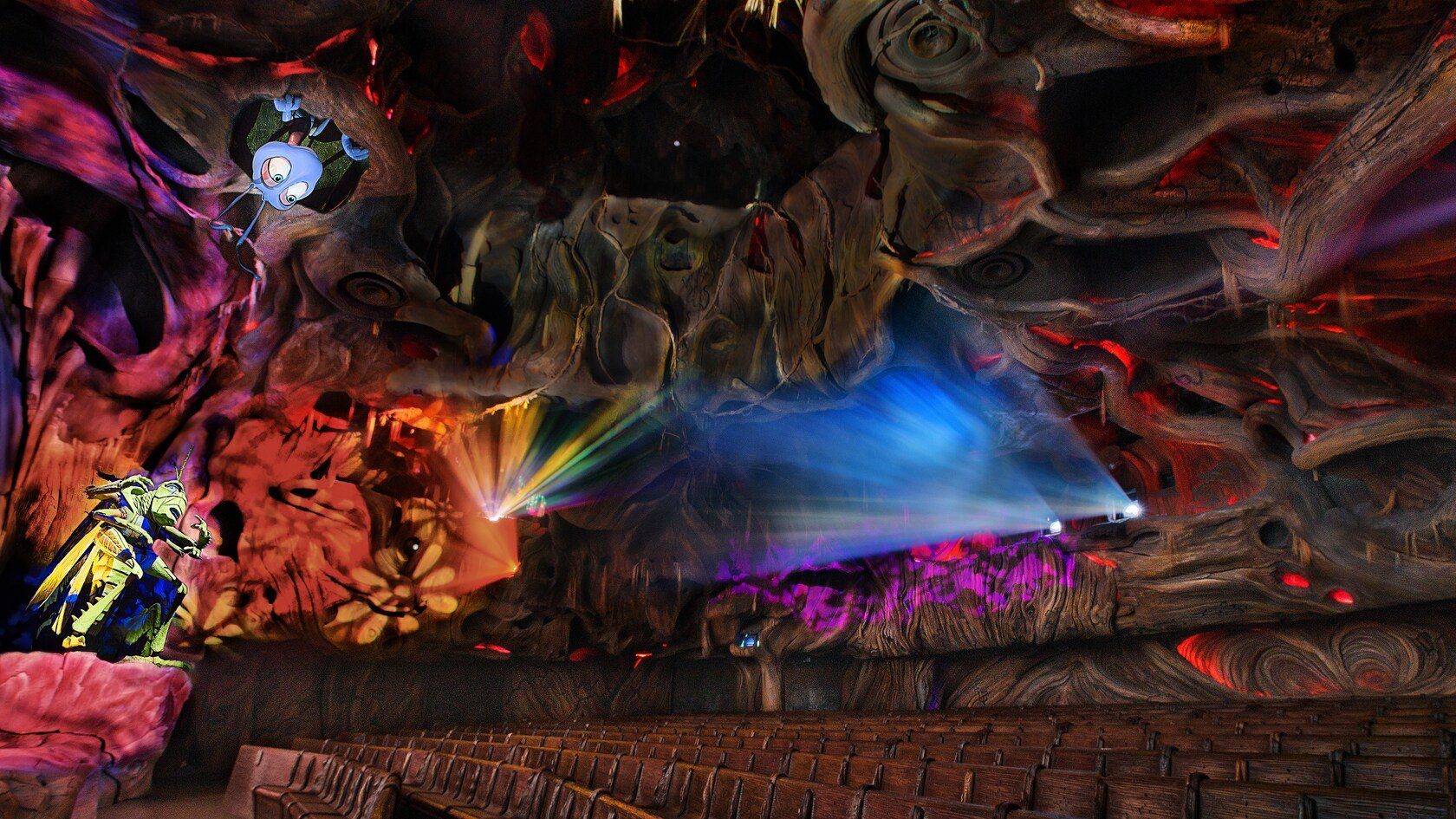
The announcement that the long-standing 4D attraction “It’s Tough to Be a Bug!” at Disney’s Animal Kingdom will be replaced by a new experience based on the film Zootopia marks a significant pivot in one of the world’s most successful brand strategies. For over two decades, the subterranean theater within the Tree of Life has served as a cornerstone of the park’s mission to educate and entertain guests about the microscopic world of insects. However, as the landscape of entertainment changes and consumer expectations shift, the decision to retire this legacy attraction offers a masterclass in corporate identity management and intellectual property (IP) optimization.

This transition is not merely a change of a theater show; it is a calculated move to align physical theme park assets with modern brand powerhouses. By analyzing why Zootopia is the chosen successor and what it means for the overarching brand narrative of the Walt Disney Company, we can uncover the strategic blueprint for maintaining relevance in a competitive global market.
The Shift from Educational Themes to Global Franchises
When Animal Kingdom first opened, its brand identity was rooted deeply in conservation, education, and the “intrinsic value” of nature. “It’s Tough to Be a Bug!”—based on the 1998 Pixar film A Bug’s Life—fit perfectly within this niche. It aimed to foster empathy for creatures that are often overlooked or feared. However, the modern brand strategy for themed entertainment has moved away from generalized educational themes toward high-impact, character-driven IP integration.
The Legacy of “It’s Tough to Be a Bug!”
For 25 years, the attraction acted as a brand ambassador for the park’s central icon, the Tree of Life. It leveraged the “edutainment” model that defined much of the 1990s Disney experience. While successful, the brand equity of A Bug’s Life has diminished over time. In the context of brand lifecycle management, the film has moved into a “legacy” phase, where it maintains nostalgic value but lacks the current cultural velocity required to drive significant attendance increases or merchandise sales.
Why Zootopia? The Power of an Established IP
The choice of Zootopia as a replacement is a direct response to the massive brand equity the franchise has built since 2016. With over $1 billion in global box office revenue, an Academy Award, and a successful spin-off series, Zootopia is a Tier-1 brand asset.
From a brand strategy perspective, Zootopia provides a much broader “hook.” It addresses themes of sociology, biodiversity, and community, all while utilizing characters that have a deep emotional resonance with a multi-generational audience. By replacing a niche IP with a global powerhouse, Disney is maximizing the ROI of the physical real estate inside the Tree of Life. This is a classic example of “brand upgrading”—replacing a functional asset with a high-growth asset to ensure the long-term health of the ecosystem.
Strategic Brand Reinforcement through Immersive Storytelling
In the world of corporate branding, “immersion” is the ultimate goal. When a guest enters a theme park, they are entering a physical manifestation of a brand. The transition to a Zootopia attraction allows for a more cohesive brand narrative within Animal Kingdom.
Synergy Between Film and Physical Spaces
The brand of Zootopia is inherently built on the idea of different “biomes” (Sahara Square, Tundratown, the Rainforest District), which mirrors the geographical organization of Animal Kingdom itself. This synergy creates a seamless brand experience. When a brand can align its fictional world-building with its physical infrastructure, it reduces “brand friction”—the sense of disconnect a consumer feels when an element seems out of place.
The new attraction, titled Zootopia: Better Zoogether, is designed to showcase different biomes and the animals that inhabit them. This maintains the park’s original brand promise of celebrating animals while framing it through the lens of a popular contemporary narrative. It is a strategic pivot from “teaching about bugs” to “exploring the world with Judy Hopps and Nick Wilde.”
Modernizing the Animal Kingdom Narrative
Brands must evolve to survive. The original brand identity of Animal Kingdom was somewhat static, focusing on the majesty of the natural world. While noble, modern audiences—particularly Gen Z and Alpha—respond more effectively to brands that offer a mix of reality and fantasy. By integrating Zootopia, Disney is modernizing the park’s identity, making it feel more vibrant, current, and connected to the broader Disney media landscape. This integration ensures that the park isn’t viewed as a museum of past successes, but as a living part of a growing media franchise.
The Business of Brand Longevity: Why Attractions Retire

The decision to retire a beloved attraction is rarely easy, but it is a fundamental part of brand portfolio management. In the business of themed entertainment, the “cost of boredom” is high. If an attraction no longer serves as a primary draw, it becomes a liability rather than an asset.
Assessing Market Relevance
Every brand asset has a shelf life. “It’s Tough to Be a Bug!” utilized 4D technology that was groundbreaking in 1998 but has since become standard. From a technical and branding standpoint, the attraction was no longer providing the “wow factor” necessary to sustain the brand’s reputation for cutting-edge innovation.
By contrast, the new Zootopia show is expected to utilize the latest in Audio-Animatronics technology and high-definition projection mapping. This refreshes the brand’s “innovation equity,” signaling to consumers that the company is still the leader in high-tech storytelling. Replacing an aging asset before it becomes obsolete is a proactive brand management strategy that prevents brand erosion.
Optimizing Brand Touchpoints for a New Generation
A brand is only as strong as its connection to its current audience. Children visiting the parks today were born long after A Bug’s Life left the cultural zeitgeist, but they are intimately familiar with the world of Zootopia.
By focusing on IPs that have high current engagement, Disney is optimizing its “touchpoints.” Each minute a guest spends in an attraction is a brand interaction. If that interaction is with an IP they love and currently consume, the emotional connection to the parent brand (Disney) is strengthened. This leads to higher “brand loyalty,” which translates into repeat visits, Disney+ subscriptions, and consumer product purchases.
Lessons for Corporate Identity and Brand Scaling
The replacement of “It’s Tough to Be a Bug!” offers several key takeaways for brand strategists and corporate leaders in any industry.
The Importance of Iteration
No brand can afford to stand still. Even the most successful products or services eventually require an update or a complete replacement. Disney’s willingness to “kill its darlings”—retiring long-standing attractions to make room for new ones—is what keeps the brand from stagnating. Companies should regularly audit their brand portfolio to identify “legacy” assets that may be taking up space that could be better utilized by “growth” assets.
Balancing Heritage with Innovation
One of the greatest challenges in brand strategy is maintaining the “core” of the brand while innovating. Disney is keeping the Tree of Life—the symbol of Animal Kingdom’s heritage—but changing the content inside. This is a masterstroke of brand balancing. It respects the “brand pillars” (the park’s icon and its message of animal appreciation) while introducing “brand innovation” (the Zootopia IP and new technology).
Successful brands understand which elements are “sacred” and which are “flexible.” The location is sacred; the show is flexible. This allows the company to stay true to its roots while staying relevant to the modern market.
IP as a Moat
In a crowded marketplace, unique and powerful IP acts as a “moat,” protecting a brand from competitors. By doubling down on Zootopia, Disney is leveraging an asset that no other company can replicate. This strengthens their competitive position in the global tourism and entertainment industry. For any business, identifying and scaling your unique IP—whether it’s a proprietary technology, a unique service model, or a strong character brand—is essential for building a sustainable corporate identity.
Conclusion
The transition from “It’s Tough to Be a Bug!” to Zootopia: Better Zoogether is more than a simple renovation; it is a strategic realignment of a multi-billion dollar brand. It reflects a deep understanding of IP lifecycle management, audience demographics, and the need for constant innovation in the “experience economy.”
By phasing out a legacy IP in favor of a global powerhouse, Disney is ensuring that Animal Kingdom remains a top-tier destination for the next generation of consumers. This move serves as a powerful reminder that in the world of branding, the only thing tougher than being a bug is staying relevant—and the key to relevance lies in the bold, strategic integration of the stories people love today. Through this replacement, Disney reinforces its brand promise: to deliver immersive, high-quality storytelling that evolves alongside its audience, ensuring that the magic never feels dated, but always feels new.
aViewFromTheCave is a participant in the Amazon Services LLC Associates Program, an affiliate advertising program designed to provide a means for sites to earn advertising fees by advertising and linking to Amazon.com. Amazon, the Amazon logo, AmazonSupply, and the AmazonSupply logo are trademarks of Amazon.com, Inc. or its affiliates. As an Amazon Associate we earn affiliate commissions from qualifying purchases.