
The global demographic shift often referred to as the “Silver Tsunami” is not just a social phenomenon; it is a massive economic transition. As the Baby Boomer generation enters its twilight years, the demand for specialized housing and care has skyrocketed. At the center of this intersection between real estate, healthcare, and personal finance is the RCFE, or Residential Care Facility for the Elderly.
For investors, an RCFE represents a high-yield alternative investment class. For families, it represents a significant personal finance challenge and a necessity for estate planning. Understanding what an RCFE is—and more importantly, how it functions as a financial entity—is essential for anyone looking to navigate the modern landscape of senior living.

Defining the RCFE: An Intersection of Real Estate and Healthcare Operations
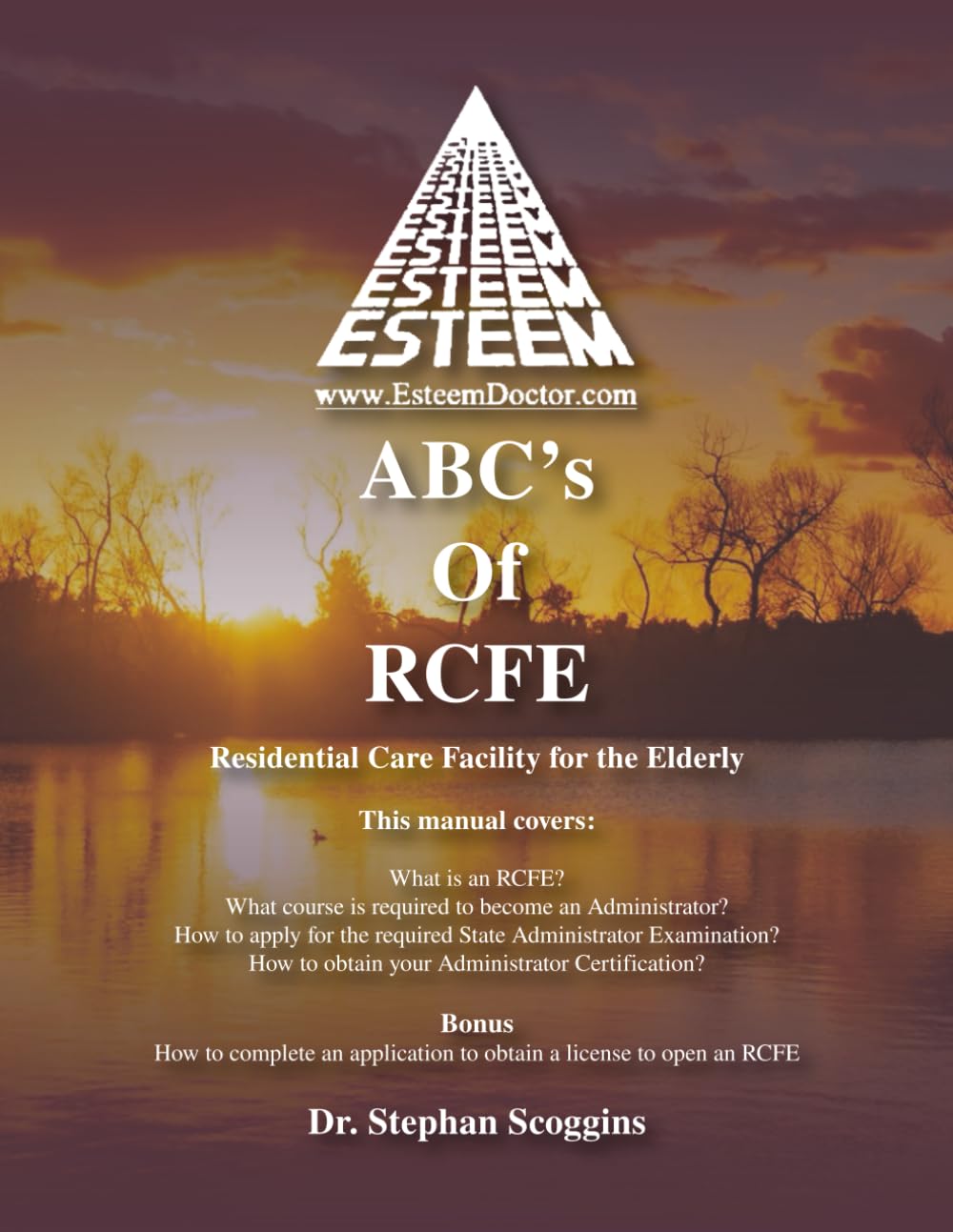
A Residential Care Facility for the Elderly (RCFE) is a housing arrangement chosen voluntarily by persons 60 years of age or over, where 24-hour non-medical care and supervision are provided. While the acronym is most commonly used in California regulatory frameworks, the model—often called “Board and Care” or “Assisted Living”—is a staple of the American senior housing market.
From a business and financial perspective, an RCFE is a hybrid asset. Unlike a standard residential rental property, which generates passive income through leases, an RCFE is an active business that generates revenue through a combination of rent and service fees.
The Regulatory and Licensing Framework
The financial barrier to entry for an RCFE is often defined by its regulatory requirements. Because these facilities house vulnerable populations, they are strictly regulated by state agencies (such as the Department of Social Services). To operate an RCFE, an individual or corporate entity must obtain a specific license, which involves rigorous background checks, financial audits to ensure solvency, and proof of adequate liability insurance.
From an investment standpoint, the “license” itself carries value. A facility with an active, clean license and a history of compliance is a more valuable asset than a vacant residential property. The regulatory environment creates a “moat” around the business, limiting competition to those who have the capital and expertise to navigate the legal requirements.
The Scale of Operations
RCFEs range from small, six-bed residential homes to large-scale assisted living communities with hundreds of residents. The “six-bed” model is particularly popular among individual investors and small business owners. These facilities are usually converted single-family homes in residential neighborhoods. The financial appeal here is the lower overhead and the ability to leverage residential real estate financing, while the revenue per square foot significantly exceeds that of a traditional rental.
The Investor’s Perspective: Capital Requirements and ROI
Investing in an RCFE is a play on both real estate appreciation and operational cash flow. However, the capital requirements are significantly higher than traditional buy-and-hold real estate.
Initial Capital Expenditures (CapEx)
To convert a standard residential property into a profitable RCFE, several financial hurdles must be cleared:
- Real Estate Acquisition: The property must be located in a desirable neighborhood with proximity to hospitals and family-dense areas.
- Renovations and Compliance: Properties must often be retrofitted with fire sprinkler systems, ADA-compliant bathrooms, ramps, and widened hallways. Depending on the size, these renovations can cost anywhere from $50,000 to $250,000 before a single resident moves in.
- Licensing Fees and Working Capital: Most states require proof of three to six months of operating capital in the bank before granting a license. This ensures that even if occupancy is low during the “lease-up” phase, the residents’ care is not compromised.
Revenue Streams and Profitability
The primary revenue driver in an RCFE is the monthly resident fee. Unlike apartments, where rent is the only factor, RCFE fees are tiered based on the “Level of Care” (LOC).
- Base Rent: Covers the room and basic amenities.
- Care Fees: Additional charges for assistance with Activities of Daily Living (ADLs), such as bathing, grooming, and medication management.
In high-demand markets, a single bed in a six-bed RCFE can command between $4,500 and $9,000 per month. A fully occupied six-bed home can generate $30,000 to $50,000 in gross monthly revenue. Even after accounting for high labor costs and insurance, the Net Operating Income (NOI) often outperforms traditional multifamily investments.

Operational Finance: Managing the Bottom Line in Senior Care
While the gross revenue numbers are attractive, the RCFE is an operationally intensive business. Success depends on the ability to manage fluctuating costs and maintain high occupancy rates.
Labor: The Largest Expense
In the senior care industry, labor typically accounts for 40% to 60% of total operating expenses. RCFEs require 24/7 staffing, which means managing three shifts of caregivers, a facility manager, and often a registered nurse (RN) consultant.
Fluctuations in minimum wage, payroll taxes, and workers’ compensation insurance can significantly impact the bottom line. Efficient operators focus on staff retention; high turnover leads to increased training costs and the expensive necessity of using “agency” staffing to fill gaps.
Insurance and Risk Management
Professional liability insurance and “Elder Abuse” coverage are non-negotiable financial components of an RCFE. As the legal landscape becomes more litigious, insurance premiums have risen. A single lawsuit can bankrupt an underinsured facility. Smart financial management in this niche requires robust risk mitigation strategies and a dedicated reserve fund for legal contingencies.
Occupancy and the “Lease-Up” Strategy
The “break-even” point for a typical small RCFE is usually between three and four residents. Because the fixed costs (mortgage, taxes, insurance, and minimum staffing) remain relatively constant, the fifth and sixth residents represent the majority of the profit margin. Financial success, therefore, hinges on marketing and referral networks. Most RCFEs pay “placement agents” a commission—often equal to one month’s rent—to find new residents, which is a significant but necessary customer acquisition cost.
The Consumer Side: Funding Long-Term Care and Protecting Family Assets
From the perspective of a resident or their family, the RCFE is a major personal finance consideration. With the average stay in assisted living lasting two to three years, the total cost can easily exceed $150,000 to $250,000.
Private Pay and Asset Liquidation
Most RCFEs operate on a “private pay” basis. Unlike skilled nursing facilities (SNFs), which may be covered by Medicare for short-term rehabilitation, RCFEs are generally not covered by federal health insurance. Families often fund this through:
- The Sale of the Primary Residence: This is the most common method for funding an RCFE move.
- Pensions and Social Security: Used to cover the base rent.
- Retirement Accounts: Drawing down 401(k) or IRA balances.
Long-Term Care Insurance (LTCI)
For those who planned ahead, Long-Term Care Insurance is a critical financial tool. These policies often provide a daily or monthly indemnity that covers a significant portion of RCFE costs. However, navigating the claims process—ensuring the facility meets the insurer’s “licensed” criteria—is a complex financial task that often requires professional guidance.
VA Benefits and Medi-Cal
There are specific financial vehicles for veterans, such as the “Aid and Attendance” benefit, which can provide a monthly stipend to help pay for RCFE care. On the lower end of the income scale, some facilities accept Medicaid (known as Medi-Cal in California) through waiver programs, though the reimbursement rates are often much lower than private pay, leading many facilities to limit the number of subsidized beds they offer.
Market Outlook: Why RCFEs Are the Next Frontier in Alternative Investments
The economic outlook for the RCFE market remains bullish. Several factors contribute to its status as a resilient asset class:
- Recession Resistance: Senior care is a “needs-based” rather than “wants-based” industry. Even in economic downturns, the elderly require care, making RCFE revenue streams more stable than retail or office real estate.
- Supply-Demand Imbalance: In many metropolitan areas, the development of new senior housing cannot keep pace with the aging population. This supply constraint supports high occupancy and allows for annual rent escalations.
- Institutional Interest: What was once a “mom-and-pop” industry is seeing increased interest from Real Estate Investment Trusts (REITs) and private equity firms. These entities are looking to roll up individual facilities into larger portfolios to achieve economies of scale.
The Future of RCFE Finance
As the market matures, we can expect to see more sophisticated financial products entering the space. From specialized “bridge loans” for facility acquisitions to tech-enabled platforms that streamline billing and payroll, the infrastructure surrounding RCFE finance is evolving.
For the investor, the RCFE offers a path to superior returns through a “business-heavy” real estate model. For the family, it represents a pivotal financial decision that requires careful planning and asset management. In both cases, the RCFE is a cornerstone of the modern longevity economy, proving that the business of care is as much about financial strategy as it is about compassion.
aViewFromTheCave is a participant in the Amazon Services LLC Associates Program, an affiliate advertising program designed to provide a means for sites to earn advertising fees by advertising and linking to Amazon.com. Amazon, the Amazon logo, AmazonSupply, and the AmazonSupply logo are trademarks of Amazon.com, Inc. or its affiliates. As an Amazon Associate we earn affiliate commissions from qualifying purchases.