
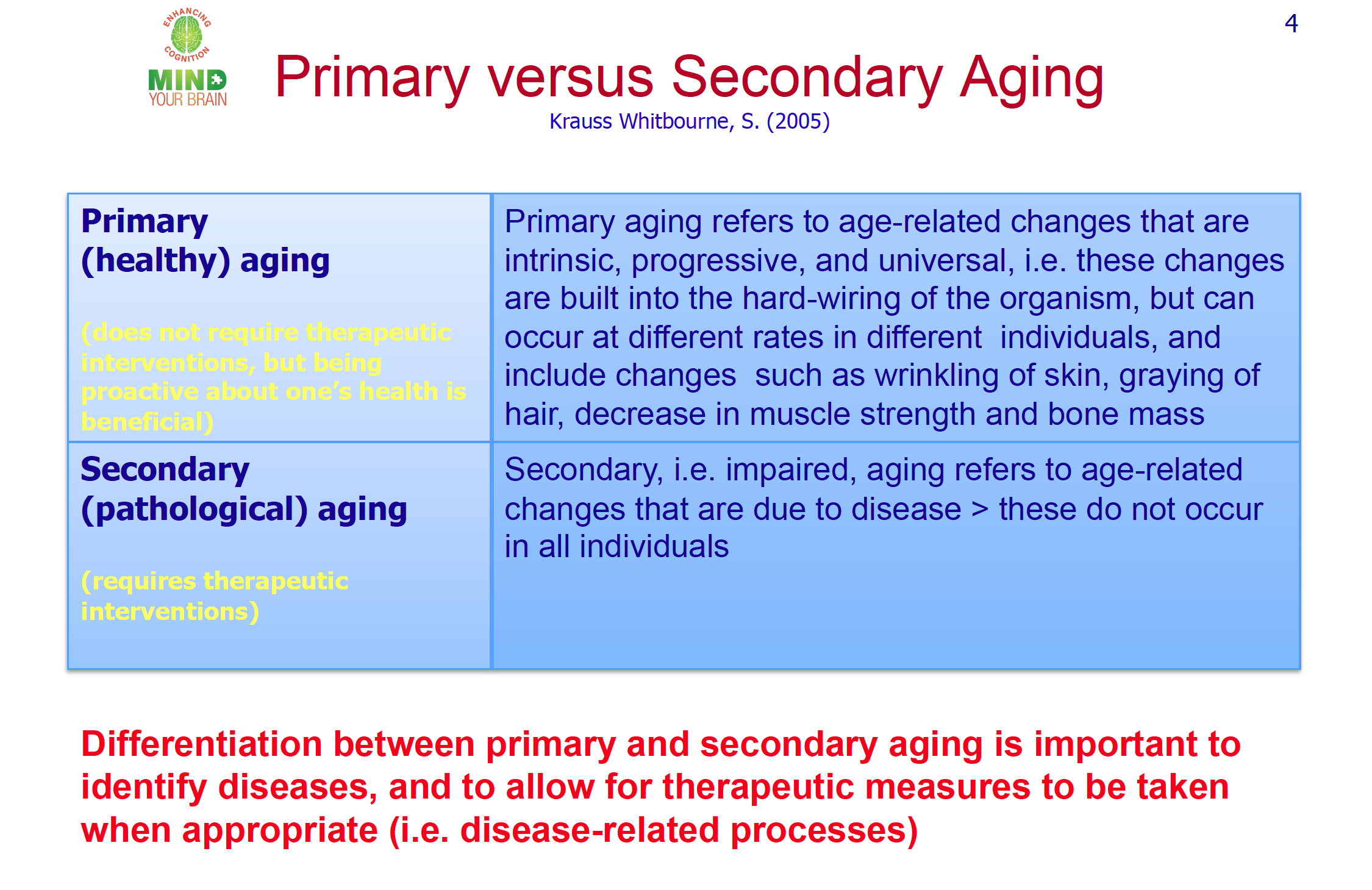
In the ecosystem of human biology, aging is often viewed as a singular, monolithic process. However, modern technology and computational biology have allowed us to bifurcate this journey into two distinct streams: primary and secondary aging. While secondary aging refers to the deterioration caused by environmental factors, lifestyle choices, and disease, primary aging—also known as senescence—is the innate, inevitable, and genetically programmed process of cellular decline.
For decades, primary aging was viewed as an immutable law of nature, much like the entropy of a closed physical system. Yet, with the advent of high-performance computing, artificial intelligence, and sophisticated bio-monitoring tools, the tech world is no longer treating primary aging as a mystery. Instead, it is being treated as a complex “software” problem that can be mapped, analyzed, and potentially optimized. Understanding primary aging through a technological lens is the first step toward the “patching” of the human machine.
Decoding the Base Code: The Tech and Science of Senescence
Primary aging is the accumulation of damage to our biological hardware at the most granular level. Unlike the “bugs” introduced by smoking or poor diet (secondary aging), primary aging is a series of scheduled updates that gradually reduce the system’s efficiency. To understand this, tech-focused researchers utilize advanced genomic sequencing and AI-driven proteomics to identify the specific markers of internal decay.
The Epigenetic Clock and Algorithmic Aging
One of the most significant breakthroughs in the technology of aging is the development of the “epigenetic clock.” Using machine learning algorithms, researchers like Steve Horvath have identified specific methylation patterns on DNA that act as a biological timestamp. This is not just a chronological measurement; it is a data-driven insight into how fast a person’s biological system is depreciating.
Modern “Aging Clocks” utilize deep learning models to process thousands of CpG sites (regions of DNA) to predict biological age with startling accuracy. This tech allows individuals and clinicians to separate the “noise” of lifestyle-induced aging from the “signal” of primary biological decline. By quantifying primary aging, we move from qualitative observations to a quantitative “system health score.”
Telomeres and Cellular Latency
In the world of hardware, latency refers to the delay before a transfer of data begins. In biological terms, telomeres—the protective caps at the ends of chromosomes—act as a buffer for cellular replication. Each time a cell divides, these caps shorten, eventually leading to cellular senescence or “replicative suicide.”
Advancements in telomere testing kits and high-resolution imaging technology allow us to monitor this shortening in real-time. Software platforms are now being developed to integrate telomere data with other biomarkers, creating a comprehensive “latency report” for the human body. As these caps reach their limit, the system’s ability to repair itself drops, marking the fundamental process of primary aging.
The Hardware of Life: AI and the Cellular Blueprint
To address primary aging, we must understand the “hardware” failures that occur at a molecular level. This is where the intersection of AI and structural biology becomes critical. Primary aging is characterized by mitochondrial dysfunction, protein instability (proteostasis), and the buildup of “zombie” cells.
AlphaFold and Protein Folding Precision
Protein misfolding is a primary driver of aging-related decline. When the “code” for proteins is misread or the manufacturing process within the cell fails, the resulting debris clogs the cellular machinery. DeepMind’s AlphaFold, an AI system that predicts 3D structures of proteins, has revolutionized our understanding of this process. By simulating how proteins degrade over time, tech-driven researchers can identify specific points of failure in the aging process that were previously invisible. This predictive capability allows for the development of “molecular chaperones”—digital and chemical tools designed to keep the cellular hardware running smoothly.
Senolytics: Deleting the “Zombie” Code
As primary aging progresses, certain cells stop dividing but refuse to die. These “senescent cells” linger, secreting inflammatory signals that damage surrounding healthy cells. In a tech context, these are redundant processes that refuse to terminate, hogging system resources and causing crashes.
The tech industry is currently funding the development of “senolytics”—a class of interventions designed to selectively target and clear these cells. AI drug discovery platforms are being used to scan vast libraries of compounds to find the most efficient “system cleaners.” By automating the identification of senolytic candidates, we are accelerating the timeline for interventions that could theoretically “reboot” parts of the aging biological system.
The Tech Stack of Longevity: Quantifying the Inevitable
We cannot manage what we cannot measure. The modern tech stack for tracking primary aging has moved beyond the doctor’s office and into the palm of our hands. Wearables, bio-monitors, and longitudinal data platforms are creating a “Digital Twin” of the aging process.
Wearable Sensors and Bio-Feedback Loops
Devices like the Oura Ring, Whoop, and advanced smartwatches are no longer just for counting steps. They are sophisticated biometric tools that track Heart Rate Variability (HRV), resting heart rate, and sleep architecture—all of which are proxies for the state of our primary aging.
Low HRV, for example, is a data point suggesting a nervous system that is losing its “elasticity”—a hallmark of primary aging. Tech companies are now developing “longevity dashboards” that aggregate this data over years. By observing the slow, downward trend of these metrics independent of lifestyle changes, the software can highlight the trajectory of an individual’s primary aging process.
Digital Twins and Predictive Modeling
A “Digital Twin” is a virtual model of a physical object, used in engineering to predict when a bridge might fail or an engine might stall. This concept is being applied to human biology. By feeding an individual’s genetic, proteomic, and lifestyle data into a high-powered simulation, researchers can create a digital representation of that person’s aging process.
This predictive modeling allows users to “fast-forward” their biological clock. What will my primary aging look like in 20 years? How will my specific genetic markers for mitochondrial decay impact my cognitive function? These digital simulations provide a sandbox for testing interventions, allowing for a personalized approach to mitigating the effects of intrinsic biological decline.
Patching the System: How CRISPR and AI Target Aging
If primary aging is the “base code” of our decline, then gene editing is the ultimate developer tool. CRISPR-Cas9 and its successors (like prime editing) offer the potential to rewrite the instructions that govern senescence.
Gene Therapy as a System Update
Primary aging is governed by specific “longevity genes” like SIRT1 and FOXO3. Biotech firms are leveraging AI to determine how these genes can be up-regulated or down-regulated to slow the rate of primary aging. Using viral vectors or lipid nanoparticles—technologies refined during the development of mRNA vaccines—tech-savvy clinicians are exploring ways to deliver “genetic patches” directly to the cells. These patches are designed to enhance the cell’s internal repair mechanisms, effectively slowing the biological clock.
The Role of Big Data in Longevity
The fight against primary aging is, at its core, a big data problem. The “Million Genomes Project” and similar initiatives provide the massive datasets required to train machine learning models. By comparing the genomes of “super-centenarians” (those who age exceptionally well) with the general population, AI can identify the specific “code snippets” that contribute to a slower rate of primary aging. This data-driven approach removes the guesswork, allowing developers to focus on the most high-impact biological targets.
Security and Ethics in the Era of Biological Immortality
As we treat primary aging as a tech problem, we must also address the security and ethical implications of this shift. Biological data—your DNA, your epigenetic clock, your “Digital Twin”—is the most sensitive data you possess.
Protecting the Biological Data Stream
The intersection of digital security and longevity is a growing niche. If an insurance company or an employer has access to your biological “depreciation schedule,” the potential for discrimination is immense. Blockchain technology is being explored as a way to give individuals “sovereignty” over their aging data. In this model, you own your biological metrics, and you choose which “apps” or researchers can access specific “permissions” within your genetic code.
The Philosophy of the “Human Upgrade”
Viewing primary aging as a “fixable” tech issue changes our relationship with humanity. If we can slow or pause primary aging, we are effectively altering the system requirements for life. This raises profound questions about access: Will longevity tech be an open-source benefit for all, or a proprietary “premium feature” for the elite? As we develop the tools to quantify and combat primary aging, the tech industry must lead the conversation on the ethical deployment of these transformative tools.

Conclusion: The Transition from Passive Aging to Active Maintenance
Primary aging is no longer an invisible force of nature. Through the lens of technology, it is a series of identifiable, quantifiable, and potentially modifiable processes. From AI-powered aging clocks to CRISPR-based system updates, the tools of the digital age are being repurposed to address the oldest problem in human history.
By understanding that primary aging is the “base code” of our biological decline, we empower ourselves to build better “maintenance software.” We are moving toward a future where “getting old” is not a passive slide into decay, but a managed process of system optimization, guided by data, driven by AI, and secured by the latest in digital architecture. The human machine is finally getting its long-overdue technical manual.
aViewFromTheCave is a participant in the Amazon Services LLC Associates Program, an affiliate advertising program designed to provide a means for sites to earn advertising fees by advertising and linking to Amazon.com. Amazon, the Amazon logo, AmazonSupply, and the AmazonSupply logo are trademarks of Amazon.com, Inc. or its affiliates. As an Amazon Associate we earn affiliate commissions from qualifying purchases.