
Pewter is often overshadowed by precious metals like gold and silver, yet it remains one of the most versatile and economically significant alloys in the global marketplace. Composed primarily of tin—usually between 85% and 99%—with the remainder consisting of copper, antimony, bismuth, and occasionally silver, pewter occupies a unique niche in the “Money” category. It functions simultaneously as a commodity, a medium for high-margin artisanal business ventures, and a vehicle for investment in the antiques and collectibles market.
Understanding what pewter is used for requires looking beyond its aesthetic appeal and examining its role in personal finance, small business manufacturing, and asset valuation. For the modern investor or entrepreneur, pewter represents a durable asset class with distinct market dynamics that differ significantly from more volatile precious metals.

The Economic Profile of Pewter: Commodity Value and Market Dynamics
To understand the financial utility of pewter, one must first look at the commodities market, specifically the price of tin. Because pewter is almost entirely composed of tin, its intrinsic value is inextricably linked to the London Metal Exchange (LME) price for tin. This makes pewter a strategic alternative for those looking to diversify their physical metal holdings without the high entry costs associated with silver or platinum.
Understanding the Composition: Tin as the Primary Asset
Tin is a critical industrial metal used in everything from electronics (as solder) to food packaging. Because pewter is a high-grade tin alloy, it serves as a store of value. Unlike “pot metal” or other cheap alloys that have little to no scrap value, pewter maintains a solid floor price based on its weight. For individuals focused on personal finance and tangible assets, collecting or investing in high-purity pewter provides a hedge against inflation. If the industrial demand for tin rises due to tech manufacturing needs, the base value of pewter follows suit.
Why Pewter Retains Value Better Than Other Base Metals
Unlike copper, which can oxidize and lose aesthetic value without maintenance, or iron, which is prone to rust, pewter is remarkably stable. It does not tarnish as aggressively as silver, meaning it requires less maintenance to retain its resale value. From a business finance perspective, this durability makes it an ideal material for inventory. Businesses that deal in pewter products benefit from a long shelf life and low storage risk, as the material does not degrade in standard environments.
Pewter in the Antiques and Collectibles Market
For many in the personal finance space, “flipping” or investing in antiques is a viable side hustle. Pewter has been used for centuries, and the secondary market for vintage and antique pewter is robust. Knowing what to look for can turn a modest investment at an estate sale into a significant profit margin.
Identifying High-Value Hallmarks
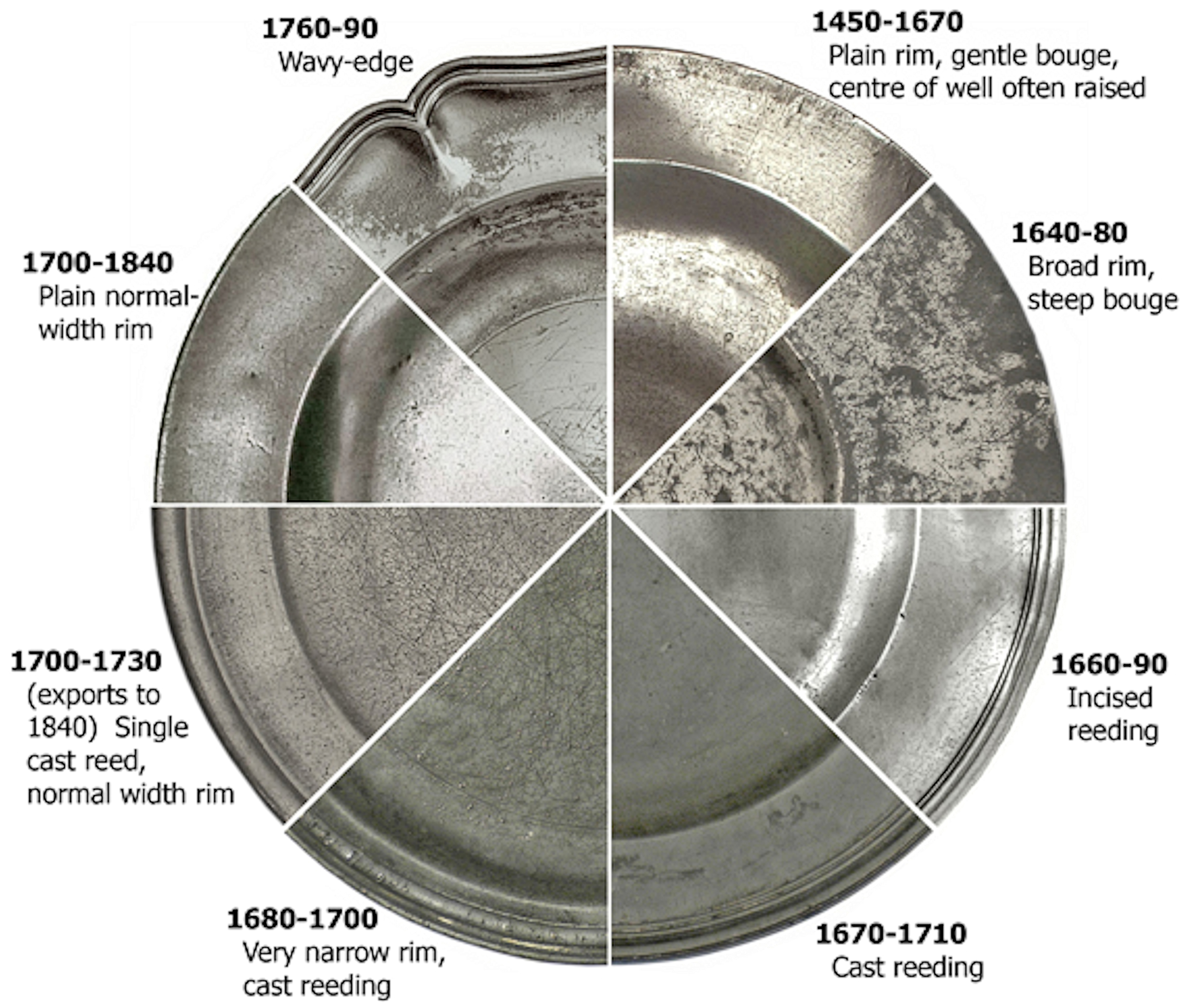
In the world of antique investing, the “touchmark” or hallmark is the equivalent of a brand’s corporate identity. These marks, stamped into the bottom or side of a piece, identify the maker, the quality of the tin used, and the city of origin. Pieces from the 17th and 18th centuries—often referred to as the “Golden Age of Pewter”—can command thousands of dollars at auction. For an investor, learning to identify rare marks from London, Edinburgh, or early American colonial smiths is a high-return skill set.
The Secondary Market: Resale Trends and Auctions
Pewter’s value in the collectibles market is often driven by its provenance and condition. While modern mass-produced pewter may only be worth its weight in tin, “hand-raised” or cast pieces by renowned workshops (such as Liberty & Co.’s “Tudric” line) are treated as fine art. Digital marketplaces like eBay, 1stDibs, and specialized auction houses have made it easier for individuals to treat antique pewter as a liquid asset. By tracking price trends and focusing on “Art Nouveau” or “Arts and Crafts” era pieces, savvy collectors can build a portfolio that appreciates over time, independent of stock market volatility.
Business Opportunities: The Artisanal Craft and Manufacturing Niche

Pewter is not just a historical curiosity; it is the foundation of many successful small businesses and artisanal brands. For entrepreneurs looking for a low-barrier entry into metalworking, pewter offers a unique financial proposition.
Production Costs and Profit Margins
One of the most attractive aspects of pewter from a business finance perspective is its low melting point (approximately 170°F to 450°F, depending on the alloy). Unlike silver or gold, which require high-energy furnaces and specialized equipment, pewter can be cast using relatively inexpensive silicone molds and standard heating elements. This lowers the initial capital expenditure (CAPEX) for a startup.
The “value-add” in a pewter business is significant. An entrepreneur can purchase raw pewter ingots at a commodity price and, through the application of design and branding, sell the finished product—be it jewelry, home decor, or tabletop items—at a markup of 500% to 1,000%. This high gross margin makes it an ideal choice for online income through platforms like Etsy or independent Shopify stores.
Branding and Marketing High-End Pewter Goods
Success in the modern pewter market relies heavily on brand strategy. Because pewter can be polished to a mirror finish (mimicking silver) or chemically darkened to a “satin” or “antique” finish, it appeals to a wide range of consumer tastes.
Luxury brands leverage pewter’s weight and “hand-feel” to justify premium pricing. In the corporate world, pewter is frequently used for high-end trophies, medals, and commemorative gifts. These items are perceived as more prestigious than plastic or glass awards but are more cost-effective for a business than sterling silver. Positioning a pewter brand as “sustainable,” “handcrafted,” or “heritage-quality” allows a business to tap into the growing consumer segment that values longevity over disposable goods.
Industrial and Practical Applications as a Sustainable Investment
In the context of corporate finance and global sustainability, the “use” of pewter extends into its role in the circular economy. As businesses face increasing pressure to adopt ESG (Environmental, Social, and Governance) standards, the materials they choose for products and packaging come under scrutiny.
Corporate Gifting and Brand Identity
Many corporations are moving away from cheap, disposable promotional items in favor of “legacy” gifts. A pewter tankard, tray, or paperweight embossed with a corporate logo serves as a long-lasting brand touchpoint. From a marketing budget perspective, these items offer a better “cost-per-impression” over time because they are rarely thrown away. They become part of the recipient’s office or home, providing decades of brand visibility for a one-time financial outlay.
Sustainability and the Circular Economy
Pewter is highly recyclable. It can be melted down and recast an infinite number of times without losing its structural integrity or purity. For a manufacturing business, this means that production scrap can be reclaimed immediately, reducing waste and lowering raw material costs.
Furthermore, as lead-free regulations become stricter globally, modern pewter (which is 100% lead-free) has become the gold standard for food-safe metal alloys. This compliance reduces legal and financial risks for businesses involved in the hospitality or kitchenware industries. Investing in pewter production is essentially an investment in a “future-proof” material that meets modern safety and environmental standards.
Conclusion: The Enduring Value of Pewter
When we ask “what is pewter used for,” the answer is found in the intersection of artistry and economics. It is a material that allows for high-margin creativity, a commodity that tracks the value of industrial metals, and a collectible asset that preserves history.
Whether you are a personal finance enthusiast looking for a physical hedge against inflation, an antique hunter seeking your next profitable flip, or an entrepreneur aiming to launch a high-margin product line, pewter offers a wealth of opportunities. Its unique physical properties—durability, low melting point, and beauty—ensure that it remains a relevant and valuable player in the global economy. In a world of digital assets and disposable products, the tangible, lasting value of pewter continues to hold its own as a smart financial and professional choice.
aViewFromTheCave is a participant in the Amazon Services LLC Associates Program, an affiliate advertising program designed to provide a means for sites to earn advertising fees by advertising and linking to Amazon.com. Amazon, the Amazon logo, AmazonSupply, and the AmazonSupply logo are trademarks of Amazon.com, Inc. or its affiliates. As an Amazon Associate we earn affiliate commissions from qualifying purchases.