
For decades, the financial landscape of collegiate athletics was defined by a strict code of amateurism. Student-athletes were prohibited from receiving any compensation beyond their scholarships, even as the institutions they represented generated billions in revenue through media rights and ticket sales. This paradigm shifted fundamentally on July 1, 2021, when the National Collegiate Athletic Association (NCAA) suspended its long-standing rules, effectively birthing the “NIL” era.
NIL stands for Name, Image, and Likeness. In the world of business and personal finance, an NIL deal is a contractual agreement that allows a student-athlete to be compensated for the use of their personal brand. This evolution has transformed college sports into a sophisticated micro-economy, creating new avenues for personal income, business ownership, and wealth management for young adults. Understanding the mechanics of NIL is no longer just for sports fans; it is essential for anyone interested in the intersection of personal finance and the modern gig economy.
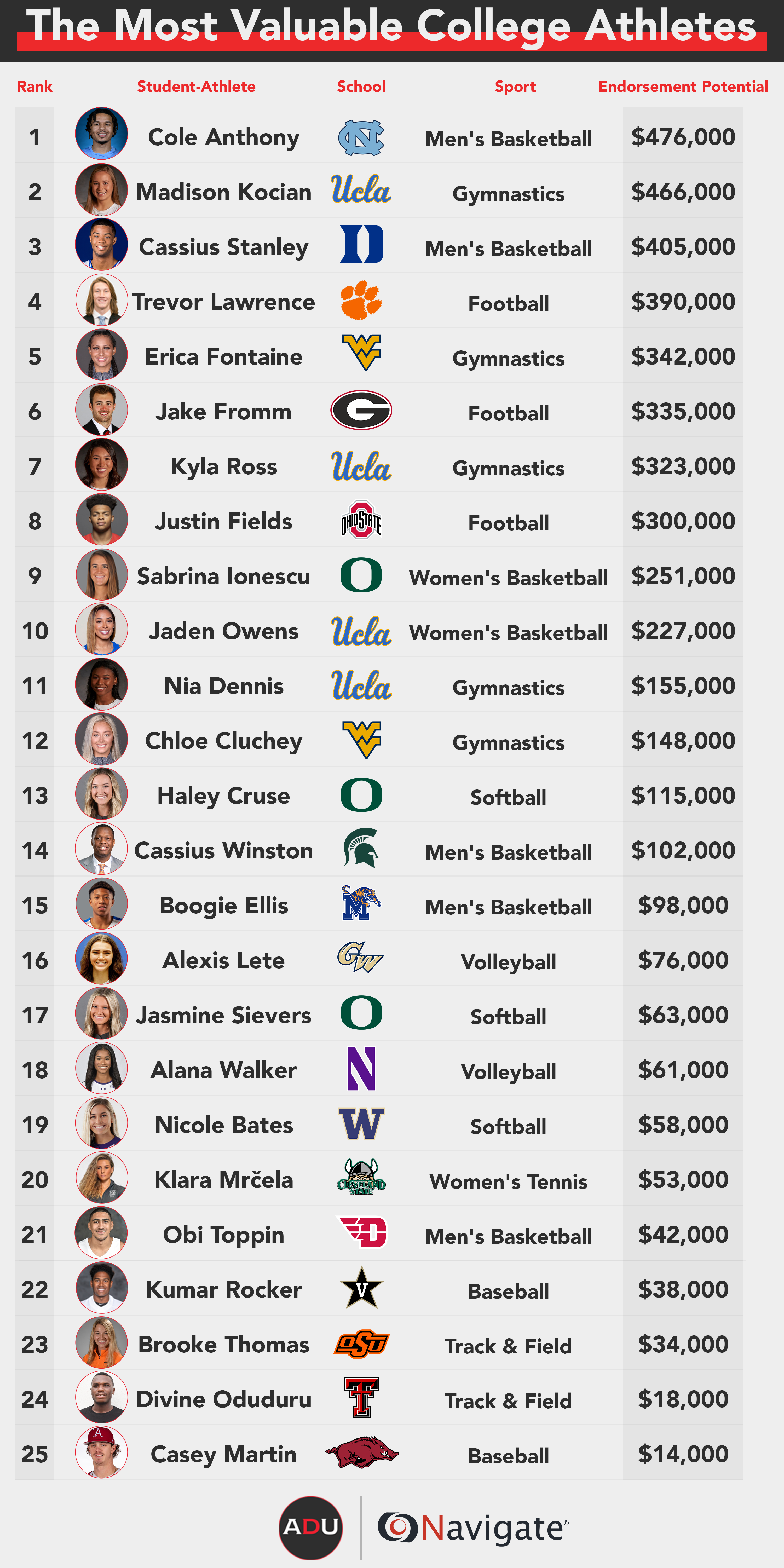
The Financial Mechanics of NIL Income Streams
An NIL deal is not a traditional salary paid by a university. Instead, it is a commercial transaction between an athlete and a third party. These deals vary significantly in structure and scale, ranging from free products in exchange for social media posts to multi-million dollar endorsement contracts. To understand the “money” behind NIL, one must look at the diverse ways these assets are being monetized.
Direct Endorsements and Social Media Monetization
The most visible form of NIL compensation is the brand endorsement. Similar to professional athletes, college players partner with companies to promote products. However, the democratization of media has allowed even bench-players in niche sports to generate income through social media.
For many athletes, their NIL value is tied directly to their digital footprint. Platforms like Instagram, TikTok, and YouTube serve as the primary storefronts for these businesses. A student-athlete with a high engagement rate can command significant fees for sponsored content, turning their athletic status into a lucrative side hustle. This is professionalized “influencer” income, where the athlete’s value is calculated based on reach, demographics, and conversion metrics.
Appearance Fees and Licensing
Beyond digital content, NIL deals often include “traditional” business activities. This includes paid public appearances at store openings, autograph signings, and participation in sports camps. Additionally, the licensing of an athlete’s likeness for merchandise—such as customized jerseys, trading cards, and video games—represents a passive income stream that can accumulate substantial royalties over time.
NIL Collectives: The Institutionalized Business Model
Perhaps the most complex financial development in this space is the “NIL Collective.” These are independent organizations, usually founded by prominent alumni and boosters, that pool financial resources to provide NIL opportunities for athletes at a specific school.
Collectives operate like specialized marketing agencies. They solicit donations from boosters and businesses, then distribute those funds to athletes in exchange for community service, brand promotion, or media appearances. From a business finance perspective, collectives have become the “payroll” alternative of the collegiate world, creating a structured environment where large sums of capital are deployed to maintain competitive rosters.
Building a Business Infrastructure: Taxes, LLCs, and Literacy
The sudden influx of capital into the hands of 18-to-22-year-olds has necessitated a crash course in business management. When an athlete signs an NIL deal, they are no longer just students; they are effectively small business owners and independent contractors.
The Tax Implications of NIL
One of the most critical aspects of NIL from a financial standpoint is tax liability. Because NIL income is generally treated as non-employee compensation, athletes receive 1099 forms rather than W-2s. This means that no taxes are withheld at the time of payment.
Athletes must account for self-employment taxes, federal income tax, and potentially state taxes if they compete or perform services in multiple jurisdictions. Without proper financial planning, a significant portion of an athlete’s earnings could be owed to the IRS at the end of the fiscal year. This has led to an increased demand for specialized accountants who understand the nuances of the athletic tax “nexus.”

The Rise of Personal LLCs
To manage liability and optimize tax benefits, many high-earning student-athletes are incorporating themselves as Limited Liability Companies (LLCs). By operating as an LLC, an athlete can deduct legitimate business expenses—such as training equipment, travel for brand shoots, and fees paid to agents or managers—from their taxable income. This shift represents a professionalization of the student-athlete experience, moving from “amateur” to “corporate entity.”
Financial Literacy and Professional Services
The NIL era has created a new market for financial advisors, wealth managers, and sports agents. Because the window for peak athletic earning is often short, the emphasis on financial literacy has never been higher. Athletes are being encouraged to look beyond immediate consumption and toward long-term wealth strategies, including diversified investment portfolios, retirement accounts (such as SEP IRAs), and insurance policies to protect against injury-related loss of future earnings.
NIL as a Micro-Economy: Market Value and ROI
Just as the stock market fluctuates based on performance and speculation, the NIL market has developed its own valuation metrics. The financial “worth” of an athlete is no longer determined solely by their stats on the field, but by their “valuation” in the marketplace.
Real-Time Valuation Tracking
Companies like On3 and 247Sports have developed proprietary algorithms to estimate the NIL valuation of thousands of high school and college athletes. These valuations consider “Roster Value” (the baseline value of being on a specific team) and “NIL Interest” (the athlete’s personal brand strength). These figures serve as a benchmark for negotiations, much like a “blue book” value for a car or a market cap for a stock.
Return on Investment (ROI) for Businesses
From the perspective of the business funding the deal, NIL is an investment. Small local businesses, such as a hometown car dealership or a pizza parlor, look for a hyper-local ROI. They want to drive foot traffic and build community goodwill.
In contrast, national brands like Nike, Gatorade, or Bose look for global brand equity and digital engagement. The financial success of an NIL deal is measured by the business through specific Key Performance Indicators (KPIs). If an athlete’s promotion leads to a measurable spike in sales or app downloads, their market value increases, allowing them to command higher fees in future negotiations.
Risks, Challenges, and Long-term Wealth Management
While the financial potential of NIL is immense, it is not without significant risk. The “Money” side of NIL requires a disciplined approach to avoid the pitfalls that have historically plagued professional athletes.
The “One-Hit Wonder” and Market Volatility
The athletic career is famously fragile. An injury or a poor season can cause an athlete’s NIL value to plummet overnight. Unlike a multi-year guaranteed professional contract, many NIL deals are performance-based or short-term. Athletes who fail to diversify their income or who overextend their spending during “flush” years may find themselves in financial distress once their playing days are over.
Navigating the “Pay-to-Play” Grey Area
While the NCAA allows NIL compensation, it still officially prohibits “pay-to-play” schemes—where money is given solely as an inducement to attend a specific school. However, the line between a legitimate marketing deal and a recruiting inducement is often blurred. Financial transparency and compliance with evolving state laws and NCAA memos are essential to ensure that an athlete’s income doesn’t jeopardize their eligibility or lead to legal complications.
Strategic Reinvestment
The most successful athletes in the NIL era are those who treat their earnings as seed capital. Instead of focusing purely on liquid assets, some are exploring equity deals where they receive a stake in the companies they promote. Others are using their NIL earnings to fund their own startups or invest in real estate. By shifting the focus from “income” to “equity,” these athletes are building a financial foundation that will last far beyond their four years of collegiate eligibility.
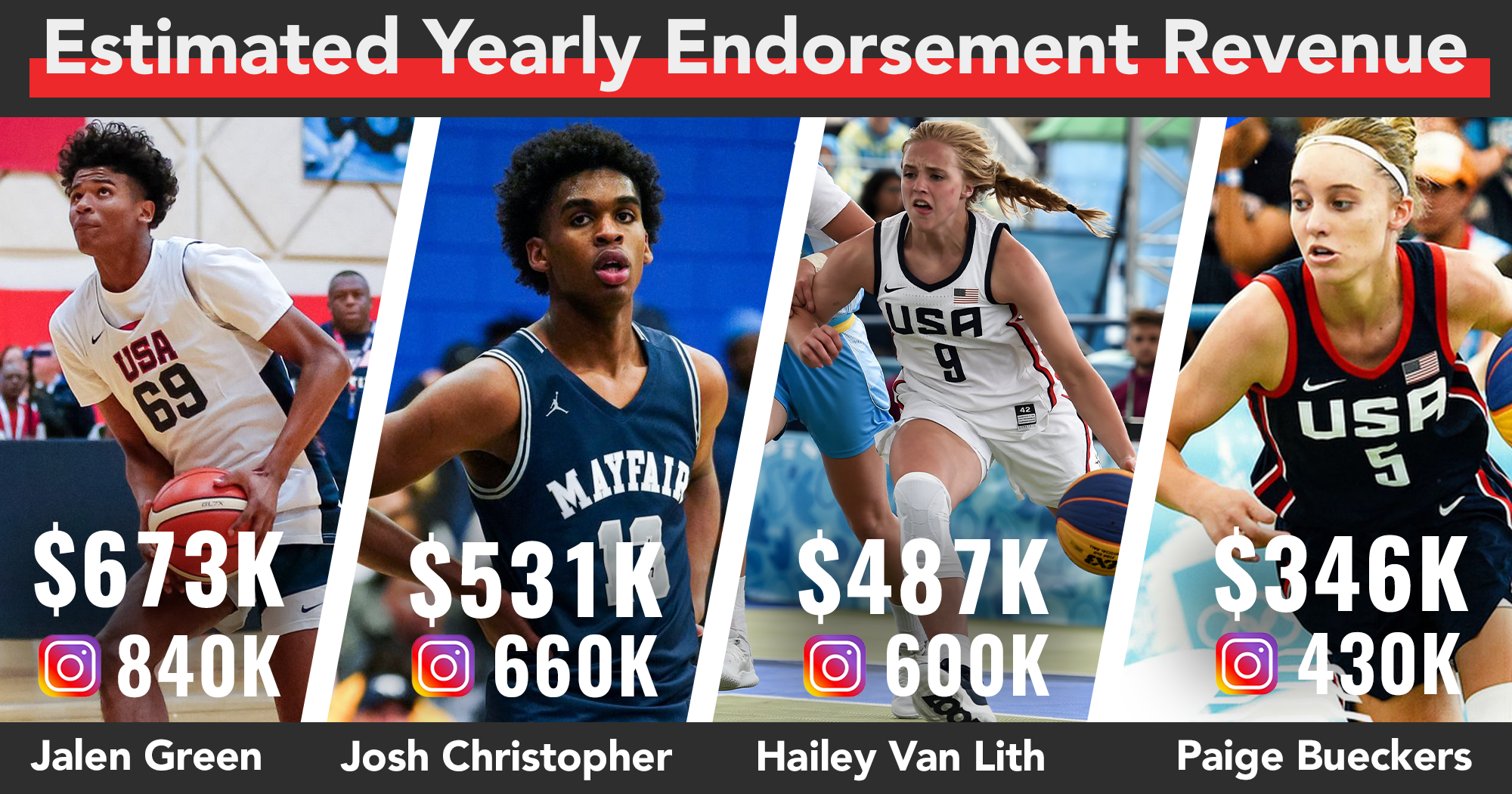
The Future of Collegiate Business Finance
The “NIL Deal” is more than a trend; it is a permanent restructuring of the sports economy. As the market matures, we can expect to see even more sophisticated financial instruments entering the space. We may see the rise of NIL-backed investment funds, more standardized contract templates, and perhaps even the eventual classification of student-athletes as employees, which would bring a whole new set of financial realities, including collective bargaining and benefits packages.
For the student-athlete, the NIL era offers a unique opportunity to achieve financial independence before they even graduate. For the business world, it offers a new, highly engaged channel for marketing and investment. At its core, the NIL deal has proved that the “amateur” label was merely a financial barrier, and its removal has unlocked a multi-billion dollar frontier where talent, brand, and business finance finally converge.
aViewFromTheCave is a participant in the Amazon Services LLC Associates Program, an affiliate advertising program designed to provide a means for sites to earn advertising fees by advertising and linking to Amazon.com. Amazon, the Amazon logo, AmazonSupply, and the AmazonSupply logo are trademarks of Amazon.com, Inc. or its affiliates. As an Amazon Associate we earn affiliate commissions from qualifying purchases.