
In the realm of personal finance, homeownership is often the single largest investment an individual will make. While the appreciation of real estate is generally a positive driver of net worth, it carries a secondary effect that can strain a household’s monthly cash flow: rising property taxes. In the State of Maryland, property values are assessed on a triennial basis, meaning every three years, the state re-evaluates the market value of your home. If the real estate market in your neighborhood has surged, your assessment could increase significantly, leading to a potential spike in your tax bill.
To mitigate this volatility and provide financial stability for residents, the state established the Maryland Homestead Tax Credit. This program is not a traditional “rebate” in the sense that you receive a check in the mail; rather, it acts as a legal ceiling on how much your taxable assessment can increase in a single year. Understanding the mechanics of this credit is essential for any Maryland homeowner looking to manage their long-term financial planning, protect their home equity, and ensure that their housing costs remain predictable.
The Mechanics of the Maryland Homestead Tax Credit: How the Cap Works
The primary purpose of the Maryland Homestead Tax Credit is to shield homeowners from the full impact of rapid property value appreciation. Without this credit, a homeowner in a booming market might find their property taxes doubling or tripling over a short period, potentially pricing them out of their own home.
The 10% Assessment Cap and Local Variations
By state law, the Homestead Tax Credit limits the increase in a property’s taxable assessment to no more than 10% per year. However, Maryland allows individual counties and municipalities to set their own caps at even lower percentages. For example, some jurisdictions may limit the increase to 5% or even 0% in certain years.
When the State Department of Assessments and Taxation (SDAT) conducts its triennial assessment, it determines the new market value of your property. If that value has increased by 30% since the last assessment, the increase is phased in over three years. However, the Homestead Credit applies to the “taxable” portion of that assessment. Even if your home’s market value increases by 15% in a single year, you are only taxed on a maximum increase of 10% (or whatever the local cap is). The “credit” is effectively the difference between the tax on the full market value and the tax on the capped value.
Taxable Assessment vs. Market Value
It is crucial to distinguish between the market value of your home and its taxable assessment. The market value is what a buyer would likely pay for the property today. The taxable assessment is the figure used by the local government to calculate your annual property tax bill.
The Maryland Homestead Tax Credit focuses exclusively on the taxable assessment. Over many years of homeownership, this can create a significant “gap” where your home is worth $600,000 on the open market, but because of the annual caps, you are only paying taxes as if it were assessed at $450,000. This gap represents a hidden financial benefit, essentially a government-subsidized protection of your liquid cash flow.
Eligibility and Compliance: Securing Your Financial Benefit
While the Maryland Homestead Tax Credit is a powerful tool for wealth preservation, it is not automatically applied to every property. It is designed specifically for owner-occupied residential properties. Real estate investors, commercial developers, and owners of secondary vacation homes do not qualify for this protection.
The Primary Residence Requirement
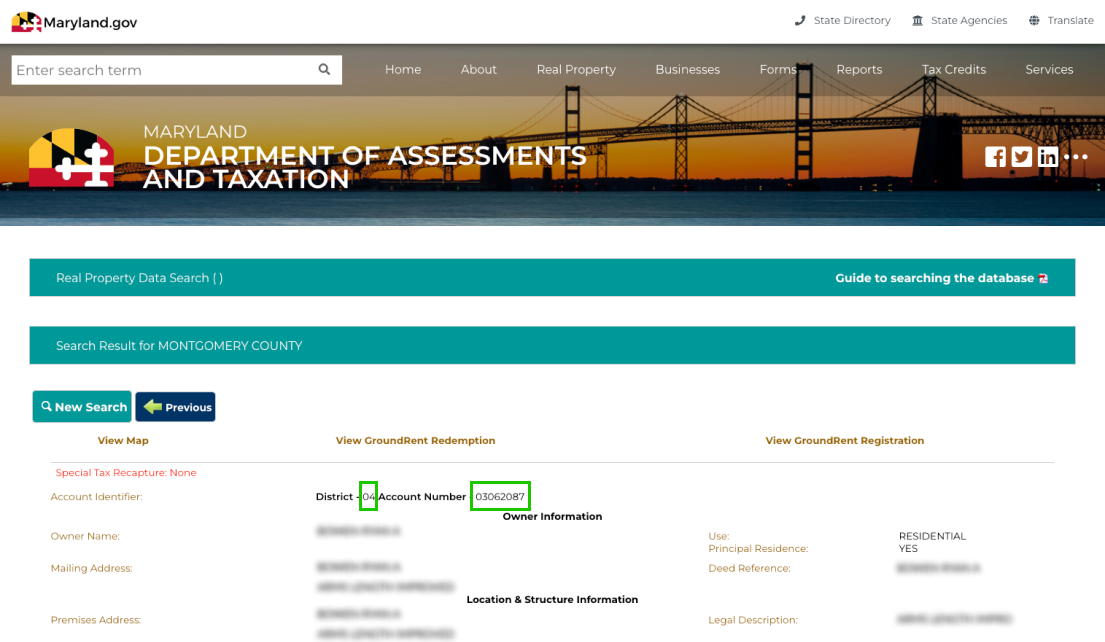
To qualify, the property must be your legal principal residence. This means you must live there for more than six months of the year. The state monitors this through various data points, including voter registration, income tax filings, and the address listed on your driver’s license. If a homeowner attempts to claim the credit on multiple properties, they risk not only losing the credit but also facing significant back-tax penalties and interest.
For those engaging in “house hacking” or renting out a portion of their home, eligibility can become more complex. Generally, as long as the owner occupies the property as their primary residence, the credit remains intact, but it is always advisable to consult with a tax professional if the property serves a dual purpose.
The Mandatory Application Process
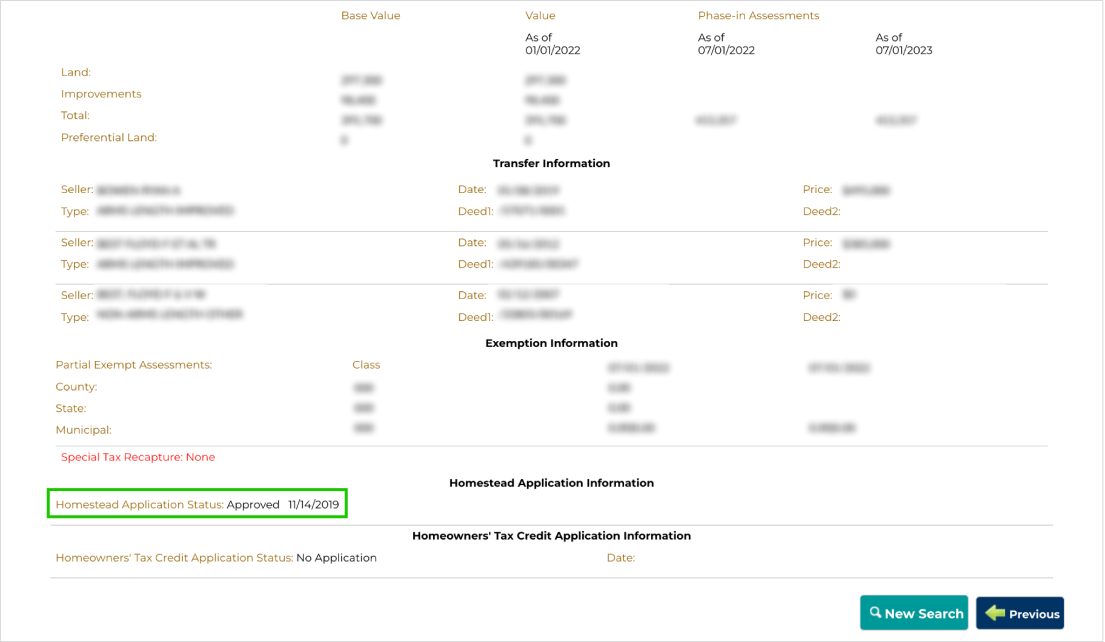
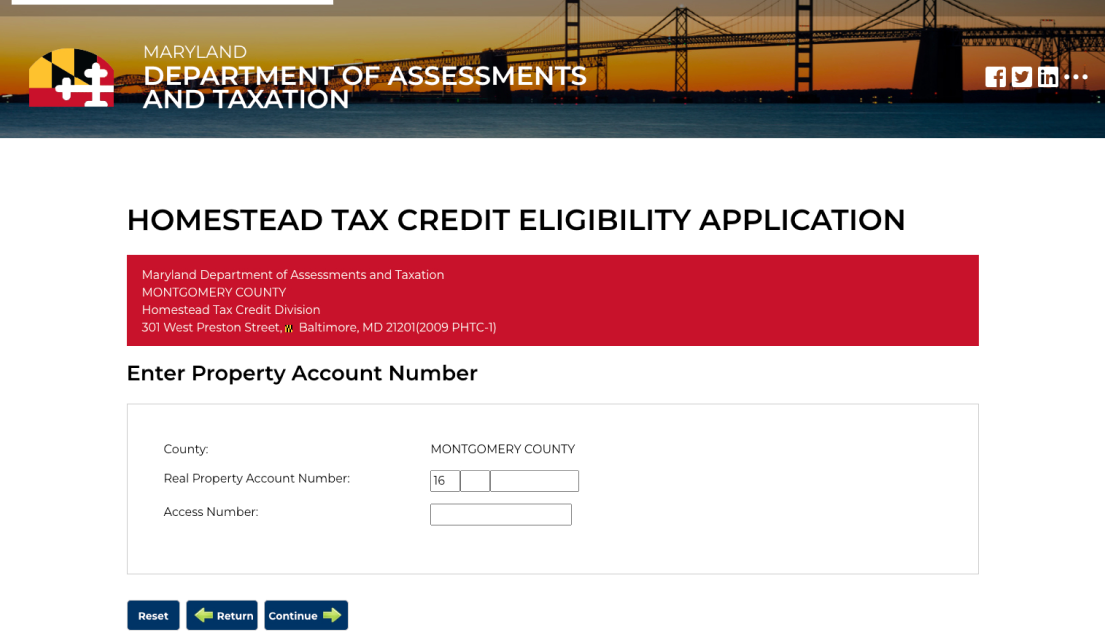
Historically, the Homestead Credit was applied somewhat automatically, but in recent years, Maryland has moved to a mandatory application system. Once you purchase a home, you must file a one-time application with the SDAT. This application registers the property as your primary residence and locks in your eligibility for the credit.
The application is typically due within 180 days of the property transfer, though the state has provided windows for existing homeowners to retroactively apply if they missed the initial deadline. For a homeowner’s personal finance checklist, verifying that the Homestead Tax Credit application has been filed and accepted should be a top priority immediately after closing on a new home. Failure to file this simple document can cost thousands of dollars in excess taxes over the lifespan of the mortgage.
The Financial Impact: Long-Term Wealth Preservation
The Maryland Homestead Tax Credit is more than just a tax break; it is a fundamental component of a homeowner’s risk management strategy. By capping the growth of one of the largest recurring expenses in a household budget, the credit provides a level of insurance against local economic booms that might otherwise cause financial distress.
Shielding Against Market Volatility
In many Maryland counties, particularly those bordering Washington D.C. and Baltimore, real estate values can skyrocket within a single assessment cycle. For retirees on a fixed income or young families with tight budgets, a 20% increase in property taxes in a single year could be devastating.
The Homestead Credit acts as a stabilizer. It allows the homeowner to benefit from the increased equity (which improves their net worth and borrowing power) without immediately suffering the full tax consequences of that increased value. In a sense, it allows the homeowner to “lag” behind the market, paying taxes based on historical values rather than current peaks.
Calculating Potential Savings and Escrow Impacts
For those with a mortgage, property taxes are usually paid through an escrow account. When the tax assessment increases, the mortgage servicer must adjust the monthly payment to cover the higher tax bill and ensure the escrow cushion is maintained. This can lead to “escrow shocks,” where a monthly mortgage payment jumps by hundreds of dollars.
By limiting the assessment increase to 10% or less, the Homestead Credit minimizes these escrow shocks. From a personal finance perspective, this makes the cost of homeownership more predictable. When you can forecast your maximum tax increase, you can better allocate funds toward other investment vehicles, such as a 401(k), IRA, or a high-yield savings account, rather than keeping excessive liquidity on hand just to cover an unpredictable tax bill.
Strategic Considerations and Potential Pitfalls
While the credit is a boon for homeowners, there are specific scenarios where the benefit can be lost or reset, often catching property owners off guard.
Property Transfers and the “Reset” Rule
The Maryland Homestead Tax Credit is tied to the owner, not the property. When a home is sold, the credit “resets.” The new buyer will initially pay taxes based on the full assessed market value (or the purchase price, depending on the reassessment cycle). They do not inherit the seller’s capped assessment.
This is a critical consideration for those looking to move within Maryland. Even if you buy a home of similar value to your current one, your property taxes might be significantly higher because you are losing the cumulative years of “capped” growth you enjoyed on your previous residence. Financial planners often suggest factoring this “tax reset” into the closing costs and long-term affordability calculations when upgrading or downsizing.
Additions and Major Improvements
It is also important to note that the Homestead Tax Credit cap only applies to the existing assessment. If you perform a major renovation—such as adding a second story or a significant extension—the value added by that specific improvement is added to the assessment at its full market value. The 10% cap will apply to the base value of the home, but the value of the new construction will be integrated at the current rate. Homeowners should budget for a permanent increase in their tax liability following any major capital improvement project.
Integrating Tax Credits into a Comprehensive Financial Plan
The Maryland Homestead Tax Credit should not be viewed in isolation. It is part of a broader suite of Maryland tax incentives, including the Homeowners’ Tax Credit (which is income-based) and various local credits for seniors or veterans.
For the savvy investor, the savings generated by the Homestead Credit represent “found money” that can be redirected toward wealth-building activities. If the credit saves a homeowner $1,200 a year compared to what they would have paid without the cap, that $100 per month could be diverted into a 529 College Savings Plan or used to pay down the principal on the mortgage, further accelerating equity growth.
Furthermore, the credit underscores the importance of monitoring your triennial assessment notice. Every three years, Maryland homeowners receive a notice in the mail detailing their new assessment. If the SDAT overvalues your property, you have the right to appeal. However, if the Homestead Credit is already capping your taxable assessment well below the market value, an appeal may not be necessary or beneficial.
In conclusion, the Maryland Homestead Tax Credit is an indispensable financial tool for residents. It provides a necessary buffer against the volatility of the real estate market, ensures that property taxes remain a manageable percentage of household income, and protects the long-term viability of homeownership as a path to financial security. By ensuring eligibility and understanding the application process, Marylanders can secure their most valuable asset and keep more of their hard-earned money in their own pockets.
aViewFromTheCave is a participant in the Amazon Services LLC Associates Program, an affiliate advertising program designed to provide a means for sites to earn advertising fees by advertising and linking to Amazon.com. Amazon, the Amazon logo, AmazonSupply, and the AmazonSupply logo are trademarks of Amazon.com, Inc. or its affiliates. As an Amazon Associate we earn affiliate commissions from qualifying purchases.