
In the landscape of modern retail and corporate identity, few stories provide as much insight into niche market dominance and strategic rebranding as that of The Land of Nod. Originally a catalog-based furniture retailer, the brand became a titan in the children’s lifestyle sector, eventually serving as a primary case study for how a specialized brand can be integrated into a larger corporate ecosystem. Understanding what The Land of Nod was—and what its legacy represents today—requires an exploration of brand positioning, aesthetic differentiation, and the calculated risks of corporate consolidation.

The Genesis of a Brand Identity: More Than Just Furniture
The Land of Nod was founded in 1996 by Scott Eirinberg and Jamie Cohen, operating initially out of a basement in the Chicago suburbs. At the time, the children’s furniture market was polarized: consumers generally had to choose between utilitarian, mass-produced items from big-box retailers or prohibitively expensive, high-end nursery boutiques. The Land of Nod identified a significant “white space” in the market for high-quality, design-forward children’s goods that appealed to the aesthetic sensibilities of modern parents.
Finding the Gap in the Market
The brand’s primary value proposition was the refusal to compromise on style simply because a product was intended for a child. Before The Land of Nod, much of the children’s market was saturated with overly precious, pastel-themed designs that felt disconnected from the rest of a well-curated home. The Land of Nod introduced a “sophisticated whimsical” aesthetic. They realized that parents—specifically Gen X and later Millennials—wanted their children’s rooms to be an extension of their personal style rather than a cordoned-off area of primary colors and plastic.
Visual Storytelling and the “Magic” of Childhood
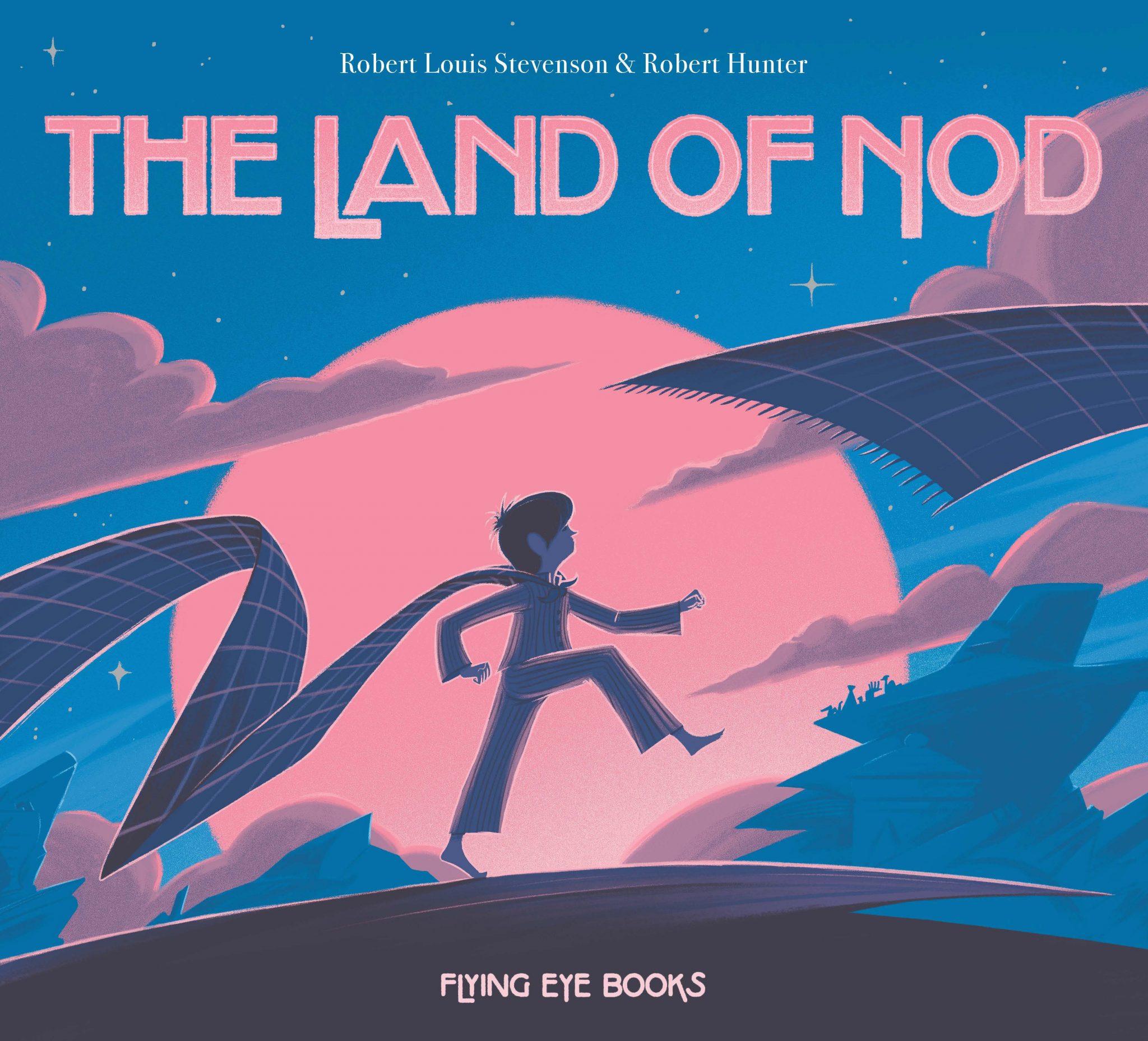
The brand was built on the foundation of emotional resonance. The name itself, a reference to the mythical land of sleep from the poem by Robert Louis Stevenson, immediately evoked feelings of comfort, nostalgia, and wonder. From a branding perspective, this was a masterstroke. It didn’t just sell cribs and bookshelves; it sold the idea of a magical childhood. Their catalogs were not merely product listings; they were editorial experiences, featuring clever copywriting, relatable humor, and photography that felt lived-in and authentic.
The Strategic Alliance with Crate & Barrel
As The Land of Nod grew, its success caught the attention of major players in the home furnishing industry. In 2000, Crate & Barrel took a majority stake in the company, a move that would define the brand’s trajectory for the next two decades. This partnership is an excellent example of how a niche brand can leverage the infrastructure of a corporate giant while maintaining its unique soul.
Scaling Through Partnership
For The Land of Nod, the alliance provided the capital and logistics necessary to scale. It allowed the brand to move beyond its catalog roots and open physical retail locations, often situated adjacent to Crate & Barrel stores. This “halo effect” allowed The Land of Nod to tap into Crate & Barrel’s existing customer base—couples who had furnished their first homes with Crate & Barrel and were now transitioning into parenthood.
Operational Synergies and Distribution
From a corporate identity standpoint, the partnership was seamless because both brands shared a commitment to quality and “approachable modernism.” By utilizing Crate & Barrel’s robust distribution networks and supply chain management, The Land of Nod could offer competitive shipping rates and faster delivery times, which are critical factors in the e-commerce era. This synergy allowed the smaller brand to punch well above its weight class in terms of operational efficiency.
The Branding Masterclass: Catalog Marketing and Consumer Connection

Throughout the early 2000s and 2010s, The Land of Nod became a benchmark for creative brand communication. In an era where digital marketing was beginning to cannibalize print, The Land of Nod leaned into the “mook” (magazine-book) format, creating a tangible connection with their audience.
The Power of Print in a Digital Age
The Land of Nod’s catalogs were legendary in the marketing world. They utilized a distinct voice that was irreverent, self-aware, and deeply human. Instead of dry product descriptions, they used storytelling. A rug wasn’t just “hand-tufted wool”; it was “the perfect surface for a high-stakes Lego construction project.” This approach built incredible brand loyalty. Parents didn’t just buy the products; they felt the brand “got” them—the messiness of parenting, the lack of sleep, and the desire to hold onto the beauty of childhood.
Building Community Through Curation
Another pillar of their brand strategy was curation and collaboration. The Land of Nod frequently partnered with independent artists and designers to create exclusive collections. By doing so, they positioned themselves as a curator of taste rather than just a manufacturer of goods. These collaborations (with artists like Genevieve Gorder or brands like Sanrio) kept the brand feeling fresh and relevant, preventing the “stale” feeling that often plagues long-standing retail brands.
The Rebrand to Crate & Kids: A Case Study in Corporate Consolidation
In 2018, a significant shift occurred in the brand’s history. Crate & Barrel announced that it would be officially absorbing The Land of Nod and rebranding it as “Crate & Kids.” This move was a calculated strategic pivot intended to streamline the corporate portfolio and capitalize on the massive global brand equity of Crate & Barrel.
Why Brands Retire Iconic Names
The decision to retire a beloved name like The Land of Nod was not without risk. However, from a marketing and SEO perspective, the move was highly logical. In the digital marketplace, “Crate & Barrel” had significantly higher search volume and global recognition. By bringing the children’s line directly under the Crate & Barrel umbrella, the company could offer a “one-stop-shop” experience. This move also mirrored a broader trend in the industry, seen with competitors like West Elm (West Elm Kids) and Pottery Barn (Pottery Barn Kids).
Preserving Legacy Identity Under a Global Umbrella
The challenge of this rebrand was to maintain the “Nod DNA” while adopting the Crate & Barrel visual identity. Most of the creative team from The Land of Nod transitioned to Crate & Kids to ensure that the whimsical, artist-driven spirit of the original brand remained. Today, while the name “The Land of Nod” is no longer on the storefronts, its influence is clearly visible in the playful patterns, unique toy selections, and high-quality furniture that define the Crate & Kids collection.
Lessons for Modern Brand Strategists
The story of The Land of Nod offers several vital lessons for anyone looking to build or manage a brand in the modern era. It highlights the importance of finding a specific voice and sticking to it, even as the company grows.
The Importance of Emotional Resonance
The Land of Nod succeeded because it sold a feeling, not just a function. In a commoditized market, the only way to maintain premium pricing and customer loyalty is through an emotional connection. The brand understood that for a parent, a nursery isn’t just a room; it’s a dream for the future. By tapping into that emotion through every touchpoint—from the catalog copy to the store layout—they created a “lovemark” rather than just a brand.
Balancing Niche Appeal with Mass Market Growth
The eventual transition to Crate & Kids serves as a reminder that brands must evolve to survive. While the original founders built something special and unique, the path to long-term sustainability often involves integration. The Land of Nod’s journey shows that a brand can “grow up” without losing its inner child. It proves that a well-executed brand strategy can create lasting value that survives even after the original name has been retired.
In summary, The Land of Nod was a pioneer in the children’s design space that redefined how companies interact with parents. It transitioned from a basement start-up to a beloved national brand, and finally, into a core pillar of one of the world’s most successful home furnishing companies. Its legacy remains a testament to the power of creative storytelling, strategic partnerships, and the enduring appeal of high-quality, thoughtful design.
aViewFromTheCave is a participant in the Amazon Services LLC Associates Program, an affiliate advertising program designed to provide a means for sites to earn advertising fees by advertising and linking to Amazon.com. Amazon, the Amazon logo, AmazonSupply, and the AmazonSupply logo are trademarks of Amazon.com, Inc. or its affiliates. As an Amazon Associate we earn affiliate commissions from qualifying purchases.