
In the rapidly evolving landscape of the Internet of Things (IoT) and smart home ecosystems, few technologies have remained as consistently relevant and ubiquitous as HomeLink. Developed by Gentex Corporation, HomeLink is the world’s most widely used vehicle-to-home automation system. It serves as a sophisticated, integrated bridge that allows drivers to control various aspects of their home environment directly from their vehicle’s interface. While many associate the technology exclusively with garage door openers, HomeLink has transformed into a comprehensive control hub capable of managing gates, home lighting, security systems, and even smart appliances.
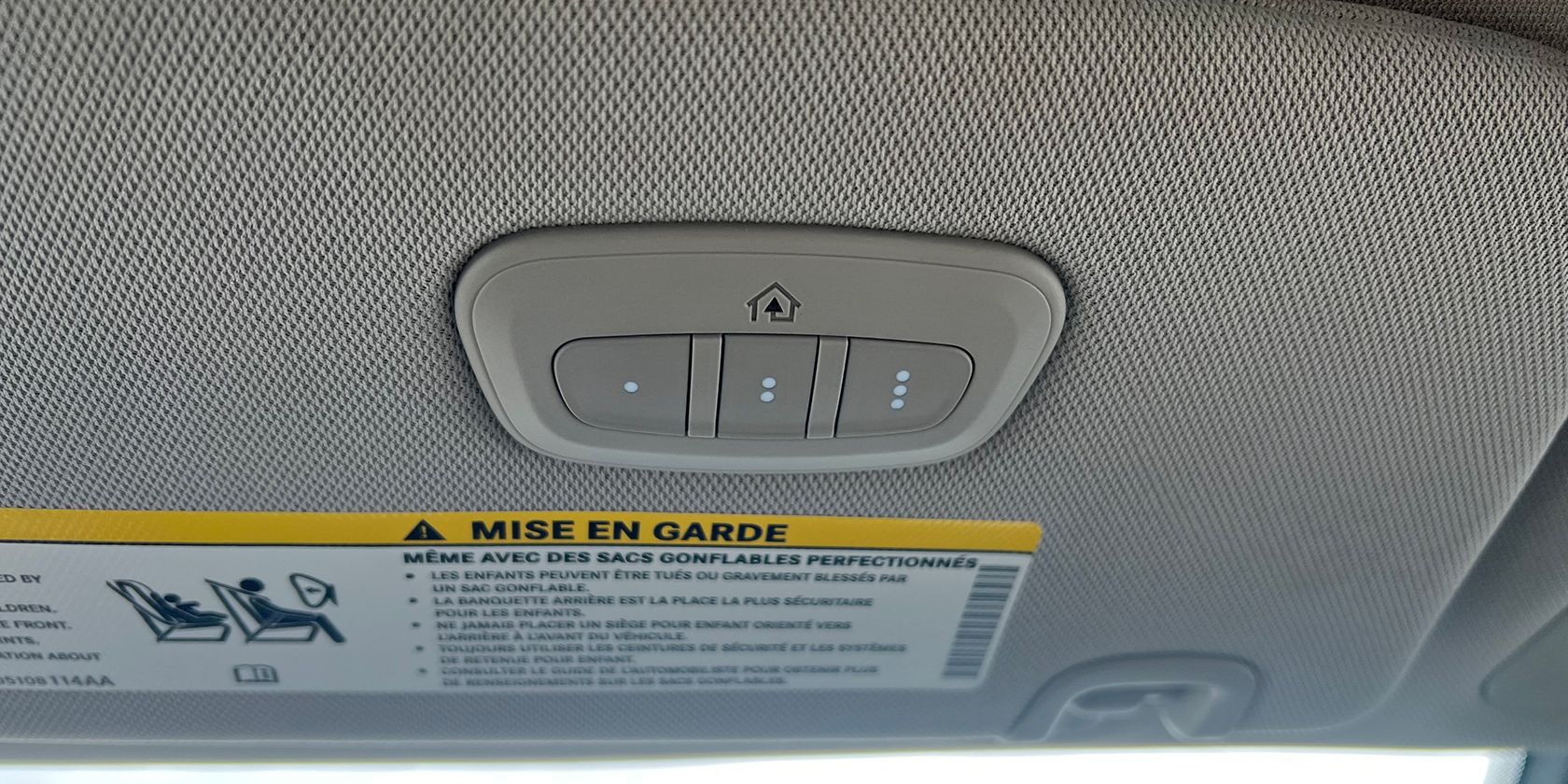
As modern vehicles become increasingly connected, understanding the underlying technology, the setup process, and the future of vehicle-to-home (V2H) communication is essential for tech-savvy consumers. HomeLink is no longer just a series of physical buttons on a rearview mirror; it is a complex wireless transceiver system that integrates with cloud-based platforms to provide seamless connectivity between the driveway and the living room.
The Fundamentals of HomeLink Systems
At its core, HomeLink is a wireless control system integrated into the interior of a vehicle—typically found in the overhead console, the rearview mirror, or embedded within the touchscreen infotainment system. The primary goal of the system is to eliminate the need for bulky, battery-powered remote controls clipped to sun visors, providing instead a sleek, factory-installed solution that is powered by the vehicle’s electrical system.
Radio Frequency (RF) Foundations
Traditional HomeLink systems operate primarily via Radio Frequency (RF). Most garage door openers and automated gate systems utilize specific frequencies—typically ranging from 288 to 433 MHz—to communicate between the transmitter and the receiver. HomeLink transceivers are designed to “learn” these specific frequencies. When a user programs their HomeLink button, the system records the unique signal sent by the original remote control and replicates it with high precision.
One of the most significant technical hurdles HomeLink overcame was the advent of “Rolling Code” technology. In the early days of automated doors, a single fixed code was used for every operation, which posed a security risk as hackers could “sniff” the signal and replay it to gain entry. Modern systems use encrypted rolling codes that change after every use. HomeLink’s advanced software architecture allows it to synchronize with these encrypted algorithms, ensuring that the vehicle and the garage motor remain in perfect digital lockstep.
Hardware Implementation in Modern Vehicles
While the traditional three-button interface remains the standard for many automotive manufacturers, the hardware implementation has evolved. In luxury and high-tech vehicles, such as those produced by Tesla, Audi, and BMW, HomeLink has migrated from physical buttons to software-defined controls. In these setups, the HomeLink hardware is integrated into the vehicle’s CAN bus (Controller Area Network), allowing the car to trigger actions based on GPS coordinates. For instance, a vehicle can be programmed to automatically send an RF signal to open the garage door as the car approaches the driveway, representing a significant leap in automation and user convenience.
Expanding the Ecosystem: Beyond the Garage Door
While the garage door remains the most common application, the HomeLink ecosystem has expanded significantly to keep pace with the smart home revolution. The modern HomeLink system is capable of controlling nearly any device that operates on compatible wireless protocols, making it a versatile tool for home management.
Lighting and Home Automation
Through the use of specialized RF-to-plug-in modules, HomeLink can be used to control interior and exterior home lighting. This functionality is particularly useful for security and convenience; a driver can turn on entry-hallway lights or activate floodlights before they even step out of the vehicle. As smart home hubs like Phillips Hue, Lutron, and TP-Link became popular, HomeLink evolved to interface with these systems, often through intermediary cloud bridges or the HomeLink Connect app.
Security and Property Access
Beyond the garage, HomeLink is frequently used to manage motorized estate gates and security systems. Because the system can store multiple “links” (typically three in hardware-based versions and more in software-defined versions), a single vehicle can manage the perimeter gate of a community, a private driveway gate, and the individual garage stall. Some advanced integrations even allow for the disarming of home security systems upon arrival, provided the vehicle is equipped with the necessary bidirectional communication protocols.
A Technical Guide to Programming and Configuration
For many users, the primary interaction with HomeLink occurs during the initial pairing process. While the system is designed for ease of use, the underlying “handshake” between the vehicle and the home device requires specific steps to ensure a secure and functional connection.
Handling Fixed Code vs. Rolling Code Systems

The programming process varies depending on whether the home device uses a fixed or rolling code. Fixed code systems are straightforward: the user holds the original remote near the HomeLink button until the indicator light flashes rapidly, signaling that the code has been cloned.
Rolling code systems, which are the standard for nearly all garage door openers manufactured after 1996 (such as those using LiftMaster Security+ 2.0), require an additional step. After the vehicle learns the signal from the remote, the user must physically press the “Learn” or “Smart” button on the garage door motor head in the garage. This puts the motor into a pairing mode, allowing the vehicle’s HomeLink transceiver to be registered as an authorized device within the motor’s internal memory.
The Role of the HomeLink Connect App
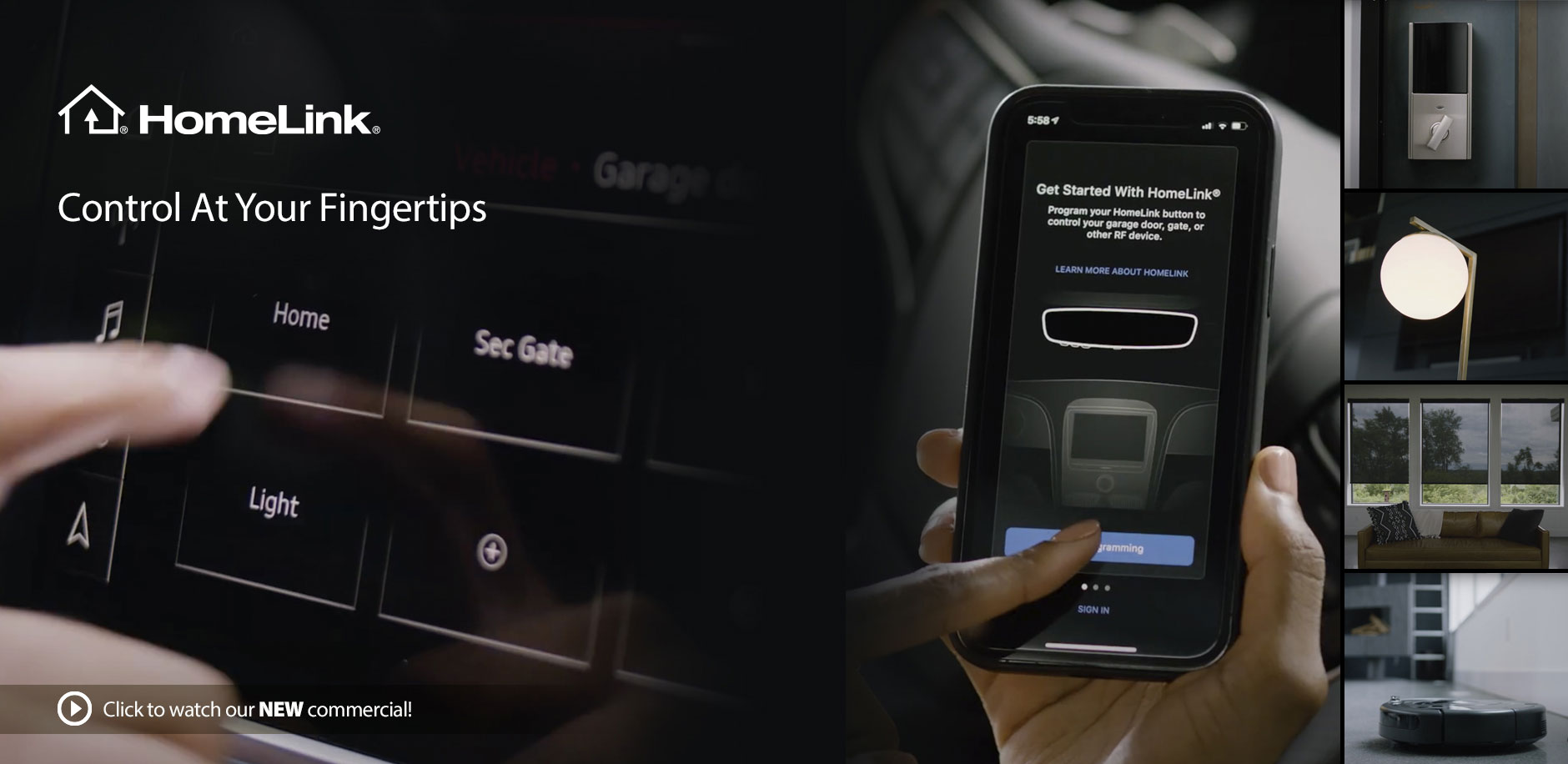
To bridge the gap between traditional RF technology and modern Wi-Fi-based smart homes, Gentex introduced HomeLink Connect. This is a companion app that allows drivers to control smart home devices via the vehicle’s infotainment screen. Instead of relying purely on RF signals, HomeLink Connect utilizes the vehicle’s data connection or the user’s smartphone to send commands to cloud-based smart home platforms. This allows for the control of devices that do not have RF receivers, such as smart thermostats, smart locks, and even Wi-Fi-connected appliances.
HomeLink Connect: The Next Generation of Cloud Connectivity
The transition from localized RF control to cloud-based connectivity marks the most significant shift in HomeLink’s history. As vehicles become “computers on wheels,” the demand for integrated software solutions has outpaced the utility of physical buttons.
App-Based Integration and Over-the-Air Updates
HomeLink Connect operates by syncing the vehicle with a smartphone application via Bluetooth or a cellular data link. Once configured, the vehicle’s touchscreen displays an interface for all paired smart home devices. This shift is crucial for several reasons. First, it allows for “over-the-air” (OTA) updates, meaning the system can gain compatibility with new smart home products without the owner needing to visit a dealership. Second, it removes the limitation of the “three-button” interface, allowing a user to manage dozens of different devices from a single digital menu.
Two-Way Communication and Real-Time Status Updates
One of the limitations of traditional RF HomeLink was its “one-way” nature. When you pressed the button, you assumed the door opened, but there was no visual confirmation if you were out of line-of-sight. HomeLink Connect introduces bidirectional communication. Because it is linked to the smart home’s cloud, the vehicle can receive status updates. If you are miles away and realize you forgot to close the garage, the app (and the vehicle interface) can confirm the door’s status and allow you to close it remotely. This level of feedback is a cornerstone of modern digital security and home management.
Security Protocols and Future Outlook
As with any technology that grants access to a home, security is a paramount concern. HomeLink employs several layers of protection to ensure that the convenience of V2H connectivity does not become a vulnerability.
Data Protection and Signal Encryption
For RF-based systems, HomeLink utilizes high-level encryption to prevent signal grabbing. In the context of rolling codes, the billions of possible code combinations make it virtually impossible for an unauthorized party to replicate the signal. In the digital realm of HomeLink Connect, the system relies on standard web security protocols, including OAuth and end-to-end encryption, to ensure that the communication between the car, the smartphone, and the home automation hub remains private.
Furthermore, a key security feature of integrated HomeLink systems is that they are generally only active when the vehicle’s ignition is on or the key fob is in close proximity. This prevents a thief from breaking a car window and using the HomeLink buttons to open the garage while the car is parked in the driveway.
The Future of V2H (Vehicle-to-Home) Protocols
Looking forward, HomeLink is poised to integrate more deeply with the broader concept of the “Connected Car.” We are moving toward a future where the vehicle is an active participant in the home’s energy management system. For electric vehicle (EV) owners, HomeLink-style interfaces may eventually manage bidirectional charging (V2G), where the car provides power to the home during peak hours and charges during off-peak hours.
The integration of AI-driven voice assistants like Alexa, Google Assistant, and Siri into the automotive environment further enhances HomeLink’s utility. Rather than pressing a button, drivers can simply say, “I’m home,” triggering a HomeLink-enabled routine that opens the gate, unlocks the front door, adjusts the climate control, and turns on the kitchen lights.
HomeLink has transitioned from a simple convenience feature to a fundamental component of the modern technological ecosystem. By successfully navigating the shift from analog radio waves to digital cloud synchronization, it has maintained its status as the industry standard for vehicle-to-home automation. Whether through the tactile click of a mirror-mounted button or a voice command directed at a dashboard, HomeLink remains the essential link between our mobile lives and our domestic sanctuaries.
aViewFromTheCave is a participant in the Amazon Services LLC Associates Program, an affiliate advertising program designed to provide a means for sites to earn advertising fees by advertising and linking to Amazon.com. Amazon, the Amazon logo, AmazonSupply, and the AmazonSupply logo are trademarks of Amazon.com, Inc. or its affiliates. As an Amazon Associate we earn affiliate commissions from qualifying purchases.