
In the complex ecosystem of intellectual property (IP) management, the trajectory of a brand asset can often be more revealing than the core product itself. Within the multi-billion dollar Middle-earth franchise—managed through a delicate dance between the Tolkien Estate, Warner Bros. Discovery, and Amazon Studios—the character of Radagast the Brown serves as a quintessential case study in brand expansion, diversification, and eventual strategic sunsetting.
To the casual observer, Radagast is a forgotten wizard from J.R.R. Tolkien’s lore. To a brand strategist, however, Radagast represents a “secondary brand asset” that was aggressively scaled during the Hobbit film trilogy (2012–2014) to fill a market gap, only to be withdrawn when his presence no longer aligned with the overarching “Prestige Fantasy” brand identity. Understanding what happened to Radagast requires looking past the narrative and into the mechanics of brand equity and franchise architecture.
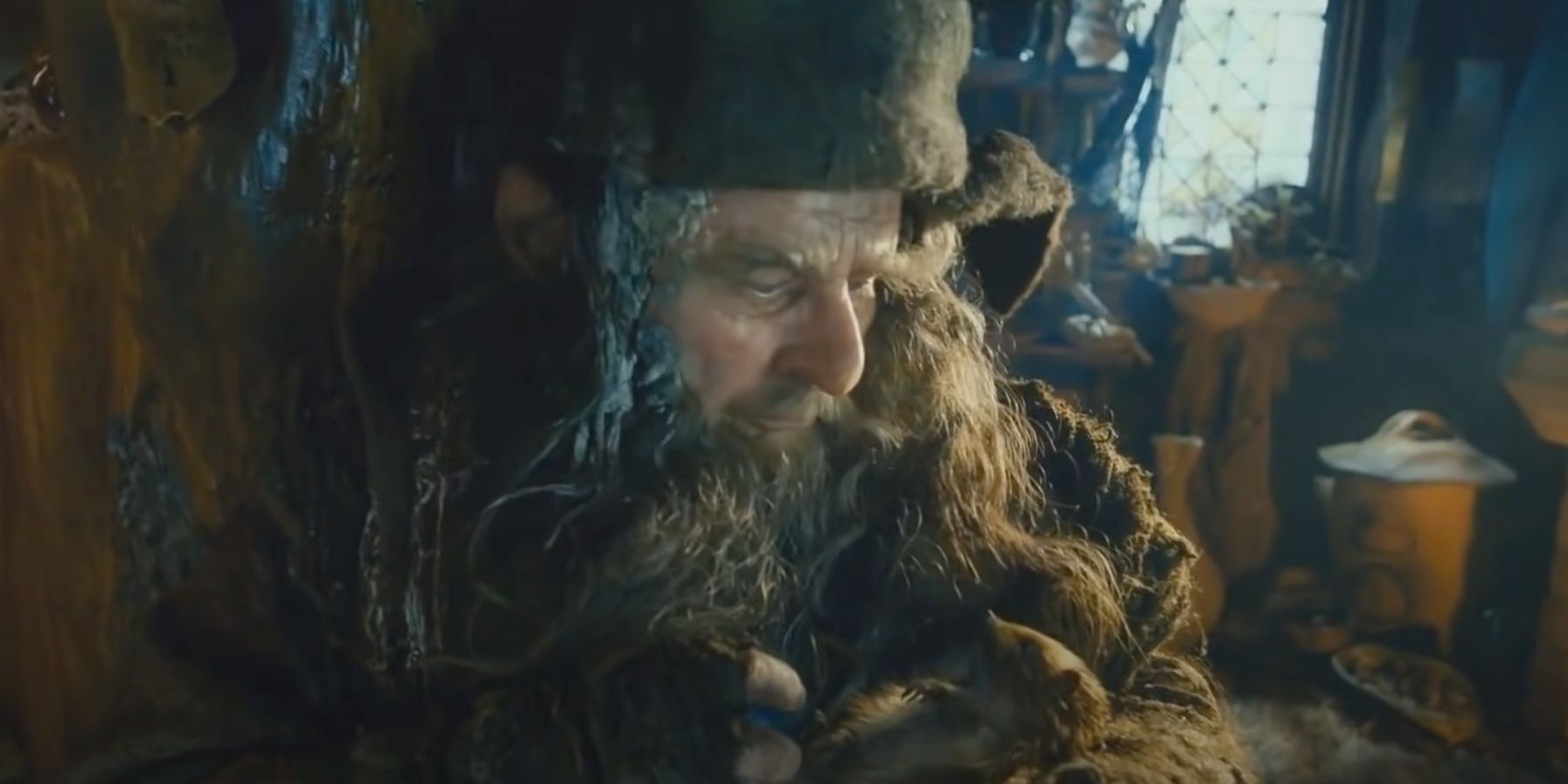
The Anatomy of a Brand Asset: Why Radagast Mattered
When Peter Jackson and New Line Cinema began the process of adapting The Hobbit from a singular children’s book into a massive cinematic trilogy, they faced a significant brand challenge: how to maintain the epic “High Fantasy” tone established by The Lord of the Rings (LOTR) while working with a much lighter source material. The solution was a strategy of aggressive IP expansion.
Diversity in Brand Archetypes
In the original LOTR brand, the “Wizard” archetype was dominated by Gandalf (the guide) and Saruman (the antagonist). To increase the depth of the “Wizarding Brand” within Middle-earth, the strategists reached into the appendices of Tolkien’s work to activate Radagast the Brown. From a brand perspective, Radagast offered a unique “Nature-Centric” sub-brand. He was designed to appeal to a different audience segment—one that valued environmentalism, eccentricity, and a softer aesthetic compared to the militaristic and political themes of the other wizards.
By introducing Radagast, the franchise attempted to diversify its emotional portfolio. He provided comic relief and a bridge to the “natural world” elements of the IP, effectively acting as a brand ambassador for the flora and fauna of Middle-earth. This diversification was intended to broaden the demographic reach of the films, ensuring that the brand didn’t become overly synonymous with just war and jewelry.
Market Differentiation via New IP
Radagast also served a vital function in market differentiation. Because The Hobbit films were competing in a saturated holiday blockbuster market, the production team needed “new” visual hooks that weren’t present in the original trilogy. Radagast’s unique visual identity—his sled pulled by Rhosgobel Rabbits and his bird’s nest-hidden hair—created a distinct visual shorthand for the Hobbit era of the brand. This was a strategic move to ensure the new products (films) were distinct from the legacy products, even while sharing the same universe.
The Dilution of Identity: Where the Strategy Faltered
Despite the initial push to make Radagast a central pillar of the Hobbit marketing campaign, his character eventually became a point of friction within the brand. This friction is a common occurrence when a brand tries to “stretch” too far from its core values.
Balancing Fan Expectations with Modern Marketing
The core Middle-earth brand, as established by the original films, was built on a foundation of “Gritty Realism” and “Ancient Epic” aesthetics. Radagast, as he was portrayed in the films, veered sharply into “Whimsical Fantasy.” This created a brand dissonance.
For the “Hardcore Consumer” (the Tolkien enthusiasts), the portrayal of Radagast felt like a departure from the brand’s promise of historical weight. For the “Casual Consumer,” his presence occasionally confused the stakes of the narrative. When a brand asset creates confusion rather than clarity, its value begins to depreciate. The decision to include bird droppings on the character’s face is a frequently cited example in marketing circles of “Brand Misalignment”—a visual choice that undermined the dignity of the “Istari/Wizard” sub-brand and alienated a segment of the core audience.
The Risks of Over-Extending Sub-Brands
In any brand strategy, there is a risk of over-extension. By making Radagast a significant player in the Hobbit trilogy—placing him in scenes like the investigation of Dol Guldur—the creators were essentially trying to force a secondary asset into a primary role.
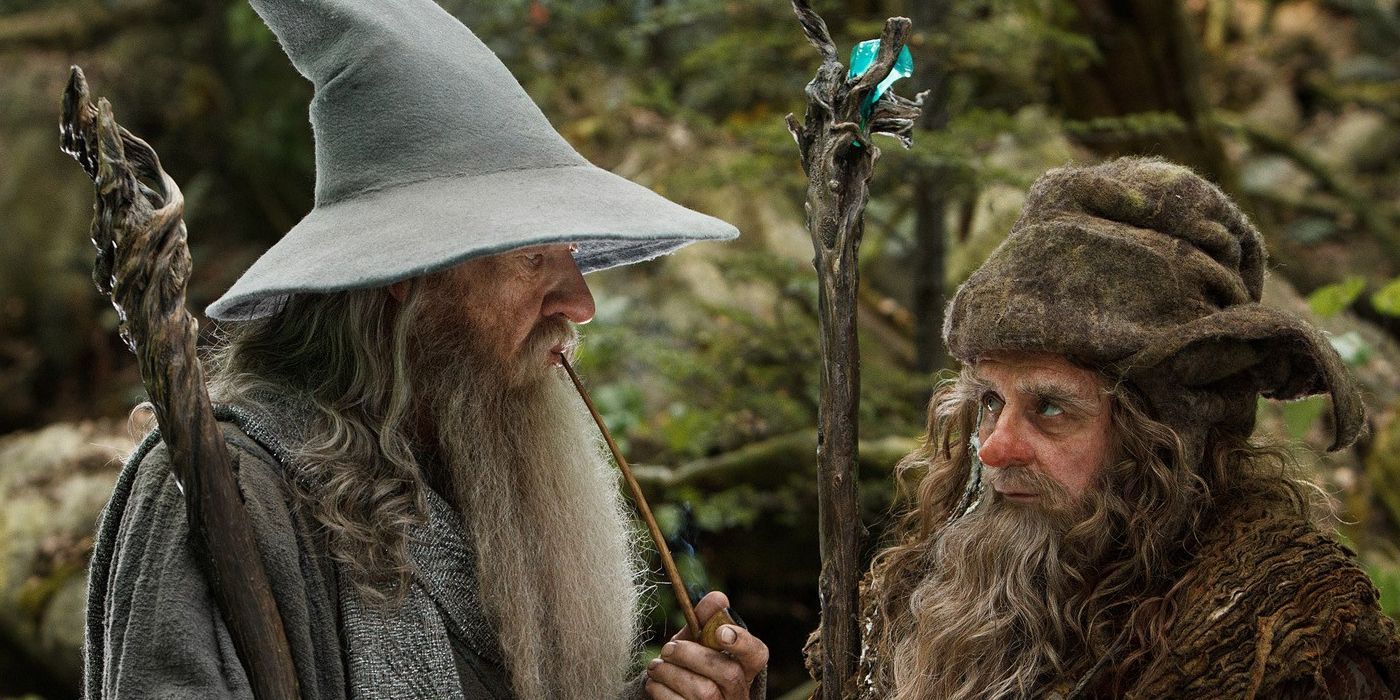
This over-extension meant that the brand had to spend significant “narrative capital” explaining his presence and his departure. When a character or a product feature requires too much explanation to justify its existence, it becomes a liability to the user experience. Radagast’s role became so bloated that it distracted from the core brand promise: the journey of Bilbo Baggins. This led to a strategic re-evaluation of the character’s utility as the trilogy reached its conclusion.
The Disappearance: A Case Study in Narrative De-escalation
The most common question regarding the character is: “What happened to him during the Battle of the Five Armies and the subsequent LOTR timeline?” The answer lies in the concept of “Strategic Sunsetting.”
Auditing Brand Impact vs. Production Costs
As the Hobbit trilogy progressed toward the third film, The Battle of the Five Armies, the brand’s focus shifted back to grand-scale warfare and the setup for the original LOTR trilogy. In this high-stakes environment, the “Whimsical” Radagast asset no longer fit the brand’s tonal requirements.
Furthermore, from a production standpoint, maintaining Radagast required significant investment in CGI (his rabbits, his birds, and his magic). When performing a brand audit, the question is always: “Does this asset provide an ROI that justifies its maintenance cost?” By the third film, the data suggested that Radagast had already served his purpose—he had introduced the threat of the Necromancer and established the wider world. His presence in the final battle was deemed unnecessary for the brand’s “Core Narrative,” and he was quietly removed from the frontline of the marketing and the story.
The Shift Toward Core Competencies
Brands often return to their “Core Competencies” during times of transition. As the franchise moved toward concluding the Hobbit series, the brand managers leaned back into the most reliable assets: Gandalf, Legolas, and the Dwarves. Radagast was relegated to the background, eventually disappearing entirely. This is an example of “Narrative De-escalation”—the process of removing non-essential brand elements to ensure the final product is lean, focused, and aligned with the “Legacy Brand” (LOTR).
In the lore, Radagast simply “remained in the woods,” failing his mission as a Wizard by becoming too obsessed with nature. In brand terms, he remained in the “Niche Category,” failing to transition into a “Legacy Asset” because his brand identity was too specialized and too divisive to survive the transition back to the main franchise line.
Lessons for Modern Brand Managers and Content Creators
The lifecycle of Radagast the Brown offers several critical insights for anyone managing a long-term brand or content strategy.
The “Radagast Effect” in Digital Marketing
The “Radagast Effect” occurs when a brand introduces a loud, eccentric new feature or personality to capture immediate attention, only to find that it doesn’t scale for long-term loyalty. In digital marketing, we see this with “Viral-First” branding. A company might adopt a wacky social media persona to gain followers (the “Whimsical Radagast” phase), but when it comes time to sell a high-ticket, serious service, that persona becomes a hurdle.
The lesson here is to ensure that every new brand asset, no matter how “niche” or “secondary,” shares a DNA with the core brand values. If your core brand is “Prestige,” your secondary assets cannot be “Slapstick” without risking a total dilution of your market position.
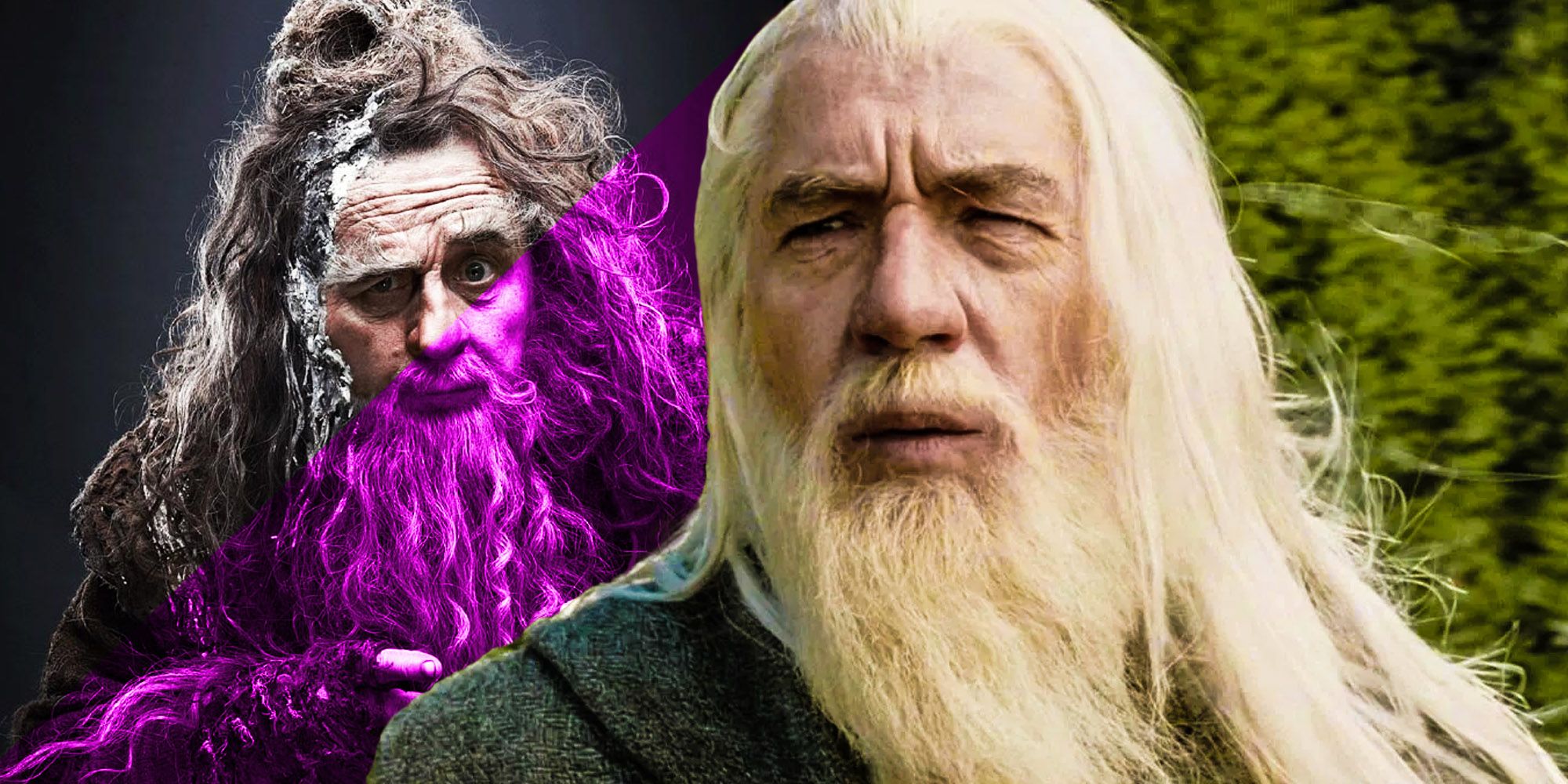
Strategic Sunsetting of Brand Assets
Knowing when to retire a product or a persona is just as important as knowing when to launch one. The decision to leave Radagast out of the Lord of the Rings films (and to minimize him in the final Hobbit film) was a necessary act of “Brand Tidying.”
A bloated brand ecosystem leads to consumer fatigue. By sunsetting the Radagast asset, the Middle-earth franchise was able to refocus on the high-stakes drama of the Ring. For business owners, this means regularly auditing your product line or your content pillars. If a specific “wing” of your brand is no longer serving the primary goal, it is better to let it fade into the “woods” than to force it into a spotlight where it no longer belongs.
Ultimately, what happened to Radagast was a pivot. He was a tool for expansion that became a victim of the brand’s eventual need for consolidation. He remains a fascinating footnote—not just in the history of Middle-earth, but in the history of how modern franchises manage the delicate balance between innovation and legacy.
aViewFromTheCave is a participant in the Amazon Services LLC Associates Program, an affiliate advertising program designed to provide a means for sites to earn advertising fees by advertising and linking to Amazon.com. Amazon, the Amazon logo, AmazonSupply, and the AmazonSupply logo are trademarks of Amazon.com, Inc. or its affiliates. As an Amazon Associate we earn affiliate commissions from qualifying purchases.