
The trajectory of Mark Kerr, once known globally as “The Smashing Machine,” offers one of the most profound case studies in the evolution of personal branding within high-stakes industries. In the late 1990s and early 2000s, Kerr was the personification of dominance in the burgeoning world of mixed martial arts (MMA). However, his story is not merely one of athletic prowess; it is a complex narrative of brand construction, a public identity crisis, and a modern-day strategic resurgence. Understanding what happened to Mark Kerr requires looking beyond the octagon and analyzing how a personal brand can survive total collapse to find a second life in the global media landscape.

The Construction of “The Smashing Machine”: Creating a Dominant Market Identity
In the early days of the UFC and PRIDE Fighting Championships, the “Brand” of an athlete was often reductive, focusing on a single, terrifying trait. Mark Kerr’s entry into the professional fighting world was a masterclass in market positioning. At a time when the sport was moving from “human cockfighting” toward a regulated athletic endeavor, Kerr represented the “Alpha” archetype—a collegiate powerhouse with a physical frame that looked like it was sculpted from granite.
The Power of the Moniker
The nickname “The Smashing Machine” was more than a catchy phrase; it was a brand promise. It signaled to the audience exactly what they would receive: a relentless, efficient, and unstoppable force. From a brand strategy perspective, this was highly effective “niche positioning.” While other fighters were marketed based on their specific disciplines (BJJ, Karate, Boxing), Kerr was marketed as a force of nature. This clarity helped him secure a rapid ascent in both popularity and earning potential during the PRIDE era in Japan, where “larger-than-life” personas were the primary currency of the combat sports market.
Marketability through Athletic Superiority
During his peak, Kerr’s brand was synonymous with invincibility. He won the UFC 14 and UFC 15 heavyweight tournaments with such ease that he became a commodity that every major promotion wanted to own. In branding terms, Kerr was a “Blue Chip” asset. His value was derived from his performance, but his brand equity was built on the aura of mystery and the psychological edge he held over opponents. He was the prototype for the modern heavy-athlete brand—someone who possessed both the technical skill of an Olympic-level wrestler and the aesthetic of a comic book hero.
The Branding Crisis: Vulnerability and the Collapse of the Persona
Every brand faces a “moment of truth” when the public-facing image clashes with internal reality. For Mark Kerr, this occurred during the filming of the 2002 HBO documentary The Smashing Machine. This film remains a pivotal moment in the history of personal branding because it did something almost unheard of at the time: it dismantled a dominant brand in real-time.
The Documentary as a Strategic Pivot
The documentary revealed Kerr’s struggle with an addiction to pain medication—specifically opioids—and the immense psychological toll of maintaining his “unstoppable” persona. From a traditional brand management standpoint, exposing such deep vulnerabilities could be seen as career suicide. It shattered the “Smashing Machine” myth. However, in hindsight, this transparency served a different purpose. It transitioned Mark Kerr from a “Performance Brand” to a “Human Brand.”
By allowing the cameras to capture his lowest points, Kerr inadvertently pioneered the “vulnerability paradox” in personal branding. While his market value as an elite fighter began to decline due to his physical struggles, his value as a narrative subject skyrocketed. The documentary transformed him from a sports figure into a tragic protagonist, ensuring that his name would remain relevant long after his physical prime had passed.
Managing the Fallout of a Public Decline
The years following the documentary were a period of brand “hibernation.” Kerr’s career in the ring faltered as he faced losses and continued health battles. In the world of corporate branding, this is known as the “trough of disillusionment.” For a decade, “Mark Kerr” was a cautionary tale—a brand associated with the dangers of the early, unregulated days of MMA. However, the foundational work of the HBO documentary meant that the public didn’t just see a failed athlete; they saw a man fighting a relatable battle. This human connection is the only reason a brand can survive a total loss of its primary utility (in this case, winning fights).
The Modern Rebrand: From Cautionary Tale to Living Legend

The question of “what happened to Mark Kerr” has taken a dramatic turn in recent years, shifting from a story of decline to one of significant cultural revival. This is not an accident; it is the result of a shift in how legacy brands are managed in the digital age.
Leveraging Nostalgia and Authenticity
As MMA has matured into a multi-billion-dollar global industry, there has been a significant market trend toward “Nostalgia Branding.” Fans who grew up during the PRIDE era now have significant purchasing power, and they view figures like Kerr through a lens of reverence rather than pity. Kerr’s brand has been rehabilitated through guest appearances, retrospective interviews, and his participation in the MMA community as an elder statesman.
By owning his past—both the victories and the addiction—Kerr has built a brand anchored in “Authenticity.” In the modern marketing landscape, authenticity is more valuable than perfection. Kerr does not try to hide the “Smashing Machine” era; he uses it as the “Origin Story” that gives his current perspective weight and authority.
The “Rock” Effect: Scaling a Personal Story into Global Media
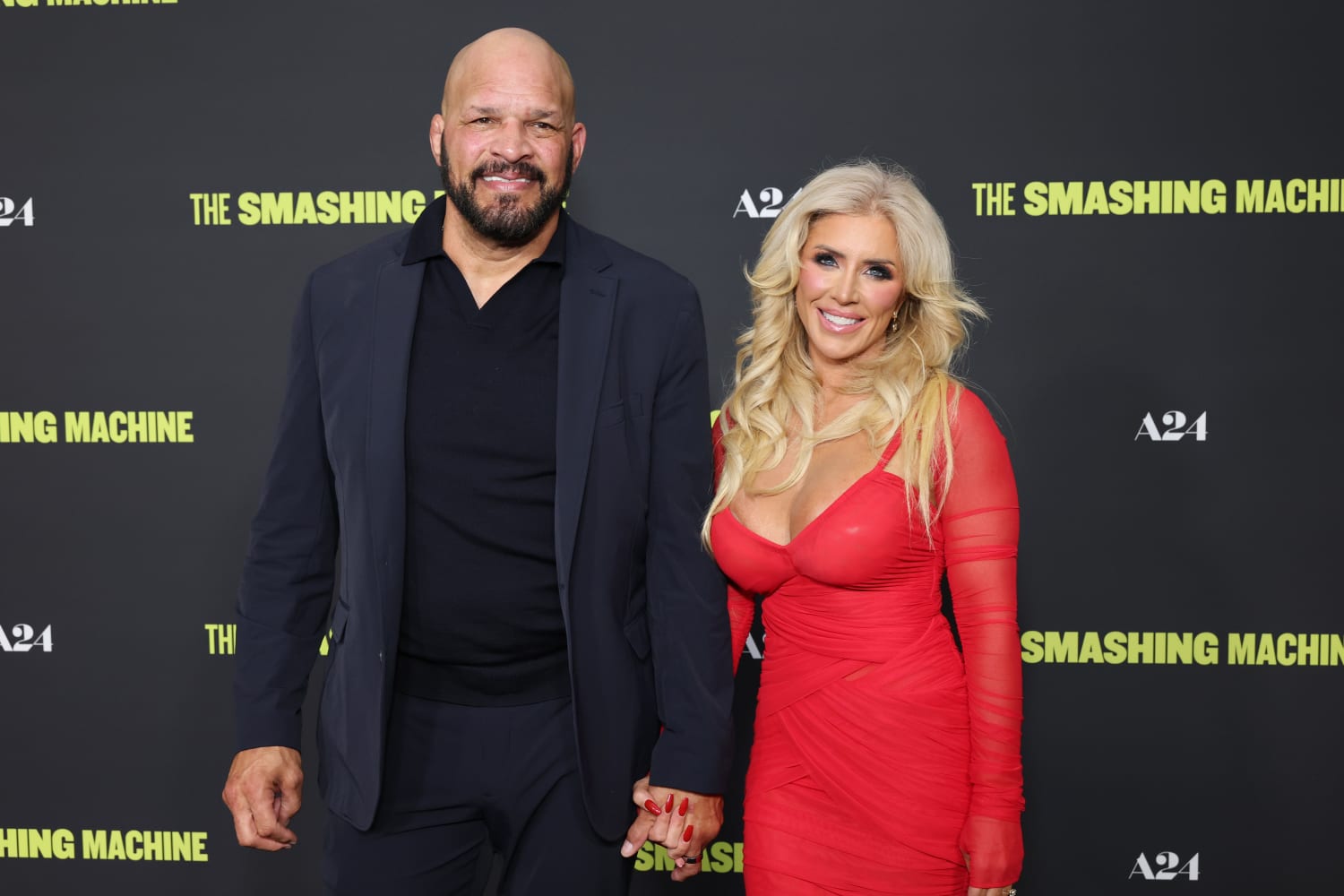
The most significant development in the Mark Kerr brand is the upcoming biopic The Smashing Machine, produced by A24 and starring Dwayne “The Rock” Johnson. This represents the ultimate “Brand Endorsement.” When a global icon like Johnson chooses to portray a specific individual, that individual’s brand is instantly elevated to the highest tier of cultural relevance.
This project represents a strategic “re-packaging” of Kerr’s life for a mainstream audience. It moves his story out of the niche world of combat sports and into the broader category of “Human Resilience.” For Kerr, this is a massive brand expansion. He is no longer just a retired fighter; he is the source material for a major piece of intellectual property (IP). This shift ensures that his legacy is codified in the cultural zeitgeist, effectively “future-proofing” his personal brand for decades to come.
Lessons for Modern Personal Brands: The Kerr Framework
Mark Kerr’s journey offers several critical insights for entrepreneurs, athletes, and professionals looking to build and sustain a personal brand in volatile environments.
1. Sustainability Over Spectacle
Kerr’s early brand was built on “The Smashing Machine”—a spectacle of power. While this was effective for short-term growth, it was unsustainable. The lesson here is that a brand must have a secondary layer of value that isn’t tied solely to “winning” or “performance.” When the performance stops, the brand must have a “Why” that keeps the audience engaged. Kerr’s “Why” eventually became his resilience.
2. Owning the Narrative in the Face of Adversity
Kerr could have hidden his struggles, but by allowing them to be documented, he maintained control over his story. In a crisis, the worst thing a brand can do is go silent. By being the primary source of his own “downfall” narrative, Kerr ensured that he would also be the primary source of his “comeback” narrative. Authenticity is a defensive moat that protects a brand during periods of failure.
3. The Value of Legacy Management
What happened to Mark Kerr is a testament to the power of “Legacy Management.” He transitioned from an active participant in his industry to a consultant and a narrative source. This is a common strategy for high-level executives and athletes: pivoting from the “Doing” phase to the “Legacy” phase. By collaborating with filmmakers and the media, Kerr has ensured that his brand remains active even though he hasn’t stepped into a ring in years.
Conclusion: The Endurance of the Kerr Brand
Today, Mark Kerr is more than a former UFC champion; he is a symbol of the complexities of the human condition under the spotlight. His story is a powerful reminder that a brand is not a static image but a living narrative.
From the calculated dominance of “The Smashing Machine” to the raw vulnerability of his middle years, and finally to the cinematic rebirth he is currently experiencing, Kerr’s journey provides a blueprint for brand longevity. He survived the collapse of his primary identity by leaning into the truth, proving that while championships may fade, a well-told story—and the brand built upon it—can endure forever. The answer to “what happened to Mark Kerr” is not a tale of disappearance, but one of evolution: the transformation of a fighter into a permanent fixture of sports and cultural history.
aViewFromTheCave is a participant in the Amazon Services LLC Associates Program, an affiliate advertising program designed to provide a means for sites to earn advertising fees by advertising and linking to Amazon.com. Amazon, the Amazon logo, AmazonSupply, and the AmazonSupply logo are trademarks of Amazon.com, Inc. or its affiliates. As an Amazon Associate we earn affiliate commissions from qualifying purchases.