
In the modern digital economy, the trajectory of a personal brand can move with staggering velocity. Perhaps no case study illustrates the “hyper-growth to hyper-saturation” cycle more vividly than Gazzy Garcia, known globally as Lil Pump. In 2017, Lil Pump was the vanguard of a new era of marketing—a creature of the attention economy who parlayed viral SoundCloud snippets into a multi-million dollar recording contract before he was old enough to vote.
However, the question of “what happened to Lil Pump” is not merely an inquiry into the whereabouts of a former chart-topping artist; it is a profound examination of brand sustainability, the mechanics of the hype cycle, and the dangers of a brand identity built entirely on the foundation of shock value and repetition. To understand his current market position, we must deconstruct the rise and plateau of his brand strategy.

The Architecture of Virality: How the Lil Pump Brand Was Built
The Lil Pump brand was not an accident; it was a masterclass in minimalist marketing tailored for the Gen Z demographic. At its peak, the brand leveraged three core pillars: repetition, visual distinctiveness, and frictionless consumption.
Minimalist Messaging and the “Mantra” Strategy
From a strategic standpoint, Lil Pump’s breakthrough hit, “Gucci Gang,” functioned more like a corporate jingle than a traditional song. By repeating the brand name “Gucci” scores of times within a two-minute window, he tapped into the psychological phenomenon of the “mere-exposure effect.” The audience didn’t need to appreciate the musicality; they simply needed to recognize the hook. This “mantra” strategy reduced the barrier to entry for new listeners, making his brand identity immediately recognizable across TikTok (then Musical.ly) and Instagram.
Visual Identity and the SoundCloud Aesthetic
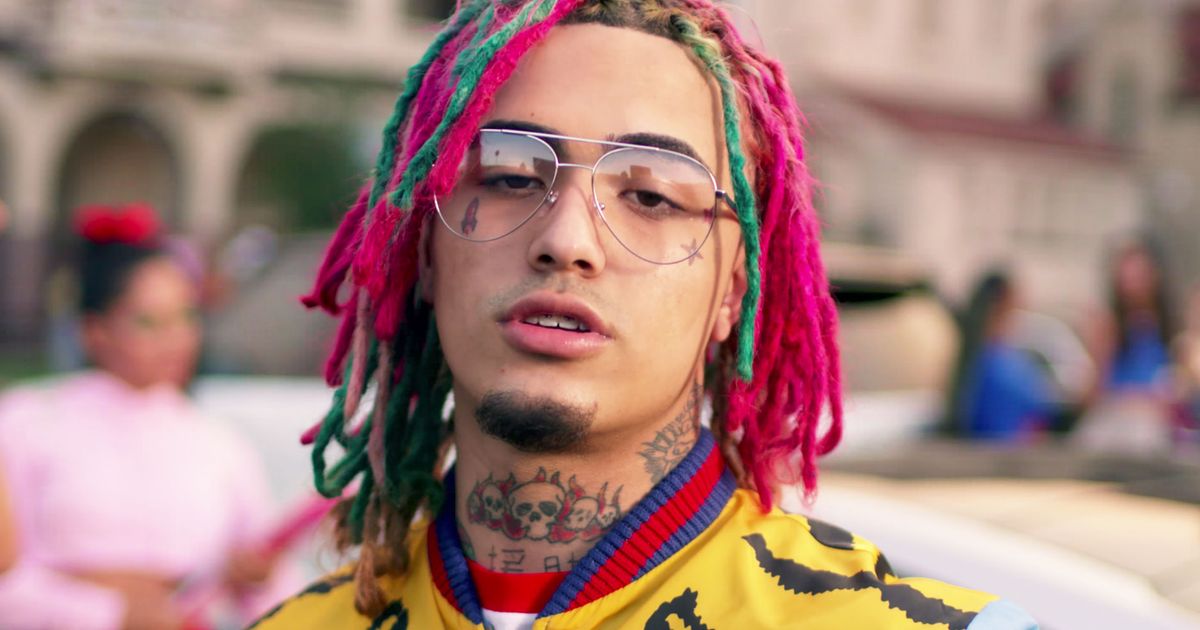
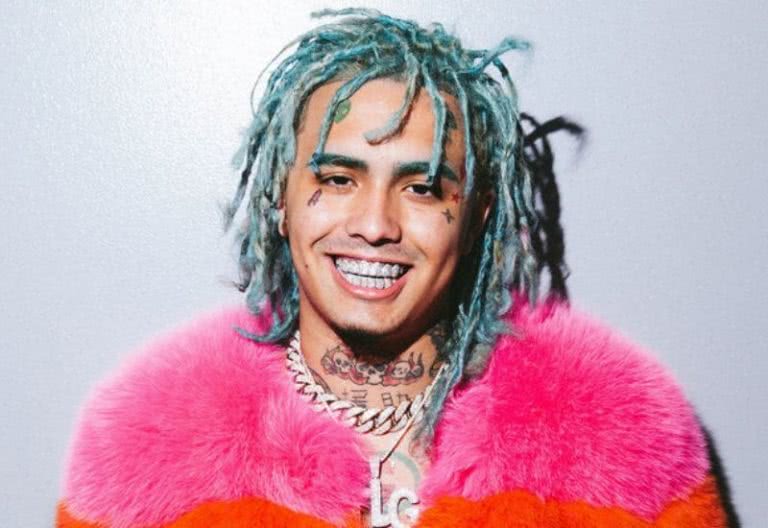
A strong brand requires a distinct visual language. Lil Pump utilized a high-contrast aesthetic—multi-colored dreadlocks, expensive jewelry, and erratic behavior—to ensure that he was unmissable in a crowded social media feed. This was “thumb-stopping” content before the term became a marketing cliché. He successfully aligned himself with the “SoundCloud Rap” subculture, which served as a niche market entry point before he scaled to the mainstream.
Capitalizing on the Peak: The Business of a Digital Persona
By 2018, the Lil Pump brand reached its maximum valuation. This period provides a fascinating look at how personal branding can be leveraged into massive corporate investment, even when the underlying asset—the music—is perceived as ephemeral by critics.
The $8 Million Warner Bros. Gamble
In a move that stunned the industry, Lil Pump signed a contract with Warner Bros. Records reportedly worth $8 million for a single album. From a brand equity perspective, this was a high-risk, high-reward maneuver. Warner wasn’t just buying music; they were buying a direct channel to tens of millions of teenagers. At that moment, Lil Pump’s “reach” and “engagement” metrics were among the highest in the world, giving him immense leverage in negotiations. This contract validated the “clout-based” business model, proving that digital relevance could be converted into traditional liquid capital.
Brand Equity vs. Creative Substance
The challenge with the Lil Pump business model was its reliance on a “static brand.” Unlike artists like Kanye West or Rihanna, who treat their brands as evolving entities, the Lil Pump brand was frozen in a state of adolescent rebellion. While this was highly effective for market penetration, it offered very little in terms of brand “moat” or protection against competitors. Once the novelty of the “Gucci Gang” aesthetic began to wear off, the brand lacked the creative depth to pivot to a more mature or sustainable market segment.
The Saturation Point: Why the Hype Cycle Collapsed
The decline of Lil Pump’s mainstream dominance can be attributed to several fundamental branding failures. In the world of marketing, “brand fatigue” occurs when a consumer is overexposed to a product that fails to innovate.
The Problem with Static Branding
A successful long-term brand must move through a lifecycle: Introduction, Growth, Maturity, and then either Decline or Reinvention. Lil Pump skipped the maturity phase and went straight from growth to decline because his brand was built on a “one-trick pony” premise. The high-energy, repetitive formula that made him a star in 2017 became a liability by 2019. When he released his second major project, Harverd Dropout, the market response was significantly cooler. The brand had reached a saturation point where the target demographic had either grown out of the aesthetic or migrated to newer, fresher iterations of the same archetype (such as 6ix9ine or Lil Nas X).
Controversy Fatigue and the Diminishing Returns of Shock Value
In the early stages of his career, controversy was a strategic tool. Legal issues, public outbursts, and provocative statements served as “earned media,” generating millions of dollars in free publicity. However, there is a point of diminishing returns for shock value. As the audience matures, what was once “rebellious” begins to look “unprofessional” or “dated.” When the shock no longer shocks, the brand loses its primary engine for growth. Lil Pump’s brand struggled to transition from a viral sensation to a respected industry mainstay, a transition that requires a shift from “attention-seeking” to “value-providing.”
Pivots and Reinventions: Navigating Post-Peak Relevance
Recognizing the decline in his traditional music metrics, the Lil Pump brand has undergone several strategic “pivots” in recent years. These moves represent an attempt to find a new “product-market fit” outside of the mainstream music charts.
Political Alignment as a Marketing Rebrand
In late 2020, Lil Pump made a highly publicized appearance at a campaign rally for Donald Trump. From a brand strategy lens, this was a radical attempt at audience re-segmenting. By aligning himself with a polarizing political figure, he effectively “burned” his standing with much of his original hip-hop fan base in exchange for high-intensity engagement from a completely different demographic. While this alienated many, it succeeded in one primary goal: it put his name back into the global news cycle, demonstrating that his brand’s primary commodity is—and always has been—attention, regardless of its source.
Diversifying into Web3 and the Digital Frontier
As the traditional streaming revenue for his music declined, the Lil Pump brand moved into the emerging Web3 space. This included the launch of “PumpCoin” and various NFT (Non-Fungible Token) initiatives. This move was a logical extension of his brand identity; since he was already a digital-native celebrity, moving into digital assets allowed him to monetize his core followers directly, bypassing the gatekeepers of the music industry. However, the volatility of the crypto market mirrored the volatility of his own brand, leading to mixed results.
Lessons in Longevity for Modern Personal Brands
The “What happened to Lil Pump” narrative serves as a cautionary tale for creators, influencers, and brand managers. It highlights several key truths about the modern economy:
- Reach is not Loyalty: Having 15 million followers does not mean you have 15 million customers. Lil Pump had immense reach, but he failed to convert that reach into brand loyalty—the kind that survives changes in trends and musical tastes.
- The Necessity of Brand Evolution: A brand that does not grow with its audience is destined for obsolescence. For a personal brand to last decades, it must successfully navigate the transition from “the new thing” to “the reliable thing.”
- The Attention Trap: Attention is a currency, but it is a depreciating one. If a brand is built solely on capturing attention through shock, it must constantly increase the “dosage” of shock to achieve the same effect, eventually leading to brand burnout.
Today, Lil Pump exists in a space of “legacy virality.” He remains a household name for a specific generation, and his social media presence still commands significant numbers. However, he has transitioned from being a market leader who defines culture to a niche player who reacts to it. His story remains the definitive example of the “SoundCloud Era”—a gold rush of digital branding that proved that while you can buy attention, you cannot easily buy longevity. For modern entrepreneurs, the lesson is clear: build for the decade, not just for the viral moment.
aViewFromTheCave is a participant in the Amazon Services LLC Associates Program, an affiliate advertising program designed to provide a means for sites to earn advertising fees by advertising and linking to Amazon.com. Amazon, the Amazon logo, AmazonSupply, and the AmazonSupply logo are trademarks of Amazon.com, Inc. or its affiliates. As an Amazon Associate we earn affiliate commissions from qualifying purchases.