
In the landscape of global entertainment, few personal brands have experienced a trajectory as volatile or as instructive as that of Jean-Claude Van Damme (JCVD). From his meteoric rise as the “Muscles from Brussels” in the late 1980s to his descent into the purgatory of direct-to-video releases, and his subsequent cultural “renaissance” through self-aware marketing, Van Damme’s career offers a masterclass in brand positioning, market dilution, and strategic pivot.
The question of “what happened” to Jean-Claude Van Damme is not merely a query about his filmography; it is an exploration of how a personal brand adapts when its core value proposition—youthful physicality and high-octane spectacle—collides with the reality of an evolving market and the inevitable passage of time.

The Architecture of an Action Icon: Building the “Muscles from Brussels” Brand
To understand the evolution of the JCVD brand, one must first analyze its initial construction. In the mid-1980s, Van Damme entered a saturated market dominated by the hyper-masculinity of Sylvester Stallone and Arnold Schwarzenegger. To compete, Van Damme needed a Unique Selling Proposition (USP) that differentiated him from the rugged American hero.
Establishing the Visual Signature
Van Damme’s brand was built on a foundation of aesthetic grace combined with lethal efficiency. Unlike the brute force of his contemporaries, Van Damme marketed “the aesthetic of the kick.” His background in karate and ballet allowed him to offer a visual product that was both violent and beautiful. The “split” became his trademark—a visual logo as recognizable as the Nike swoosh. By incorporating this feat into nearly every early production, he created a repeatable brand “moment” that audiences expected and demanded.
Geographic Positioning and the “Exotic” Factor
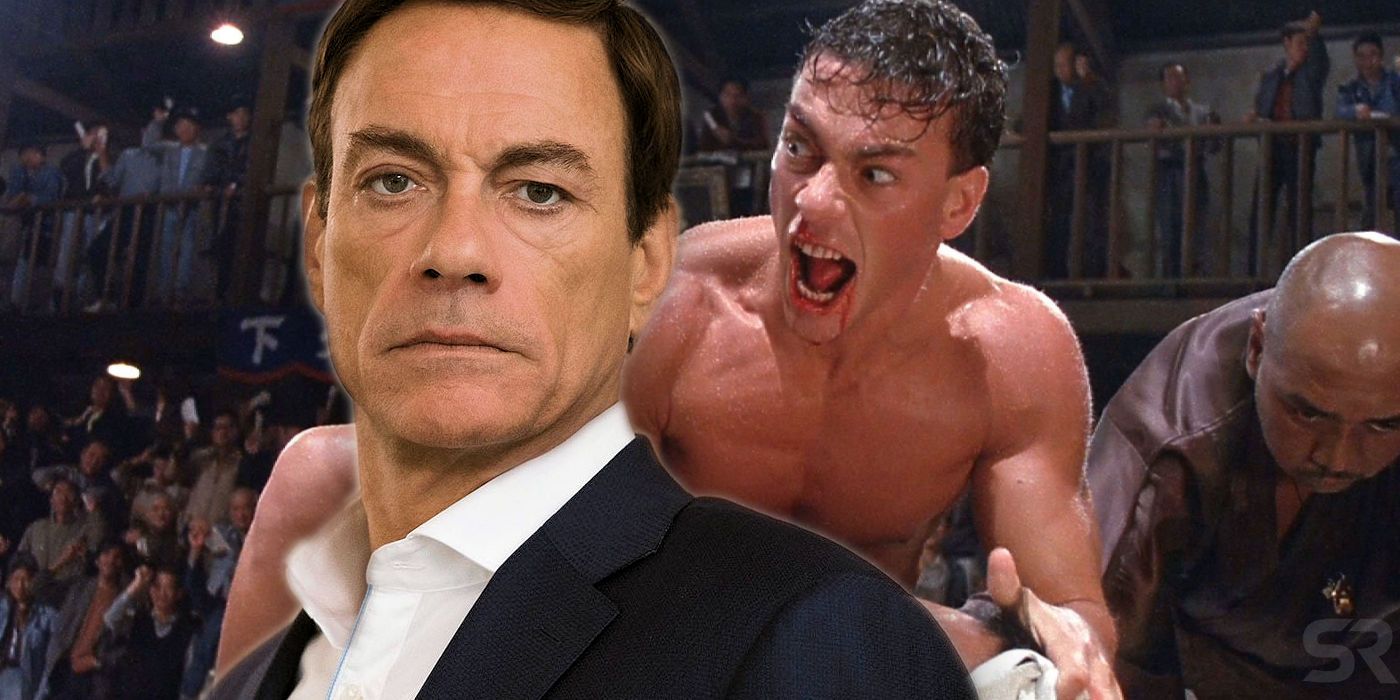
The moniker “The Muscles from Brussels” was a stroke of branding genius. It leaned into his European origins, providing an air of exoticism that separated him from the domestic action stars of the era. This positioning allowed him to capture international markets more effectively, establishing a global footprint early in his career. Films like Bloodsport and Kickboxer were not just movies; they were brand-building exercises that solidified his image as the underdog who wins through technical mastery rather than just raw size.
Brand Dilution and the Direct-to-Video Trap
By the mid-1990s, the JCVD brand reached its peak with films like Timecop and Universal Soldier. However, this peak was followed by a period of significant brand erosion. In the world of brand strategy, dilution occurs when a brand loses its premium status by overextending into lower-quality markets or failing to maintain its core standards.
The Impact of Market Saturation
As the 1990s progressed, the action genre began to shift. The advent of CGI and the rise of the “everyman” hero (epitomized by Bruce Willis in Die Hard) made the traditional martial arts spectacle feel dated. Van Damme’s brand failed to adapt to this shift initially. Instead of evolving the narrative weight of his projects, he continued to produce content that adhered to an increasingly stale formula.
Loss of Premium Positioning
A series of personal struggles and highly publicized professional friction led to a decline in studio confidence. The result was a shift from theatrical releases to the direct-to-video (DTV) market. In branding terms, this was a move from “Luxury/Premium” to “Commodity.” When a brand is no longer associated with the prestige of a theatrical debut, its perceived value drops. For over a decade, the JCVD brand existed in this commodity space, producing high volumes of content that reached a dwindling, niche audience but lacked the cultural impact of his earlier work.
The Pivot to Self-Awareness: The “JCVD” Brand Audit
The turning point for the Van Damme brand came in 2008 with the release of the film JCVD. This was not a traditional action movie; it was a meta-commentary on his own life and career. From a brand management perspective, this represented a “Brand Audit”—a moment of radical honesty and vulnerability that completely reshaped public perception.
Vulnerability as a Brand Asset
In JCVD, Van Damme played a fictionalized, washed-up version of himself. The famous six-minute monologue, delivered in a single take, broke the fourth wall and allowed the audience to see the human behind the action-figure facade. This pivot from “Invincible Hero” to “Vulnerable Human” was a revolutionary move in personal branding. It replaced the tired trope of the martial artist with the depth of a seasoned actor, earning him critical acclaim and reclaiming his status as a “prestige” brand, even if on a smaller, indie scale.

Owning the Narrative
By acknowledging his failures, his aging, and his career missteps, Van Damme took control of his narrative. He moved from being the butt of the joke to the person telling it. This self-awareness is a powerful tool in modern branding; it builds a bridge of authenticity with the audience. Consumers in the digital age are highly sensitive to “manufactured” personas; Van Damme’s willingness to deconstruct his own image made him more relatable and, paradoxically, more iconic.
The Digital Renaissance: The Volvo “Epic Split” and Viral Marketing
If JCVD (2008) restored his critical credibility, the 2013 Volvo Trucks commercial, “The Epic Split,” restored his global commercial relevance. This single piece of marketing content serves as a case study in how to leverage nostalgia while staying technologically and creatively current.
The Power of High-Stakes Minimalism
The commercial featured Van Damme performing his signature split between two reversing Volvo trucks to the tune of Enya’s “Only Time.” It was a perfect convergence of brand values: Volvo’s message of precision and stability mirrored Van Damme’s message of focus and physical mastery. The video went viral, garnering over 100 million views and proving that the JCVD brand still possessed immense “stopping power” in a crowded digital landscape.
Lessons in Content Virality
The success of the Volvo ad highlighted three key elements of modern brand strategy:
- Consistency: He leveraged his most famous brand asset (the split).
- Contrast: The calm, cinematic tone contrasted with the inherent danger of the stunt.
- Cross-Generational Appeal: It appealed to Gen X nostalgia while capturing the attention of Gen Z through its sheer visual audacity.
This moment transitioned Van Damme from a “legacy act” to a “living meme” in the best possible sense—a brand that is both respected for its history and relevant in the current cultural conversation.
Strategic Takeaways for Modern Personal Branding
The evolution of Jean-Claude Van Damme provides several critical insights for anyone managing a personal or corporate brand in a volatile market.
1. Identify and Protect Your Core Asset
Van Damme’s “split” was his logo. Even during his years in the professional wilderness, he maintained the physical capability that defined his brand. Successful brands identify their core “truth” and ensure it remains intact, even as they experiment with different delivery methods.
2. The Necessity of the “Pivot”
No brand can survive forever on its initial momentum. Van Damme’s shift from action star to self-aware actor allowed him to age gracefully. Brands must be willing to “kill” their old selves to stay relevant. For JCVD, this meant moving away from the “tough guy” persona and embracing a more nuanced, reflective identity.
3. Authenticity is the Ultimate Currency
The modern audience values transparency. Van Damme’s resurgence was fueled by his willingness to be seen as he is—older, weathered, but still capable of greatness. In an era of filters and artificiality, an authentic brand story is a powerful differentiator.
4. Strategic Partnerships
The Volvo partnership showed that a personal brand is often best amplified through collaboration with a corporate brand that shares its values. The right partnership can introduce a legacy brand to an entirely new demographic without alienating the core fan base.
Conclusion: The Endurance of the JCVD Identity
What happened to Jean-Claude Van Damme? He didn’t disappear; he evolved. He navigated the treacherous waters of celebrity brand management by surviving the transition from a niche physical performer to a global icon, then to a marginalized commodity, and finally to a respected elder statesman of the action genre.
Today, the JCVD brand stands as a testament to the power of resilience and the importance of narrative control. By leveraging his past, embracing his present, and maintaining a high level of self-awareness, Van Damme has ensured that his brand remains as flexible as his famous splits—capable of stretching across decades without breaking. For marketers and brand strategists, his journey remains a definitive example of how to manage a legacy in the face of a changing world.
aViewFromTheCave is a participant in the Amazon Services LLC Associates Program, an affiliate advertising program designed to provide a means for sites to earn advertising fees by advertising and linking to Amazon.com. Amazon, the Amazon logo, AmazonSupply, and the AmazonSupply logo are trademarks of Amazon.com, Inc. or its affiliates. As an Amazon Associate we earn affiliate commissions from qualifying purchases.