
In the landscape of modern horror gaming, few mysteries have captivated the technical and narrative curiosity of players as much as the disappearance of Glamrock Bonnie from Five Nights at Freddy’s: Security Breach. From a development standpoint, Bonnie represents a fascinating case study in environmental storytelling—a technique where narrative information is conveyed through the digital environment and asset placement rather than direct dialogue. For tech-savvy players and game design enthusiasts, the “Bonnie Mystery” is not just a plot point; it is a masterclass in how developers use “negative space” and asset deprecation to build engagement and lore.

The Architecture of Absence: Environmental Storytelling in Modern Gaming
When Security Breach launched, players immediately noticed a glaring hole in the “Glamrock” lineup. While the series’ staples—Freddy, Chica, and Foxy (represented as Roxy)—were present, Bonnie was replaced by Montgomery Gator. In game development, replacing a core character asset is a significant technical decision. It involves restructuring AI pathing, creating new 3D models, and rewriting environmental triggers.
The decision to make Bonnie “missing” rather than simply non-existent was a deliberate choice in narrative-driven technical design. Instead of deleting Bonnie’s presence from the game’s code, the developers at Steel Wool Studios left “digital breadcrumbs.” This is a form of environmental storytelling where the lack of an asset tells a more compelling story than the asset itself.
The Role of Scripted Triggers and Hidden Logs
Throughout the Mega Pizzaplex, technical logs (collectible text files) provide the framework for the mystery. From a technical perspective, these logs act as non-diegetic data points that guide the player’s investigative flow. One specific log, “Missing,” notes that Bonnie was last seen entering Monty Golf.
This use of localized triggers—linking a character’s disappearance to a specific rendered zone—allows developers to create a forensic experience for the player. By analyzing the “last known coordinates” of a digital entity, players engage in a form of “digital archaeology,” searching through high-fidelity textures and hidden geometry for clues that were never meant to be found in plain sight.
Negative Space as a Narrative Asset
In UI/UX and game design, negative space is usually used to give the eye a rest. In Security Breach, the “Bonnie Bowl” area serves as a massive piece of negative space. The area is functionally operational within the game’s engine but is devoid of its namesake mascot. This creates a psychological “uncanny valley” effect. The presence of Glamrock Bonnie-themed signage and curtains, but the absence of a corresponding animatronic model, forces the player’s brain to fill in the technical gaps, leading to the massive community-driven investigation that defined the game’s early lifecycle.
Technical Forensics: Investigating the Bonnie Bowl Incident
For years, the community engaged in “data mining”—the process of looking through the game’s internal files and Unreal Engine 4 assets to find remnants of Bonnie. This intersection of tech and fandom is a unique phenomenon in modern gaming. Data miners looked for unused meshes, “skeleton” rigs, and voice lines that might indicate a deleted character.
Data Mining and Asset Residue
Initial technical deep-dives into the base game files revealed very little in the way of a functional Glamrock Bonnie model. This led to a technical theory: Bonnie was never intended to be an active NPC (Non-Player Character) in the base game. Instead, he was designed to be a “ghost asset”—a character that exists only in the background lore to facilitate the rise of Montgomery Gator.
However, the “Ruin” DLC (Downloadable Content) changed everything. The technical implementation of the Ruin expansion required a massive overhaul of the Pizzaplex’s lighting, geometry, and asset states (moving from “pristine” to “shattered”). It was within this new technical framework that developers finally placed the Bonnie asset, hidden behind a hidden wall in Bonnie Bowl.
The Anatomy of a Destroyed Model
When players finally discovered Glamrock Bonnie in the Ruin DLC, the technical detail of the model provided the answers players had sought. The model was not a simple reskin of Freddy. It featured:
- Unique Damage Decals: The scratches and impact marks on the casing suggested a specific type of blunt-force trauma, consistent with the “claws” of another animatronic.
- Internal Endoskeleton Realism: The wiring and structural damage were rendered with high-poly detail, indicating that this wasn’t an afterthought, but a meticulously planned piece of digital evidence.
- Lighting and Shaders: The body was placed in a low-light area with specific “bloom” effects on the remaining glowing components, drawing the player’s attention to the chest cavity and the missing eyes.

The Evolution of Character Assets: From Security Breach to Ruin
The transition from the base game to the Ruin DLC highlights an important trend in software iteration: the “Live Service” approach to storytelling. By withholding the Bonnie asset for nearly two years, the developers maintained a level of engagement that a standard character launch could not achieve.
Optimization and Resource Management
One technical reason for Bonnie’s initial absence may have been resource management. Security Breach is a demanding title, requiring significant GPU and CPU overhead to manage the complex AI of the roaming animatronics. Each active character requires:
- Pathfinding meshes (NavMesh): To navigate the complex environment.
- Real-time Ray Tracing: To calculate reflections on their metallic surfaces.
- Collision Detection: To interact with the player and the environment.
By making Bonnie a “static asset” found in the DLC rather than an active AI in the base game, the developers were able to tell his story without further taxing the game’s performance limits during the initial launch.
The Monty Mystery: Asset Swapping as Plot
The technical “takeover” of the Pizzaplex by Montgomery Gator is mirrored in the game’s UI and environment. In the “Monty Golf” section, there is a hidden mini-game where the final hole depicts Bonnie in a trash can while Monty takes center stage. This is a brilliant use of 2D sprite assets within a 3D environment to communicate a “hostile takeover” of digital space. It suggests that, in the game’s “code,” Monty has overwritten Bonnie’s importance.
The Psychology of Mystery in Digital Spaces
The “What happened to Bonnie?” saga demonstrates how modern gaming uses technology to foster community. When a developer leaves a technical mystery unsolved, they are essentially creating a collaborative “Open Source” narrative.
Community Data Analysis
The use of tools like FModel and Ue4Decrypter allowed the community to act as digital detectives. This level of technical engagement is a relatively new frontier in brand loyalty. Fans didn’t just play the game; they analyzed the file structures and directory names (such as searching for “BonnieBroken” or “BonnieDead”).
The developers at Steel Wool Studios were clearly aware of this. By placing the final Bonnie model in a location that required specific technical triggers to access (disabling security nodes in a specific order), they turned a simple “find the secret” quest into a technical challenge that rewarded the most dedicated players.
The Role of Patch Notes and Version Control
Even the patch notes for Security Breach were scrutinized for “stealth updates” related to Bonnie. In the tech world, version control is used to track changes and fix bugs. In the FNAF world, a change in a texture’s file path or a small update to a specific room’s lighting can be interpreted as a clue. This blurred line between “technical maintenance” and “narrative expansion” is what keeps the digital mystery alive.
Conclusion: A Masterclass in Digital Mystery
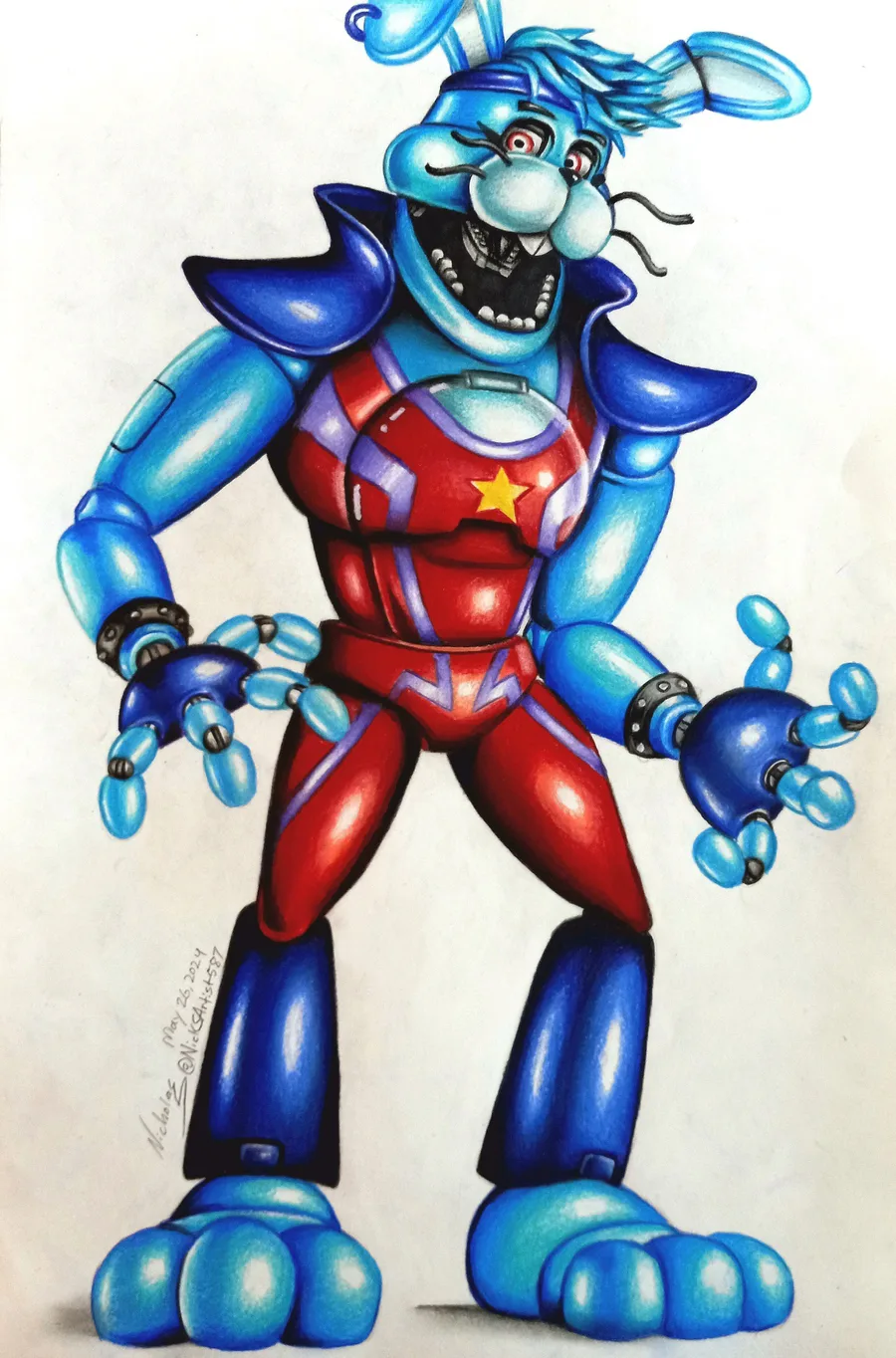
The mystery of what happened to Glamrock Bonnie is a perfect example of how modern game development merges software engineering with narrative depth. Bonnie was not just a character who was written out of a script; he was an asset that was strategically withheld, a set of logs that were carefully placed, and a shattered model that was eventually revealed through a technical update.
Ultimately, the technical evidence found in Security Breach and Ruin points to a dark conclusion: Bonnie was decommissioned by Montgomery Gator, likely under the influence of the “Glitchtrap” virus that compromised the building’s security protocols. However, the true story is found in the way the information was delivered. Through environmental storytelling, data mining, and the clever use of asset deprecation, the developers turned a missing character into the most talked-about technical mystery of the decade.
By leveraging the limitations of game engines and the curiosity of the digital age, the “Bonnie Mystery” proves that sometimes, what isn’t on the screen is just as important as what is. The legacy of Glamrock Bonnie lives on not as a functioning AI, but as a haunting piece of digital evidence within the code of the Mega Pizzaplex.
aViewFromTheCave is a participant in the Amazon Services LLC Associates Program, an affiliate advertising program designed to provide a means for sites to earn advertising fees by advertising and linking to Amazon.com. Amazon, the Amazon logo, AmazonSupply, and the AmazonSupply logo are trademarks of Amazon.com, Inc. or its affiliates. As an Amazon Associate we earn affiliate commissions from qualifying purchases.