
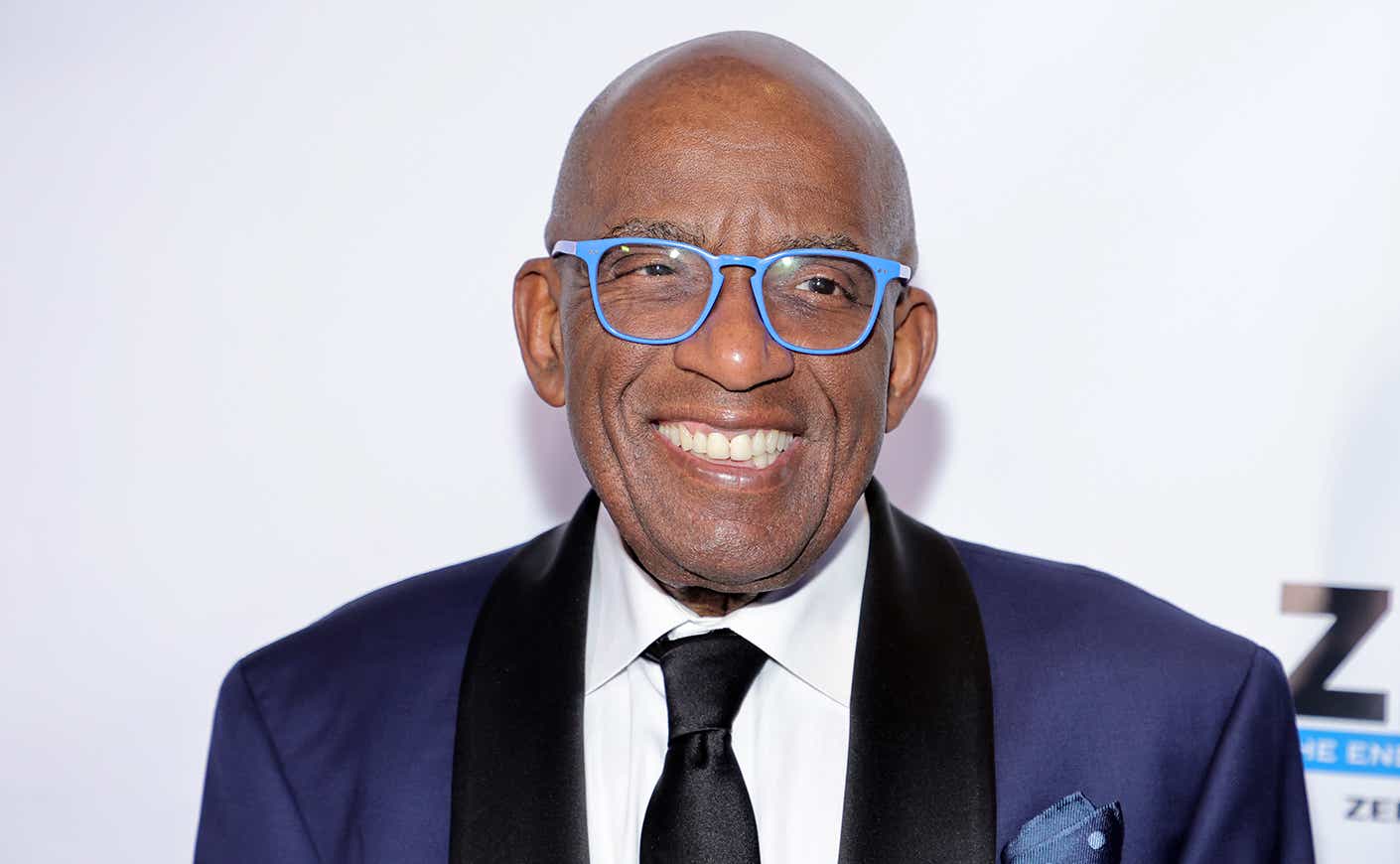
In the volatile world of media and broadcasting, a personal brand rarely maintains its luster for more than a decade. The pressures of shifting demographics, changing technological platforms, and the fickle nature of public interest usually lead to a natural sunset for even the most charismatic figures. Yet, Al Roker has defied these odds, remaining a cornerstone of American morning television for over forty years. When audiences ask “what happened to Al Roker,” they are often referring to his recent health battles, but from a strategic branding perspective, the real story is how he transformed a weather-reporting gig into an unshakeable multi-media empire.

The evolution of Al Roker is not merely a story of career longevity; it is a masterclass in personal branding, crisis management, and strategic adaptation. By examining the trajectory of his public persona, we can uncover the blueprint for building a brand that survives physical absence, industry disruption, and the transition from legacy media to the digital age.
The Foundation of Reliability: Building Brand Equity Through Consistency
Every successful brand is built on a core promise. For Al Roker, that promise has always been reliability. Long before he was a household name, Roker established himself as the “Everyman” of the weather map. In a field that often favored the hyperbolic or the overly academic, Roker’s brand was rooted in accessibility and warmth.
This reliability became the bedrock of his brand equity. Consistency is the most undervalued asset in personal branding. For decades, viewers knew exactly what to expect when they tuned in to the Today show: a jovial presence, a quick wit, and a seamless transition from lighthearted banter to serious reporting. This consistency created a “parasocial relationship” with the audience—a sense of friendship that would prove vital when the brand faced its greatest challenges.
From a brand strategy standpoint, Roker successfully navigated the transition from a “functional” brand (providing the weather) to an “emotional” brand (providing comfort and companionship). By the time he expanded his role within the NBC network, he was no longer just a meteorologist; he was a cultural fixture. This transition allowed him to diversify his “product offerings,” moving into cookbooks, mystery novels, and production, all while maintaining the core identity of the trusted neighbor.
Navigating Crisis: Vulnerability as a Brand Catalyst
In late 2022 and early 2023, the question of “what happened to Al Roker” took on a literal meaning as he disappeared from the airwaves due to a series of life-threatening health complications, including blood clots and internal bleeding. In the world of corporate branding, a sudden “product shortage” or a “service interruption” can be fatal. However, Roker’s team handled this period with a level of transparency that actually strengthened his brand.
Modern branding theory suggests that vulnerability, when managed correctly, increases authenticity. By sharing his journey—not just the triumphs but the grueling recovery process—Roker humanized a brand that had become almost institutional. This period marked a shift from “Al Roker the Icon” to “Al Roker the Human.”
The strategic use of social media during his absence served as a masterclass in brand maintenance. Even when he couldn’t be in the studio, he remained present in the digital space through updates shared by his wife, Deborah Roberts, and his colleagues. This “omnichannel” approach ensured that the brand did not go dark. When he finally returned to the Today show plaza in January 2023, it wasn’t just a news segment; it was a brand “relaunch” that garnered massive ratings and social media engagement. This moment proved that a personal brand, when built on a foundation of genuine connection, can survive—and even thrive—through periods of forced dormancy.
The Multi-Hyphenate Strategy: Strategic Brand Extension

A common mistake in personal branding is over-specialization. If Roker had remained “just the weather guy,” his brand would have been highly susceptible to technological obsolescence. After all, a smartphone can provide a more accurate and immediate forecast than a television personality. To counter this, Roker engaged in a series of strategic brand extensions that diversified his professional portfolio.
Roker Labs and Digital Innovation
Long before legacy media outlets fully embraced digital transformation, Roker founded Roker Labs. This production entity allowed him to experiment with live-streaming, social video, and emerging technologies. By positioning himself as a content creator rather than just a broadcast talent, he ensured his brand would remain relevant to younger audiences who consume media outside the traditional morning time slot.
Literary and Culinary Ventures
The “Al Roker” brand also expanded into the lifestyle sector. His cookbooks and mystery novels served to reinforce his persona as a man of many interests and deep-seated passions. These extensions were not random; they were carefully aligned with his “approachable expert” identity. From a marketing perspective, these ventures allowed him to occupy different physical spaces—bookshelves and kitchens—extending the brand’s reach beyond the television screen.
The Power of the “Rokerthon”
To maintain brand vitality, a personality needs “signature events.” The “Rokerthon”—his Guinness World Record-breaking marathons of weather reporting—served as high-impact marketing stunts that generated earned media and re-energized his fan base. These events emphasized his stamina and his commitment to the audience, further cementing his status as a “force of nature” within the industry.
Digital Transformation: Staying Relevant in a Social-First Era
Perhaps the most impressive aspect of Al Roker’s brand evolution is his seamless integration into the world of social media. Many veteran broadcasters struggle with the informal, rapid-fire nature of platforms like Instagram and TikTok. Roker, however, has embraced them with a sense of playfulness that feels organic rather than forced.
The “what happened to Al Roker” narrative often plays out in real-time on his social feeds. Whether he is sharing his “walking with Al” segments or posting behind-the-scenes glimpses of his morning routine, he is practicing “Radical Transparency.” In the digital age, consumers crave a look behind the curtain. By providing this, Roker has bypassed the gatekeepers of traditional media and built a direct-to-consumer brand.
This digital strategy has also allowed him to maintain his influence during the industry’s shift toward “influencer marketing.” He doesn’t just report the news; he influences lifestyle choices, fitness habits (through his advocacy for walking), and culinary trends. By leveraging his legacy credibility on modern platforms, he has created a cross-generational brand that appeals to both the retirees who watch the morning news and the Gen Z viewers who see his viral clips on their feeds.
Lessons for Modern Branding: The Roker Blueprint
The enduring success of Al Roker provides several critical lessons for anyone looking to build a resilient personal or corporate brand in the 21st century.
- Authenticity is Not a Buzzword: Roker’s brand has succeeded because it is an extension of his true personality. In an era of manufactured “influencers,” audiences have developed a keen sense for inauthenticity. A brand that feels real can weather any storm.
- Adaptability is Mandatory: What happened to Al Roker is that he never stopped evolving. He moved from radio to local TV, to national TV, to digital production, to social media. A brand must be willing to meet its audience wherever they are.
- Community Over Audience: Roker doesn’t just have an audience; he has a community. By engaging with viewers on a personal level and sharing his vulnerabilities, he transformed passive observers into active brand advocates.
- Diversification Protects the Core: By expanding into books, production, and lifestyle content, Roker ensured that his brand was not dependent on a single network or a single role. Diversification is the best hedge against industry disruption.
In conclusion, “what happened to Al Roker” is not a story of decline, but one of remarkable endurance. He has successfully navigated the transition from a niche weather reporter to a global brand icon. Through a combination of unwavering consistency, strategic vulnerability, and digital savvy, Al Roker has built a brand that is not just surviving the current media landscape—it is defining it. His journey serves as a powerful reminder that while platforms and technologies change, the value of a trusted, authentic voice remains constant. For brands looking to achieve longevity, the “Roker Model” offers a definitive guide to staying relevant in an ever-changing world.
aViewFromTheCave is a participant in the Amazon Services LLC Associates Program, an affiliate advertising program designed to provide a means for sites to earn advertising fees by advertising and linking to Amazon.com. Amazon, the Amazon logo, AmazonSupply, and the AmazonSupply logo are trademarks of Amazon.com, Inc. or its affiliates. As an Amazon Associate we earn affiliate commissions from qualifying purchases.