
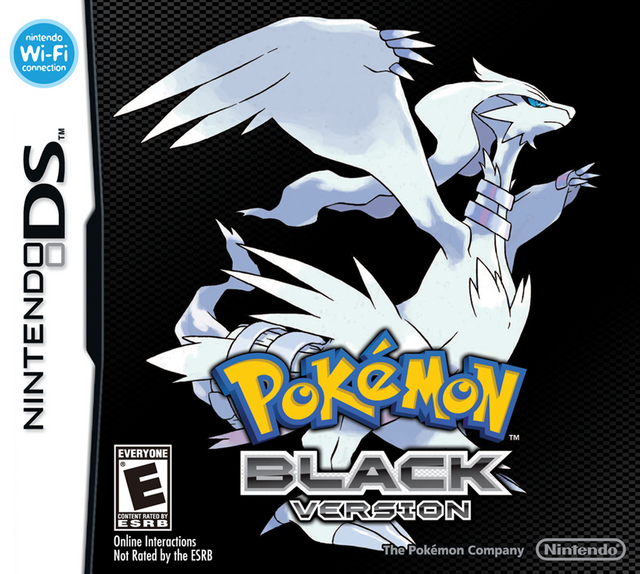
In the sprawling chronology of the Pokémon franchise, identifying the specific generation of a title is more than just a matter of trivia; it is a gateway to understanding the technological evolution of handheld gaming. Pokémon Black and its counterpart, Pokémon White, belong to the Fifth Generation (Gen 5). Released for the Nintendo DS in 2010 in Japan and 2011 worldwide, this era represented a pivotal moment where the series transitioned from its traditional 2D roots into a more complex, tech-forward presentation that pushed the hardware of the time to its absolute limits.
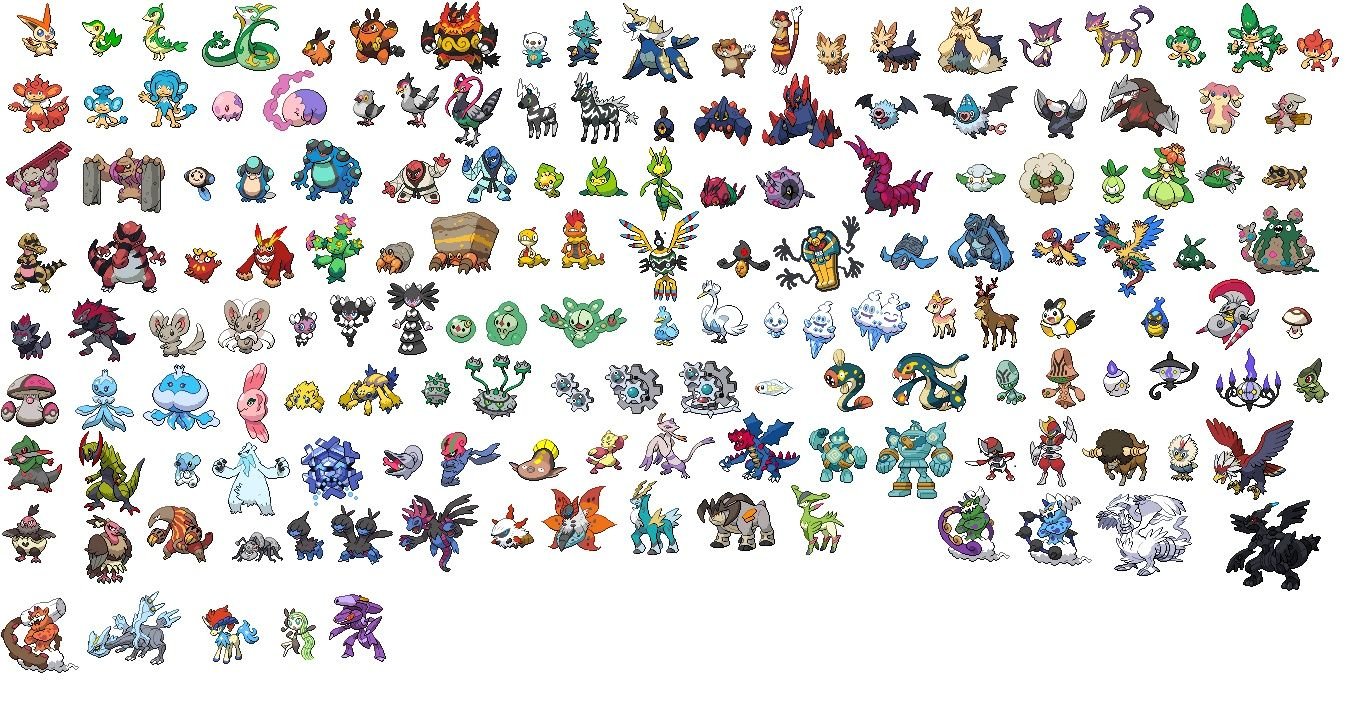
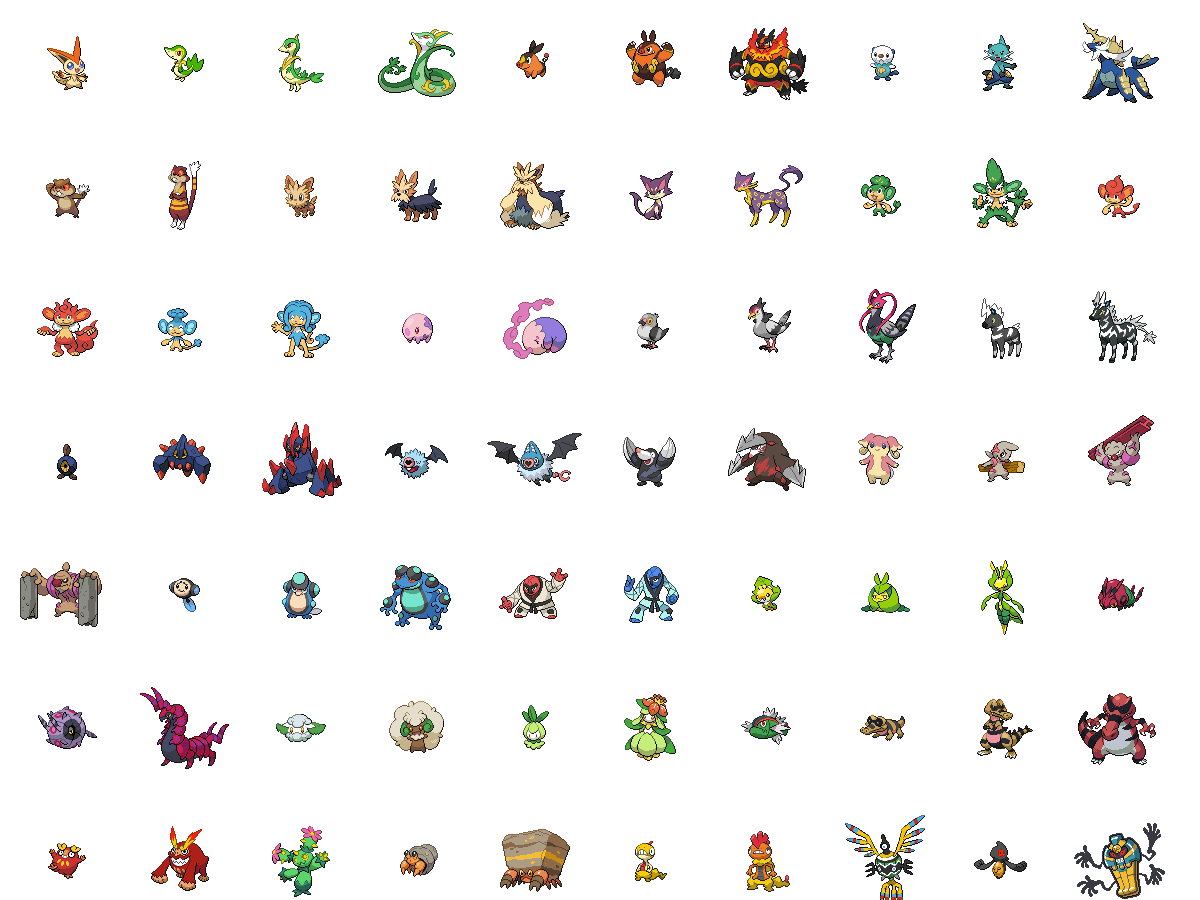
The Fifth Generation was a bold departure for Nintendo and Game Freak. Unlike previous sequels that iterated slowly on existing frameworks, Gen 5 was a complete software overhaul. It introduced 156 new species—the largest addition in the series’ history—and utilized an advanced game engine that prioritized dynamic movement, cinematic camera angles, and sophisticated networking features. To understand why Pokémon Black is classified as Gen 5, one must look at the hardware constraints it overcame and the software innovations it introduced to the digital landscape of the early 2010s.
The Hardware Context: Maximizing the Nintendo DS Architecture
By the time Pokémon Black was released, the Nintendo DS was nearing the end of its commercial lifecycle. However, instead of moving to the then-upcoming 3DS hardware, the developers chose to maximize the potential of the existing DS architecture. This decision forced a masterclass in software optimization.
Pushing the ARM9 and ARM7 Processors
The Nintendo DS operates on a dual-processor system: an ARM9 core clocked at 67 MHz and an ARM7 core at 33 MHz. For Pokémon Black, the developers utilized these processors to handle simultaneous 2D and 3D rendering. While previous generations used static overhead maps, Gen 5 introduced a dynamic “2.5D” perspective. The game’s engine utilized 3D models for buildings and environments while overlaying highly detailed 2D sprites for characters and Pokémon. This hybrid rendering allowed for sweeping camera pans in locations like Castelia City, showcasing a sense of scale previously unseen on the platform.
Sprite Animation and VRAM Management
One of the most notable technical achievements of the Fifth Generation was the implementation of fully animated sprites during battle. In Gen 4, Pokémon sprites were static or featured a brief entry animation. In Gen 5, every creature remains in constant motion. This required a sophisticated approach to Video RAM (VRAM) management. To keep the animations fluid without exceeding the DS’s memory limits, the developers used a “parts-based” animation system, where individual pieces of a sprite (like a tail or a wing) were manipulated independently rather than loading entire new frames for every movement.
Connectivity and Networking: The Dawn of Global Interaction
Pokémon Black was not just a standalone RPG; it was an experiment in integrated digital networking. During the Gen 5 era, the concept of “always-on” connectivity was beginning to take shape in the tech world, and Pokémon Black reflected this trend through its innovative communication features.
The C-Gear and Infrared Integration
The C-Gear was a pervasive user interface element that occupied the bottom screen of the DS. It functioned as a hub for local and global connectivity, utilizing the DS’s built-in Wi-Fi and the game cartridge’s unique infrared (IR) sensor. While previous games required players to visit a specific “Union Room” in-game to trade, Pokémon Black allowed for instantaneous IR trading and battling. This low-latency communication was a precursor to the seamless “street pass” features that would become standard in later hardware generations.
The Pokémon Global Link and Cloud-Based Gameplay
Perhaps the most ambitious tech feature of Gen 5 was the Pokémon Global Link (PGL). This was a web-based platform that allowed players to “upload” their save data to a cloud server. Through a feature called the “Dream World,” players could access a browser-based mini-game on their PCs that would synchronize back to their Nintendo DS. This was an early and successful implementation of cross-platform play between a dedicated gaming handheld and a traditional web browser, showcasing an advanced understanding of data synchronization and remote server management.
Software Innovations and Data Structures
Beneath the visual surface, the Fifth Generation introduced significant changes to the game’s underlying logic and data structures. These changes were designed to balance competitive play and enhance the user experience through smarter algorithms.
Advanced Battle Logic and Weather Effects
The Fifth Generation introduced “Triple Battles” and “Rotation Battles,” which required the game engine to calculate significantly more variables simultaneously. Handling the AI for three opposing Pokémon while tracking complex weather effects (like sandstorms or rain) and “Hidden Abilities” required a more robust logic engine than its predecessors. The data structures for individual Pokémon were also expanded to include these new variables, ensuring that the software could handle the increased complexity of competitive “meta-games.”
Dynamic Audio Engineering
The audio engine in Pokémon Black was equally revolutionary. For the first time, the music was not just a static loop; it was dynamic. When a Pokémon’s health dropped to a critical level, the background music would seamlessly transition into a high-tension arrangement. Additionally, the soundscapes changed based on the player’s movement—such as instruments being added to the melody as the player walked past musicians in-game. This required the DS’s sound chip to manage multiple audio layers in real-time, a technique more commonly associated with high-end console gaming of that era.
The Digital Legacy: Preservation and Emulation in the Modern Era
As we look back at Pokémon Black through the lens of modern technology, its status as a “Gen 5” title is cemented by how it is handled in the world of digital preservation and emulation. The game represents a specific era of software architecture that is both celebrated and challenging to replicate.
The Challenge of Dual-Screen Emulation
For modern tech enthusiasts, Pokémon Black serves as a primary case study for dual-screen emulation. High-fidelity emulators must balance the rendering of the 3D top screen with the touch-sensitive bottom screen. Because Gen 5 used such a unique blend of 2D and 3D assets, it is often used as a benchmark for testing the accuracy of DS emulation software. Achieving “pixel-perfect” rendering for the animated sprites while maintaining the 3D perspective of the environments remains a high bar for software developers in the emulation space.
Community-Driven Server Restoration
The shutdown of the Nintendo Wi-Fi Connection in 2014 theoretically rendered the networking features of Pokémon Black obsolete. However, the tech community responded by reverse-engineering the game’s communication protocols. Today, fan-hosted servers (such as AltWFC and Kaura) allow players to use the original Gen 5 hardware to connect to the internet, trade, and battle. This preservation effort highlights the robustness of the original netcode and the enduring legacy of the Fifth Generation’s digital infrastructure.
Conclusion: Why Generation 5 Still Matters to Tech Enthusiasts
Pokémon Black is more than just a chapter in a long-running series; it is a monument to what can be achieved when software developers push aging hardware to its absolute limit. As a Fifth Generation title, it bridged the gap between the traditional, isolated handheld experience and the modern, connected era of gaming.
From its sophisticated VRAM management and part-based sprite animations to its ambitious cloud-syncing Global Link, Gen 5 was a period of intense technological experimentation. It proved that a game’s “generation” isn’t just defined by its release date, but by the technical hurdles it clears and the innovations it contributes to the broader ecosystem of software development. Whether you are a developer interested in optimization, a hardware enthusiast studying the ARM9 architecture, or a casual player, Pokémon Black remains a definitive example of how technology and creativity converge to create a timeless digital experience.
aViewFromTheCave is a participant in the Amazon Services LLC Associates Program, an affiliate advertising program designed to provide a means for sites to earn advertising fees by advertising and linking to Amazon.com. Amazon, the Amazon logo, AmazonSupply, and the AmazonSupply logo are trademarks of Amazon.com, Inc. or its affiliates. As an Amazon Associate we earn affiliate commissions from qualifying purchases.