
The selection of a pink gemstone is rarely a matter of mere aesthetics; in the world of high-end jewelry and luxury retail, it is a strategic branding decision. Color is one of the most powerful tools in a brand’s visual identity, capable of evoking specific emotions, signaling price points, and carving out a unique niche in a crowded marketplace. When a designer or a corporate entity asks, “What gemstone is pink?” they are often searching for a visual anchor that aligns with their brand equity—whether that is the youthful exuberance of rose quartz or the unattainable prestige of a pink diamond.
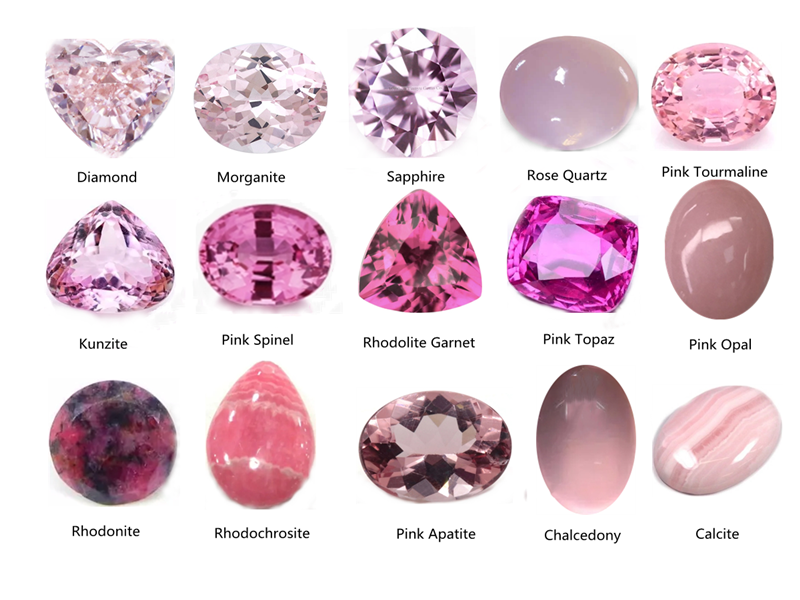
In contemporary brand strategy, pink has transitioned from a gendered cliché into a symbol of sophistication, modernity, and “new luxury.” Understanding which pink gemstone fits a brand’s narrative requires a deep dive into the psychology of color, the economics of scarcity, and the visual language of gemstones.
The Psychology of Pink in Brand Strategy
Color is the first thing a consumer notices about a product, often before they recognize the logo or the craftsmanship. In the context of pink gemstones, the spectrum ranges from the barely-there blush of morganite to the electric vibrancy of pink tourmaline. Each shade carries a distinct brand message.
For luxury brands, pink represents a softer side of power. It suggests an approachability that traditional blue sapphires or colorless diamonds lack. When a brand builds a collection around pink stones, it is often targeting a demographic that values individuality and emotional resonance. This is “aspirational branding” at its most potent.
Pink is also a color of “disruption” in traditional sectors. For decades, the engagement ring market was dominated by white diamonds. By pivoting to pink gemstones, brands like Tiffany & Co. (with their historic championing of Kunzite and Morganite) created a new market segment. They redefined what a romantic commitment looks like, moving away from the “standard” and toward a “signature” look. This shift allows a brand to command premium pricing not just for the material itself, but for the story of the unique identity it confers upon the wearer.
Mapping the Spectrum: From High-Tier Luxury to Lifestyle Branding
To effectively use pink gemstones in branding, one must understand the hierarchy of the stones themselves. Each stone serves a different market segment and communicates a different level of prestige.
The Apex of Prestige: Pink Diamonds
The pink diamond is the ultimate signifier of scarcity. For a brand that positions itself at the absolute peak of the luxury pyramid—such as Graff or Harry Winston—the pink diamond is the crown jewel of their corporate identity. Because of their extreme rarity, particularly following the closure of the Argyle Mine in Australia, these stones are used in branding to communicate exclusivity and investment value. They are not just gems; they are “portable wealth.” A brand that features pink diamonds is signaling that they deal only in the extraordinary, attracting ultra-high-net-worth individuals who view jewelry as an asset class.
The Modern Romantic: Morganite and Rose Quartz
Further down the pricing spectrum, but equally important in brand storytelling, are Morganite and Rose Quartz. Morganite, with its peachy-pink hue, has become the “millennial pink” of the gemstone world. It is heavily used by lifestyle brands and mid-tier luxury houses to appeal to a younger, design-conscious audience. It communicates warmth, femininity, and modern elegance.
Rose quartz, meanwhile, is the stone of the “wellness” brand. Its milky, translucent quality is often associated with holistic living and emotional healing. Brands that focus on “slow luxury” or ethical craftsmanship often utilize rose quartz to align their identity with nature and mindfulness.
The Vibrant Statement: Pink Sapphire and Pink Tourmaline
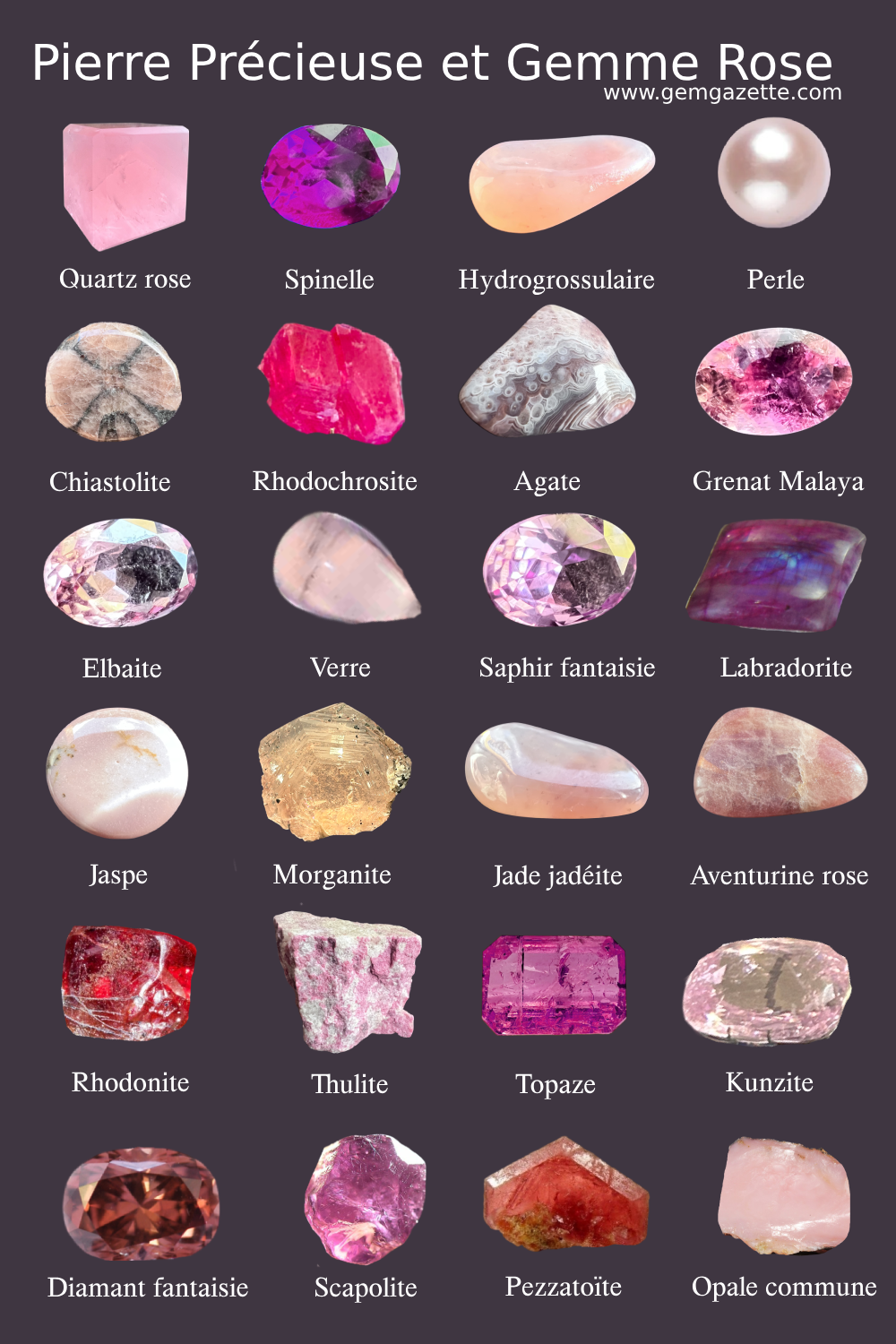
For brands that want to project energy, confidence, and boldness, pink sapphire and pink tourmaline are the stones of choice. Unlike the subtle blush of morganite, these stones offer high saturation. They are “loud” in the best way possible. These gems are frequently used by fashion-forward brands that want to stand out in a digital-first world where high-contrast visuals are necessary for social media engagement. They suggest a brand personality that is courageous, vibrant, and unapologetically feminine.
Case Studies: How Brands Own the Color Pink
Successful branding often involves “owning” a specific visual element so completely that it becomes synonymous with the company name. Several major players in the jewelry and luxury sectors have used pink gemstones to achieve this level of brand recognition.
Tiffany & Co. and the Legacy of Kunzite
While Tiffany is famous for its signature blue, its historical branding is deeply intertwined with the discovery and promotion of pink stones. In the early 20th century, the brand’s chief gemologist, George Frederick Kunz, introduced the world to Kunzite—a delicate lilac-pink stone. By naming the stone after their own expert, Tiffany created a proprietary link between their brand and this specific shade of pink. This move was a masterclass in corporate identity; they didn’t just sell a stone, they sold their authority and their history of discovery.
The Argyle Pink Branding Strategy
The Argyle Mine’s marketing of pink diamonds is perhaps the most successful gemstone branding campaign in history. They didn’t just sell diamonds; they created an entire ecosystem of certification, annual tenders, and “Argyle Pink” branding that made their stones more recognizable than the mine itself. By creating a rigorous grading system specifically for their pinks, they established a brand standard that forced the rest of the industry to follow. This is the “Gold Standard” of gemstone branding: creating a perceived value that far exceeds the physical material through strict controlled distribution and narrative building.
Digital Identity and the Visual Impact of Pink Gemstones
In the digital age, a brand’s visual identity must be optimized for the screen. Pink gemstones possess a unique advantage in this arena. The way light interacts with pink crystal structures—especially in stones like spinel or sapphire—creates a visual “pop” that is highly effective in digital marketing.
Photography and Social Media Branding
For a jewelry brand’s Instagram or Pinterest presence, pink gemstones provide a high-engagement color palette. Pink is statistically one of the most “liked” colors on visual discovery platforms because it feels premium yet accessible. Brands often use the “color story” strategy, where an entire digital campaign is built around a single hue. A series of high-definition macro shots of a pink tourmaline ring can define a brand’s aesthetic for an entire season, communicating a sense of luxury that is tactile and vivid.
UX/UI and Packaging Integration
The branding of pink gemstones extends beyond the stone itself and into the user experience. A brand that specializes in pink sapphires will often integrate those tones into their website’s UI—using subtle rose-gold accents or blush-toned backgrounds to create a cohesive brand universe. This extends to the unboxing experience. The packaging for a pink gemstone piece should reinforce the stone’s identity; for instance, a morganite piece might come in a minimalist, matte-textured box that reflects the stone’s modern, understated elegance.

Building a Niche Brand Around “Pink Scarcity”
For emerging designers and boutique brands, pink gemstones offer a way to carve out a niche in a market often dominated by white diamonds and blue sapphires. The strategy here is “niche specialization.”
By focusing exclusively on pink stones, a brand can position itself as the ultimate authority on that specific category. This involves:
- Curation: Hand-selecting only stones that fit a specific “brand shade,” such as “bubblegum pink” or “vintage rose.”
- Education: Providing the customer with deep insights into the origin and rarity of pink stones, thereby building trust and brand loyalty.
- Ethical Storytelling: Many pink gemstones, such as those sourced from small-scale mines in Madagascar or Sri Lanka, allow brands to build a narrative around “responsible luxury.” In a market where consumers are increasingly concerned with provenance, the “story” of the pink stone is as valuable as the stone itself.
As the luxury market continues to evolve, the answer to “what gemstone is pink” will continue to be a vital part of the brand strategist’s toolkit. Whether it is the high-stakes investment of a pink diamond or the accessible charm of a morganite, these stones are more than just mineral deposits—they are the building blocks of visual identity and the primary colors of the luxury brand landscape. By choosing the right pink gemstone, a brand isn’t just selling jewelry; they are selling a specific vision of the world, defined by the unique emotional and economic power of the color pink.
aViewFromTheCave is a participant in the Amazon Services LLC Associates Program, an affiliate advertising program designed to provide a means for sites to earn advertising fees by advertising and linking to Amazon.com. Amazon, the Amazon logo, AmazonSupply, and the AmazonSupply logo are trademarks of Amazon.com, Inc. or its affiliates. As an Amazon Associate we earn affiliate commissions from qualifying purchases.