
For the discerning property owner, landscaping is far more than a recreational pursuit or an aesthetic hobby; it is a critical component of a real estate asset’s valuation. Industry data consistently suggests that high-quality landscaping can increase a property’s market value by as much as 10% to 15%. However, these financial gains are precarious. In many suburban and rural markets, the primary threat to this “living equity” is not climate change or soil quality, but rather the unchecked browsing of local deer populations.
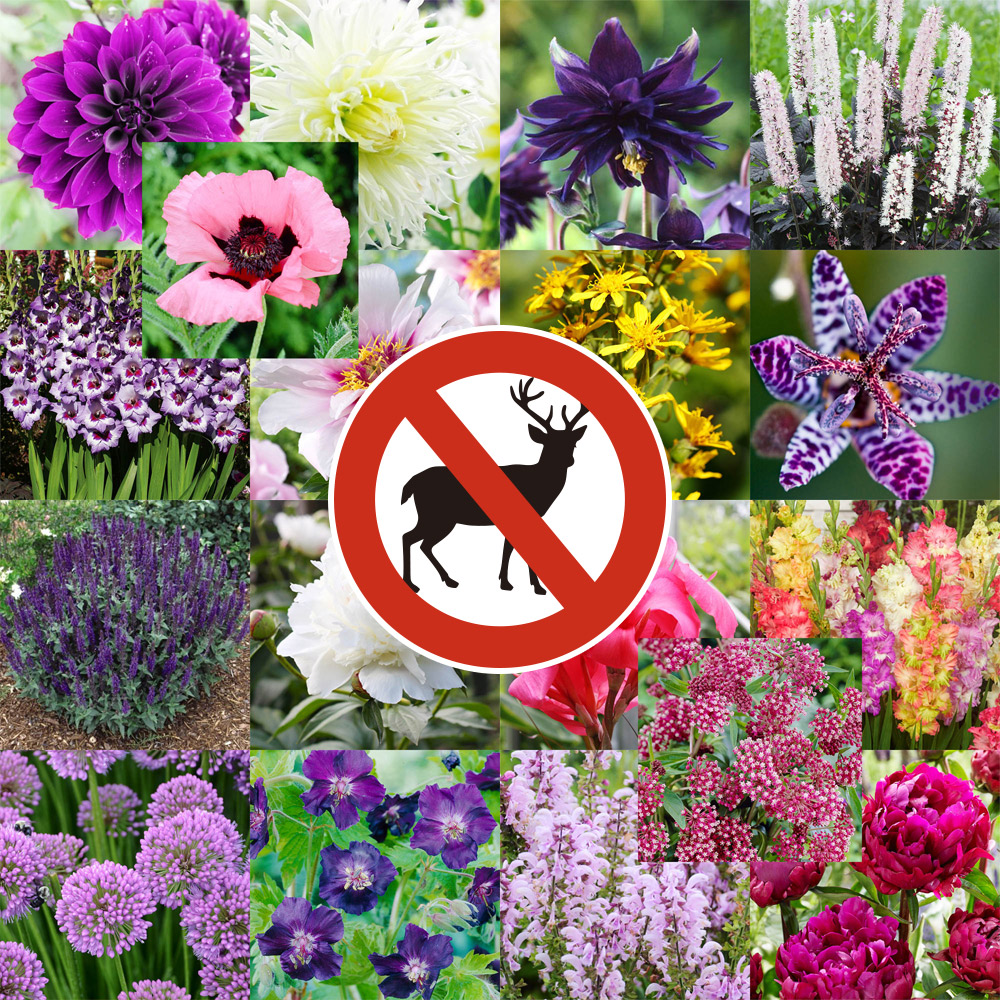
When a deer herd decimate a meticulously curated garden, the loss is not merely visual. It represents a significant hit to the owner’s capital expenditure, involving the cost of the plants themselves, the labor for installation, and the potential degradation of the property’s curb appeal prior to a sale. Understanding which flowers are deer resistant is, therefore, a fundamental exercise in risk management and asset protection. By selecting flora that naturally repels wildlife, investors can ensure a high Return on Investment (ROI) while minimizing the recurring operational costs of replanting and chemical deterrents.
The Economic Impact of Landscape Vulnerability
The financial implications of deer damage extend beyond the price tag of a few replaced shrubs. To truly understand the “money” aspect of deer resistance, one must look at the lifecycle costs of landscaping.
Quantifying the Loss: Replacement Costs and Labor
Every time a deer browses a non-resistant species—such as a Hostas or a Daylily—the property owner incurs a “replacement liability.” If a commercial property or a high-end estate loses $5,000 worth of ornamental flowers in a single season, the true cost is doubled when factoring in the labor required to remove the dead stalks, prep the soil, and install new specimens. Over a ten-year holding period, a garden that is not deer-resistant can cost an investor three to four times its original installation price in maintenance and replacements alone. Choosing deer-resistant flowers shifts this expenditure from a recurring operating expense to a stable, long-term capital improvement.
The Correlation Between Curb Appeal and Property Appraisal
In the real estate market, “first impression” is a quantifiable metric. Appraisers often distinguish between “average” and “excellent” curb appeal, and this distinction can swing a valuation by tens of thousands of dollars. A garden that looks tattered, with chewed-off flower heads and stunted growth, signals to a potential buyer that the property is difficult to maintain. Conversely, a lush, flourishing garden filled with resilient species suggests a high-performance, low-effort asset. For those looking to flip properties or maintain high rental yields, deer-resistant landscaping is a strategic hedge against the depreciation of the property’s exterior.
Strategic Asset Selection: High-Yield Deer-Resistant Flora
Just as a diversified stock portfolio requires a mix of growth and value assets, a resilient landscape requires a variety of deer-resistant species that serve different functional roles. The following categories represent “high-yield” choices for the financially conscious land manager.
Low-Maintenance Perennials for Long-Term Equity
Perennials are the “blue-chip stocks” of the gardening world. You invest once, and they pay dividends year after year.
- Lavender (Lavandula): Lavender is a premier asset for any landscape. Its high fragrance and essential oil content are pleasant to humans but repellent to deer. From a financial perspective, Lavender is drought-tolerant, meaning it also reduces utility costs (water) while maintaining its structure throughout the year.
- Peonies (Paeonia): Peonies are long-lived assets that can thrive for 50 years or more. Because their sap is bitter and their fragrance is intense, deer almost always avoid them. While the initial cost per plant is higher than most annuals, the multi-decade lifespan provides an incredible ROI.
- Bleeding Heart (Lamprocapnos spectabilis): For properties with significant shade—which are often more susceptible to deer—the Bleeding Heart is a vital inclusion. It offers high visual impact with zero “browsing risk,” ensuring that the shaded corners of a property remain an aesthetic asset rather than an eyesore.
High-Impact Annuals as Short-Term Marketing Tools
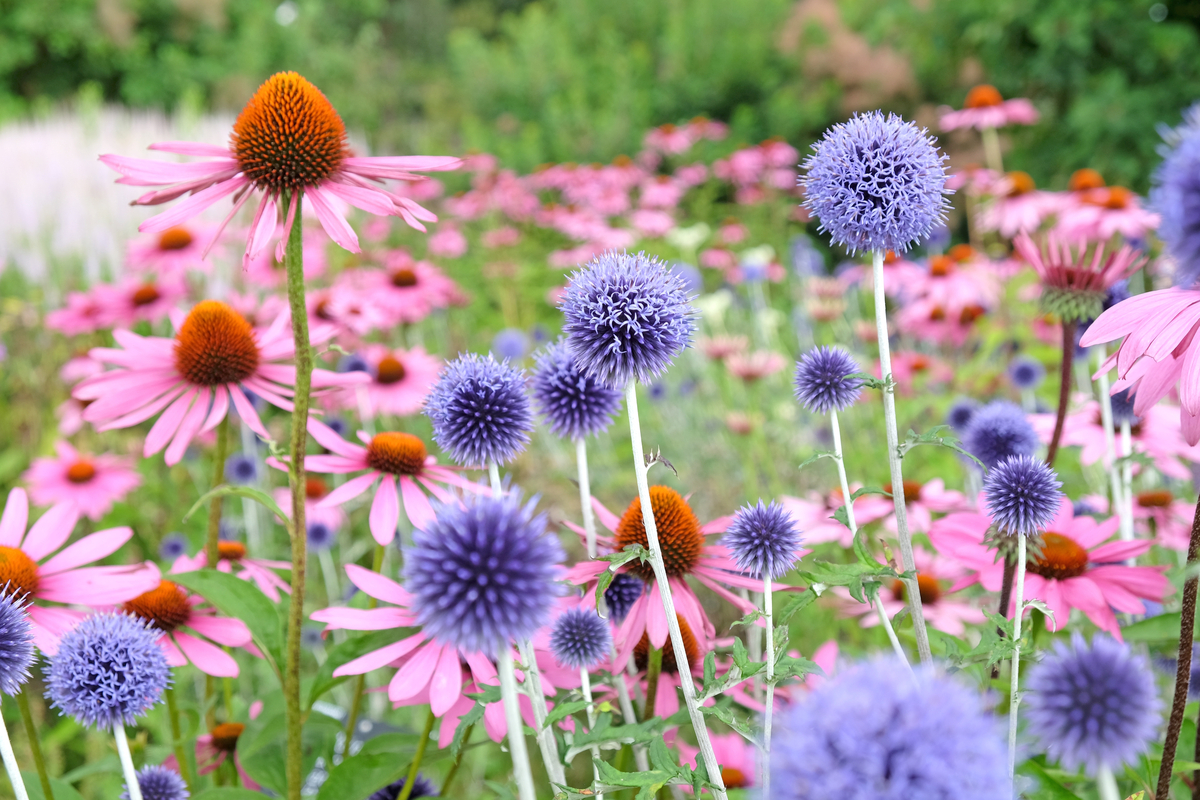
If a property is being staged for sale or lease, annuals provide the immediate “pop” of color needed to close a deal. However, planting deer-favored annuals like Pansies is a waste of capital.
- Marigolds (Tagetes): These are perhaps the most cost-effective deer deterrents in the market. They are inexpensive to purchase in bulk and produce a scent that deer find offensive. They serve a dual purpose as a “biological fence” for more vulnerable parts of the garden.
- Snapdragons (Antirrhinum majus): These provide height and architectural interest. Their complex flower shape makes them difficult for deer to consume, protecting the investment during the peak spring and summer selling seasons.
Bulbs and Tubers: Diversifying the Landscape Portfolio
Early spring is a critical time for property valuation, as the market typically heats up in March and April.
- Daffodils (Narcissus): Unlike Tulips, which are often referred to as “deer candy,” Daffodils are toxic to deer. Investing in Daffodil bulbs is a one-time capital outlay that ensures the property will show well every spring without the risk of the “investment” being eaten before the first open house.
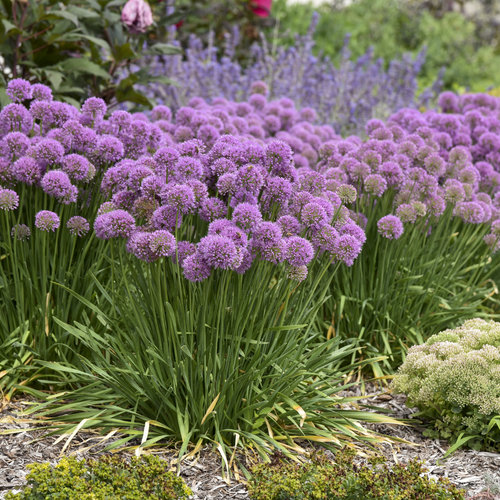
- Alliums: These ornamental onions provide a modern, high-end look that appeals to luxury buyers. Their onion-like scent is a natural repellent, making them a “set-and-forget” asset for contemporary landscape designs.
Risk Mitigation and Cost-Benefit Analysis
In any financial strategy, the goal is to maximize output while minimizing risk. When it comes to deer management, the property owner must choose between “hard” and “soft” mitigation strategies.
Hardscape vs. Softscape: Optimizing Capital Expenditures
A professional-grade deer fence can cost between $20 and $50 per linear foot. For a large estate, this can easily reach a $20,000 to $40,000 capital expenditure. While effective, it often detracts from the visual openness of the property and may require zoning permits.
In contrast, “softscaping” with deer-resistant flowers is an operational strategy that avoids the high upfront cost of fencing. By selecting plants that deer naturally dislike—those with fuzzy leaves (like Lamb’s Ear), thorny stems, or strong scents—the owner creates a “virtual fence.” This approach keeps the property’s sightlines open (preserving views, which have their own monetary value) while achieving the same level of protection as a physical barrier.
Integrated Pest Management (IPM) as an Operational Strategy
For commercial property managers, the use of deer-resistant flora is a key part of Integrated Pest Management. Reducing the reliance on chemical sprays (repellents) lowers the labor cost associated with landscaping crews. Most deer repellents must be reapplied after every rainstorm, leading to unpredictable spikes in maintenance billing. By transitioning to a palette of deer-resistant flowers, the property manager stabilizes the maintenance budget, moving from a reactive “defense” posture to a proactive “resilience” posture.
The Future of Commercial Landscaping and Asset Resilience
As urban sprawl continues to push residential and commercial developments into historically wild areas, the density of deer populations in managed landscapes is rising. This environmental shift is forcing a change in how professional landscapers and developers approach their budgets.
In the future, “Deer-Resistant Certification” or similar designations may become a standard for high-end residential communities, similar to how LEED certification impacts commercial building values. A landscape that is “built to last” against local fauna is a more sustainable and profitable asset.
For the individual investor or homeowner, the message is clear: do not treat your garden as a peripheral expense. Treat it as a portfolio of living assets. Every choice, from the Peonies at the entryway to the Lavender along the walkway, should be viewed through the lens of durability and value retention. By prioritizing deer-resistant flowers, you are not just planting a garden; you are auditing your property’s exterior to ensure it remains a robust, high-value component of your financial net worth.
In summary, the transition to deer-resistant landscaping is an exercise in fiscal responsibility. It protects the initial investment, reduces ongoing maintenance liabilities, and ensures that the property’s market value remains insulated from the unpredictable variables of the local ecosystem. Whether you are managing a single-family home or a multi-million dollar commercial plaza, the strategic selection of resilient flora is one of the simplest ways to secure the long-term ROI of your real estate holdings.
aViewFromTheCave is a participant in the Amazon Services LLC Associates Program, an affiliate advertising program designed to provide a means for sites to earn advertising fees by advertising and linking to Amazon.com. Amazon, the Amazon logo, AmazonSupply, and the AmazonSupply logo are trademarks of Amazon.com, Inc. or its affiliates. As an Amazon Associate we earn affiliate commissions from qualifying purchases.