
When analyzing the demographic of Beverly Hills, the conversation often centers on the glitz and glamour of Hollywood. However, from a professional financial perspective, the presence of high-profile individuals—from Jeff Bezos and Taylor Swift to Leonardo DiCaprio and Ellen DeGeneres—is less about celebrity culture and more about strategic asset allocation. In the world of high-net-worth (HNW) investing, Beverly Hills represents more than just a zip code; it is a “trophy asset” class that serves as a hedge against inflation and a cornerstone of complex wealth management strategies.

Understanding why the world’s wealthiest individuals congregate in the “Platinum Triangle” (Beverly Hills, Bel Air, and Holmby Hills) requires a deep dive into the economics of luxury real estate, the tax advantages of primary residencies, and the sophisticated financial structures used to manage these multi-million dollar holdings.
The Economics of the Zip Code: Why Ultra-High-Net-Worth Individuals Choose 90210
The decision for a billionaire or an A-list celebrity to purchase property in Beverly Hills is rarely an emotional one. It is a calculated move within a broader personal finance framework. Real estate in this region has historically demonstrated a remarkable level of resiliency, even during broader market downturns.
Real Estate as a Safe Haven Asset
In periods of market volatility or high inflation, ultra-high-net-worth individuals (UHNWIs) seek “safe haven” assets. Unlike the stock market, which can fluctuate based on quarterly earnings or geopolitical shifts, Beverly Hills real estate offers a tangible store of value. The scarcity of land in the 90210 area creates a natural supply cap, ensuring that demand consistently outstrips availability. For a mogul like Jeff Bezos, who reportedly spent $165 million on the Warner Estate, the purchase is a way to diversify a portfolio heavily weighted in tech equities into a stable, appreciating physical asset.
The “Halo Effect” on Property Valuation
In finance, the “halo effect” refers to the tendency for an impression created in one area to influence opinion in another. In Beverly Hills, the “celebrity premium” is a quantifiable financial metric. When a world-famous person lives in a neighborhood, the surrounding property values often see a correlated increase. This makes the area an attractive target for speculative investors and developers who look to “flip” properties by banking on the prestige of the neighboring residents.
Strategic Asset Allocation: Real Estate as a Pillar of Celebrity Wealth
For the modern celebrity, their brand is their business. However, their long-term financial security is built on the foundation of diversified investments. Beverly Hills real estate often represents a significant percentage of a celebrity’s net worth, serving as both a primary residence and a long-term investment vehicle.
Portfolio Diversification and Liquidity
While real estate is generally considered an illiquid asset, Beverly Hills is an exception within the luxury market. The global demand for these properties means that, despite the high price tags, the “days on market” for a well-priced estate are often lower than in other luxury markets. For an investor like Jay-Z or Beyoncé, holding a $90 million home provides a massive collateral base. This equity can be leveraged through private banking services to secure low-interest loans for other business ventures or side hustles, such as launching a new brand or investing in a tech startup.
The Appreciation Trajectory
Historical data suggests that luxury real estate in the Platinum Triangle appreciates at a rate that often outpaces standard residential benchmarks. Investors look at the “comp” (comparable) sales in the area to project future ROI. When we see a star like Adele purchasing a property previously owned by Sylvester Stallone, we are witnessing a transfer of a high-value asset that has likely appreciated by double digits since its last acquisition. This long-term capital gain is a vital component of wealth preservation across generations.
The Financial Infrastructure of Privacy: Protecting Assets and Identity

The “who’s who” of Beverly Hills is often obscured by a complex web of financial tools designed to protect the privacy and the balance sheets of the residents. Famous people do not typically buy homes in their own names; instead, they utilize sophisticated business finance structures.
The Use of Blind Trusts and LLCs
To manage personal security and financial privacy, most celebrity homes are held within Limited Liability Companies (LLCs) or blind trusts. From a financial management perspective, this serves two purposes. First, it shields the individual from direct personal liability. Second, it obscures the purchase price and ownership details from the public eye, which is essential for maintaining the “brand” without exposing the underlying financial mechanics. Professional wealth managers and family offices specialize in setting up these structures to ensure that a purchase in Beverly Hills remains a private financial move rather than a public spectacle.
Capital Expenditures and Property Maintenance
Maintaining a $20 million or $50 million estate is a business in itself. The operational costs—ranging from high-end security systems to specialized landscaping and staff—are significant capital expenditures. However, for a high-earning individual, these costs are often factored into the “cost of doing business.” Furthermore, if a portion of the home is used for professional purposes—such as a recording studio for a musician or a home office for a CEO—there may be significant tax deduction opportunities under current IRS guidelines for business use of a home, provided the financial reporting is handled with precision.
Market Volatility and the Resiliency of the Platinum Triangle
A common question in personal finance is whether a luxury home is a “money pit” or a “gold mine.” In Beverly Hills, the answer is heavily weighted toward the latter, primarily due to the unique market dynamics of the area.
Resilience Against Economic Cycles
During the 2008 financial crisis and the more recent economic shifts following the global pandemic, the ultra-luxury market in Beverly Hills showed a distinct decoupling from the mid-market housing trends. While the average American homeowner may struggle with fluctuating interest rates, many buyers in Beverly Hills are “all-cash” buyers. This removes the dependency on mortgage rates and creates a market that is driven by global wealth rather than local credit conditions. For an investor, this lack of correlation with the broader housing market is a powerful tool for risk mitigation.
The Rental Market for HNWIs
Another overlooked aspect of the money moves in Beverly Hills is the high-end rental market. Many famous people own multiple properties and will lease their Beverly Hills estates for six-figure monthly sums. This transforms a residential asset into a source of passive income. A property that might sit vacant while a star is filming on location can generate upwards of $150,000 per month, covering its own carrying costs and contributing to the owner’s cash flow.
Wealth Management and the Legacy of Beverly Hills Holdings
The ultimate goal of many famous residents in Beverly Hills is the creation of generational wealth. Real estate is one of the most effective vehicles for estate planning and the transfer of wealth to heirs.
Step-Up in Basis and Estate Taxes
For the ultra-wealthy, the “step-up in basis” rule is a critical financial concept. When an individual passes away and leaves a Beverly Hills property to their heirs, the “cost basis” of the property is reset to its current market value. This can save the family tens of millions of dollars in capital gains taxes if the property is eventually sold. Wealthy families use these high-value estates as “anchors” for their estates, ensuring that their descendants inherit a robust and appreciating financial foundation.
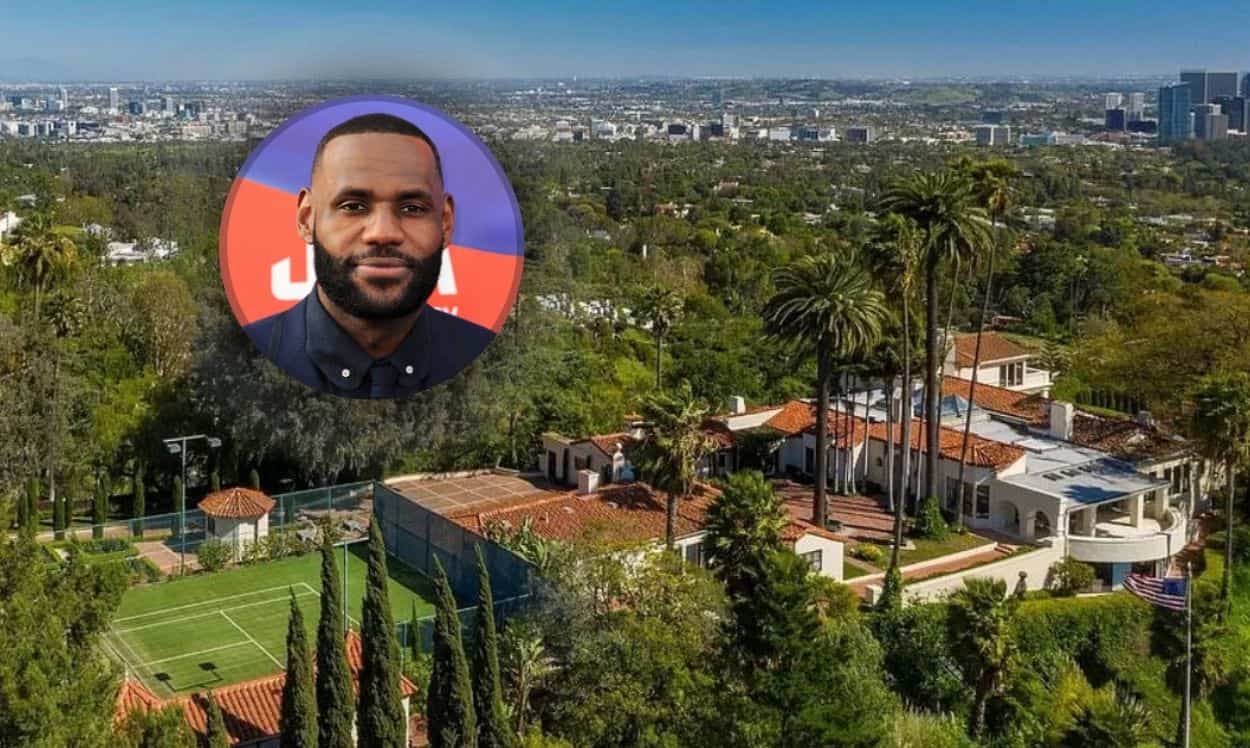
Real Estate as a Branding Tool
In the niche of personal branding, a Beverly Hills address functions as a “credential.” It signals a specific level of financial success to the market, which can, in turn, lead to more lucrative business deals, endorsements, and partnerships. In this sense, the money spent on a home in Beverly Hills is an investment in the individual’s “brand equity.” It provides the social proof necessary to operate at the highest levels of global business and entertainment.
In conclusion, while the public may focus on the names of the famous people who live in Beverly Hills, the true story is found in the financial strategies they employ. From the use of LLCs for privacy to the leveraging of equity for further investment, a Beverly Hills home is a sophisticated tool for wealth creation, preservation, and expansion. For the A-list resident, 90210 is not just an address—it is one of the most strategic line items on their balance sheet.
aViewFromTheCave is a participant in the Amazon Services LLC Associates Program, an affiliate advertising program designed to provide a means for sites to earn advertising fees by advertising and linking to Amazon.com. Amazon, the Amazon logo, AmazonSupply, and the AmazonSupply logo are trademarks of Amazon.com, Inc. or its affiliates. As an Amazon Associate we earn affiliate commissions from qualifying purchases.