
In the traditional landscape of corporate identity, the concept of “winging it” was once considered the ultimate cardinal sin. For decades, brand strategy was synonymous with meticulous five-year plans, rigid style guides, and advertising campaigns that were storyboarded months—if not years—in advance. However, as the digital ecosystem has accelerated the pace of consumer interaction, the definition of “winging it” has undergone a radical transformation. In the modern branding niche, to wing it is no longer an admission of being unprepared; rather, it is the sophisticated application of agile marketing and real-time engagement.

When we ask what it means to wing it in a professional brand context, we are discussing the strategic shift from static planning to dynamic responsiveness. It is the ability of a brand to pivot its voice, capitalize on a cultural moment, or address a crisis without waiting for a series of committee approvals. This agility has become a competitive necessity in an era where social media trends have a half-life of mere hours.
The Evolution of Improvisation: From Chaos to Strategy
To understand how “winging it” became a legitimate tactical approach, one must look at the shift in consumer expectations. Modern audiences value authenticity and immediacy over polished, corporate perfection. In this environment, a brand that is too scripted often appears out of touch or robotic.
Defining “Winging It” in a Corporate Context
In brand strategy, “winging it” refers to the practice of real-time marketing (RTM). This does not mean operating without a compass. Instead, it involves having a deeply ingrained understanding of the brand’s core identity so that the marketing team can make split-second decisions that remain “on-brand.” It is the difference between a jazz musician improvising over a structured chord progression and a novice making random noise. The professional brand “wings it” by leveraging its established values to react to the world in real-time.
The Shift from Rigid Calendars to Real-Time Engagement
Historically, brands operated on a “push” model. They pushed their message out to a passive audience according to a strict media calendar. Today, branding is a conversation. If a brand waits two weeks to get a legal sign-off on a witty response to a trending topic, the opportunity for engagement has vanished. “Winging it” in this niche means empowering frontline creators—social media managers, community directors, and PR specialists—to act as the living voice of the brand. This decentralization of authority is the hallmark of an agile brand strategy.
The Risks and Rewards of Brand Spontaneity
The allure of “winging it” lies in its potential for massive organic reach. When a brand successfully inserts itself into a cultural conversation with a spontaneous and clever contribution, the resulting “brand lift” can far exceed that of a multi-million dollar television buy. However, the stakes are equally high; a poorly executed moment of spontaneity can lead to a PR disaster.
High-Reward Scenarios: The Oreo “Dunk in the Dark” Moment
The gold standard for strategic improvisation remains Oreo’s response to the 2013 Super Bowl blackout. When the lights went out at the stadium, Oreo’s team—who were gathered in a “war room” ready for anything—tweeted a simple graphic: “You can still dunk in the dark.” This wasn’t part of a pre-approved media plan. It was “winged” in the sense that it was created and published in minutes. The result was a viral sensation that defined the era of real-time branding. It proved that being fast and relevant is often more valuable than being expensive and slow.
The Dangers of Unfiltered Brand Voices
Conversely, “winging it” without a framework can lead to significant brand equity loss. We have seen numerous instances where brands attempted to jump on a trending hashtag without understanding its context, often resulting in insensitive or offensive content. This occurs when the “winging it” mentality is applied without a deep understanding of the brand’s “Guardrails.” Effective spontaneity requires a filter. Without it, the brand risks appearing opportunistic or, worse, tone-deaf to social issues.
Building a Framework for Controlled Improvisation
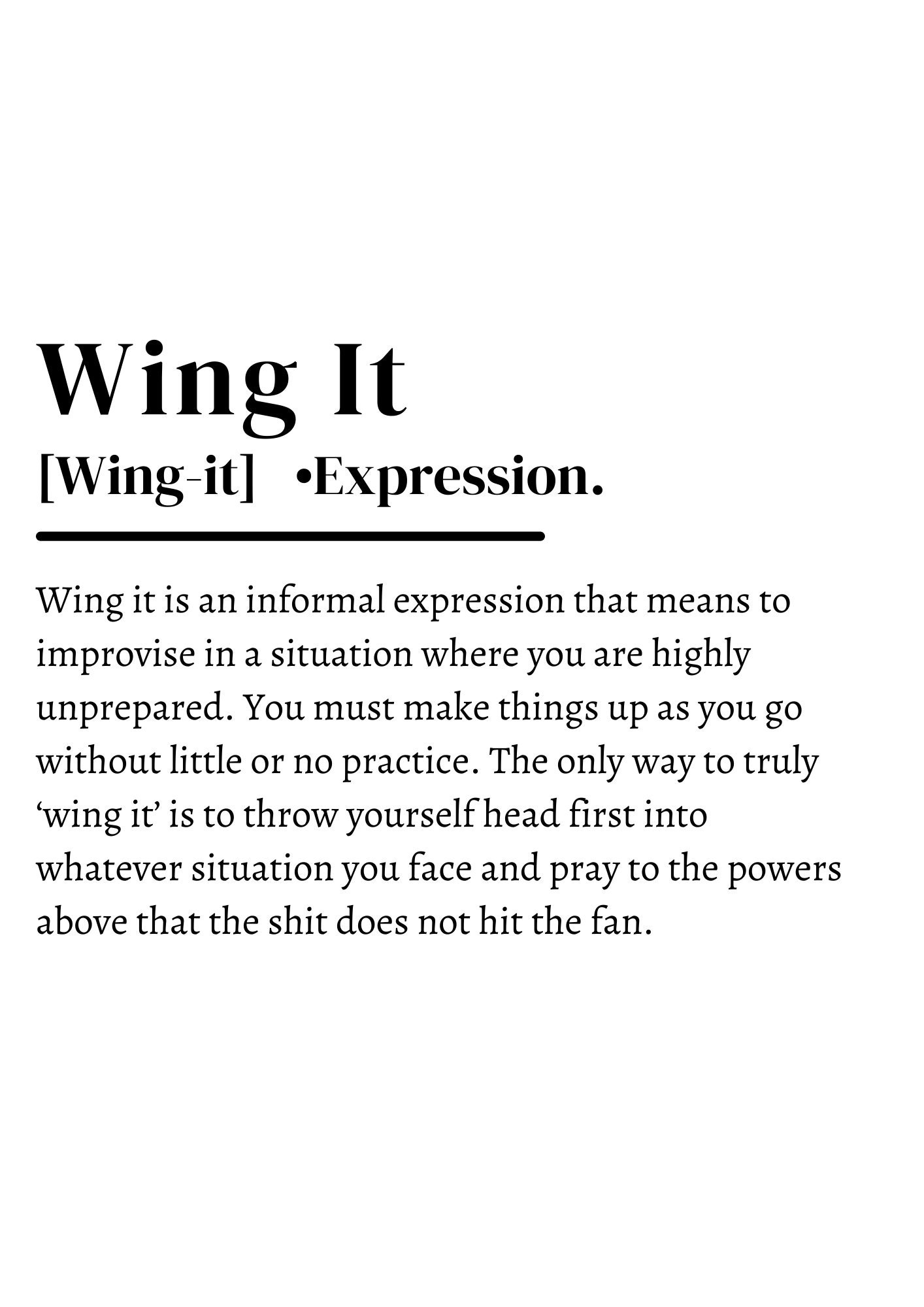
How does a professional brand strategy incorporate “winging it” without descending into chaos? The answer lies in the creation of a “Playbook for the Unplanned.” This framework ensures that even when the team is improvising, they are doing so within the boundaries of the brand’s identity.
Establishing Core Brand Values as Guardrails
The most important step in successful brand improvisation is defining what the brand will never do. These are the guardrails. For example, a brand may decide that while it will engage in humorous banter, it will never comment on politics, religion, or sensitive social tragedies. By establishing these hard boundaries, the team knows exactly where they can play. When they “wing it,” they are operating within a pre-defined sandbox, which minimizes risk while maximizing creative freedom.
Empowering the Frontline: The Trust Component
You cannot have an agile brand if every tweet requires a CMO’s signature. To “wing it” effectively, a company must build a culture of trust. This involves hiring specialists who not only understand marketing but are also deeply immersed in the brand’s psychology. These individuals must be empowered to make calls in real-time. The brand strategy moves from “approval-based” to “principle-based.” Instead of asking “Is this approved?” the team asks “Does this align with our brand principles?”
Tools and Mindsets for Successful Real-Time Branding
Strategic improvisation is as much about the tools as it is about the talent. To “wing it” successfully, a brand must have its finger on the pulse of the digital world at all times.
Social Listening: The Foundation of Spontaneity
You cannot react to what you do not hear. Social listening tools are the “radar” for brands looking to master the art of “winging it.” These tools allow brand managers to monitor keywords, sentiment, and emerging trends in real-time. By identifying a conversation early, a brand can position itself at the center of the narrative rather than trailing behind it. This proactive monitoring is what allows “spontaneous” moments to feel so perfectly timed.
Content Iteration and the “Minimum Viable Message”
In the tech world, there is a concept known as the Minimum Viable Product (MVP). In brand strategy, this translates to the Minimum Viable Message (MVM). Instead of spending weeks perfecting a single piece of content, agile brands release “micro-content” to see how the audience reacts. They “wing” the initial engagement, observe the data, and then double down on what works. This iterative process allows for a more organic development of the brand’s voice, shaped by actual consumer interaction rather than theoretical personas.
Future-Proofing Your Brand Through Adaptability
As we look toward the future of brand strategy, the ability to “wing it” will likely become the primary differentiator between market leaders and also-rans. In an age of AI-generated content and hyper-automation, the human element of a brand—its ability to be witty, empathetic, and present in the moment—will be its most valuable asset.
Why Authenticity Requires a Degree of “Winging It”
Consumers are increasingly savvy at detecting “manufactured” authenticity. They know when a brand’s post has been through ten layers of legal review. There is a certain “raw” quality to spontaneous content that resonates on a deeper psychological level. It signals that there are real people behind the logo. By allowing for a degree of improvisation, a brand demonstrates that it is confident enough in its own identity to speak without a script. This confidence builds trust, and trust is the ultimate currency of brand equity.
The Balance Between Planning and Presence
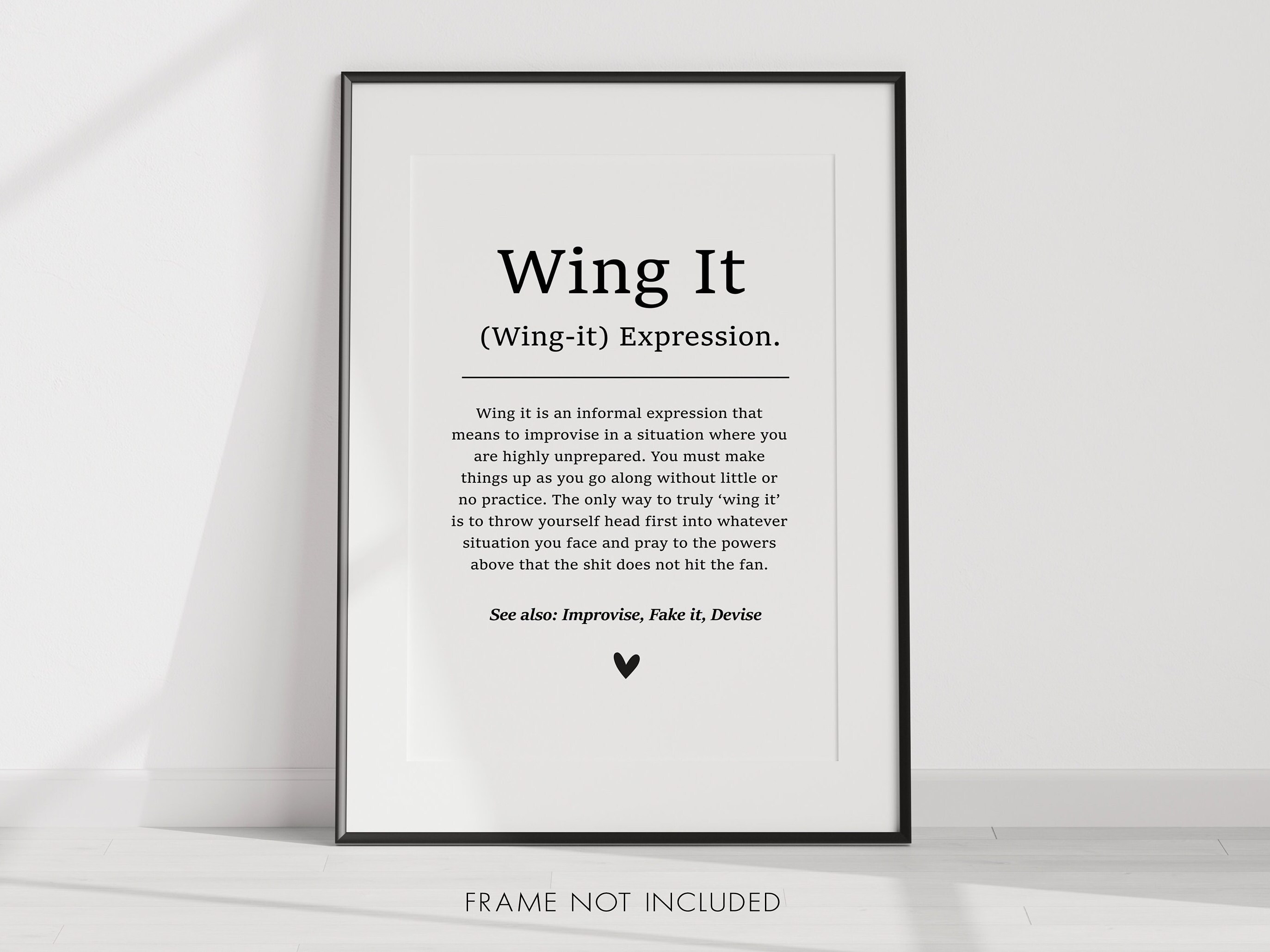
Ultimately, the question of “what does wing it mean” in branding is answered by the balance between planning and presence. A brand must have a solid foundation—a clear mission, a defined visual identity, and a consistent core message. But it must also have the presence of mind to step away from the script when the situation calls for it.
The future belongs to the “Liquid Brand”—an entity that is firm in its values but fluid in its execution. These brands do not just survive the chaos of the modern marketplace; they thrive in it. They understand that while a plan is a useful starting point, the most impactful brand moments are often the ones that were never written down in the annual strategy deck. To wing it, in this professional sense, is to be fully alive in the marketplace, ready to turn any moment into a brand-building opportunity.
aViewFromTheCave is a participant in the Amazon Services LLC Associates Program, an affiliate advertising program designed to provide a means for sites to earn advertising fees by advertising and linking to Amazon.com. Amazon, the Amazon logo, AmazonSupply, and the AmazonSupply logo are trademarks of Amazon.com, Inc. or its affiliates. As an Amazon Associate we earn affiliate commissions from qualifying purchases.