
For most individuals, a vehicle represents the second-largest financial investment of their lifetime, trailing only behind real estate. Unlike a home, however, a car is a rapidly depreciating asset that requires meticulous maintenance to preserve its remaining value. When you see white smoke billowing from your tailpipe, it is more than just a mechanical anomaly; it is a critical financial signal. In the world of personal finance and asset management, white smoke serves as a leading indicator of potential capital loss, necessitating immediate diagnostic action to prevent a total loss of the asset’s utility and market value.
Understanding what white smoke signifies from a financial perspective allows a vehicle owner to make informed decisions about repair versus replacement, budgeting for emergency expenses, and protecting their net worth from the high costs of automotive negligence.
Understanding the Cost Spectrum: From Condensation to Catastrophic Failure
The first step in mitigating the financial impact of white smoke is identifying its root cause. Not all smoke is created equal, and the price tag for the solution can range from zero dollars to the total replacement cost of the vehicle.
Identifying the “Free” Fix: Normal Condensation vs. Costly Repairs
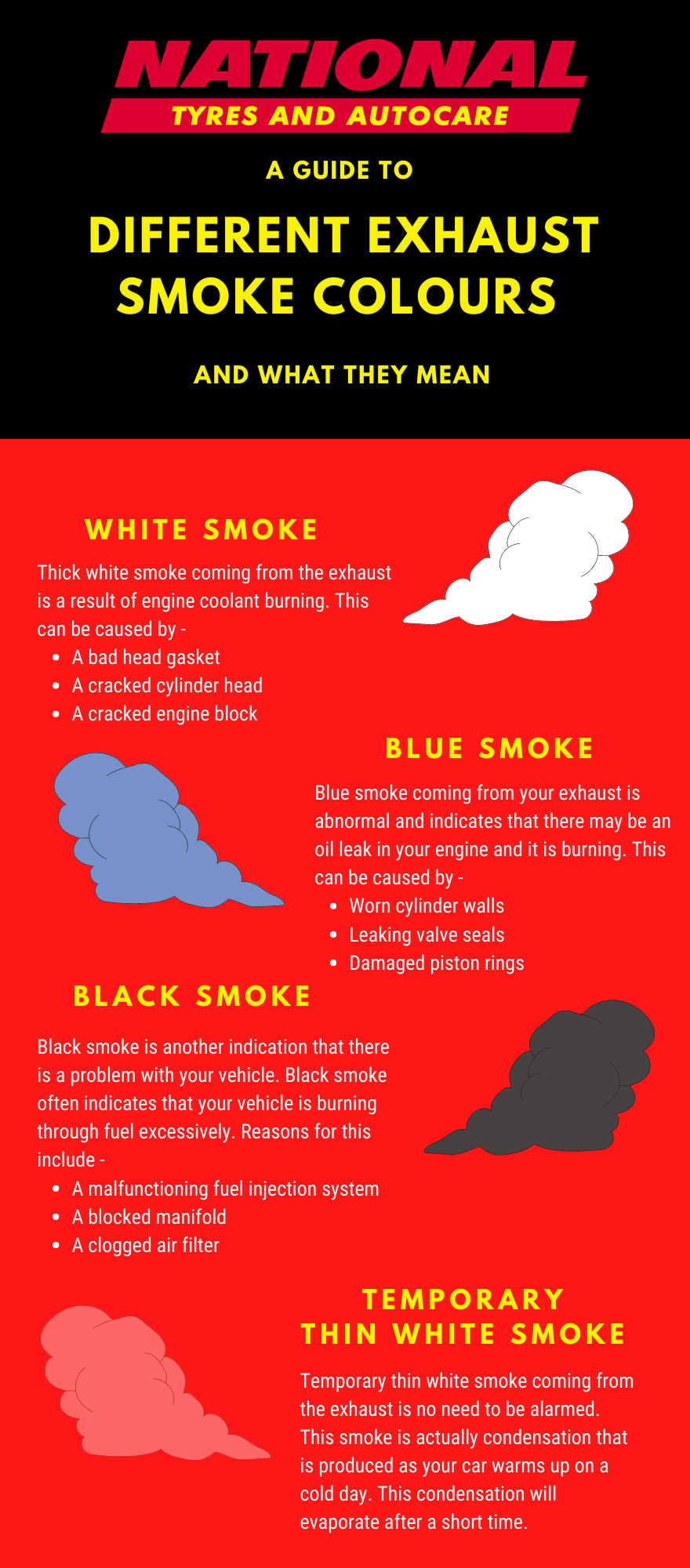
In many cases, thin white smoke appearing immediately after a cold start is merely water vapor. This is a natural byproduct of combustion and the heating of the exhaust system. From a financial standpoint, this is the best-case scenario. It requires no capital outlay and indicates that the engine is functioning within its design parameters.
However, the financial danger arises when the smoke is thick, persistent, and has a distinct odor. If the smoke remains after the engine has reached operating temperature, you are likely looking at a “liquidity event”—an unexpected and potentially large expense that could disrupt your monthly budget or deplete your emergency fund.
The High Stakes of Coolant Leaks and Head Gasket Failure
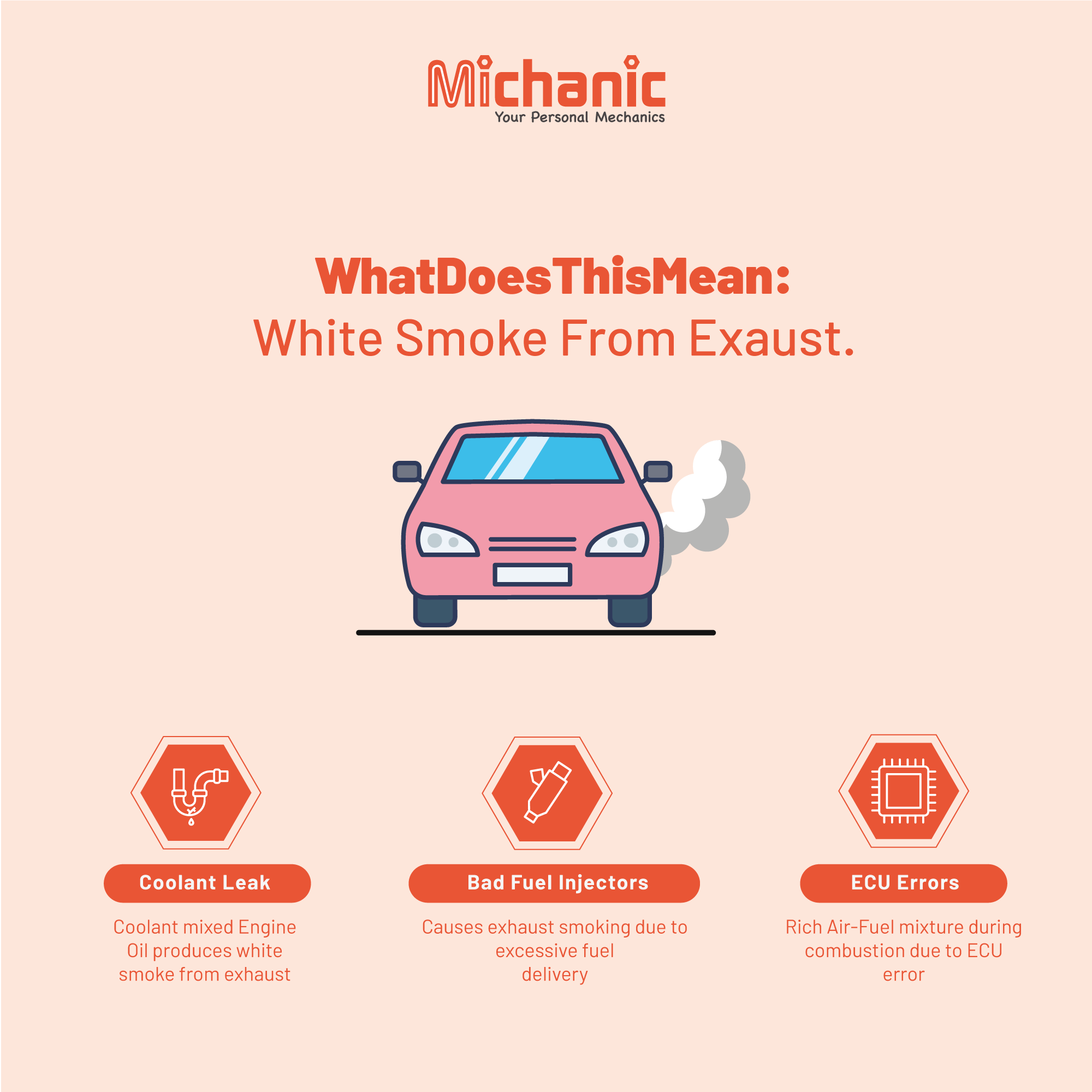
Thick white smoke is most commonly associated with coolant entering the combustion chamber. This typically points to a blown head gasket, a cracked cylinder head, or a damaged engine block. These are not minor maintenance items; they are major financial liabilities.
The cost of a head gasket repair typically ranges between $1,500 and $4,000, depending on the make and model of the vehicle. For many older vehicles, this repair cost may exceed the actual cash value (ACV) of the car. When a repair cost crosses the 50-70% threshold of the vehicle’s market value, the asset is effectively “totaled” in the eyes of a rational investor. Recognizing white smoke early can be the difference between a $500 minor seal repair and a $5,000 engine overhaul.
The Long-Term Impact on Asset Value and Resale Pricing
In personal finance, we often focus on the “buy” price of an asset, but the “exit” price is equally important for determining your total cost of ownership. A vehicle that emits white smoke is essentially unsellable on the private market to anyone other than a mechanic or a “fix-and-flip” specialist, both of whom will demand a massive discount.
How Engine Warning Signs Tank Trade-In Value
When you take a car to a dealership for a trade-in, the first thing an appraiser looks for are signs of mechanical distress. White smoke is a “red flag” that triggers an immediate and significant reduction in the trade-in offer. Dealerships factor in the highest possible repair cost when they see smoke, often deducting the full retail price of an engine replacement from their offer.
For example, a car that might have a fair market value of $10,000 in good condition could see its value plummet to $3,000 or less the moment white smoke is detected. This represents a $7,000 loss in equity—a devastating blow to a consumer’s balance sheet, especially if they are relying on that trade-in value to down-pay their next vehicle.
The “Sunk Cost Fallacy” in Automotive Maintenance
One of the most difficult financial decisions a vehicle owner faces is whether to keep sinking money into a failing engine or to cut their losses. This is a classic study in the “sunk cost fallacy.” Many people believe that because they just spent $800 on new tires and $400 on brakes, they must fix the engine when white smoke appears.
From a wealth-building perspective, the decision should be purely mathematical. You must compare the “Cost to Repair” against the “Incremental Value Added.” If spending $3,000 to fix a head gasket only increases the car’s resale value by $1,000, you have essentially destroyed $2,000 of your net worth. In such cases, it is often more financially prudent to sell the vehicle for parts or scrap and redirect those funds toward a more reliable asset.

Budgeting for the Unexpected: Financial Strategies for Major Repairs
The appearance of white smoke often catches people off guard because they view car maintenance as a series of small, predictable costs (oil changes, wipers) rather than a risk management exercise. To protect your financial health, you must treat your vehicle as a business would treat its machinery—by accounting for depreciation and maintenance reserves.
Emergency Funds and the “Car Repair” Bucket
Financial advisors typically recommend an emergency fund of 3-6 months of living expenses. However, for those who rely on their vehicle for income—such as gig economy workers or commuters—a dedicated “sunk fund” for vehicle repairs is essential.
If you see white smoke and realize you cannot afford the diagnostic fee, you are in a state of financial vulnerability. By setting aside $100 to $200 a month specifically for “major mechanical failures,” you transform a potential financial crisis into a manageable expense. This proactive approach prevents the need to rely on high-interest credit cards or predatory payday loans to get your vehicle back on the road.
Warranty and Insurance Considerations
When white smoke appears, your first financial move should be to audit your existing protections. Many drivers forget they have extended warranties or “mechanical breakdown insurance” (MBI). Unlike standard collision insurance, MBI is a specific financial tool designed to cover the exact scenarios that cause white smoke, such as internal engine failure.
Furthermore, if the white smoke is a result of an external factor—such as a collision that damaged the radiator, leading to overheating and a blown gasket—your comprehensive or collision insurance might cover the claim. Navigating these financial instruments efficiently can save you thousands of dollars in out-of-pocket expenses.
Investing in Diagnostic Technology to Save Money
In the modern era, the gap between a savvy investor and an uninformed consumer is often the access to information. Technological tools have democratized vehicle diagnostics, allowing owners to identify the cause of white smoke before they ever step foot in a mechanic’s shop.
The ROI of OBD-II Scanners
For a one-time investment of $20 to $100, an OBD-II (On-Board Diagnostics) scanner can be one of the highest-ROI tools in your financial arsenal. When the “Check Engine” light accompanies white smoke, the scanner provides a code (such as P0300 for misfires or codes related to engine temperature).
Knowing the code allows you to research the average repair cost in your zip code using tools like RepairPal or Kelley Blue Book. This information gives you leverage. When you enter a repair shop with data, you are less likely to be “upsold” on unnecessary repairs. From a business perspective, you are performing “due diligence” on a service provider, ensuring that your capital is being deployed efficiently.
Preventative Maintenance as a Wealth-Building Strategy
The old adage “an ounce of prevention is worth a pound of cure” is a fundamental principle of financial planning. The mechanical issues that cause white smoke—specifically cooling system failures—are almost entirely preventable through low-cost maintenance.
A coolant flush costs approximately $100 to $150 every few years. Neglecting this leads to the corrosion of the head gasket, resulting in the aforementioned $3,000 repair. In financial terms, the “return” on that $150 investment is a 2,000% savings on a catastrophic repair. Viewing car maintenance not as a “bill” but as an “insurance premium” to protect your asset’s value is a hallmark of a sophisticated financial mindset.
Final Economic Assessment
When you observe white smoke from your tailpipe, the engine is communicating a shift in your financial status. It is a signal that your asset is moving from a state of “utility” to a state of “liability.” By understanding the technical cause—be it simple condensation or a complex internal leak—you can apply sound financial principles to mitigate the damage.
Whether you choose to repair the vehicle, sell it at a discount, or utilize an emergency fund, the goal remains the same: minimizing the impact on your long-term wealth. Treat the white smoke as a prompt for a financial audit. Calculate the repair-to-value ratio, assess your liquidity, and use diagnostic tools to ensure you are making a data-driven decision. In the end, managing what comes out of your tailpipe is an essential part of managing what stays in your bank account.
aViewFromTheCave is a participant in the Amazon Services LLC Associates Program, an affiliate advertising program designed to provide a means for sites to earn advertising fees by advertising and linking to Amazon.com. Amazon, the Amazon logo, AmazonSupply, and the AmazonSupply logo are trademarks of Amazon.com, Inc. or its affiliates. As an Amazon Associate we earn affiliate commissions from qualifying purchases.