
In the modern landscape of digital commerce, the pursuit of value has shifted from simply finding the lowest price to identifying the highest utility at the lowest possible cost. For the savvy consumer, the “Used – Like New” designation on Amazon represents one of the most potent financial tools for preserving capital without sacrificing quality. Understanding the nuances of this condition grade is not merely about reading a product description; it is about mastering the economics of the secondary market to optimize your personal or business budget.

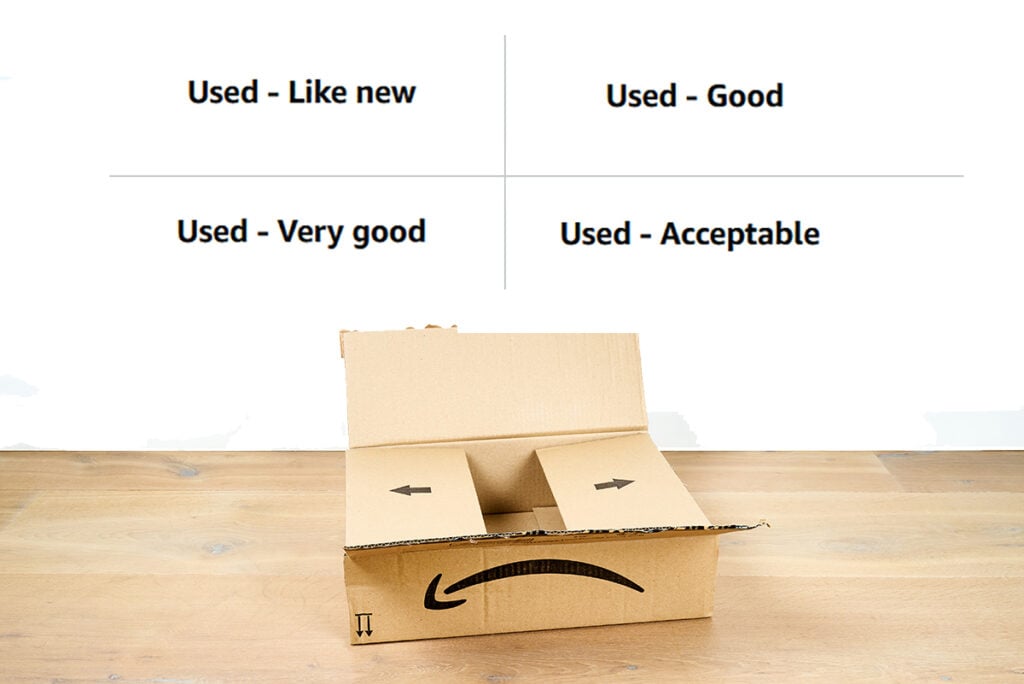
The “Used – Like New” label is the gold standard of Amazon’s Resale ecosystem (formerly Amazon Warehouse). It signifies a product that is functionally indistinguishable from its factory-sealed counterpart but carries a price tag that reflects its technical status as “pre-owned.” For those focused on personal finance, this category provides a unique opportunity to exploit the “instant depreciation” that occurs the moment a box is opened, allowing the buyer to capture that lost value for themselves.
Decoding the Financial Value of Amazon’s Condition Grades
To leverage Amazon’s secondary market effectively, one must understand the rigorous criteria that separate a “Like New” item from “Very Good” or “Acceptable” conditions. In financial terms, this is a study of risk-adjusted returns.
The Anatomy of “Used – Like New”
When an item is classified as “Like New,” it typically means the product is in perfect working condition. The original packaging may be open, or the item may have been repackaged, but the asset itself shows no signs of wear. Often, these are “buyer’s remorse” returns—products that were purchased, delivered, and immediately sent back because the customer changed their mind or found a better deal elsewhere.
From a financial perspective, the “Like New” designation minimizes the risk of asset failure. Unlike “Acceptable” items, which may have cosmetic damage that reduces their eventual resale value, “Like New” items maintain their aesthetic and functional integrity. This makes them ideal for high-ticket items like electronics, kitchen appliances, and professional equipment, where the delta between the new price and the used price can range from 15% to 40%.
Comparative Cost Analysis: New vs. Resale
The primary driver for choosing “Used – Like New” is the immediate ROI (Return on Investment). If a high-end coffee maker retails for $500 and is available as “Used – Like New” for $375, the consumer has effectively earned a 25% “dividend” on that transaction. When scaled across an entire household or business budget, these savings compound.
Furthermore, purchasing “Like New” items helps mitigate the “New Item Premium.” Manufacturers often bake a significant markup into new products to cover marketing and initial distribution costs. By stepping into the secondary market, the consumer bypasses these sunk costs, paying only for the utility of the product itself.
Integrating Amazon Resale into Your Personal Finance Strategy
Budgeting is often viewed through the lens of restriction, but true financial mastery involves strategic spending. Utilizing Amazon’s “Used – Like New” category allows for an “upgrade” in lifestyle or operational capacity without an increase in expenditure.
The 30% Savings Threshold
Financial advisors often suggest that a 20-30% discount is the “sweet spot” for purchasing open-box or used items. At this level, the discount compensates for the lack of a “pristine” unboxing experience and any potential (though unlikely) shortened lifespan of the product. When you find a “Like New” item on Amazon, it frequently hits this 30% threshold.
For someone building an emergency fund or looking to increase their monthly investment contributions, sourcing recurring needs—such as home office gear, small appliances, or even high-quality luggage—through the “Like New” filter can shave hundreds of dollars off annual expenses. This is “found money” that can be redirected into high-yield savings accounts or diversified portfolios.
Avoiding the “Cheap” Trap: Quality vs. Price
One of the core tenets of personal finance is that buying cheap often costs more in the long run. A low-quality new item may fail in six months, requiring a second purchase. Conversely, a high-quality “Used – Like New” item from a premium brand will likely outlast a cheaper new alternative.
By focusing on “Like New” status, you are essentially purchasing a premium asset at a mid-tier price. This protects your capital by ensuring the durability of your purchases. In the context of business finance, this is known as managing the Total Cost of Ownership (TCO). A “Like New” professional-grade monitor will have a lower TCO than a brand-new budget monitor when you factor in performance, longevity, and potential resale value.

Scaling a Business Through Refurbished Assets
For entrepreneurs and small business owners, capital allocation is the difference between growth and stagnation. Every dollar spent on overhead is a dollar not spent on marketing or talent acquisition. This is where “Used – Like New” becomes a strategic business tool.
Tax Efficiency and Capital Expenditure
When a business purchases equipment, it is often treated as a capital expenditure (CapEx). Buying “Used – Like New” allows a business to stretch its CapEx budget significantly further. For instance, outfitting a five-person startup with “Like New” workstations can save thousands of dollars compared to buying brand new.
These savings represent immediate liquidity. In the early stages of a business, cash flow is king. By reducing the initial cash outlay for furniture, technology, and hardware, a business owner retains more liquid capital to handle unforeseen expenses or to pivot strategies when necessary. Additionally, the depreciation of these assets for tax purposes remains a viable strategy, often providing a similar tax shield to new items while requiring less upfront investment.
Operational Sustainability
In the modern corporate identity, sustainability is becoming a financial metric. Investors and consumers are increasingly looking at the environmental footprint of companies. Purchasing used equipment is a form of circular economics. It reduces waste and the demand for new manufacturing. While this is an ethical choice, it is also a brand-setting financial choice that can appeal to a specific demographic of customers, potentially increasing brand loyalty and long-term revenue.
The Side Hustle: Arbitrage and the Resale Economy
The “Used – Like New” market on Amazon isn’t just for buyers; it’s a goldmine for those involved in the resale side hustle. Online arbitrage—the practice of buying undervalued items in one marketplace and selling them in another—is a legitimate source of online income.
Identifying Arbitrage Opportunities
Savvy resellers often monitor Amazon Resale for “Used – Like New” items that are priced significantly below their market value on platforms like eBay, Poshmark, or even Amazon’s own third-party seller marketplace. Because Amazon prioritizes clearing warehouse space, they sometimes price “Like New” items aggressively.
A reseller might purchase a “Like New” designer handbag or a specialized piece of laboratory equipment at a steep discount, verify its condition, and then list it elsewhere at a price closer to its true market value. The “Like New” status is crucial here because it allows the reseller to command a premium price compared to items listed as “Acceptable” or “Good.”
ROI and Liquidity
The key to a successful resale side hustle is the speed of turnover (liquidity) and the margin (ROI). “Like New” items are highly liquid because they appeal to the broadest range of customers—those who want a deal but are afraid of “junk.” By focusing on this specific condition, a reseller can ensure a faster sales cycle, which keeps their capital moving and compounds their profits over time.
Risk Mitigation and Financial Protection
No financial strategy is complete without a plan for risk management. Buying used goods always carries a perceived risk, but Amazon’s infrastructure is designed to mitigate this, making “Like New” a low-risk financial move.
The Return Policy as Financial Insurance
One of the biggest hurdles in the used market is the “final sale” trap. Platforms like Craigslist or Facebook Marketplace offer no recourse if an item fails a week after purchase. Amazon, however, extends its standard return policy to “Used – Like New” items.
This return window acts as a form of free insurance. It allows the buyer to inspect the asset, test its functionality, and ensure it meets the “Like New” criteria. If it doesn’t, the capital is returned in full. This eliminates the “sunk cost” risk that usually plagues secondary market transactions.
Warranty Arbitrage
In many cases, “Used – Like New” items still carry the balance of the original manufacturer’s warranty, especially if the product was registered and then returned quickly. Furthermore, many credit card companies offer extended warranty protection that applies to “open box” purchases. By using the right financial tools (the correct credit card) to purchase a “Like New” item, a consumer can essentially get a “new” level of protection at a “used” price point.
In conclusion, “Used – Like New” on Amazon is more than a condition grade; it is a sophisticated financial category. It allows for the preservation of capital, the optimization of business budgets, and the creation of new income streams through resale. By understanding the mechanics of this market, you can ensure that every dollar spent is working as hard as possible, turning routine consumption into a strategic financial advantage.
aViewFromTheCave is a participant in the Amazon Services LLC Associates Program, an affiliate advertising program designed to provide a means for sites to earn advertising fees by advertising and linking to Amazon.com. Amazon, the Amazon logo, AmazonSupply, and the AmazonSupply logo are trademarks of Amazon.com, Inc. or its affiliates. As an Amazon Associate we earn affiliate commissions from qualifying purchases.