
When addressing the question of what the Bible says happens when you die, most discussions focus naturally on the theological and spiritual transition of the soul. However, for the modern steward, there is a secondary, equally vital dimension: the transition of the material estate. The Bible offers extensive wisdom on the management of resources, the ethics of inheritance, and the responsibility of the individual to leave their house in order. From a personal finance and business perspective, understanding the biblical view of death is synonymous with understanding the ultimate act of stewardship.
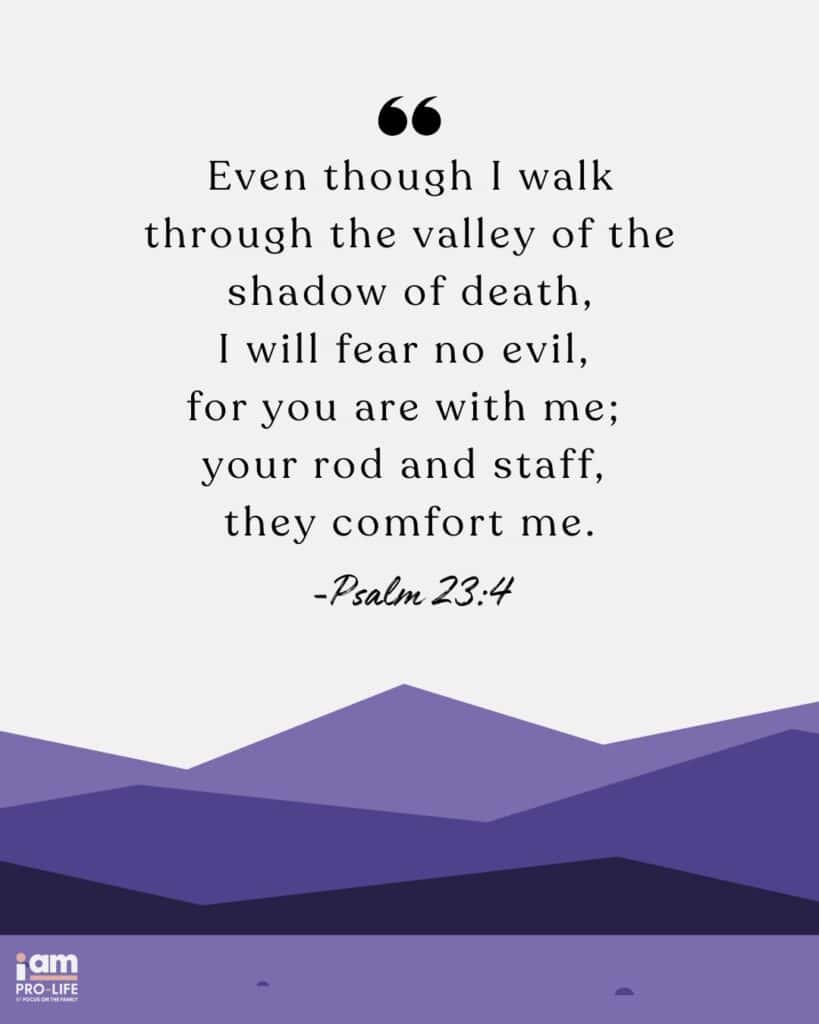
End-of-life planning is often avoided due to its uncomfortable nature, yet the scriptures suggest that “dying well” involves significant financial preparation. It is not merely about the destination of the spirit, but about the legacy left behind for the living. This guide explores the financial implications of biblical teachings on death, providing a roadmap for managing an estate with wisdom, integrity, and foresight.
The Biblical Foundation of End-of-Life Financial Stewardship
The Bible does not view death as an excuse for financial negligence. On the contrary, the transition from life to death is presented as the final chapter of one’s earthly management duties. In the parable of the talents (Matthew 25:14-30), the focus is on the return given to the master upon his arrival. While often applied to spiritual gifts, the literal context is financial. Death is the moment our “management contract” ends, and the Bible provides clear directives on how that contract should be closed.
The Mandate of Provision for Future Generations
One of the most cited verses in biblical personal finance is Proverbs 13:22: “A good man leaves an inheritance to his children’s children.” This suggests that the scope of our financial planning must extend at least two generations forward. From a wealth management perspective, this mandates a long-term investment horizon. It encourages the accumulation of assets not for personal indulgence, but for the stability of the family unit across time.
When you die, the Bible suggests that your financial influence should continue. This is not a call to hoard wealth, but to build a foundation that allows future generations to serve their purpose without the crushing weight of systemic poverty. For the modern investor, this translates into the strategic use of life insurance, diversified portfolios, and the establishment of trusts that protect assets from being squandered.
Stewardship Beyond the Grave: The Eternal Perspective on Wealth
The Bible frequently warns against the “love of money,” yet it honors the “wisdom of planning.” In the context of death, this means recognizing that we are temporary residents of our balance sheets. Psalm 49:16-17 reminds us, “Do not be overawed when others grow rich… for they will take nothing with them when they die.”
This creates a paradox for the faith-based financial planner: we must manage assets with extreme diligence while maintaining a complete lack of attachment to them. Financial stewardship at the end of life is about ensuring that the resources God entrusted to you are redirected to their next assignment—whether that is supporting a surviving spouse, empowering children, or funding charitable missions—rather than being lost to legal fees, unnecessary taxes, or administrative chaos.
Navigating the Economics of Death: Practical Financial Management
Beyond the philosophical, the Bible offers practical insights into the “business” of passing away. Biblical narratives are filled with detailed accounts of burials and the settling of affairs, emphasizing that order and dignity are paramount. In the modern context, this translates to avoiding the financial “mess” that often follows an unplanned death.
The Financial Burden of Final Arrangements
The modern funeral industry is a multibillion-dollar sector that often capitalizes on “emotional overspending.” When a loved one dies, survivors are frequently pressured into high-cost decisions during their most vulnerable moments. The Bible records Abraham purchasing a burial plot (Genesis 23) in a transaction that was public, legal, and clearly defined.
To follow this biblical example of order, individuals should engage in pre-need planning. By funding funeral expenses through dedicated savings or specific insurance riders, you remove a significant financial burden from your heirs. From a personal finance standpoint, this is an act of risk management. It ensures that the costs of burial—which can range from $7,000 to $15,000—do not trigger high-interest debt for the survivors.

Estate Planning as an Act of Love and Order
1 Corinthians 14:40 states, “But everything should be done in a fitting and orderly way.” There is perhaps nothing more disorderly than dying intestate (without a will). When an individual dies without a clear legal directive, the state determines the distribution of assets, often in ways that contradict biblical principles of stewardship and family care.
A comprehensive estate plan is a modern requirement for the biblical steward. This includes:
- The Last Will and Testament: Naming executors and guardians.
- Power of Attorney: Identifying who will handle financial affairs if you are incapacitated before death.
- Healthcare Directives: Reducing the potential for costly, unwanted medical interventions that can drain an estate’s liquidity.
- Beneficiary Designations: Ensuring that retirement accounts and life insurance policies bypass the lengthy and expensive probate process.
Building a Legacy: Strategic Giving and Wealth Transfer
What the Bible says about death is intrinsically linked to what it says about generosity. For many, the largest single “check” they will ever write is the distribution of their estate. If not planned correctly, a significant portion of a lifetime’s earnings can be diverted to taxes rather than kingdom-building or family support.
Charitable Lead Trusts and Kingdom Impact
For those with significant assets, the Bible’s call to “honor the Lord with your wealth” (Proverbs 3:9) extends to the final distribution. Many high-net-worth individuals utilize Charitable Remainder Trusts (CRTs) or Charitable Lead Trusts (CLTs) to align their end-of-life finances with their values. These tools allow for the support of ministries and non-profits while providing tax advantages that preserve more of the estate for heirs. This is the epitome of “shrewd stewardship”—using the legal and financial tools of the day to ensure that the maximum amount of capital is preserved for godly purposes.
Avoiding the Pitfalls of Sudden Wealth for Heirs
While the Bible encourages leaving an inheritance, it also warns against the dangers of unearned wealth. Proverbs 20:21 notes, “An inheritance claimed too soon will not be blessed at the end.” This is a crucial insight for business owners and investors. Dumping a large sum of liquid cash onto an immature heir can be spiritually and financially destructive.
Modern financial strategies such as “spendthrift trusts” or “incentive trusts” allow a benefactor to control the timing and conditions of wealth transfer. By structuring an inheritance to be released in stages (e.g., at ages 25, 30, and 35) or for specific purposes (e.g., education, starting a business), you adhere to the biblical principle of training a child in the way they should go—even after you are gone.
Modern Financial Tools for the Biblical Steward
As technology and financial markets evolve, the ways in which we prepare for death must also adapt. The “parchment and ink” of the biblical era have been replaced by digital ledgers and complex insurance products, but the underlying goal remains the same: the protection of the family and the glory of God.
Life Insurance as a Risk Management Tool
In 1 Timothy 5:8, the scripture is blunt: “Anyone who does not provide for their relatives, and especially for their own household, has denied the faith.” In the modern economy, the most efficient way to fulfill this mandate is often through life insurance.
Life insurance provides an immediate infusion of tax-free liquidity upon death. This “instant estate” can pay off mortgages, fund college educations, and replace lost income. For a business owner, “Key Person” insurance or “Buy-Sell Agreement” funding ensures that the company—and the employees it supports—can survive the death of a founder. Viewed through the lens of biblical money management, insurance is not a gamble; it is a tool for the responsible containment of risk.
Digital Assets and the Modern Will
A new frontier in end-of-life planning is the management of digital assets. From cryptocurrency wallets to monetized social media accounts and intellectual property stored in the cloud, much of a modern person’s “wealth” is invisible.
What does the Bible say about these assets? It says they must be accounted for. Failing to provide your heirs with the “keys” to your digital kingdom is a failure of stewardship. Proper financial planning now includes a “digital vault” where passwords, private keys, and access instructions are stored securely. This ensures that the value you have created in the digital realm is not permanently locked away, but is instead passed down as a blessing to your descendants.
In conclusion, the biblical perspective on what happens when you die is not limited to the destination of the soul. It encompasses a holistic view of the person as a manager of God’s resources. By integrating these ancient principles with modern financial tools—estate planning, strategic insurance, and intentional legacy building—you ensure that your final act on earth is one of wisdom, provision, and enduring faith. Death is certain, but financial chaos is optional. The wise steward prepares for both.
aViewFromTheCave is a participant in the Amazon Services LLC Associates Program, an affiliate advertising program designed to provide a means for sites to earn advertising fees by advertising and linking to Amazon.com. Amazon, the Amazon logo, AmazonSupply, and the AmazonSupply logo are trademarks of Amazon.com, Inc. or its affiliates. As an Amazon Associate we earn affiliate commissions from qualifying purchases.