
In the modern financial landscape, the word “judgment” often carries a heavy, legalistic weight. For a business owner, it might signal a court-ordered payment; for an individual, it might represent a credit-destroying mark on a financial report. However, when we explore the intersection of ancient wisdom and modern money management, the concept of judgment takes on a much broader, more transformative meaning. To understand what the Bible says about judgment within the context of personal finance and stewardship, we must look beyond mere condemnation and explore the principles of accountability, evaluation, and justice that govern how we handle resources.
The Theology of Stewardship: Evaluation as a Form of Judgment
At the core of biblical finance is the principle that we are not owners, but managers. This distinction is vital because every manager eventually faces a performance review. In the biblical sense, this review is a “judgment” of stewardship. The Bible suggests that our handling of material wealth is a primary metric used to evaluate our character and our readiness for greater responsibilities.
The Parable of the Talents: A Case Study in Performance Review
Perhaps the most famous financial teaching in the New Testament is the Parable of the Talents. In this narrative, a master entrusts his servants with varying amounts of capital (talents) before going on a journey. Upon his return, he calls them to account—this is a formal judgment of their financial management.
The judgment rendered was not based on the absolute amount of profit generated, but on the faithfulness and initiative of the servants. The two who invested and doubled their resources received a positive judgment: “Well done, good and faithful servant.” The servant who buried his talent out of fear received a harsh judgment. From a modern investment perspective, this teaching emphasizes that passivity and fear-based hoarding are viewed unfavorably. Judgment, in this context, is the natural consequence of how we utilize the opportunities and assets currently at our disposal.
The Small Things Metric
The Bible explicitly links our “judgment” regarding small financial matters to our capacity for larger spiritual or professional leadership. Luke 16:10 states, “Whoever can be trusted with very little can also be trusted with much.” In the world of personal finance, this is a call to rigorous self-judgment. Before we seek “much”—be it a massive investment portfolio or a high-level executive role—we are judged by our integrity in the “very little,” such as our monthly budgeting, our honesty in tax filings, and our commitment to small debts.
Legal Judgments and the Ethics of Debt
In the niche of money and business finance, a “judgment” is often a legal reality. When a debtor fails to meet their obligations, the legal system intervenes to provide a ruling. The Bible addresses these scenarios with a complex balance of strict personal responsibility and systemic mercy.
The Personal Accountability of the Borrower
The Bible is clear on the weight of financial obligations. Psalm 37:21 notes that “the wicked borrow and do not repay.” From a financial perspective, failing to meet one’s obligations is not just a breach of contract; it is a matter of integrity that invites moral judgment. When we enter into a financial agreement—whether a business loan, a mortgage, or a handshake deal—we are placing our name and reputation under the judgment of our actions.
The “judgment” of debt is also described in terms of freedom. Proverbs 22:7 warns that “the borrower is slave to the lender.” This suggests that a financial judgment (in the form of debt) acts as a restrictive force on one’s life and agency. To avoid the negative judgment of financial bondage, the biblical advice leans heavily toward debt avoidance and rapid repayment.
The Systemic Mercy of the Jubilee
While individuals are called to be faithful in repayment, the Bible also institutes “judgments” against predatory lending and perpetual debt cycles. The concept of the Year of Jubilee and the Sabbatical Year (Shemitah) required that debts be forgiven and land be returned to its original owners every seven and fifty years, respectively.
This acts as a “judgment” on the economic system itself. It prevents the permanent consolidation of wealth in the hands of a few and ensures that a financial failure is not a life sentence. In modern terms, this aligns with the ethical underpinnings of bankruptcy laws, which allow for a “fresh start” after a period of insolvency. The biblical view suggests that while individual accountability is paramount, a healthy financial system requires a mechanism for mercy and the resetting of judgments.
The Economic Judgment of the Heart: Greed vs. Generosity

Beyond legalities and stewardship reviews, the Bible discusses judgment in terms of the internal motives that drive our financial decisions. In a world where “online income” and “side hustles” can easily become obsessions, these principles serve as a necessary ethical guardrail.
Distinguishing Between Profit and Greed
The Bible does not condemn the acquisition of wealth, but it does judge the heart’s attachment to it. 1 Timothy 6:10 famously notes that the love of money—not money itself—is a root of all kinds of evil. The judgment here is directed at the “why” behind our financial pursuits.
If a business strategy is rooted in exploitation or a “get rich quick” mentality (which Proverbs 28:20 warns against), it falls under a negative moral judgment. Professional financial success is viewed through the lens of whether it serves others or merely inflates the ego. When we “judge” our own business plans, we are encouraged to ask: Is this create value, or is it merely extracting it?
The Measure You Use
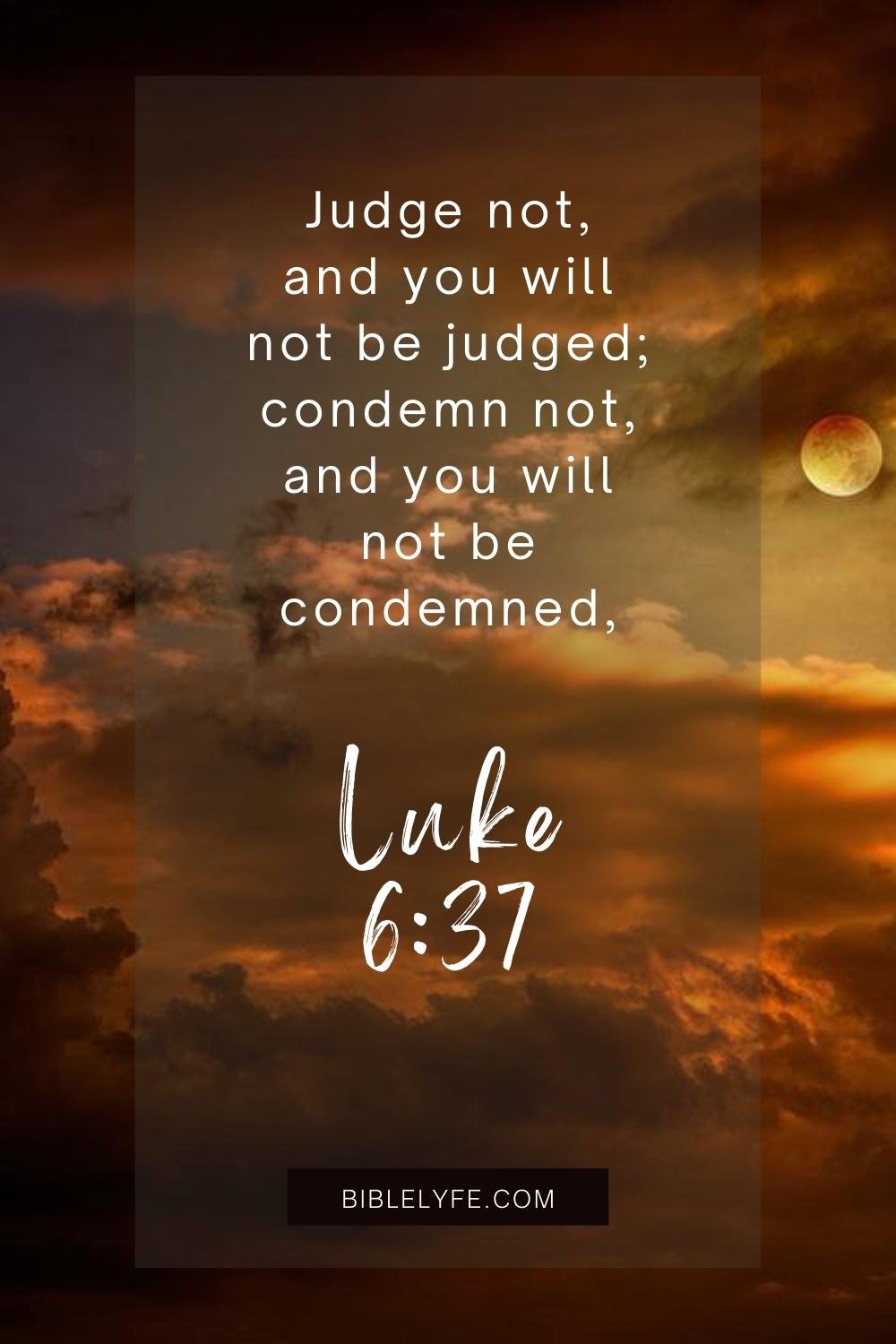
A central tenet of biblical judgment is reciprocity. “For in the same way you judge others, you will be judged, and with the measure you use, it will be measured to you” (Matthew 7:2). In a business and branding context, this is a powerful principle of fair dealing. If a business owner is harsh, litigious, and unyielding in their financial judgments of others, they should expect the same treatment from the market and their creditors. Conversely, a brand built on fairness, transparency, and a degree of grace often finds that same goodwill returned during lean times.
Discerning Wisdom: The Act of Financial Judging
The word “judgment” is often synonymous with “discernment.” In the Money niche, having “good judgment” is the difference between a successful investment and a total loss. The Bible encourages the development of this type of judgment through the pursuit of wisdom.
Due Diligence and the Judgment of Risk
Proverbs is essentially a manual for sharpening one’s judgment. It warns against “striking hands in pledge” (guaranteeing someone else’s debt) without proper discernment. It encourages the gathering of many counselors before making a major decision. This form of “judgment” is the biblical equivalent of due diligence.
Before committing capital to a new venture or an AI-driven trading tool, the biblical mandate is to judge the opportunity based on proven patterns and ethical alignment. To ignore this form of judgment is to invite the “judgment” of poverty.
Assessing Partnerships
The Bible also advises on judging the character of those with whom we go into business. The warning against being “unequally yoked” is often applied to marriage, but it is equally relevant to business partnerships. When we judge a potential partner’s track record and values, we are following the biblical principle of protecting the integrity of our work. Financial judgment, therefore, is not just about numbers; it is about assessing the spirit and character behind the numbers.
The Final Audit: Stewardship and Eternal ROI
Finally, the Bible speaks of an ultimate judgment that transcends our current balance sheets. This “final audit” is not concerned with the size of an individual’s net worth, but with the impact of their wealth.
The Rich Man and Lazarus: A Reversal of Judgment
In the story of the rich man and Lazarus, the rich man is judged not because he was wealthy, but because his wealth blinded him to the needs of the suffering person at his gate. His financial “judgment” in the afterlife was a direct reflection of his lack of compassion in this life. This serves as a reminder to high-net-worth individuals and successful entrepreneurs that the ultimate ROI is measured in how our resources are used to alleviate suffering and promote justice.
Building a Legacy Beyond the Numbers
A professional approach to money often focuses on legacy—what we leave behind for the next generation. The Bible reframes this by suggesting that we “lay up treasures in heaven.” This is the highest form of financial judgment: recognizing that earthly currency is volatile and temporary, while the “currency” of character, generosity, and faith is eternal.
In conclusion, what the Bible says about judgment in the context of money is both a warning and an invitation. It warns of the consequences of debt, greed, and poor stewardship, but it invites us to a higher standard of living—one where our financial decisions are made with the awareness that we are accountable to a higher power. By exercising good judgment in our daily transactions, maintaining integrity in our legal obligations, and prioritizing generosity, we align our financial lives with a system of values that offers far more security than any market index ever could.
aViewFromTheCave is a participant in the Amazon Services LLC Associates Program, an affiliate advertising program designed to provide a means for sites to earn advertising fees by advertising and linking to Amazon.com. Amazon, the Amazon logo, AmazonSupply, and the AmazonSupply logo are trademarks of Amazon.com, Inc. or its affiliates. As an Amazon Associate we earn affiliate commissions from qualifying purchases.