
In the world of personal finance and investment, the weight of past mistakes can be as heavy as any physical debt. Whether it is the sting of a failed business venture, the long shadow of consumer debt, or the regret of a missed investment opportunity, the psychological burden of financial failure often leads to a paralyzing sense of self-condemnation. For many, the greatest barrier to future prosperity is not a lack of capital or market knowledge, but an inability to move past the errors of the past.

From a professional financial standpoint, the concept of “forgiving yourself” is often viewed through the lens of emotional intelligence or psychological resilience. However, for those looking to align their financial lives with biblical principles, self-forgiveness is more than a therapeutic tool; it is a fundamental requirement for sound stewardship. The Bible offers a robust framework for releasing the debt of guilt, allowing individuals to rebuild their financial legacies on a foundation of grace rather than shame.
The Financial Weight of Guilt: Why Self-Forgiveness is a Prerequisite for Wealth
In economic terms, guilt functions much like a high-interest predatory loan. It consumes your mental energy, restricts your risk appetite, and prevents you from making objective decisions about your future. When an individual refuses to forgive themselves for a financial blunder, they often fall into the “sunk cost fallacy,” over-committing to failing assets or staying in unproductive career paths simply because they feel they must “pay penance” for past mistakes.
The Paralyzing Effect of Financial Shame
Biblical wisdom suggests that “the primary burden of the heart affects the strength of the hands.” If you are weighed down by the shame of a past bankruptcy or a series of poor lifestyle choices that led to debt, your ability to perform in the marketplace is compromised. Shame breeds secrecy and avoidance—the two greatest enemies of financial health. Those who cannot forgive themselves often avoid looking at their bank statements, delay filing taxes, or shy away from necessary negotiations, further compounding their financial distress.
Stewardship vs. Self-Condemnation
A core tenet of biblical finance is stewardship—the idea that we are managers of resources that ultimately belong to a higher authority. When we fall into self-condemnation, we are essentially claiming that our mistakes are too big for the “Owner” to handle. The Bible emphasizes that while we are responsible for our actions, we are not defined by our failures. Forgiving yourself is an act of acknowledging that while the capital may have been mismanaged, the manager is still capable of being redeemed and retrained.
Scriptural Blueprints for Financial Restoration: From Debt to Deliverance
The Bible is replete with narratives of restoration and “fresh starts” that have direct applications to personal finance. Understanding these principles allows an investor or business owner to categorize their failures not as permanent identities, but as market corrections in the grander scheme of their life’s work.
The Principle of Jubilee and the Reset of Debt
One of the most profound economic concepts in the Bible is the Year of Jubilee, described in Leviticus 25. Every fifty years, debts were canceled, and ancestral lands were returned to their original owners. This was a structural recognition that humans make mistakes and that systemic “resets” are necessary for the health of a society. On a personal level, the spirit of Jubilee suggests that God does not intend for His people to live in a state of perpetual financial bondage. If the Creator built a system that mandated the release of external debt, it follows that we must also release the internal debt of self-reproach.
Forgetting What Lies Behind
In his letters, the Apostle Paul speaks of “forgetting what lies behind and straining forward to what lies ahead.” In a financial context, this is the ultimate advice for an investor who has just taken a massive loss. Ruminating on a market crash or a bad partnership does nothing to increase your net worth. Biblically mandated self-forgiveness requires a conscious decision to “write off” the emotional debt of the past so that you can focus your intellectual and financial capital on the opportunities of the present.
The ROI of Grace: How Forgiving Your Past Mistakes Boosts Your Future Earning Potential
Self-forgiveness is not just a spiritual exercise; it is a high-yield strategy for your career and investment portfolio. By applying the biblical mandate of grace to your financial history, you unlock several professional advantages that are otherwise inaccessible to the guilt-ridden mind.
Restoring Risk Tolerance and Innovation
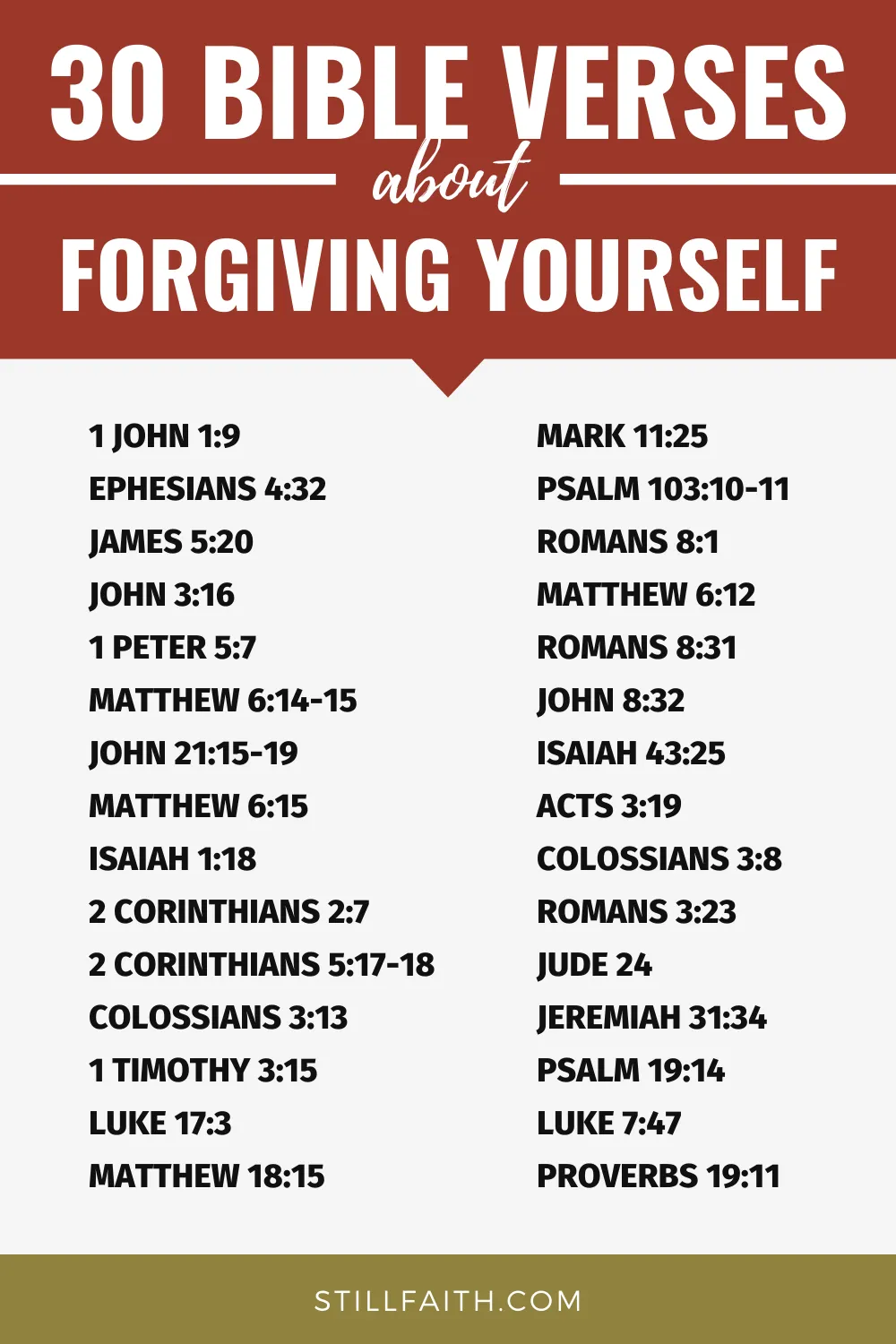
Innovation requires the willingness to fail. If you have not forgiven yourself for your last business failure, you will likely become overly risk-averse, missing out on the compounding growth that comes from calculated, courageous investments. The Bible encourages a spirit of power and a sound mind, rather than a spirit of fear. By accepting forgiveness, you restore the “sound mind” necessary to evaluate new ventures without the distorting lens of past trauma.
Improving Decision-Making Clarity
When you carry the weight of unforgiven mistakes, your decision-making becomes reactive. You might chase high-risk “get rich quick” schemes to make up for lost time, or you might hoard cash out of an irrational fear of scarcity. The Bible speaks of the “peace that passes understanding.” In financial terms, this peace is the ability to look at a balance sheet objectively, acknowledge the red ink, and strategically plan for the black ink without being clouded by emotional volatility.
Rebuilding Professional Reputation and Integrity
Forgiving yourself is often the first step toward making amends to others. If your financial mistakes affected partners, employees, or family members, self-condemnation often leads to withdrawal. Conversely, biblical self-forgiveness empowers you to take responsibility, offer restitution where possible, and move forward with integrity. A leader who has processed their failure and found grace is often more resilient and trustworthy than one who has never failed or one who is still hiding from their past.
Strategic Recovery: Practical Financial Management Rooted in Biblical Wisdom
Once the internal work of forgiveness has begun, it must be matched with external financial discipline. The Bible does not advocate for a “cheap grace” that ignores the practical consequences of poor choices; rather, it provides a path for disciplined recovery.
The Redemption Budget: Planning for the Future
The first practical step in financial self-forgiveness is the creation of a rigorous budget that reflects your new reality. Proverbs 27:23 advises, “Know well the condition of your flocks, and give attention to your herds.” Forgiving yourself means looking at your current numbers—no matter how grim—and deciding to manage them well starting today. This is the “Redemption Budget”—a plan that prioritizes debt repayment, modest living, and consistent saving as a way of honoring the second chance you have been given.
Diversification and Diligence
The Bible often speaks of diversifying one’s interests (Ecclesiastes 11:2) and the value of hard work (Proverbs 14:23). For the person who has “forgiven themselves” for a major loss, the strategy should move away from the “all-in” mentality that likely led to the disaster. Instead, focus on building multiple streams of income and practicing the “slow and steady” approach to wealth building that the Bible commends. This disciplined approach is a physical manifestation of a heart that has found peace.
Seeking Wise Counsel
Proverbs 15:22 states, “Without counsel plans fail, but with many advisers they succeed.” Many financial mistakes happen in isolation. Part of the process of self-forgiveness involves humbling yourself to seek professional financial advice. Admitting to a financial advisor or a mentor that you made a mistake is an act of liberation. It breaks the power of the secret and brings your finances into the light, where they can be managed effectively.
Investing in Your Future Self: The Long-Term Wealth Management of Grace
Ultimately, the Bible’s stance on self-forgiveness is rooted in the belief that your future is not dictated by your past. In the realm of money, this is a revolutionary idea. It suggests that your earning potential, your ability to build a business, and your capacity to leave an inheritance are still intact, regardless of your history.
Philanthropy as a Healing Mechanism
One of the most effective ways to solidify financial self-forgiveness is through the act of giving. It may seem counterintuitive to give money away when you are recovering from a loss, but the Bible teaches that “the generous soul will be made rich.” Giving breaks the spirit of mammon—the idea that money is your master or your identity. When you give, even in a season of recovery, you are declaring that you are no longer a slave to your past mistakes or your current lack.
The Legacy of a Second Chance
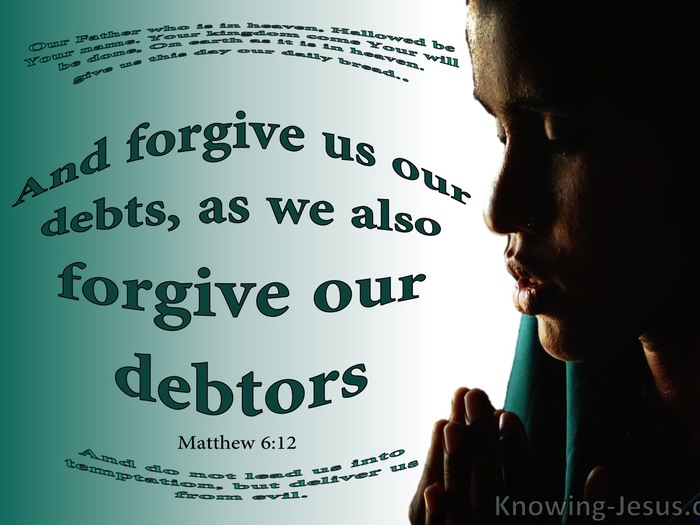
The greatest financial stories are rarely about those who had a perfect record. They are about those who faced ruin, sought wisdom, forgave themselves, and rebuilt something better. By embracing the biblical principles of forgiveness, you are not just fixing your bank account; you are refining your character. This transformed character is the most valuable asset you possess—one that cannot be lost in a market crash or stolen by a bad business partner.
As you navigate the complexities of personal finance and investment, remember that the “bottom line” is not just found on a spreadsheet. It is found in the freedom to pursue your purpose without the shackles of regret. The Bible’s message on self-forgiveness is a call to clear the ledger, liquidate the debt of shame, and reinvest your life into the boundless opportunities that grace provides.
aViewFromTheCave is a participant in the Amazon Services LLC Associates Program, an affiliate advertising program designed to provide a means for sites to earn advertising fees by advertising and linking to Amazon.com. Amazon, the Amazon logo, AmazonSupply, and the AmazonSupply logo are trademarks of Amazon.com, Inc. or its affiliates. As an Amazon Associate we earn affiliate commissions from qualifying purchases.