
In the world of high-stakes finance, venture capital, and personal wealth management, we often focus on quantitative metrics: ROI, EBITDA, debt-to-equity ratios, and net present value. However, the most seasoned investors and business leaders understand that the qualitative factors—the “human element”—often dictate the ultimate success or failure of an enterprise. Among these psychological factors, bitterness is one of the most destructive, yet least discussed, “hidden costs” in the financial world.
From a Biblical perspective, bitterness is not merely a fleeting emotion; it is described as a “root” that, if left unchecked, defiles the entire environment. When applied to the niche of money and business, the ancient wisdom regarding bitterness provides a sophisticated framework for emotional intelligence, ethical stewardship, and long-term value creation. To build a sustainable financial legacy, one must understand how to identify, mitigate, and move past the bitterness that often follows financial loss, professional betrayal, or market volatility.
The Economic Impact of a Root of Bitterness
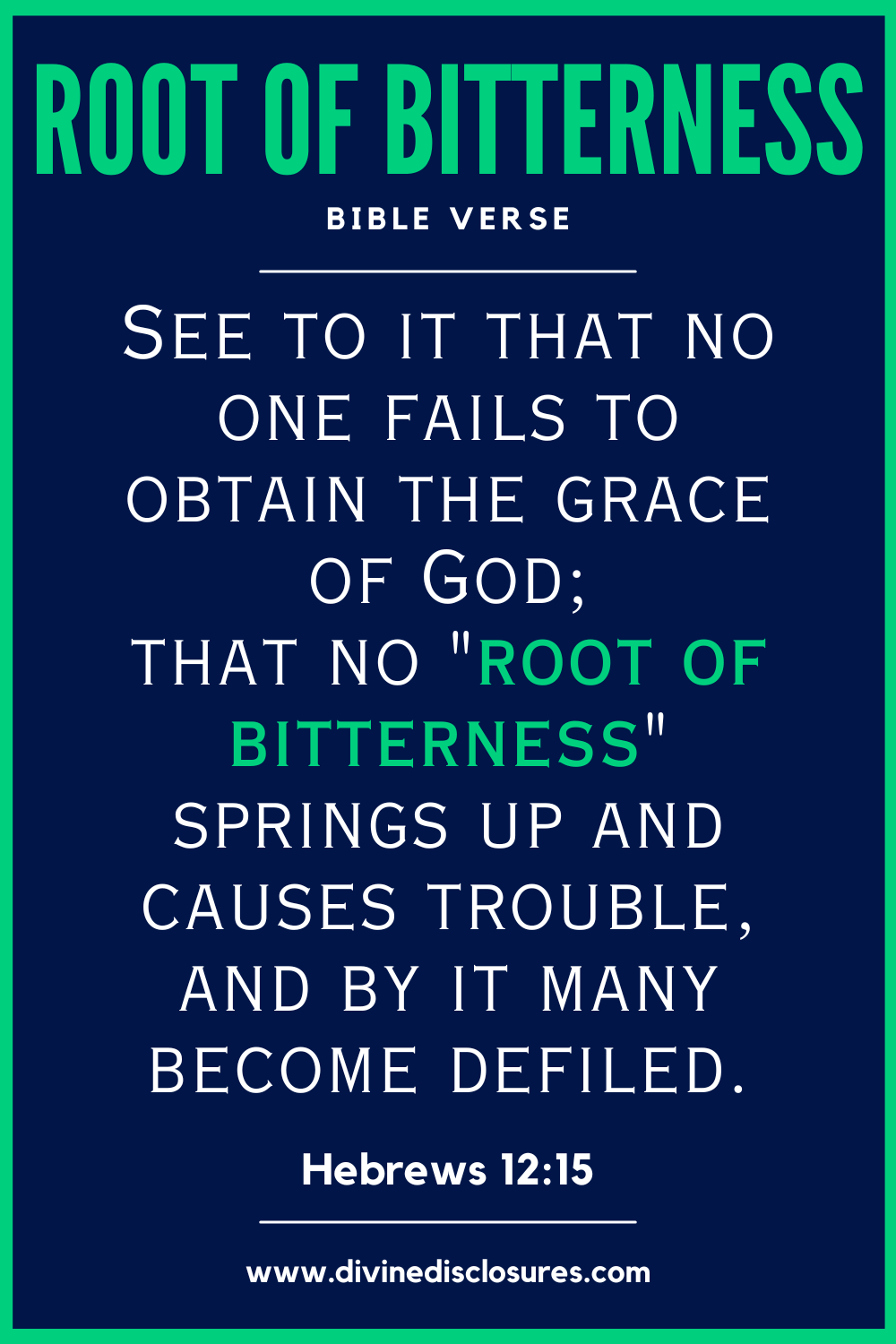
The author of the book of Hebrews provides a stark warning that is highly applicable to organizational health and partnership dynamics: “See to it that no one falls short of the grace of God and that no bitter root grows up to cause trouble and defile many” (Hebrews 12:15). In a financial context, this “root” represents the underlying resentment that can quietly erode the foundation of a company or a personal investment strategy.
Decision-Making Under Emotional Duress
Bitterness acts as a cognitive bias. When an investor or business owner harbors bitterness—perhaps toward a former partner who exited a deal early or a market regulator—their ability to process data objectively becomes compromised. This is what behavioral economists might call “emotional anchoring.” Instead of making decisions based on current market realities, the bitter individual makes decisions based on past grievances.
For example, a business leader may refuse a lucrative merger because the counterparty is associated with someone they resent. In this scenario, bitterness becomes a literal cost to the shareholders. The Bible warns that bitterness “causes trouble,” and in the financial sphere, that trouble manifests as missed opportunities, irrational risk-taking (out of a desire for “revenge” or to “prove them wrong”), and a lack of clarity in strategic planning.
The Cost of Toxic Workplace Culture
On a corporate level, bitterness among leadership “defiles many.” When a founder or CEO is bitter about their perceived lack of recognition or a past failure, that energy permeates the entire organization. It leads to high turnover, low employee engagement, and a breakdown in internal communication. The financial cost of replacing a high-level executive is often estimated at 1.5 to 2 times their annual salary; if bitterness is driving talent out the door, it is a direct drain on the bottom line. Biblical principles suggest that the remedy is a proactive “uprooting” of these sentiments through transparency and reconciliation.
Biblical Stewardship and the Trap of Financial Envy
A primary source of bitterness in the realm of personal finance is the comparison trap. In a digital age where “wealth porn” and curated lifestyles are constantly visible, it is easy to become bitter about one’s own financial progress compared to peers. The Bible addresses this directly in the Parable of the Workers in the Vineyard (Matthew 20).
Avoiding the Comparison Trap in Wealth Building
In the parable, workers who labored all day were bitter because those who worked only one hour received the same wage. The landowner’s response is a masterclass in financial sovereignty: “Am I not allowed to do what I choose with what belongs to me? Or do you begrudge my generosity?” Bitterness often stems from a perceived lack of fairness in the market. However, from a wealth-management perspective, focusing on “fairness” in comparison to others is a distraction from one’s own stewardship.
Successful wealth building requires a focus on one’s own “talents” and “vineyard.” When we become bitter about another person’s IPO, their crypto gains, or their inheritance, we lose the focus necessary to manage our own portfolios effectively. The Bible encourages contentment, not as a lack of ambition, but as a safeguard against the bitterness that leads to “get-rich-quick” schemes and high-risk gambles born of envy.
Contentment as a Competitive Advantage

Contentment is often viewed as the opposite of the “hustle culture” required for financial success. Yet, if we view contentment through a Biblical lens, it is actually a strategic advantage. A contented investor is not easily swayed by FOMO (Fear Of Missing Out). They are less likely to buy at the top of a bubble because they are not desperately trying to “catch up” to someone else. By avoiding bitterness over what they do not have, they preserve the capital they do have, allowing for steady, compounded growth.
Forgiveness as a Mechanism for Financial Recovery
One of the most radical Biblical concepts regarding bitterness is the command to forgive. While often viewed as a religious or moral duty, forgiveness is a powerful tool for financial recovery and professional agility.
Letting Go of Sunk Costs and Bad Partnerships
In economics, the “sunk cost fallacy” describes the tendency to continue investing in a losing proposition because of the resources already committed. Bitterness is the emotional equivalent of a sunk cost. When an investor holds onto a grudge against a failed startup or a deceptive broker, they are essentially “investing” their mental and emotional energy into a venture that has already failed.
The Biblical principle of “letting go” allows an entrepreneur to cut their losses—emotionally and financially. By forgiving a debt or a slight, the individual frees up their “cognitive capital” to focus on the next venture. This is not to say that one should not pursue legal recourse where appropriate, but the internal bitterness must be resolved to prevent it from stagnating future growth.
The Principle of the Debt Release
The Bible introduces the concept of the “Year of Jubilee”—a periodic release of debts. While modern finance relies on the enforceability of debt, the spirit of this principle is about preventing a permanent underclass of the “bitterly indebted.” In business, this can be translated into the wisdom of restructuring and moving forward. Many of the world’s most successful entrepreneurs have experienced bankruptcy. Those who survived were the ones who did not let the experience turn into a lifelong bitterness toward the system, but rather used it as a stepping stone to a more refined business model.
From Scarcity to Abundance: Biblical Mindsets for Growth
Bitterness is fundamentally rooted in a scarcity mindset—the belief that there isn’t enough success, money, or grace to go around. The Bible, conversely, points toward a theology of abundance, which is the cornerstone of any successful long-term financial strategy.
The Psychology of the “Ungrateful Servant”
The Parable of the Unforgiving Servant (Matthew 18) tells of a man who was forgiven a massive debt (millions in today’s currency) but then immediately sought to imprison a peer who owed him a pittance. His bitterness over a small amount, despite his massive windfall, eventually led to his own ruin.
In the business world, we see this when leaders who have achieved massive success become litigious and bitter over minor market competition or small-scale disputes. This lack of perspective is a hallmark of a “scarcity” mentality. When you believe that every dollar gained by another is a dollar lost by you, bitterness is inevitable. A “Money” niche professional who operates from a Biblical abundance mindset understands that value creation is not a zero-sum game.

Building Resilient Business Relationships
Finally, the Bible highlights that bitterness separates friends and partners (Proverbs 18:19). In the world of finance, your network is your net worth. Bitterness burns bridges that might have been vital for future syndications, referrals, or mergers. By following the Biblical mandate to “get rid of all bitterness” (Ephesians 4:31), a professional ensures that their reputation remains that of a “deal-maker” rather than a “grudge-holder.”
In conclusion, what the Bible says about bitterness provides a profound psychological and ethical map for anyone navigating the complexities of money and business. Bitterness is a liability on the balance sheet of life. It clouds judgment, destroys partnerships, and anchors the spirit to past failures. By applying Biblical principles of forgiveness, stewardship, and abundance, investors and entrepreneurs can protect their mental capital and build a financial legacy that is not only profitable but also resilient and respected. The path to true wealth requires the discipline to uproot bitterness whenever it appears, ensuring that the “soil” of your enterprise remains productive for years to come.
aViewFromTheCave is a participant in the Amazon Services LLC Associates Program, an affiliate advertising program designed to provide a means for sites to earn advertising fees by advertising and linking to Amazon.com. Amazon, the Amazon logo, AmazonSupply, and the AmazonSupply logo are trademarks of Amazon.com, Inc. or its affiliates. As an Amazon Associate we earn affiliate commissions from qualifying purchases.