
In the competitive landscape of modern marketing, the difference between a brand that resonates and one that fades into obscurity often lies in the subtle nuances of human psychology. While color theory and typography are frequently discussed in corporate boardrooms, the strategic use of numbers—specifically the numbers 3 and 7—remains one of the most potent yet underutilized tools in brand architecture.
To the uninitiated, these numbers might seem arbitrary. However, in the realms of cognitive science and brand strategy, 3 and 7 represent the “golden ratios” of communication and consumer trust. They dictate how we process information, how we remember slogans, and how many times we must interact with a product before opening our wallets. Understanding what these numbers mean in a professional context is essential for any strategist looking to build a brand that is both memorable and commercially viable.

The Rule of Three: The Architecture of Memory and Rhythm
The “Rule of Three” is perhaps the most fundamental principle in effective communication. From a branding perspective, the number 3 represents the smallest number of elements required to create a pattern. The human brain is hardwired to recognize patterns; anything less than three is merely a point or a line, but three creates a sequence.
Cognitive Fluency and Messaging
In brand strategy, cognitive fluency refers to the ease with which our brains process information. When information is presented in a triad, it feels complete, balanced, and more “truthful.” This is why some of the world’s most successful brands utilize three-word slogans. Consider Nike’s “Just Do It,” McDonald’s “I’m Lovin’ It,” or FedEx’s “The World on Time.” These aren’t just catchy phrases; they are engineered for maximum retention.
The number 3 allows a brand to deliver a beginning, a middle, and an end in a single breath. It provides a sense of closure that two elements lack and five elements overwhelm. When developing a personal brand or a corporate identity, defining exactly three core values—rather than five or ten—ensures that employees and customers can actually recall them.
Visual Hierarchy and Design Triads
Beyond copywriting, the number 3 dominates visual design. The “Rule of Thirds” in photography and web design is a direct application of this principle. By dividing a brand’s visual assets into a grid of nine squares, designers place key elements along the lines or at their intersections, creating more tension, energy, and interest than a simple centered composition.
Furthermore, the “Triadic Color Scheme” is a staple in corporate identity. By selecting three colors situated at 120 degrees from each other on the color wheel, brands like Burger King or Google (which uses primary triads plus green) achieve high contrast while maintaining harmony. The number 3 ensures that the visual identity is vibrant enough to catch the eye but structured enough to remain professional.
The Pricing Power of Three
In the world of business finance and marketing, the “Decoy Effect” or “Tiered Pricing” relies heavily on the number 3. Most SaaS companies and service providers offer three tiers: Basic, Professional, and Enterprise. This is not a coincidence. Humans are naturally inclined to avoid extremes. By providing three options, brands can nudge consumers toward the middle “Professional” tier—the “Goldilocks” zone—where the value-to-cost ratio feels most balanced.
The Rule of Seven: The Benchmark of Trust and Information Processing
If the number 3 is the architecture of memory, then the number 7 is the benchmark of trust. In marketing history, the “Rule of Seven” suggests that a potential customer needs to see or hear a brand’s message at least seven times before they will take action or make a purchase.
The Seven Touchpoints of the Sales Funnel
In the digital age, where attention spans are fragmented across multiple platforms, the number 7 has never been more relevant. A modern brand strategy must account for these seven interactions across various channels. A customer might see a LinkedIn post (1), receive a newsletter (2), see a retargeting ad (3), read a blog post (4), hear a mention on a podcast (5), see a physical billboard (6), and finally receive a direct recommendation (7).
What the number 7 means here is “saturation without annoyance.” It is the threshold where a brand transitions from being a “stranger” to a “trusted acquaintance.” Pushing beyond seven too quickly can lead to brand fatigue, while falling short of seven often results in a failed conversion.
Miller’s Law and Cognitive Load
In 1956, cognitive psychologist George A. Miller published a paper titled “The Magical Number Seven, Plus or Minus Two.” He argued that the average human mind can hold about seven pieces of information in its short-term memory.
For brand strategists, this is a critical constraint. If you are designing a brand’s website navigation, having more than seven main menu items can lead to “choice paralysis” and increased bounce rates. If you are listing product features, sticking to the seven most impactful ones ensures that the user can actually process the value proposition. The number 7 serves as the upper limit of simplicity. When a brand respects this limit, it respects the consumer’s mental bandwidth.
The Seven-Second First Impression
In brand design, 7 is also the number of seconds you have to make a first impression. Research suggests that consumers form an opinion about a brand’s website or product packaging within a fraction of a second, but it takes approximately seven seconds for that impression to solidify into a judgment of “trustworthy” or “unprofessional.” Every element—logo, color, font weight—must work in unison to pass the seven-second test.
Synergy: How 3 and 7 Work Together in Brand Architecture
While 3 and 7 serve different psychological functions, they work in synergy to create a robust brand ecosystem. If you use the number 3 for your core messaging and the number 7 for your distribution strategy, you create a brand that is both easy to understand and impossible to ignore.
Case Study: Apple’s Numerical Precision
Apple is a master of this numerical duality. During Steve Jobs’ iconic product launches, he famously used the Rule of Three. He would introduce “three revolutionary products” (which often turned out to be one device with three functions, like the original iPhone). This made the presentation easy to follow and the product’s value proposition crystal clear.
Simultaneously, Apple utilizes the Rule of Seven in its global marketing. They do not rely on a single TV commercial. Instead, they saturate the environment: the minimalist store architecture, the packaging design, the social media presence, the product placements in films, the influencers, the email marketing, and the physical device experience itself. By the time a consumer enters an Apple Store, they have likely surpassed the seven touchpoints required for a high-ticket purchase.
Building a “7-3” Strategy
To implement this in your own brand strategy, consider the following framework:
- Identify 3 Core Pillars: What are the three things your brand does better than anyone else? These become your mission statement and your “elevator pitch.”
- Select 3 Primary Visual Cues: A primary color, a secondary color, and a single recognizable typeface.
- Map 7 Distribution Channels: Where do your customers live? Select seven platforms (e.g., Instagram, Email, SEO, Paid Search, Events, Direct Mail, and PR) and ensure your message is consistent across all of them.
- Set a 7-Interaction Goal: Design your lead magnets and nurture sequences so that a prospect engages with your content at least seven times before you ask for the sale.
The Cultural and Psychological Weight of Numbers
Beyond the clinical applications of marketing, the numbers 3 and 7 carry deep-seated cultural significance that brands can leverage to build subconscious rapport.
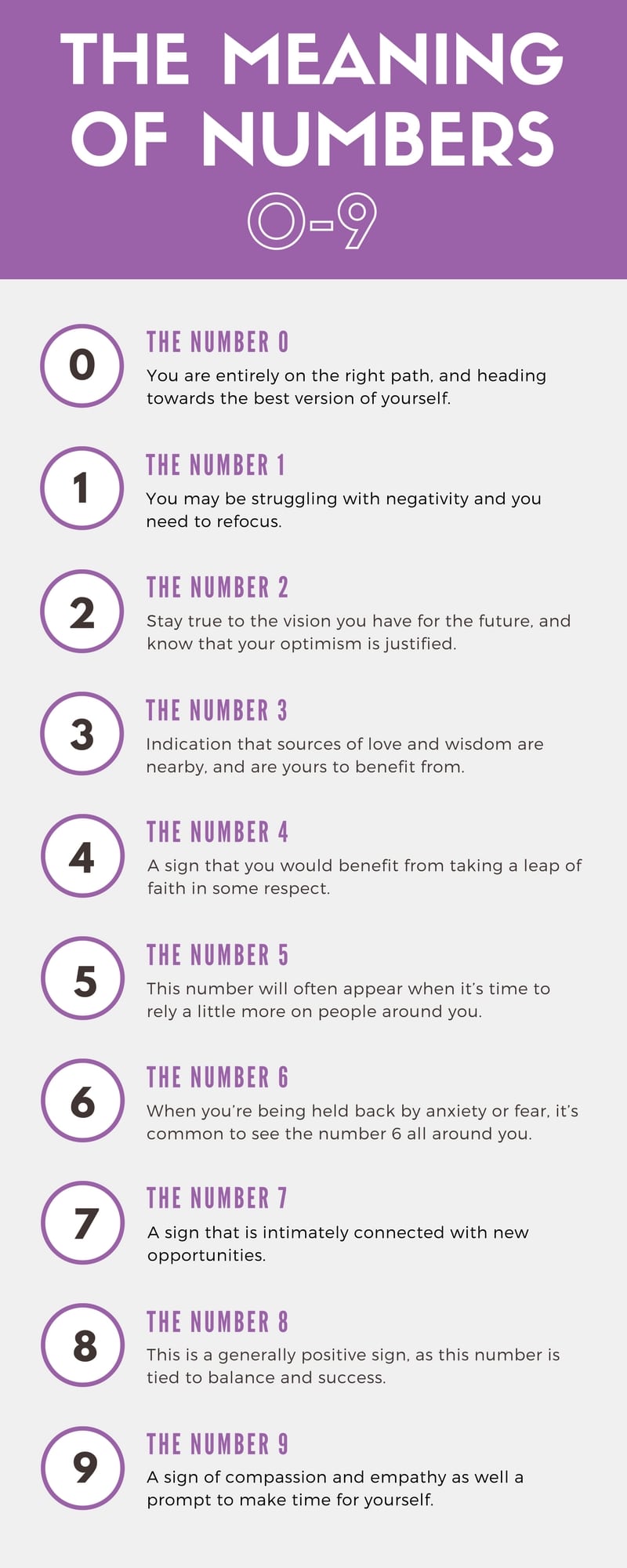
In many cultures, the number 3 represents wholeness (Past, Present, Future; Mind, Body, Spirit). Using this number can make a brand feel “complete” and “grounded.” The number 7, conversely, is often associated with luck, intuition, and perfection (7 days of the week, 7 wonders of the world, 7 notes in a musical scale).
When a brand aligns its strategy with these universal patterns, it taps into a collective unconscious. It no longer feels like a corporation trying to sell a product; it feels like a natural part of the consumer’s world.

Conclusion: Strategic Application for Longevity
In conclusion, “what does number 3 and number 7 mean” is not just a question for numerologists—it is a fundamental question for brand builders. The number 3 is your tool for clarity, rhythm, and immediate impact. It is the number that makes your slogan stick and your pricing digestible. The number 7 is your tool for trust, persistence, and information management. It is the number that ensures your brand is remembered and respected over the long term.
By mastering the balance between the simplicity of three and the consistency of seven, brand strategists can navigate the complexities of the human mind. Whether you are launching a startup or revitalizing a legacy brand, respecting these numerical boundaries will allow you to communicate with greater precision, build deeper trust, and ultimately drive sustainable growth in an increasingly noisy marketplace.
aViewFromTheCave is a participant in the Amazon Services LLC Associates Program, an affiliate advertising program designed to provide a means for sites to earn advertising fees by advertising and linking to Amazon.com. Amazon, the Amazon logo, AmazonSupply, and the AmazonSupply logo are trademarks of Amazon.com, Inc. or its affiliates. As an Amazon Associate we earn affiliate commissions from qualifying purchases.