
In the landscape of modern media, the transition from a standalone success to a multi-generational franchise is a delicate surgical procedure. When Netflix and Shondaland announced Queen Charlotte: A Bridgerton Story, the industry saw more than just a prequel; it witnessed a strategic masterstroke in brand extension. The relationship between King George and Queen Charlotte serves as the emotional core of the series, but from a brand strategy perspective, it represents the vital “glue” that binds a spin-off to its parent intellectual property (IP).
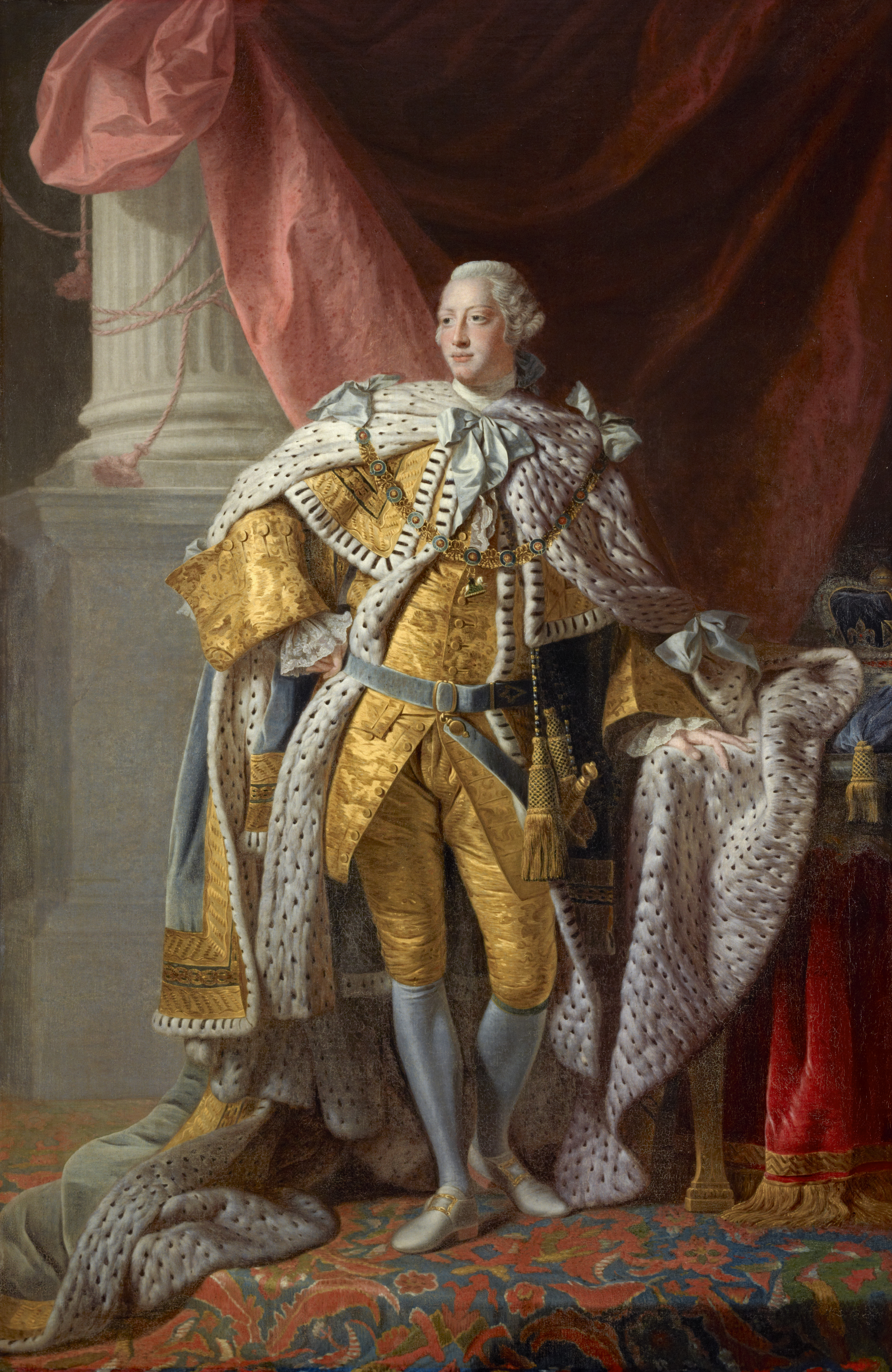
The success of this expansion hinges on what the established “King George” brand—the world of Bridgerton—possesses within the “Queen Charlotte” narrative to ensure longevity, market differentiation, and audience loyalty. By dissecting this relationship through the lens of corporate identity and brand architecture, we can uncover how a narrative pivot can actually strengthen a global commercial powerhouse.
The Anatomy of a Brand Spin-off: How Netflix and Shondaland Built a Prequel Empire
A brand spin-off is only as strong as its ability to retain existing brand equity while carving out a unique value proposition. In the case of Queen Charlotte, the producers faced the challenge of “prequel fatigue”—a phenomenon where audiences feel they already know the ending, thus lowering the stakes. However, by focusing on the origin story of the reigning monarch, the brand effectively deepened the “lore” of the Bridgerton universe.
Identifying the Core Asset: The Power of Supporting Characters
In brand strategy, we often look for “sleeping assets”—elements of a brand that have high recognition but haven’t been fully monetized or explored. In the first two seasons of Bridgerton, Queen Charlotte was a high-value supporting asset. She represented authority, mystery, and fashion. By centering a series on her, Shondaland leveraged an existing “customer favorite” to anchor a new product line.
What George provides to Charlotte in this context is “narrative legitimacy.” Without the weight of the King’s madness and their complex marital bond, the prequel would risk feeling like a generic historical romance. George acts as the “anchor tenant” in this brand ecosystem, providing the historical and emotional stakes that justify the spin-off’s existence.
Maintaining Tone and Visual Identity Across Timelines
A common pitfall in brand expansion is losing the “visual scent” of the original product. Queen Charlotte maintains a rigorous adherence to the Bridgerton brand guidelines: vibrant color palettes, orchestral covers of modern pop songs, and high-fashion costuming. This consistency ensures that the transition for the consumer (the viewer) is seamless. The brand “feel” is identical, even if the characters are younger and the stakes are more tragic. This is equivalent to a luxury fashion house releasing a “heritage” collection that uses contemporary fabrics to tell an old story—it honors the past while serving the current market.
Cultural Resonance as a Branding Tool: Diversity, Modernity, and the “Reimagined History” Niche
The Bridgerton brand is defined by its “inclusive escapism.” It does not seek to be a documentary; it seeks to be a reflection of a modern, diverse world through a historical lens. In Queen Charlotte, this brand pillar is reinforced through the exploration of “The Great Experiment.”
The “Bridgerton” Aesthetic: Defining a Luxury Visual Language
From a marketing standpoint, the “Bridgerton” aesthetic has become a brand in itself, often referred to as “Regencycore.” What King George “has” in this series is a direct connection to the aesthetic origins of this world. The production design serves as a brand touchpoint, using opulence to signal quality. Every frame of the series is designed to be “Instagrammable,” catering to a digital-first audience that consumes brand content through visual snippets.
The branding of the monarchy in the show mirrors corporate branding in the real world. The palaces, the wigs, and the protocol are the “corporate assets” that the characters must navigate. By showing the struggle to establish these norms, the show humanizes the brand of the “Royal Family,” making it more relatable to a modern audience that values authenticity over stoicism.
Emotional Branding: Connecting with a Modern Audience through Period Drama
Emotional branding is the practice of building brands that appeal directly to a consumer’s emotional state, needs, and aspirations. Queen Charlotte shifts the Bridgerton brand from purely “lustful escapism” to “emotional resilience.” The relationship between George and Charlotte deals with mental health, isolation, and the burden of duty—topics that resonate deeply with today’s Gen Z and Millennial consumers.
By integrating these “modern” problems into a 18th-century setting, the brand achieves a unique market position: it is both timeless and timely. This ensures that the brand is not just a passing fad but a cultural staple that addresses the human condition, thereby increasing its “stickiness” in a crowded content market.

Shonda Rhimes: The Architect of Personal Branding within Corporate Ecosystems
To understand what George has in Charlotte, one must look at the “Master Brand” behind the curtain: Shonda Rhimes. Rhimes has successfully built a personal brand that is synonymous with “high-stakes, diverse, addictive television.”
Trust as a Commodity: The Shondaland Seal of Quality
In the business world, a brand is a promise of quality. The “Shondaland” logo at the start of a trailer acts as a seal of approval that lowers the barrier to entry for the consumer. Because Rhimes has a track record of successful character-driven dramas (Grey’s Anatomy, Scandal), the audience trusts that even a prequel about a minor character will be worth their time.
This trust is a powerful financial tool. It allows Netflix to spend significant marketing dollars on a spin-off with the confidence that the “Shondaland” brand loyalty will translate into high viewership numbers within the first 28 days of release—the crucial window for streaming success.
Leveraging Individual IP for Network Longevity
The relationship between King George and Queen Charlotte also demonstrates how to maximize the lifecycle of an IP. Instead of letting the Bridgerton brand go stale after a few seasons, Shondaland is creating a “vertical” brand structure. You have the main “hero” product (the Bridgerton seasons) and “specialty” products (the Queen Charlotte limited series). This keeps the brand in the conversation during the “off-season” of the main show, preventing audience churn and keeping the subscription value high.
Market Positioning and the Evolution of the “Period Piece” Brand
Historically, period dramas were a niche brand, often associated with PBS or the BBC—educational, slow, and somewhat elitist. The Bridgerton/Queen Charlotte brand has completely repositioned the genre. It is now “Pop-Period.”
Transitioning from Adaptation to Original World-Building
While the original Bridgerton seasons were based on novels by Julia Quinn, Queen Charlotte is largely an original creation for the screen. This marks a significant shift in brand strategy: moving from “licensing” (adapting existing books) to “innovation” (creating new stories within that universe).
This allows the brand to be more agile. It can respond to audience feedback in real-time. If the audience loves a specific dynamic—like the friendship between Brimsley and Reynolds—the creators can lean into that, much like a software company adds features based on user data. The “King George” story allows the brand to explore darker, more complex themes that might not fit the primary romantic arc of the main series, thus diversifying the brand’s emotional portfolio.
Consumer Touchpoints: Merchandising and the Bridgerton Experience
What King George has in Queen Charlotte is also a goldmine for physical brand touchpoints. The “Queen’s Ball: A Bridgerton Experience” is a traveling immersive event that has seen massive success. By deepening the lore of the Queen and the King, the brand provides more “content” for these live events.
Consumers aren’t just buying a Netflix subscription; they are buying into a lifestyle. They are buying the makeup collaborations with Pat McGrath, the tea sets, and the clothing lines. The prequel provides the “origin story” for these luxury items, giving them a sense of history and “heritage” that increases their perceived value.
Lessons for Corporate Brands: Sustaining Momentum in a Saturated Market
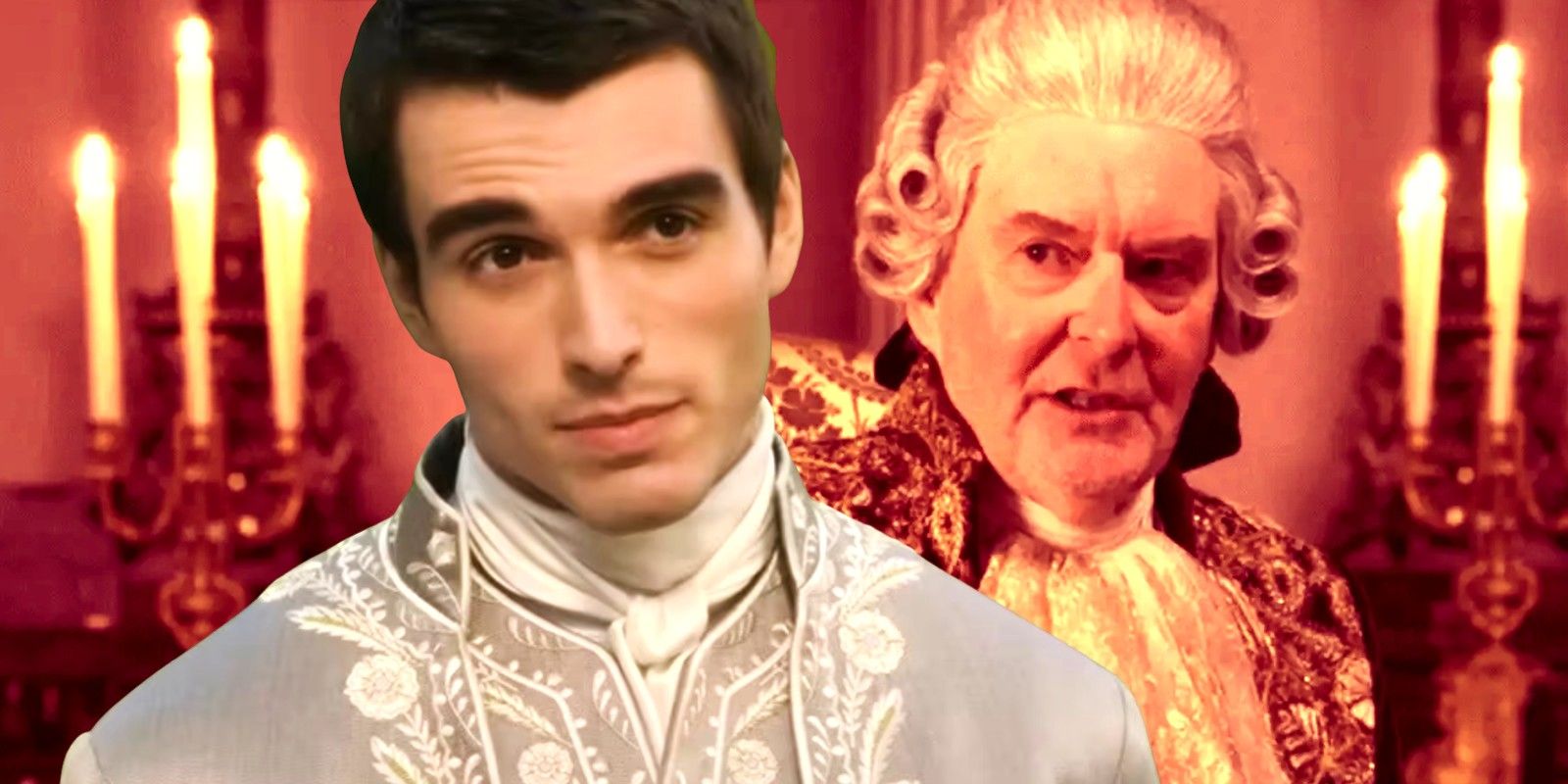
The relationship between these two characters, and the shows they inhabit, offers several key takeaways for brand managers in any industry:
- Don’t Fear the Dark Side: Just as Queen Charlotte introduced heavier themes to a “light” brand, corporate brands should not be afraid to address real-world challenges. Authenticity builds deeper loyalty than perfection.
- Protect the Visual Scent: No matter how much you innovate, the “look and feel” of the brand must remain consistent. This is the visual shorthand that tells the consumer they are in safe hands.
- The Power of the Supporting Cast: Sometimes your strongest brand extension lies in a secondary feature or product that has a cult following. Look for the “Queen Charlotte” in your product lineup.
- Agile Storytelling: Move from static brand messaging to dynamic world-building. Give your consumers a universe to inhabit, not just a product to buy.
In conclusion, what King George has in Queen Charlotte is more than a romantic partnership; it is the strategic cornerstone of a multi-billion dollar media brand. By using their story to bridge the gap between the old world and the new, Shondaland and Netflix have created a blueprint for how to expand an IP without diluting its essence. They have proven that with the right brand architecture, even a story with a known ending can feel like a fresh, indispensable beginning.
aViewFromTheCave is a participant in the Amazon Services LLC Associates Program, an affiliate advertising program designed to provide a means for sites to earn advertising fees by advertising and linking to Amazon.com. Amazon, the Amazon logo, AmazonSupply, and the AmazonSupply logo are trademarks of Amazon.com, Inc. or its affiliates. As an Amazon Associate we earn affiliate commissions from qualifying purchases.