
In the competitive landscape of global commerce, symbols act as the shorthand for a brand’s values, heritage, and emotional promise. Among the most enduring and recognizable talismans in cultural history is the Cornicello, or the Italian horn. While traditionally viewed as an amulet to ward off the “evil eye” and attract good fortune, its transition from a folk charm to a potent emblem in contemporary brand strategy offers a masterclass in heritage marketing. Understanding what the Italian horn symbolizes provides critical insights into how brands can leverage ancient archetypes to build trust, signify luxury, and create a lasting narrative of protection and prosperity.

The Semiotics of Protection: Why Brands Lean into Ancient Talismans
To understand the Italian horn within a brand context, one must first look at the field of semiotics—the study of signs and symbols. For a brand, a symbol is never just a decorative element; it is a strategic asset designed to evoke a specific psychological response. The Italian horn, with its sleek, twisted aesthetic and vibrant associations, represents a fusion of biological vitality and supernatural protection.
Transcending Language Barriers through Visual Archetypes
In international brand strategy, language can often be a barrier to entry. Visual symbols, however, operate on a primal level. The Italian horn symbolizes a universal desire for safety and success. When a brand incorporates the Cornicello into its visual identity, it bypasses the cognitive load of reading and translates directly into a feeling of “good luck” or “guarded excellence.” This is particularly effective for lifestyle and luxury brands that seek to establish an immediate emotional connection with a global audience who may not speak Italian but recognize the “Made in Italy” aura of quality.
The Psychology of the Talismanic Effect
Modern consumers often seek more than just functionality from the products they buy; they seek meaning. By utilizing a symbol of protection, a brand positions itself as a guardian of the consumer’s well-being. This “talismanic effect” is a powerful tool in personal branding and luxury positioning. It shifts the product from being a mere commodity to being a partner in the consumer’s journey. In a volatile economic climate, symbols that denote resilience and “warding off negativity” resonate deeply with target demographics looking for stability and empowerment.
Heritage Branding: Leveraging the “Made in Italy” Narrative
The Italian horn is inextricably linked to the concept of heritage. For a brand, heritage is not just about age; it is about the perception of authenticity and the continuity of excellence. The Cornicello serves as a visual bridge between ancient Neapolitan tradition and modern artisanal craftsmanship.
Cultivating Authenticity through Cultural Roots
In an era of mass production, authenticity is the highest currency. Brands like Dolce & Gabbana have famously utilized the Italian horn and other folk symbols to anchor their corporate identity in a specific geographical and cultural narrative. By doing so, they aren’t just selling clothes; they are selling a piece of Italian history. The symbol communicates that the brand is an heir to a legacy of craftsmanship. This strategic use of the horn validates the brand’s price point and justifies its position in the luxury tier by associating it with a culture that values beauty and mysticism.
Artisanship and the Narrative of the Maker
The Italian horn symbolizes the hand of the maker. Traditionally, these amulets were carved from red coral, gold, or silver—materials that require significant skill to manipulate. When a modern brand adopts this iconography, it implicitly highlights its own commitment to artisanal quality. This is a core component of “Brand Storytelling.” By narrating the history of the symbol, a company can educate its consumers on its own manufacturing standards, drawing parallels between the historical carvers of the Cornicello and the modern designers of the brand’s current collection.
Visual Identity and Graphic Design: The Aesthetics of the Cornicello
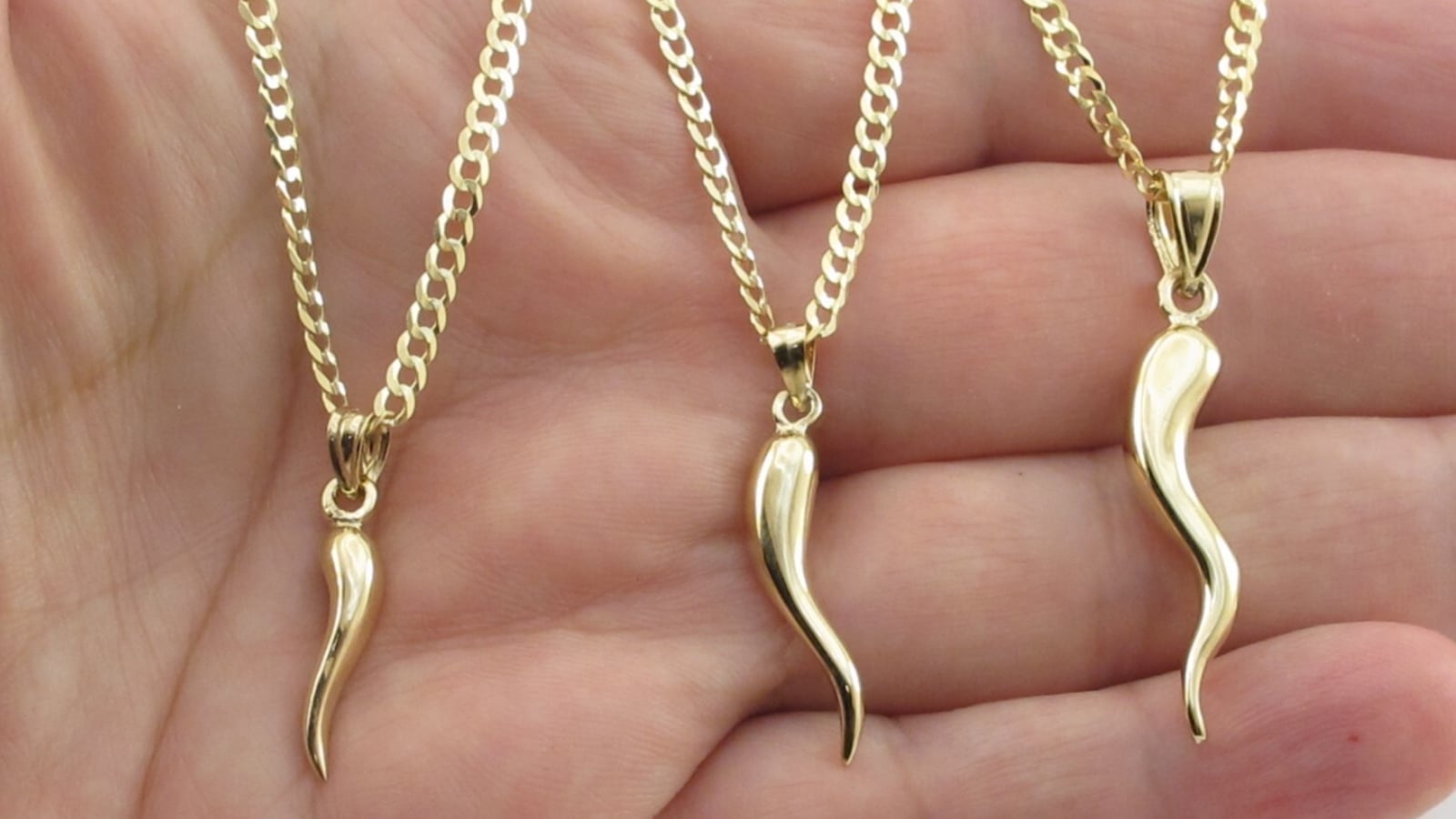
From a design perspective, the Italian horn is a masterpiece of form and function. Its sleek, aerodynamic shape and bold color palette provide a versatile foundation for visual identity systems.
Simplicity and Versatility in Iconography
The best brand logos are those that can be recognized in a single glance and scaled from a tiny social media icon to a massive billboard. The Italian horn’s silhouette is distinctive and elegant. Its “twisted” form suggests movement and organic growth, which are essential themes for brands focused on innovation and health. In graphic design, the horn can be stylized into a minimalist vector or rendered in high-definition 3D, allowing for a flexible brand identity that works across digital and physical touchpoints.
The Power of Red and Gold in Brand Recognition
The traditional colors of the Italian horn—fiery red and lustrous gold—carry heavy psychological weight in marketing. Red is the color of passion, urgency, and protection (historically associated with coral). Gold represents wealth, prestige, and the sun. Brands that utilize the Italian horn often maintain this color palette to tap into these subconscious associations. A red Cornicello in a logo doesn’t just represent a horn; it signals energy and vitality, while a gold one signals an aspirational lifestyle and financial success. This strategic alignment of color and form ensures that the brand’s visual identity is both cohesive and evocative.
Personal Branding and the Creator Economy
The symbolism of the Italian horn has found a new home in the world of personal branding and the creator economy. Influencers and entrepreneurs are increasingly looking for ways to differentiate themselves by tapping into their cultural identity or by adopting symbols that convey a specific “vibe” or mindset.
Identity and Ancestry as a Brand Pillar
For creators of Italian descent, the horn is a way to signal pride and authenticity. In the saturated market of digital content, having a unique cultural “hook” is vital. By wearing or displaying the Italian horn, a creator signals their values: family, tradition, and a certain degree of “street smarts” or resilience against bad luck. This builds a niche community around shared cultural markers, fostering a deeper level of engagement than purely transactional content.
Avoiding Cultural Appropriation through Strategic Storytelling
As symbols move into the mainstream, brands must be careful about cultural appropriation. The symbolism of the Italian horn is deeply rooted in specific Neapolitan and Southern Italian traditions. Brands that succeed in using this symbol are those that engage in “Brand Stewardship.” They do not merely “borrow” the icon; they credit its origins and support the communities from which it came. This ethical approach to branding builds long-term brand equity and prevents the backlash that often follows the superficial use of cultural artifacts.
Future Trends: Reimagining Ancient Symbols for the Digital Age
As we move further into the digital-first era, the way we interact with symbols is changing. However, the fundamental human need for symbols like the Italian horn remains constant. The next phase of brand strategy involves integrating these ancient icons into modern technological contexts.
Minimalism and the Evolution of the Icon
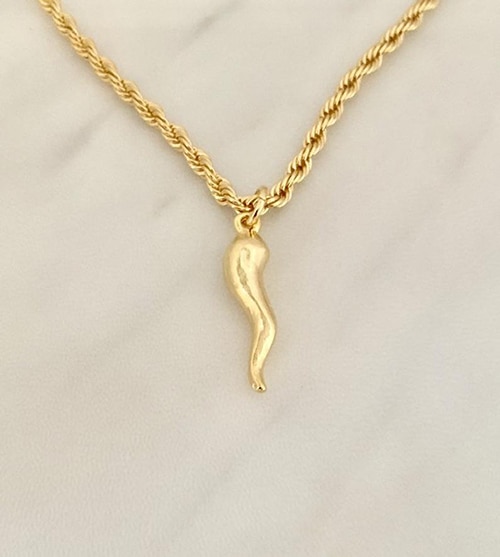
As brand identities become more streamlined, we are likely to see the Italian horn abstracted into even simpler geometric forms. A brand might use a single curved line that mimics the sweep of the Cornicello to suggest its essence without being literal. This minimalist approach allows the brand to remain modern while still benefiting from the “latent power” of the symbol’s history. It caters to a sophisticated consumer who appreciates subtlety and “insider knowledge” over overt displays of symbolism.
The Emotional ROI of Symbolic Associations
In the future, the success of a brand will be measured not just by its financial Return on Investment (ROI), but by its emotional resonance. The Italian horn symbolizes a connection to something larger than the self—to history, to luck, and to a shared human experience of seeking protection. Brands that can successfully weave this symbolism into their core identity will create a loyal following that transcends the product itself. They move from being a brand to being a “legacy,” an essential part of the consumer’s personal narrative and world-view.
In conclusion, the Italian horn is far more than a simple charm. In the world of brand strategy, it is a versatile and potent tool that symbolizes heritage, protection, and the promise of a prosperous future. Whether used by a global luxury house or an emerging personal brand, the Cornicello provides a bridge between the ancient past and the digital future, proving that in branding, the most powerful stories are often the ones that have been told for centuries.
aViewFromTheCave is a participant in the Amazon Services LLC Associates Program, an affiliate advertising program designed to provide a means for sites to earn advertising fees by advertising and linking to Amazon.com. Amazon, the Amazon logo, AmazonSupply, and the AmazonSupply logo are trademarks of Amazon.com, Inc. or its affiliates. As an Amazon Associate we earn affiliate commissions from qualifying purchases.