
In the high-stakes world of digital marketing, data is the currency that drives decision-making. For brand managers, social media strategists, and business owners, the Instagram Professional Dashboard offers a treasure trove of metrics, but few are as frequently misunderstood—or as vital—as “Impressions.” While many focus on likes and comments, impressions represent the foundational layer of the marketing funnel: awareness. Understanding what Instagram impressions mean is not merely a technical requirement; it is a strategic necessity for any brand looking to scale its presence, improve its share of voice, and maximize its return on investment (ROI).
Decoding the Metric: What Exactly Are Instagram Impressions?
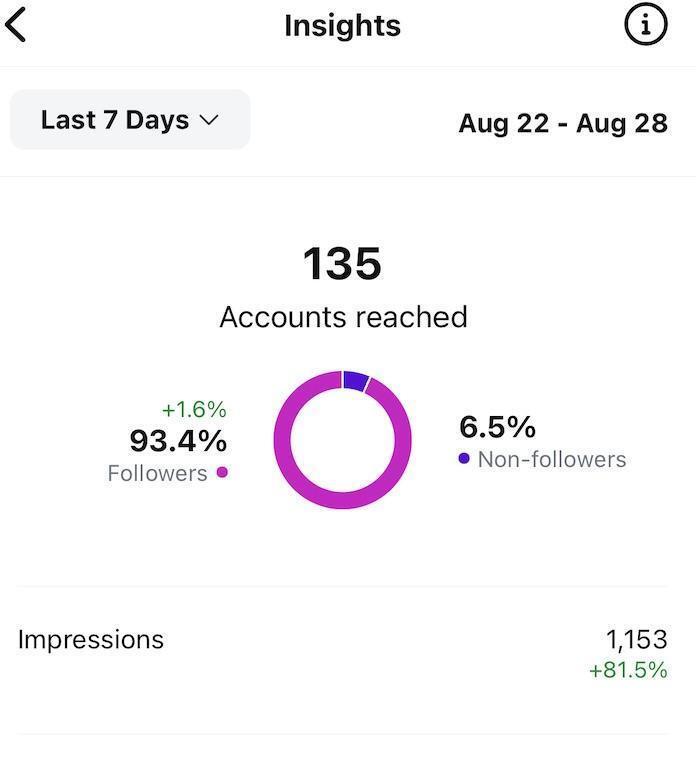
At its most basic level, an impression is recorded every time a piece of content is displayed on a user’s screen. Whether it is a static post in the main feed, a fast-moving Story, a Reel, or an advertisement, if the content appears on a device, it counts as an impression. It is important to note that this metric does not track unique individuals; rather, it tracks the total number of times the content was “rendered.”
Impressions vs. Reach: The Critical Distinction for Brands
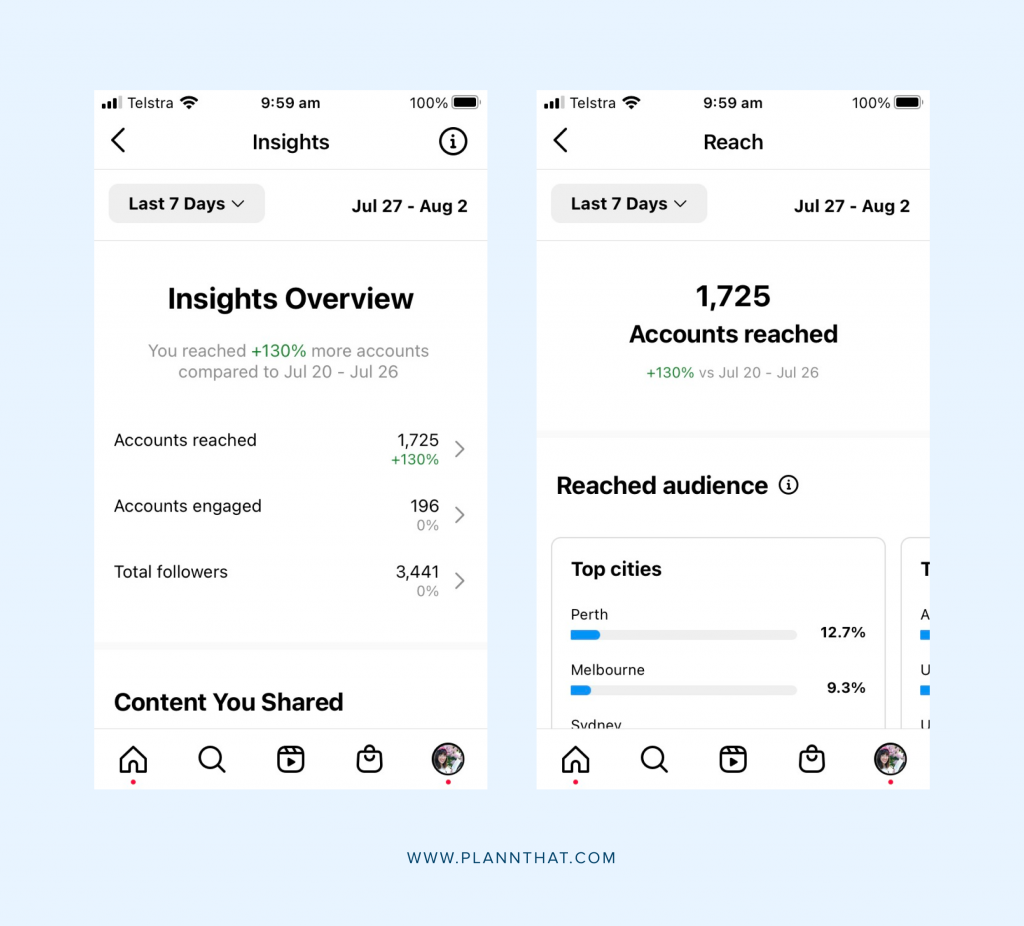
The most common point of confusion in brand analytics is the difference between impressions and reach. Reach refers to the number of unique users who have seen your content. Impressions, conversely, account for total views, including repeat views by the same user.
From a brand strategy perspective, if your reach is 1,000 but your impressions are 3,000, it means that, on average, each person in your audience viewed your content three times. This ratio is known as “frequency.” In brand marketing, frequency is a double-edged sword. High frequency can lead to better brand recall and a higher likelihood of conversion, but excessively high frequency can lead to “ad fatigue,” where the audience becomes annoyed or desensitized to your messaging.
How Instagram Tracks an Impression
Instagram’s algorithm is sophisticated. An impression is logged the moment a post enters a user’s viewport. It does not require the user to interact with the post, nor does it require the user to spend a specific amount of time on it (though “dwell time” is a separate internal metric the algorithm uses to rank content). For video content like Reels, the impression is counted as soon as the video starts to play in the feed. Understanding this helps brands realize that impressions are a measure of “potential eyes” on the brand, serving as the first touchpoint in the consumer journey.
Why Impressions Matter for Your Brand Strategy
For a corporate brand or a growing personal brand, impressions are the primary indicator of visibility. While engagement metrics (likes, saves, shares) tell you how much people like your content, impressions tell you how many people are exposed to your brand identity.
Measuring Brand Awareness and Share of Voice
In traditional advertising, brands would pay millions for “eyes” on a billboard or a television commercial. Instagram impressions provide a digital equivalent of these eyeballs. By tracking impressions over time, a marketing team can gauge the growth of their brand’s “Share of Voice” within their industry. If your impressions are trending upward, your brand is occupying more digital real estate. This top-of-funnel growth is essential because, statistically, only a fraction of those who see a brand will eventually become customers. A larger pool of impressions creates a larger pool of potential leads.
Analyzing Content Frequency and Brand Recall
The “Rule of Seven” in marketing suggests that a prospect needs to see or hear a brand’s message at least seven times before they take action. This is where impressions become a strategic tool. By monitoring the gap between reach and impressions, brand strategists can determine if their content is “sticky” enough to be revisited or if their ad targeting is effective enough to build familiarity.
If a brand is launching a new product, a high impression-to-reach ratio is often desirable. It indicates that the target demographic is seeing the announcement multiple times, reinforcing the message and moving the consumer from “unaware” to “considering.”
Types of Instagram Impressions and Their Strategic Origins
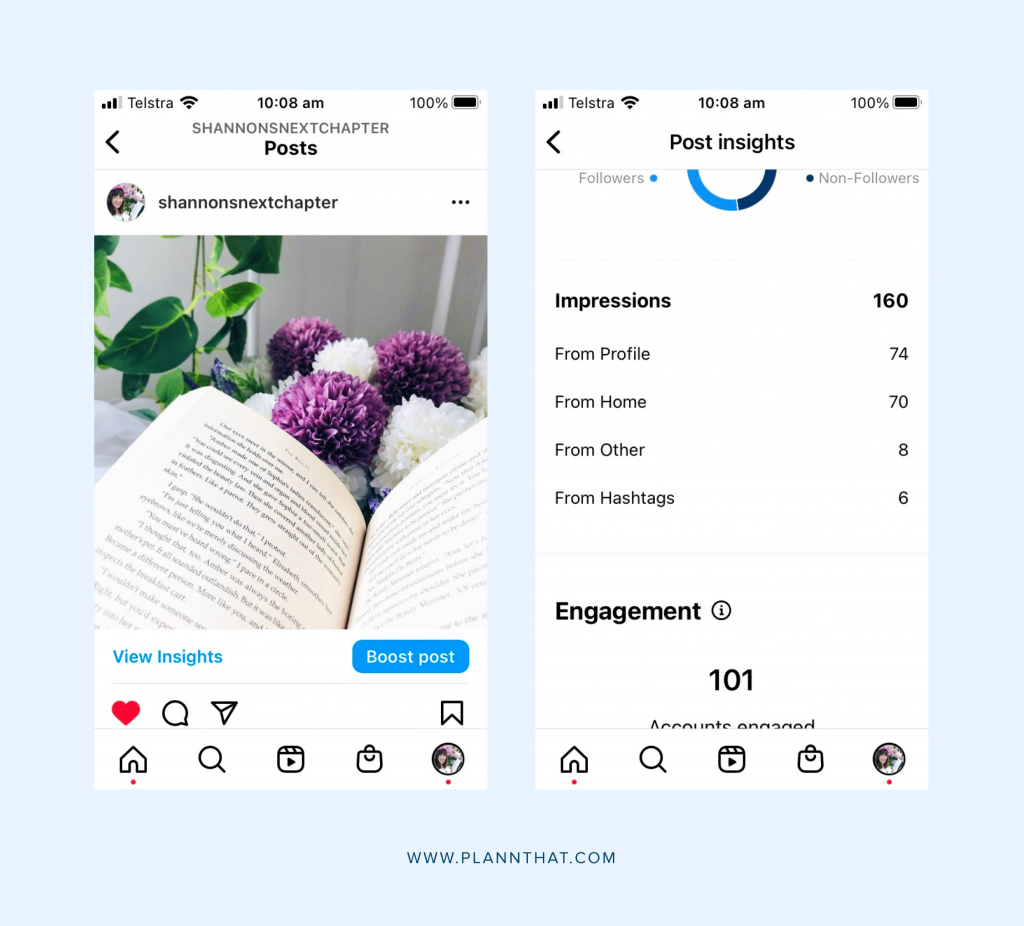
Not all impressions are created equal. Instagram Insights categorizes impressions based on where the user found the content. Analyzing these sources allows a brand to see which parts of their strategy are working and where they need to pivot.
Feed and Profile Impressions
“From Home” or Feed impressions occur when your current followers see your post in their main scrolling area. This is a measure of your brand’s health with its existing community. If Feed impressions are low compared to your follower count, it may indicate that your content is not being prioritized by the algorithm due to low historical engagement.
“From Profile” impressions occur when a user intentionally clicks on your username and scrolls through your grid. These are high-value impressions. They indicate a deeper level of interest; the user is no longer just passively consuming; they are actively investigating your brand identity.
Explore and Hashtag Impressions: The Discovery Engine
For brands looking to grow, “From Explore” and “From Hashtags” are the most critical categories. These impressions represent people who do not yet follow your brand.
- Explore: These impressions suggest that the Instagram algorithm has categorized your brand as relevant to a specific interest group.
- Hashtags: These indicate that your SEO and tagging strategy is successfully placing your brand in front of users searching for specific topics.
A brand strategy that ignores these discovery impressions will eventually stagnate. Scaling a brand requires a constant influx of new impressions from non-followers to fuel the growth of the community.
Story and Reel Impressions
Stories and Reels operate on different algorithmic triggers. Story impressions are often a measure of brand loyalty and daily habituation. Because Stories disappear after 24 hours, high impression counts here suggest that your audience is actively checking in on your brand’s daily narrative. Reels, on the other hand, are the ultimate tool for viral impressions. A single Reel can generate millions of impressions from users who have never heard of your brand, providing a massive, short-term boost in brand awareness.
How to Leverage Impression Data to Optimize Marketing ROI
Data is only as good as the insights derived from it. To truly master brand marketing on Instagram, one must move beyond viewing impressions as a “vanity metric” and start using them as a diagnostic tool.
Identifying “Sticky” Content
When a brand sees a post with an unusually high number of impressions relative to its reach, it has found “sticky” content. This is content that users are returning to view again, or perhaps saving and revisiting. For a brand, this is a signal to double down on that specific aesthetic, message, or format. It represents a “Brand Pillar” that resonates deeply with the psychology of the target audience.
Calculating Engagement Rates Based on Impressions
Many marketers calculate engagement rate based on followers, but a more accurate “Brand Health” metric is the engagement-to-impression ratio. This tells you what percentage of people who actually saw the post decided to interact with it.
- High Impressions / Low Engagement: This suggests your brand has great visibility (perhaps due to good hashtag use or high spend), but the creative execution is failing to stop the scroll or provide value.
- Low Impressions / High Engagement: This indicates a very loyal but small “inner circle.” The brand is preaching to the choir but failing to reach new audiences.
Scaling Brand Campaigns with Data-Driven Decisions
When running paid social media campaigns, impressions are the primary lever for cost control. Concepts like CPM (Cost Per Mille, or cost per 1,000 impressions) allow brands to compare the efficiency of their Instagram spend against other channels like LinkedIn or Google Ads. If the CPM is rising while the brand awareness remains stagnant, the marketing team knows they must refresh their creative assets or refine their audience targeting to regain efficiency.
Strategies to Increase Your Brand’s Impression Count
To build a dominant brand, you must maximize your impressions without sacrificing the quality of the interaction. This requires a multi-faceted approach to content distribution.
Optimizing for the Algorithm and High-Traffic Times
Timing is a significant factor in maximizing impressions. While the Instagram feed is no longer strictly chronological, “recency” still plays a role in how the algorithm distributes content. Brands should use their insights to identify when their specific audience is most active. Landing in the feed during peak hours ensures that your content is part of the initial “wave” of impressions, which can then trigger the algorithm to push the post to the Explore page for even more visibility.
The Role of Paid Media in Boosting Impressions
Organic reach has become increasingly difficult as the platform matures. For established brands, a “Pay-to-Play” strategy is often necessary to maintain a consistent baseline of impressions. Boosted posts and targeted ad campaigns allow a brand to “buy” impressions within specific demographics, ensuring that their brand message is seen by the people most likely to convert, regardless of whether the organic algorithm is currently favoring their content type.
Collaborative Growth and “Others” Impressions
The “From Other” category in Instagram Insights often includes impressions generated from shares in Direct Messages, posts shared to Stories, or saves. To increase these, brands must create “shareable” content—infographics, relatable quotes, or high-value tips that encourage users to act as brand ambassadors. When a user shares your post to their Story, your brand gains access to their entire audience’s impressions, creating a ripple effect of visibility that is both organic and highly trusted.
By mastering the nuances of Instagram impressions, a brand shifts from a reactive posture—hoping for likes—to a proactive strategy focused on total market saturation. Impressions are the pulse of a brand’s digital presence; they represent every moment your brand had the opportunity to make an impact. When managed with precision, they are the first step toward building a lasting, recognizable, and profitable corporate identity.
aViewFromTheCave is a participant in the Amazon Services LLC Associates Program, an affiliate advertising program designed to provide a means for sites to earn advertising fees by advertising and linking to Amazon.com. Amazon, the Amazon logo, AmazonSupply, and the AmazonSupply logo are trademarks of Amazon.com, Inc. or its affiliates. As an Amazon Associate we earn affiliate commissions from qualifying purchases.