
In the world of real estate and personal finance, few phrases carry as much weight—and cause as much confusion—as “under contract.” For a buyer, it represents the adrenaline-fueled transition from window shopping to potential ownership. For a seller, it signifies a move from marketing an asset to liquidating it. For an investor, it is a critical period of due diligence where the financial viability of a deal is truly tested.
At its core, a house being under contract means that a buyer has made a formal offer on a property and the seller has accepted that offer in writing. However, the transaction is far from over. This phase is a legally binding bridge between the initial agreement and the final transfer of title. Understanding the financial mechanics, risks, and strategic opportunities during this period is essential for anyone looking to build wealth through real estate.
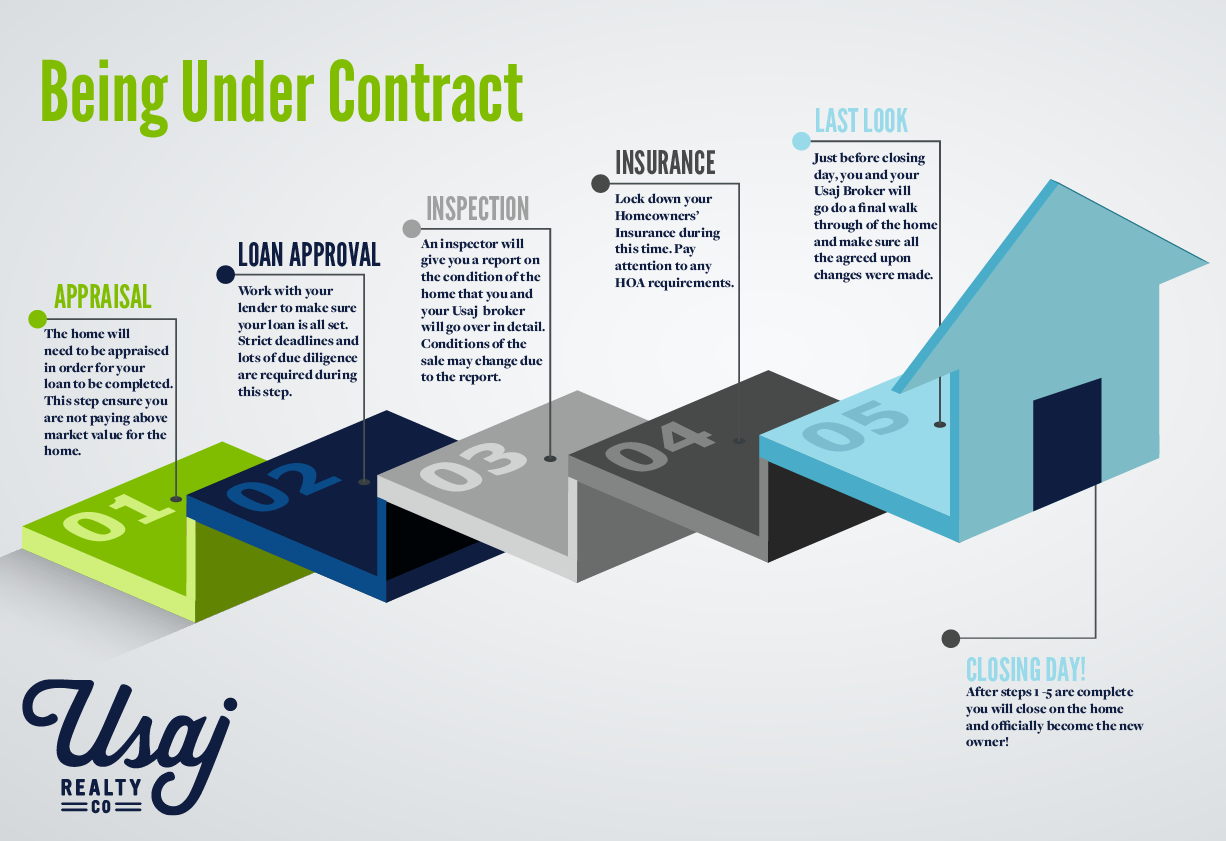
The Financial Mechanics of a Property Under Contract
When a property moves to “under contract” status, the primary legal instrument governing the relationship is the Purchase Agreement. This document outlines the sale price, the timeline for closing, and the specific conditions that must be met for the money to change hands. From a financial perspective, the most important element introduced at this stage is the Earnest Money Deposit (EMD).
The Role of Earnest Money
Earnest money is often described as a “good faith” deposit. It typically ranges from 1% to 3% of the purchase price, though in highly competitive markets, this figure can be significantly higher. This capital is not paid directly to the seller; instead, it is held in a neutral escrow account.
The EMD serves two financial purposes. First, it compensates the seller for taking the home off the market, effectively “locking” the asset. Second, it serves as liquidated damages. If the buyer breaches the contract without a legal excuse, the seller may be entitled to keep this deposit. For the buyer, this money is credited toward their down payment or closing costs at the end of the transaction. Understanding the protection of this capital is a foundational element of real estate risk management.
The Transition to Escrow
Once the contract is signed and the EMD is deposited, the deal enters “escrow.” This is a specialized financial arrangement where a third party—usually a title company or an attorney—manages the funds and documents required for the sale. During the “under contract” phase, the escrow agent ensures that all financial obligations, such as paying off the seller’s existing mortgage and settling property tax liens, are handled according to the law.
Navigating the Contingency Period: Financial Risks and Protections
The “under contract” period is rarely a straight line to closing. Most contracts include contingencies—specific conditions that must be met for the deal to proceed. These contingencies act as “exit ramps” for the buyer, allowing them to withdraw from the deal and recover their earnest money if certain financial or physical hurdles aren’t cleared.
The Inspection Contingency and Capital Allocation
The home inspection is often the first major hurdle. While it seems like a physical evaluation, it is fundamentally a financial one. If an inspector finds $20,000 worth of structural damage or a failing HVAC system, the buyer must reassess the asset’s value.
In this scenario, the buyer has three financial paths:
- Request Repairs: The seller pays to fix the issues, preserving the original contract price.
- Request Credits: The seller reduces the sale price or provides a cash credit at closing, allowing the buyer to handle repairs later.
- Terminate the Contract: If the financial burden of the repairs exceeds the buyer’s risk tolerance, they can walk away with their EMD intact.
The Appraisal Contingency and Loan-to-Value Ratios
For those utilizing mortgage financing, the appraisal is a pivotal moment. Lenders will only provide a loan based on the appraised value of the home, not necessarily the contract price. If a buyer agrees to pay $500,000 for a house, but the appraiser values it at $480,000, an “appraisal gap” is created.
This gap presents a significant financial challenge. The lender will base the Loan-to-Value (LTV) ratio on the $480,000 figure. To move forward, the buyer must either negotiate the price down to the appraised value, or bring an additional $20,000 in cash to the closing table. Understanding how to navigate an appraisal gap is a key skill for maintaining liquidity during a real estate transaction.

The Financing Contingency
Perhaps the most critical protection for a buyer is the financing contingency. This clause states that the deal is dependent on the buyer securing a mortgage with specific terms. If the buyer’s financial situation changes—for instance, due to a job loss or a significant dip in credit score—and the bank denies the loan, the financing contingency allows the buyer to exit the contract without losing their deposit. This protects the buyer from being legally forced to purchase an asset they can no longer afford.
Investment Implications: Under Contract vs. Pending
In the lexicon of real estate listings, you will often see terms like “Under Contract,” “Active Under Contract,” and “Pending.” While they are sometimes used interchangeably, they carry different implications for investors and market analysts.
Active Under Contract: The Door is Ajar
When a property is “Active Under Contract,” it usually means the seller has accepted an offer but there are still significant contingencies to clear (like the sale of the buyer’s current home). In this state, the seller may still be allowed to show the property and even accept “backup offers.”
For a strategic investor, targeting properties that are “Active Under Contract” can be a lucrative side-hustle strategy. If the primary deal fails—which happens in roughly 5% to 15% of transactions depending on market conditions—the backup offer moves to the front of the line. This allows investors to snag properties without competing in a wide-open market.
Pending: The Final Countdown
A property moves from “Under Contract” to “Pending” when all major contingencies have been satisfied. At this point, the inspection is over, the appraisal is in, and the buyer’s financing is fully approved. The deal is effectively a “done deal,” and the probability of the transaction failing drops significantly. From a financial reporting standpoint, real estate professionals often view pending sales as a “leading indicator” of market health, as these will likely become closed sales within the next 15 to 30 days.
The Closing Process: Transitioning from Contract to Capital Asset
The final stage of being under contract is the “clearing to close.” This is the period where the lender’s underwriters give the final stamp of approval on the buyer’s financial profile.
Finalizing the Numbers
During the last days of the contract period, the buyer receives a Closing Disclosure (CD). This document is a line-by-line breakdown of the final financial transaction. It includes:
- The Final Loan Terms: Interest rate, monthly payment, and total interest over the life of the loan.
- Closing Costs: Taxes, title insurance, loan origination fees, and escrowed amounts for homeowners insurance.
- Cash to Close: The exact amount of money the buyer must wire to the title company to complete the purchase.
Title Insurance and Lien Clearance
Before the contract can be finalized, a title search is conducted. This ensures that the seller has the legal right to sell the property and that there are no “clouds” on the title. A “cloud” could be an unpaid contractor’s lien, a tax lien, or an undisclosed heir claiming ownership. Resolving these financial encumbrances is a mandatory part of the “under contract” phase to ensure the buyer receives a clean title.
Maximizing ROI: Why the Contract Period Matters
For the savvy individual looking at real estate as a component of their personal finance strategy, the “under contract” period is where the real work happens. It is the time to verify every assumption made during the search phase.
Interest Rate Lock-ins
Because mortgage rates fluctuate daily, most buyers “lock in” their interest rate during the contract period. This lock typically lasts 30 to 60 days. If rates rise while the house is under contract, the buyer is protected, ensuring their debt service remains within their planned budget. If rates fall significantly, some buyers may negotiate a “float down” option to capture the lower rate.

Tax Implications and Prorations
Under contract, the financial responsibility for the property is split between the buyer and the seller. Property taxes and utility bills are “prorated.” This means the seller pays for these expenses up until the day of closing, and the buyer takes over from that point forward. Understanding these micro-calculations ensures that there are no surprises at the closing table that could eat into the buyer’s initial cash reserves.
The “under contract” status is far more than a simple label on a real estate website. It is a complex financial state characterized by intense due diligence, risk mitigation, and capital management. By understanding the nuances of contingencies, the role of earnest money, and the importance of the appraisal process, participants can navigate the transition from a signed agreement to a successful asset acquisition with confidence and financial precision.
aViewFromTheCave is a participant in the Amazon Services LLC Associates Program, an affiliate advertising program designed to provide a means for sites to earn advertising fees by advertising and linking to Amazon.com. Amazon, the Amazon logo, AmazonSupply, and the AmazonSupply logo are trademarks of Amazon.com, Inc. or its affiliates. As an Amazon Associate we earn affiliate commissions from qualifying purchases.