
In the landscape of modern retail, few products have achieved the cult status and brand resonance of Glossier You. Launched in 2017, the fragrance was not merely an expansion into a new product category for the beauty giant; it was a strategic masterclass in brand identity. When consumers ask, “What does Glossier You smell like?” they are rarely looking for a simple list of top, heart, and base notes. Instead, they are inquiring about a specific aesthetic, a communal identity, and a revolutionary approach to sensory marketing.
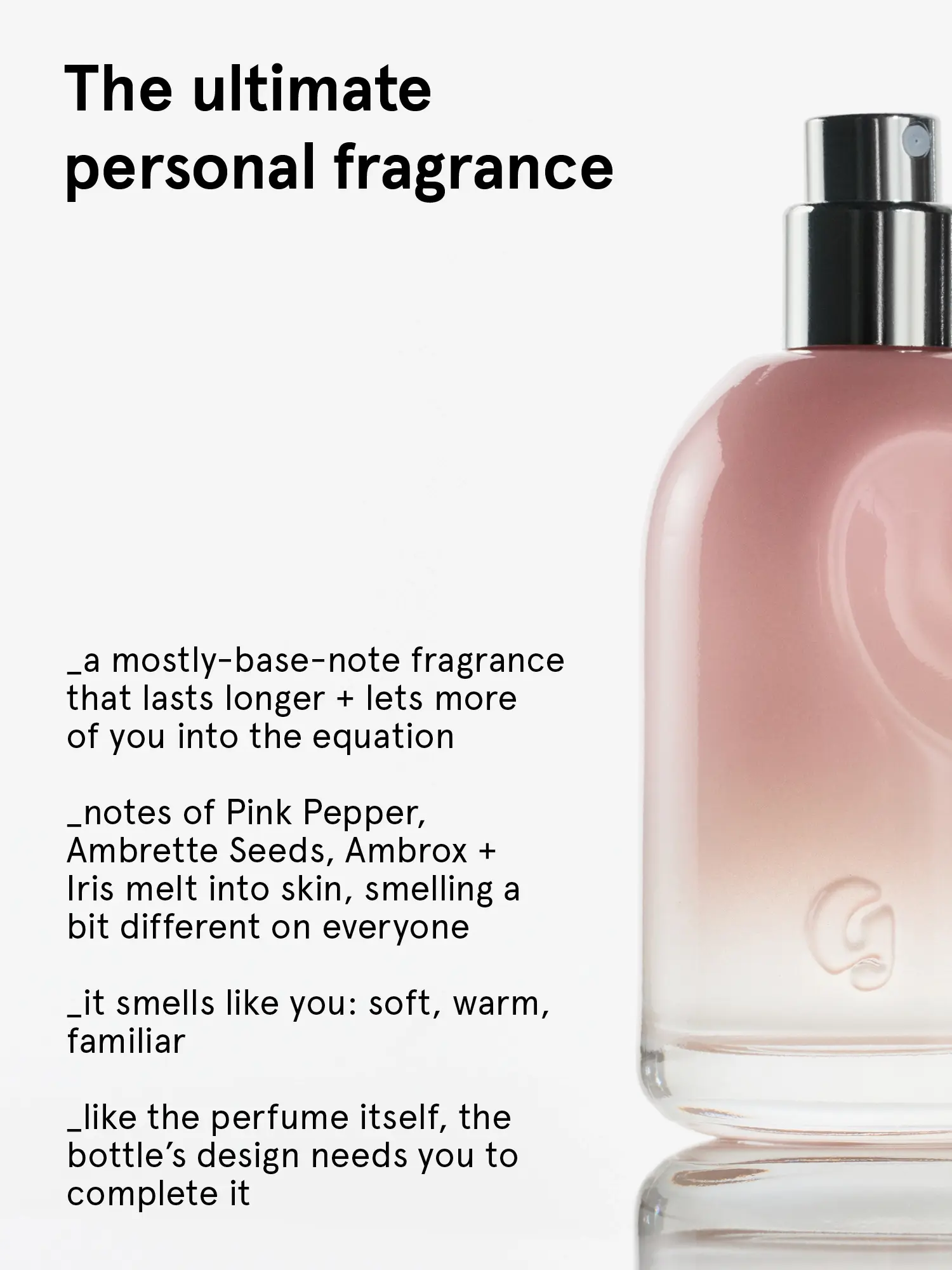
To understand the scent of Glossier You is to understand the brand strategy of Glossier itself. It is a fragrance designed to be “incomplete,” requiring the wearer’s own skin chemistry to finish the formula. This article explores how Glossier leveraged minimalism, personal branding, and disruptive marketing to create a scent that serves as a cornerstone of contemporary corporate identity.
The Architecture of an Invisible Brand Asset
Glossier You was built on a foundation of “skin-first” philosophy. While traditional perfumery often focuses on projection and “sillage”—the trail left by a perfume—Glossier’s strategy was rooted in intimacy. The goal was to create an invisible brand asset that felt internal rather than external.
Redefining the Olfactory Profile
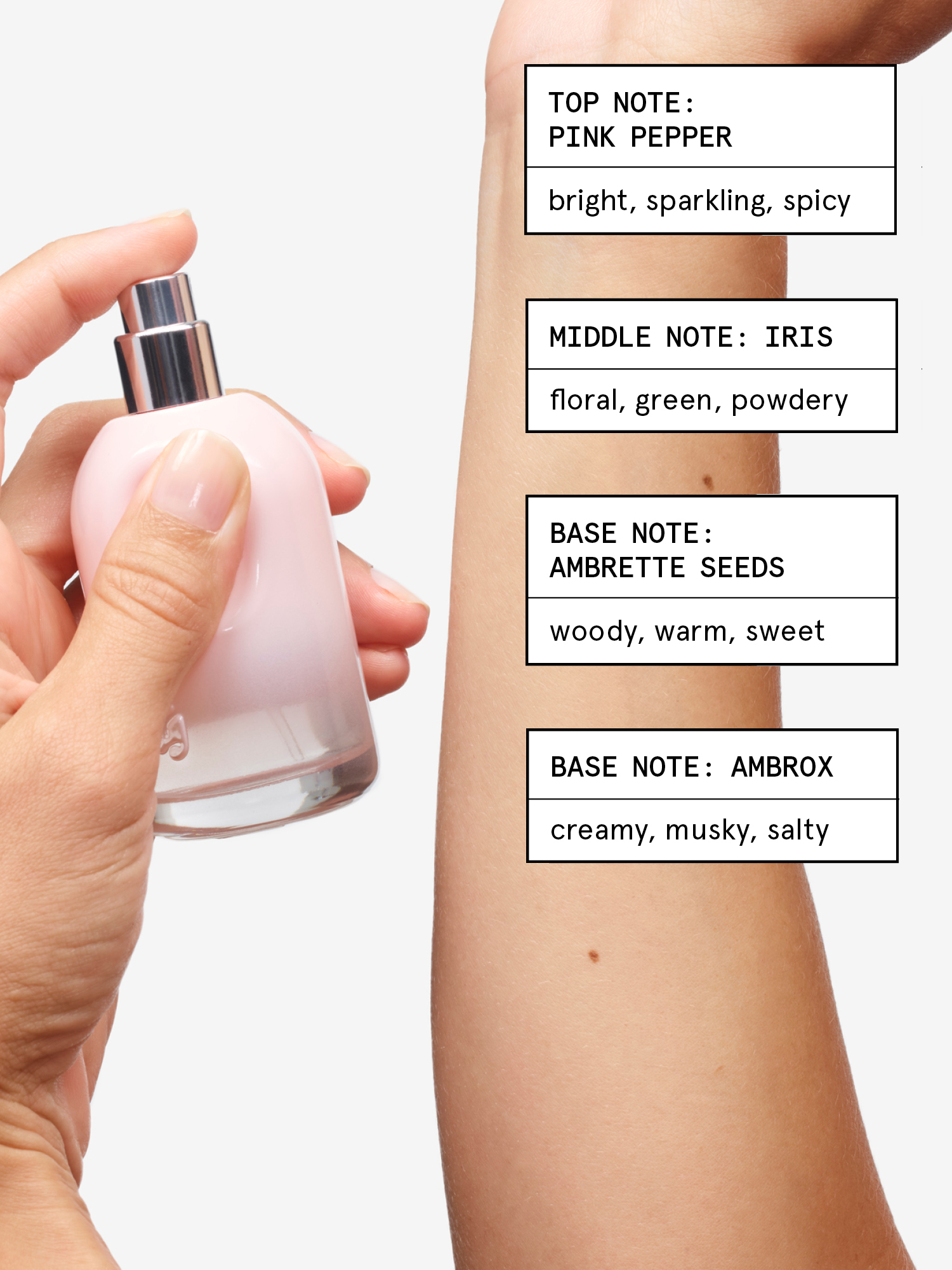
The scent profile of Glossier You is categorized as a floral woody musk, but its marketing ignores the complex technical jargon often found in luxury fragrance houses. Instead, the brand focuses on three core ingredients: pink pepper (top note), iris (heart note), and a base of ambrox and ambrette.
From a brand perspective, these choices are intentional. Pink pepper provides an immediate, bright “spice” that signifies energy and modernism. Iris adds a powdery, “clean” texture that aligns with the brand’s minimalist aesthetic. However, it is the ambrox—a synthetic version of ambergris—that does the heavy lifting. Ambrox is often described as smelling like warm skin, salt, and clean laundry. By centering the brand’s olfactory identity on a note that mimics human skin, Glossier successfully moved the product away from “perfume” and toward “personal essence.”
The Concept of the “Skin Scent”
In brand strategy, positioning is everything. Glossier You was positioned as the ultimate “skin scent.” This niche within the fragrance industry focuses on smells that are subtle, cozy, and non-intrusive. By claiming this territory, Glossier tapped into a broader cultural shift toward “no-makeup makeup” and “quiet luxury.” The scent doesn’t smell like a bouquet of flowers or a bowl of fruit; it smells like a refined version of the person wearing it. This aligns perfectly with Glossier’s mission statement: “Beauty products inspired by real life.”
Strategic Minimalism: Selling a Product That Is “Incomplete”
Most fragrance brands sell a fantasy. They use high-glamour advertisements featuring celebrities in impossible scenarios—driving vintage cars through the French Riviera or draped in silk in a gilded palace. Glossier took the opposite approach, utilizing a strategy of “intentional incompleteness.”
The “You” in Glossier You
The naming convention of the product is perhaps its most potent marketing tool. By naming the perfume “You,” the brand effectively handed the ownership of the identity back to the consumer. In brand strategy, this is known as co-creation. The marketing materials explicitly stated that the perfume was “missing one ingredient: you.”
This narrative transformed the consumer from a passive recipient of a product into an active participant in the brand’s story. It neutralized the primary barrier to buying fragrance online—the inability to smell it—by suggesting that the scent was personalized to the individual anyway. This reduced the risk of purchase and increased the emotional payoff of the brand experience.
Design Language and Packaging Strategy
The physical manifestation of Glossier You is as important as the liquid inside. The bottle, designed by the brand’s in-house team, features a distinct thumbprint indentation. This is not just an ergonomic feature; it is a visual metaphor for the brand’s philosophy of human touch and individuality.
The color palette—a specific, desaturated “Millennial Pink”—became a visual shorthand for the brand’s corporate identity. The packaging eschews the heavy crystal and ornate gold leaf of traditional perfumery in favor of a heavy, matte glass that feels like a smooth stone. This tactile experience reinforces the brand’s message of approachability and modern design, ensuring that the product looks as good on a curated Instagram feed as it smells on the skin.
Disrupting the Traditional Fragrance Marketing Model
Glossier’s success with “You” is a case study in how to disrupt a legacy industry using digital-first marketing and community engagement. Traditional fragrance marketing relies heavily on retail counters and “spritzing” in department stores. Glossier, having started as a blog (Into The Gloss), understood that community trust is the most valuable currency in the digital age.
From Aspirational Fantasy to Relatable Reality
While luxury brands were selling “aspiration,” Glossier was selling “affirmation.” The marketing campaigns for Glossier You featured diverse individuals in relatable, everyday settings. The imagery focused on close-ups of skin, rumpled bedsheets, and casual clothing.
This pivot from fantasy to reality was a calculated brand move. It allowed Glossier to capture a demographic that felt alienated by the elitism of the heritage fragrance houses. By making the scent feel like a daily essential rather than a special-occasion luxury, they increased the product’s “burn rate”—encouraging more frequent use and, consequently, more frequent repurchases.
Digital-First Scent Marketing
How do you sell a smell through a screen? Glossier solved this by leveraging user-generated content (UGC) and descriptive storytelling. They encouraged their community to describe the scent in their own words, leading to a viral wave of reviews that compared the smell to “your boyfriend’s t-shirt,” “a warm hug,” or “expensive stationery.”
This peer-to-peer marketing is far more effective for modern brands than top-down advertising. When a consumer reads a review from someone they relate to, the brand’s credibility increases. Glossier’s digital strategy turned every customer into a brand ambassador, creating a self-sustaining marketing ecosystem.
Community-Driven Loyalty and the Longevity of a Hero SKU
In the world of brand management, a “Hero SKU” is a single product that carries the weight of the brand’s reputation and revenue. Glossier You quickly became that hero. Its longevity is not an accident but a result of meticulous community management and strategic expansion.
The Feedback Loop as a Growth Engine
Glossier has famously used its community to drive product development. Before “You” was even a concept, the brand analyzed years of data from Into The Gloss comments to understand what women actually wanted in a signature scent. They discovered a desire for something that wasn’t “too much”—nothing too floral, too sweet, or too heavy.
By building a product based on direct community feedback, Glossier ensured market fit before the first bottle was even produced. This feedback loop continues to this day, with the brand frequently engaging with its “super-fans” to refine its messaging and product variations, such as the solid perfume version or the scented candle.
Scaling the Scent: From Perfume to Lifestyle
Once the olfactory identity of Glossier You was established, the brand successfully moved to colonize other areas of the consumer’s life. The scent was translated into body lotions, hand creams, and candles. This is a classic brand extension strategy: taking a successful sensory identity and applying it to different touchpoints.
By doing this, Glossier transitioned from being a beauty brand to a lifestyle brand. A consumer might start with the perfume, but soon their bathroom, their car, and their skin all carry the same cohesive brand “signature.” This creates a “sticky” brand ecosystem that is difficult for competitors to penetrate.

Lessons for Modern Brand Strategy
The story of Glossier You offers several vital lessons for anyone looking to build a modern brand in a crowded marketplace.
First, identity is more important than ingredients. While the notes of pink pepper and iris are pleasant, people buy Glossier You because of how it makes them feel—seen, modern, and individual. The brand sells an emotion, not a liquid.
Second, minimalism is a powerful differentiator. In a world of sensory overload, a brand that offers “less” can often stand out more. By stripping away the pretension of the fragrance world, Glossier created a clear, uncluttered path to the consumer.
Finally, the consumer is the final ingredient. By positioning the product as “incomplete” without the user, Glossier mastered the art of personal branding within a corporate structure. They proved that a mass-market product could still feel deeply personal.
In conclusion, when we ask “What does Glossier You smell like?” the answer is a complex blend of iris, musk, and strategic marketing. It smells like the democratization of luxury, the power of community-driven design, and the future of sensory branding. It is a scent that doesn’t just sit on the skin; it sits at the intersection of culture, identity, and commerce.
aViewFromTheCave is a participant in the Amazon Services LLC Associates Program, an affiliate advertising program designed to provide a means for sites to earn advertising fees by advertising and linking to Amazon.com. Amazon, the Amazon logo, AmazonSupply, and the AmazonSupply logo are trademarks of Amazon.com, Inc. or its affiliates. As an Amazon Associate we earn affiliate commissions from qualifying purchases.