
To the average consumer, gasoline is a liquid commodity characterized primarily by its price per gallon and its smell at the pump. However, from the perspective of modern chemical technology and refining engineering, gasoline is a highly engineered, sophisticated blend of hydrocarbons that undergoes rigorous processing to meet specific visual and functional standards. Understanding what gasoline looks like—and why it looks that way—requires a deep dive into the technological advancements of the petrochemical industry, the role of chemical additives, and the high-tech sensors used to monitor fuel quality in the digital age.
The Physicality of Fuel: Understanding the Chemical Composition
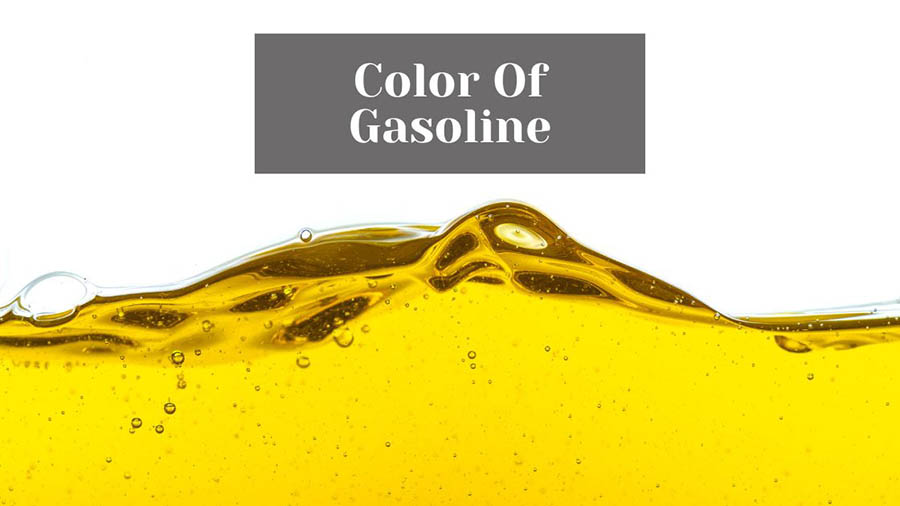
In its purest, most refined state, gasoline is a translucent liquid. Unlike the thick, dark, and viscous crude oil from which it is derived, finished gasoline typically ranges from colorless (water-white) to a slight amber or pale yellow tint. This visual transition is the result of intensive refining technologies designed to strip away impurities and reorganize molecular structures.

The Natural Gradient of Hydrocarbons
Gasoline is not a single chemical entity but a complex mixture of hundreds of different hydrocarbons, typically ranging from 4 to 12 carbon atoms per molecule. The visual appearance of this mixture is influenced by the specific blend of alkanes, cycloalkanes, and alkenes produced during the refining process. Modern distillation towers utilize precise thermal management software to separate these components based on their boiling points.
When gasoline appears yellowish, it is often due to the presence of heavier hydrocarbons or trace amounts of sulfur that have not been fully removed. Conversely, high-grade premium fuels are often clearer because they have undergone more rigorous secondary processing, such as alkylation or catalytic reforming, which creates cleaner-burning, more stable molecules.
The Role of Refining Catalysts in Visual Clarity
The “look” of gasoline is a direct byproduct of the catalytic cracking and hydrotreating processes. Fluid Catalytic Cracking (FCC) is a cornerstone of modern refinery tech, using powdered catalysts to break large molecules into the smaller ones that constitute gasoline. Following this, hydrotreater units use hydrogen and specialized metal catalysts (often cobalt or molybdenum) to remove sulfur and nitrogen.
Technologically, the clarity of gasoline is an indicator of “saturation.” Fully saturated hydrocarbons tend to be more stable and clearer. As refineries adopt more advanced AI-driven process controls, they can optimize these chemical reactions in real-time, ensuring that the fuel exiting the refinery meets strict visual and chemical specifications before it ever reaches a transport truck.
Modern Sensing Technologies and Fuel Analysis
While the human eye can distinguish between clear and murky fuel, modern technology operates on a much more granular level. For logistics companies, gas station operators, and automotive engineers, “looking” at gasoline involves sophisticated sensors and digital analysis tools that can detect contaminants invisible to the naked eye.
Spectroscopic Analysis: Seeing Beyond the Naked Eye
In high-tech laboratories and modern refineries, gasoline is “seen” through Near-Infrared (NIR) spectroscopy. This technology shines light through the fuel and measures the absorption spectra. Each chemical component in the gasoline absorbs light at specific wavelengths, creating a unique “fingerprint.”
This allows engineers to determine the octane rating, ethanol content, and chemical stability of the gasoline instantly. Software platforms integrated with these spectrometers can provide a 3D visualization of the fuel’s chemical makeup, allowing for rapid adjustments in the blending process. This ensures that the gasoline remains consistent in appearance and performance regardless of the crude oil source.
Digital Monitoring and Real-Time Contamination Detection
One of the biggest concerns in fuel technology is “phase separation,” which occurs when water enters the fuel system (often due to condensation in underground tanks). Because most modern gasoline contains ethanol, water can cause the ethanol to pull out of the gasoline solution and settle at the bottom.
To combat this, gas stations now utilize IoT-enabled Automatic Tank Gauges (ATGs). These devices use magnetostrictive probes or ultrasonic sensors to monitor the levels of fuel and water in a tank. If the “look” of the fuel changes at the bottom of the tank—indicating a layer of water—the system triggers an automated alert. This digital security layer prevents contaminated fuel from being dispensed into a vehicle’s high-tech fuel injection system, which could cause thousands of dollars in damage.
The Tech Behind Fuel Additives and Color Dyes
If you were to look at gasoline in different parts of the world or in different industrial contexts, you might see vibrant colors like red, blue, or green. These are not natural; they are the result of sophisticated chemical tagging and dye technologies used for regulatory and branding purposes.
Molecular Engineering of Performance Enhancers
The “clear” gasoline that leaves a refinery is often referred to as “base gasoline.” Before it reaches the pump, it is infused with a “tech package” of additives. These include detergents, antioxidants, and metal deactivators. These chemicals are engineered at a molecular level to keep modern engines clean by preventing carbon buildup on fuel injectors and intake valves.
While these additives are usually used in such small concentrations that they don’t change the liquid’s color, they do change how the fuel interacts with light and surfaces inside an engine. High-performance brands often use proprietary software to calculate the exact dosage of these additives based on the temperature and humidity of the region where the fuel will be sold, ensuring optimal performance.
Chemical Marking for Regulatory Compliance
In many jurisdictions, gasoline is dyed to distinguish its tax status or intended use. For example:
- Off-Road Diesel/Gasoline: Often dyed red to indicate it is tax-exempt and intended for farm or construction equipment only.
- Aviation Gasoline (Avgas): Frequently dyed blue (100LL) to ensure pilots can visually verify they are using the correct fuel grade during pre-flight inspections.
The technology used in these dyes is highly advanced; they are designed to be “nondestructive,” meaning they don’t affect the combustion properties of the fuel. Furthermore, “digital markers” are increasingly being used—invisible chemical tracers that can only be detected by specialized handheld scanners. This allows authorities to identify fuel theft or “fuel laundering” (the process of removing dyes to sell subsidized fuel at a higher price) with near-perfect accuracy.
Future-Proofing the Tank: The Rise of Synthetic and E-Fuels
As the world pivots toward decarbonization, the very definition of what gasoline “looks like” is evolving. The tech industry is currently investing billions into synthetic fuels, often referred to as e-fuels or carbon-neutral fuels.
Bio-Refining and Clearer Alternatives
Bio-gasoline, derived from plant matter or waste oils, often undergoes a process called hydro-processing to make it indistinguishable from petroleum-based gasoline. However, because bio-fuels are naturally lower in aromatics and sulfur, they often appear even clearer than traditional gas. The technology used to create these fuels involves advanced bioreactors and enzyme-based catalysts that mimic the geological processes that created fossil fuels, but over hours instead of millions of years.
The Digitization of the Energy Supply Chain
The future of gasoline—and its visual consistency—is heavily tied to blockchain and supply chain transparency tools. By using digital ledgers, fuel wholesalers can track a batch of gasoline from the refinery to the pump. Every time the fuel “changes its look” (through blending, adding ethanol, or injecting dyes), the data is logged.
For the end-user, this might eventually mean a QR code at the pump that provides a digital “certificate of analysis,” showing exactly what the gasoline looks like at a molecular level, its purity rating, and its carbon footprint. This level of transparency is driven by the demand for higher security in digital transactions and the need for precision in modern high-compression, turbocharged engines.

Conclusion
What gasoline looks like is a question with a multi-layered answer. On the surface, it is a simple, pale liquid. Beneath that surface, however, lies a world of chemical engineering, optical sensing tech, and digital monitoring systems. From the spectroscopic “fingerprinting” used in labs to the IoT sensors in underground tanks and the invisible chemical markers used for security, gasoline is a high-tech product.
As we move toward a future of synthetic fuels and highly regulated supply chains, our ability to monitor, analyze, and “see” the composition of our energy sources will only become more sophisticated. The visual clarity of gasoline remains a testament to a century of refining innovation, representing a bridge between raw natural resources and the high-performance digital world we inhabit today.
aViewFromTheCave is a participant in the Amazon Services LLC Associates Program, an affiliate advertising program designed to provide a means for sites to earn advertising fees by advertising and linking to Amazon.com. Amazon, the Amazon logo, AmazonSupply, and the AmazonSupply logo are trademarks of Amazon.com, Inc. or its affiliates. As an Amazon Associate we earn affiliate commissions from qualifying purchases.