
In the world of business finance, accounting, and commercial real estate, the acronym FF&E is a foundational concept that dictates how companies manage their physical assets, report their tax liabilities, and value their total net worth. FF&E stands for Furniture, Fixtures, and Equipment.
While the term may sound straightforward, its implications for a company’s balance sheet and tax strategy are profound. For entrepreneurs, investors, and financial managers, understanding FF&E is essential for accurate capital budgeting, depreciation scheduling, and navigating the complexities of business valuations during mergers and acquisitions.

Defining FF&E within the Financial Ecosystem
At its core, FF&E refers to tangible assets that a business uses to operate but which are not permanently attached to the building or the land it occupies. These are movable assets that do not form part of the actual structure of the real estate. A common “litmus test” used by appraisers and accountants is the “shake test”: if you were to pick up a building and shake it, everything that falls out is generally considered FF&E.
Furniture
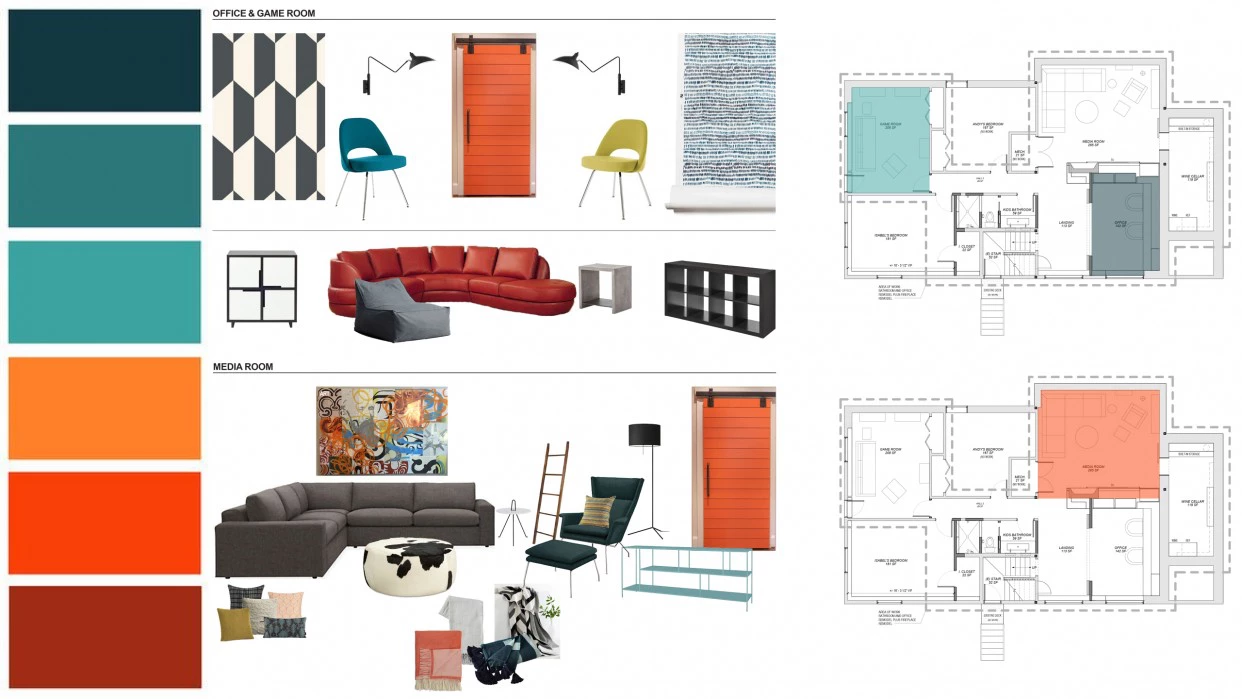
Furniture encompasses the items necessary for personnel to perform their duties and for customers to interact with the business. This includes desks, ergonomic chairs, conference tables, shelving units, sofas, and filing cabinets. In the hospitality industry, this category expands significantly to include beds, dressers, and dining sets. Because furniture has a relatively long useful life but is subject to wear and tear, it represents a significant portion of a company’s long-term asset base.
Fixtures
The “Fixtures” component of FF&E can sometimes be a point of contention between landlords and tenants. In a financial context, fixtures are items that are attached to the property but can be removed without causing significant damage to the structure. Examples include specialized lighting, window treatments, modular partitions, and decorative elements like mirrors or wall-mounted displays. It is important to distinguish these from “leasehold improvements,” which are permanent changes to the building itself, such as plumbing or built-in walls.
Equipment
Equipment is perhaps the most diverse category within FF&E. It includes the technological and mechanical tools required for revenue generation. This ranges from computers, servers, and printers in a tech office to ovens, refrigerators, and POS systems in a restaurant. It also covers specialized machinery in manufacturing or diagnostic tools in a medical clinic. Because technology evolves rapidly, equipment often has a shorter useful life than furniture, necessitating different depreciation strategies.
The Accounting Lifecycle of Furniture, Fixtures, and Equipment
From an accounting perspective, FF&E items are classified as long-term tangible assets. They are not intended for sale to customers (unlike inventory) and are expected to provide economic value to the firm for a period exceeding one year.
Capitalization vs. Expensing
One of the first financial decisions a business makes regarding FF&E is whether to capitalize or expense a purchase. Most businesses set a “capitalization threshold.” For instance, a company might decide that any item costing less than $2,500 is expensed immediately in the year of purchase. However, larger investments—such as a $50,000 suite of office furniture or a $100,000 server rack—must be capitalized. This means the cost is recorded on the balance sheet as an asset and gradually written off over time.
The Role of Depreciation
FF&E assets lose value over time due to wear, tear, and obsolescence. This loss in value is captured through depreciation. Depreciation serves a dual purpose: it matches the cost of the asset to the revenue it helps generate (the matching principle), and it provides a tax shield by reducing taxable income.
In the United States, the Internal Revenue Service (IRS) provides specific guidelines for the useful life of FF&E. Under the Modified Accelerated Cost Recovery System (MACRS), most office furniture and equipment are depreciated over a five- or seven-year period. Accountants must choose between straight-line depreciation (equal expense every year) or accelerated methods like double-declining balance, which front-loads the expense to maximize tax savings in the early years of the asset’s life.
Net Book Value
The “Net Book Value” of FF&E is the original purchase price minus the accumulated depreciation. For investors looking at a company’s financial health, the relationship between the gross value of FF&E and its net book value can reveal how much the company is investing in its own infrastructure. If the net book value is very low compared to the original cost, it may indicate that the company’s equipment is aging and will soon require a significant capital outlay for replacement.
FF&E in Business Valuation and Mergers & Acquisitions
When a business is being sold, the FF&E often becomes a major point of negotiation. The value assigned to these assets can significantly impact the total purchase price and the tax consequences for both the buyer and the seller.
Asset vs. Stock Sales
In a stock sale, the buyer acquires the entire legal entity, including all its assets and liabilities. However, in an asset sale, the buyer picks and chooses which assets they want. In these scenarios, a detailed FF&E schedule is mandatory. Buyers often prefer asset sales because they can “step up” the basis of the FF&E to its current Fair Market Value (FMV), allowing them to begin a new depreciation cycle and increase their tax deductions.
Valuation Methodologies
Valuing FF&E is not as simple as looking at the balance sheet. Accountants and appraisers typically use three methods:
- Cost Approach: What would it cost to replace the item with a new version of similar utility, minus physical depreciation?
- Market Approach: What are similar used items selling for on the secondary market? This is common for vehicles or standardized industrial machinery.
- Income Approach: Rarely used for individual pieces of furniture, but sometimes applied to specialized equipment that directly generates a specific stream of income.
During a liquidation, FF&E is often valued at “forced liquidation value,” which is the expected price in a high-pressure, short-term sale. For a healthy going-concern business, “orderly liquidation value” is more appropriate, reflecting what the assets would fetch if the seller had several months to find buyers.
Strategic Budgeting and Capital Expenditure Planning
For growing companies, managing the FF&E budget is a critical component of Capital Expenditure (CapEx) planning. Failing to account for the replacement cycle of these assets can lead to sudden cash flow crises.
The Replacement Cycle
Every piece of FF&E has a shelf life. Laptops may need replacement every three years, while high-quality boardroom tables might last twenty. A sophisticated financial plan includes an FF&E reserve—a dedicated fund where money is set aside monthly to cover future equipment upgrades. This is particularly common in the hotel industry, where brands require owners to spend a certain percentage of gross revenue on FF&E to maintain brand standards (often called an “FF&E Reserve” or “Reserve for Replacement”).
Leasing vs. Buying
Many businesses choose to lease their FF&E rather than purchase it outright. This is a strategic “Money” move that preserves liquidity. Leasing equipment like copiers, vehicles, or medical devices allows a company to access the latest technology without a massive upfront cash commitment. From a tax perspective, lease payments are often fully deductible as operating expenses, which can be simpler than managing complex depreciation schedules for owned assets.
Tax Implications and the Impact on Cash Flow
The management of FF&E is one of the most effective ways for a business to optimize its tax position. Governments often use FF&E tax policy as a lever to encourage business investment.
Section 179 Deductions
In the U.S., Section 179 of the tax code allows businesses to deduct the full purchase price of qualifying FF&E in the year it is placed in service, rather than depreciating it over several years. This is a powerful tool for small to mid-sized businesses to reduce their tax burden and immediately reinvest that cash back into the company. There are limits on the total amount that can be deducted, making it essential for business owners to time their equipment purchases strategically at year-end.
Bonus Depreciation
Similar to Section 179, bonus depreciation allows for an immediate deduction of a large percentage of the purchase price of eligible assets. While Section 179 is often capped at a specific dollar amount, bonus depreciation can be applied to larger investments, making it a favorite for capital-intensive industries like manufacturing or large-scale logistics.
Property Tax Considerations
It is also worth noting that in many jurisdictions, FF&E is subject to business personal property tax. Unlike real estate tax, which is based on the value of the land and building, this tax is levied on the value of the movable assets. Businesses must file annual renditions listing their FF&E to the local tax assessor. Efficiently tracking the aging and disposal of equipment ensures that a company does not pay taxes on “ghost assets”—items that have been discarded or broken but remain on the books.
Conclusion
FF&E is much more than an acronym for office chairs and computers; it is a vital category of business finance that touches every aspect of a company’s fiscal health. From the initial capital allocation and the ongoing tax benefits of depreciation to the complex role these assets play in business valuations, FF&E represents the tangible engine of a company’s operations. By mastering the management of Furniture, Fixtures, and Equipment, business leaders can ensure greater accuracy in their financial reporting, optimize their tax strategies, and maintain a competitive edge through well-timed infrastructure investments.
aViewFromTheCave is a participant in the Amazon Services LLC Associates Program, an affiliate advertising program designed to provide a means for sites to earn advertising fees by advertising and linking to Amazon.com. Amazon, the Amazon logo, AmazonSupply, and the AmazonSupply logo are trademarks of Amazon.com, Inc. or its affiliates. As an Amazon Associate we earn affiliate commissions from qualifying purchases.