
In the era of instant gratification and the “Amazon Effect,” the logistical arm of a business has transitioned from a back-office function to a primary pillar of brand strategy. When a consumer sees the notification “Delivery Exception” on their FedEx tracking page, it is more than a logistical update; it is a critical moment of truth in the customer journey. For a brand like FedEx—and the thousands of e-commerce brands that rely on it—this status update represents a potential fracture in the brand promise of reliability and speed.

Understanding what a delivery exception means through the lens of brand management requires looking beyond the immediate delay. It necessitates an analysis of how corporate identity, communication transparency, and customer experience (CX) converge to maintain brand equity when the physical supply chain encounters a hurdle.
The Branding of Logistics: Why Every Notification Matters
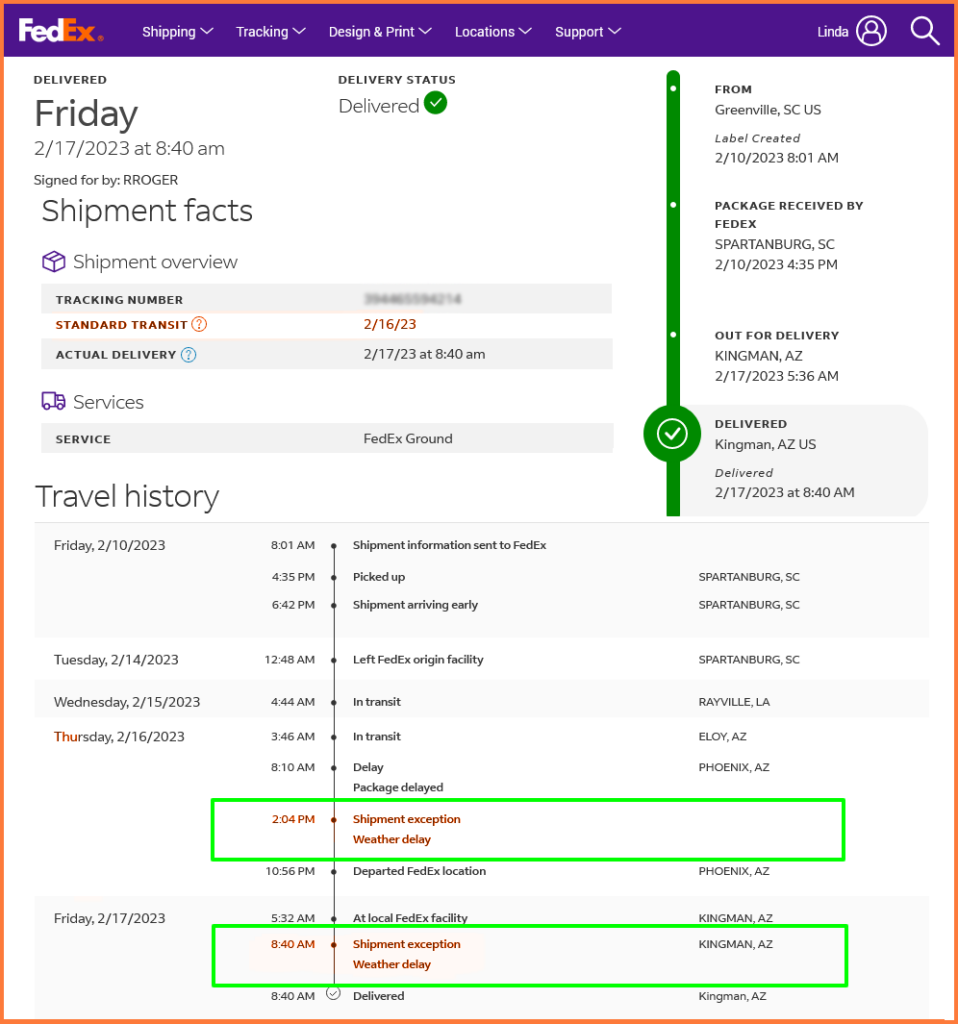
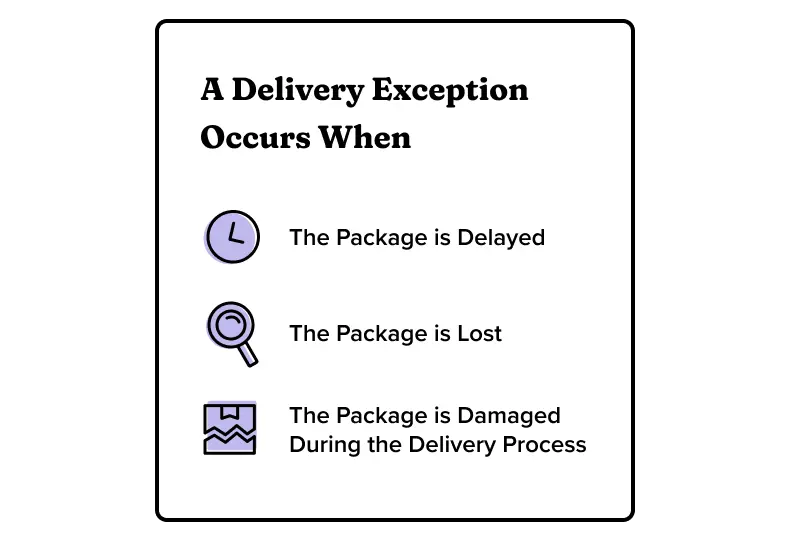
In modern commerce, the delivery person is often the only physical interaction a customer has with a brand. Therefore, the digital notifications leading up to that interaction carry immense weight. A “delivery exception” is a broad term used by FedEx to indicate that a package has been temporarily delayed in transit due to an unforeseen event. While the term itself is neutral, the emotional response from the consumer is often negative.
The Customer Journey and the Last-Mile Touchpoint
The “last mile” is the most expensive and complex part of the logistics chain, but it is also the most vital for brand perception. When a brand promises “two-day shipping,” that promise becomes the benchmark for the consumer’s trust. A delivery exception acts as a disruption to this narrative. From a brand strategy perspective, the last-mile experience is the final opportunity to solidify loyalty. If handled poorly, an exception status can lead to “delivery anxiety,” a psychological state where the consumer feels a loss of control, directly reflecting poorly on both the carrier and the merchant.
The Psychology of “Exception” Language
In branding, language is everything. The word “exception” is a piece of corporate jargon that attempts to sanitize a failure to meet a deadline. While it sounds professional, it lacks clarity for the average consumer. Effective brand communication thrives on transparency. When a customer sees “delivery exception,” their first question is “Why?” and their second is “When?” Brands that fail to provide immediate context to these questions risk being perceived as evasive or incompetent. FedEx’s use of this terminology is a study in balancing operational nomenclature with the need for consumer-facing clarity.
Interpreting the FedEx Delivery Exception from a Brand Perspective
A delivery exception can be triggered by a multitude of factors, ranging from weather conditions to missing documentation. Each cause presents a different challenge to the brand’s image of efficiency and control.
Common Causes and Their Impact on Corporate Identity
- Weather and Natural Disasters: These are generally seen as “acts of God.” While they delay the package, they rarely damage the brand’s reputation, provided the communication is proactive.
- Incorrect Address or Missing Information: This shifts the “fault” to the sender or recipient. However, a premium brand distinguishes itself by how it helps resolve these errors.
- Customs Delays: For international shipping, this is a common exception. It highlights the brand’s role as a global navigator.
- Security and Safety Concerns: If a package is deemed unsafe or requires a signature that wasn’t available, it reflects a brand’s commitment to security—a positive brand attribute if communicated correctly.
Transparency as a Brand Value
In the modern market, transparency is a high-value currency. A FedEx delivery exception is an opportunity for a brand to demonstrate its commitment to honesty. When a brand proactively explains that an exception has occurred and provides a revised timeline, it builds “recoverable trust.” Research in customer experience suggests that a well-handled service failure can actually result in higher customer loyalty than if no failure had occurred at all—a phenomenon known as the Service Recovery Paradox.
Managing Reputation During Service Interruptions
For businesses that use FedEx to ship their products, the delivery exception is a shared burden. The customer rarely distinguishes between the manufacturer and the carrier; to them, the “brand” has failed to deliver. Therefore, managing the reputation during these interruptions is a collaborative effort in brand alignment.
Turning a Crisis into a Loyalty Opportunity
When a delivery exception occurs, the subsequent steps define the brand’s resilience. High-end brands often use these moments to over-communicate. For example, if a luxury retailer sees a FedEx exception on a high-value order, their customer service team might reach out to the customer before the customer even checks the tracking link. This proactive stance transforms a logistical “exception” into a “white-glove” service moment. It signals that the brand is watching over the customer’s interests, reinforcing a sense of premium care.
The Role of Consistent Communication
Consistency is the bedrock of brand identity. If a brand’s website is sleek, modern, and user-friendly, but its delivery notifications are cryptic and dated, there is a brand misalignment. FedEx has invested heavily in its digital interface to ensure that “delivery exception” updates are accompanied by as much data as possible—maps, estimated delivery windows, and clear “next steps” instructions. This technological investment is, at its core, a brand investment designed to reduce friction and maintain a professional corporate identity.
Case Study: How FedEx Maintains Brand Authority Through Logistics Challenges
FedEx has built its brand on the slogan “The World on Time.” This is a bold brand promise that leaves little room for error. When exceptions occur, the company relies on its long-standing reputation for systemic excellence to weather the storm.
Proactive vs. Reactive Branding
FedEx doesn’t just wait for the customer to find an exception; they have developed an ecosystem of alerts. By pushing notifications to mobile devices and smartwatches, they control the narrative. Reactive branding—waiting for the customer to complain—is a defensive posture that erodes equity. Proactive branding—admitting to an exception before being asked—is an offensive posture that demonstrates mastery over the situation.
The Competitive Advantage of Reliability
In the logistics industry, “reliability” is the primary product being sold. A delivery exception is a stress test for that reliability. FedEx’s ability to resolve exceptions quickly is what separates it from lower-tier regional carriers. From a marketing standpoint, the “Delivery Exception” status is a placeholder for the brand’s problem-solving capabilities. Every time an exception is resolved ahead of the revised schedule, the brand’s authority is reinforced.
The Future of Brand Loyalty in the Age of Instant Fulfillment
As we move toward a future defined by autonomous delivery, drone logistics, and AI-driven supply chains, the concept of a “delivery exception” will evolve, but the brand implications will remain the same.
The Shift from Speed to Certainty
While speed was the primary brand differentiator for decades, the focus is shifting toward “certainty.” Consumers are becoming more forgiving of a three-day wait if they are 100% certain of when those three days will end. A delivery exception is the enemy of certainty. Future brand strategies will likely focus on “predictive logistics,” where AI identifies potential exceptions before they happen—such as predicting a weather delay and rerouting a package—thereby maintaining the brand promise without the customer ever seeing a negative status update.
The Importance of Humanizing the Brand
Despite the high-tech nature of modern logistics, the human element remains vital in brand recovery. When a delivery exception happens, the availability of a human touch—whether through a responsive social media team or a helpful customer service representative—can mitigate the frustration of a digital “exception” status. This humanization reminds the customer that behind the “FedEx” logo is a team of people committed to solving their problem.
In conclusion, a “delivery exception” on a FedEx tracking report is far more than a technicality. It is a pivotal touchpoint in the brand-customer relationship. For FedEx, it is an opportunity to showcase operational resilience. For the businesses that use FedEx, it is a test of their customer service strategy. By viewing these exceptions through the lens of brand strategy rather than just logistics, companies can turn potential points of friction into powerful demonstrations of reliability, transparency, and commitment to the customer. In the end, a brand is not defined by its ability to be perfect, but by its ability to maintain its integrity when things go wrong.
aViewFromTheCave is a participant in the Amazon Services LLC Associates Program, an affiliate advertising program designed to provide a means for sites to earn advertising fees by advertising and linking to Amazon.com. Amazon, the Amazon logo, AmazonSupply, and the AmazonSupply logo are trademarks of Amazon.com, Inc. or its affiliates. As an Amazon Associate we earn affiliate commissions from qualifying purchases.