
In the world of corporate identity and marketing, some of the most powerful brand names are those that were never intended to be brands at all. Among the most enduring and prestigious examples is “COPO.” To the uninitiated, it sounds like a dry, bureaucratic acronym. To the automotive enthusiast and brand strategist, it represents a masterclass in “stealth branding”—the art of creating high-value, high-desire products through intentional scarcity and the bypassing of traditional marketing channels.
COPO stands for Central Office Production Order. Originally conceived as a logistical system for fleet sales and specialized utility vehicles, the COPO designation evolved into one of the most significant sub-brands in history. It represents a fascinating intersection of corporate structure, consumer demand, and the accidental creation of brand equity.
The Origins of the Central Office Production Order
At its core, the COPO system was a administrative tool used by General Motors, specifically Chevrolet. During the mid-20th century, the standard process for ordering a vehicle involved the Regular Production Option (RPO) list. This list included various engines, paints, and interior trims that a consumer could select at a local dealership. However, large-scale clients—such as police departments, taxi companies, and state governments—often required specifications that were not available on the standard retail menu.
The Central Office Production Order was the mechanism used to fulfill these specialized requests. It was the “back door” of the ordering system, allowing for the installation of heavy-duty suspensions, specialized cooling systems, or unique paint colors for fleet vehicles. It was never intended for the general public, and it certainly was never intended to be a marketing tool.
From Bureaucratic Code to Cultural Icon
The transformation of COPO from a fleet-ordering system into a legendary brand began in the late 1960s. High-performance enthusiasts and savvy dealership owners realized that the same system used to build heavy-duty municipal trucks could be used to circumvent corporate edicts regarding performance limits.
During this era, General Motors had a strict policy: no mid-sized car or smaller could be equipped with an engine larger than 400 cubic inches. This put Chevrolet at a disadvantage against competitors who were not bound by the same internal restrictions. By using the COPO system, enterprising dealers like Don Yenko and Fred Gibb were able to order Camaros and Chevelles equipped with massive 427-cubic-inch L72 engines—engines typically reserved for the Corvette or larger trucks.
This was the birth of the “Stealth Brand.” Because these vehicles were not part of the standard RPO list, they were not advertised in brochures. They didn’t have fancy decals or television commercials. They were “insider” machines, known only to those who understood the internal mechanics of the corporation.
The Mechanics of the “Inside Track”
The COPO designation proved that a brand’s value is often determined by the difficulty of acquisition. By bypassing the standard consumer experience, the COPO cars created a new tier of luxury: the luxury of knowledge. In branding, this is often referred to as the “inside track” strategy. When a product is not officially “on the menu,” its value skyrockets among collectors and aficionados.
This bureaucratic loophole allowed Chevrolet to maintain its “family-friendly” corporate image on the surface while simultaneously dominating the high-performance market in the shadows. It was a dual-brand strategy: the public-facing brand focused on reliability and value, while the underground COPO brand focused on raw, unfiltered power.
COPO as a Masterclass in Accidental Brand Strategy
The story of COPO offers profound insights into how brands can build prestige without traditional advertising. In the modern era, where consumers are bombarded with thousands of marketing messages daily, the “pull” strategy of COPO—where the consumer must seek out the product—is more relevant than ever.
Scarcity and the Power of the “If You Know, You Know” Factor
In marketing, the “If You Know, You Know” (IYKYK) factor is a powerful driver of brand loyalty. It creates an in-group of experts who feel a deep emotional connection to the product because they possess knowledge that the general public does not. The COPO acronym became a secret handshake for the performance community.
This type of branding is inherently resilient. Because it is not built on hype or expensive ad campaigns, it is less susceptible to market fatigue. The value is rooted in the product’s specifications and the story of its creation. For a brand manager, the lesson is clear: sometimes, the most effective way to build a premium identity is to stop selling to everyone and start catering to the “super-user” who values exclusivity over convenience.
Building Authority through Niche Performance
One of the reasons the COPO name survived decades of corporate restructuring is its unwavering commitment to a specific niche. While the Chevrolet brand had to appeal to millions of different drivers, the COPO brand had only one goal: performance on the drag strip.
By narrowing the focus, the COPO designation achieved a level of authority that a broader brand could never reach. This is a common strategy in modern brand architecture. Large corporations often create “skunkworks” projects or limited-edition sub-brands to test the boundaries of their engineering and design without risking the core brand’s reputation. COPO was the original skunkworks, proving that a brand is most powerful when it stands for one specific, uncompromising thing.
The Modern Evolution: Protecting and Revitalizing a Heritage Brand
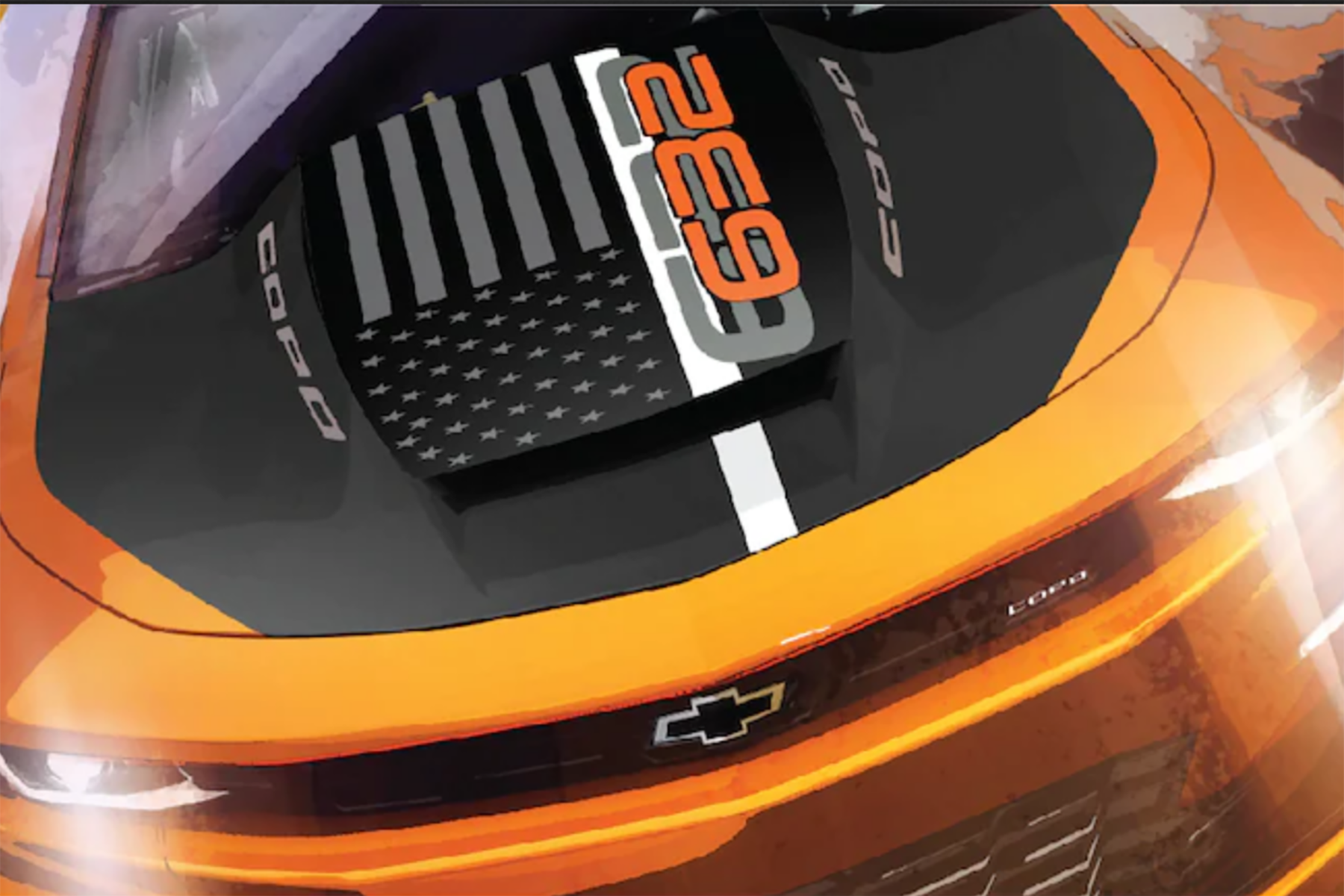
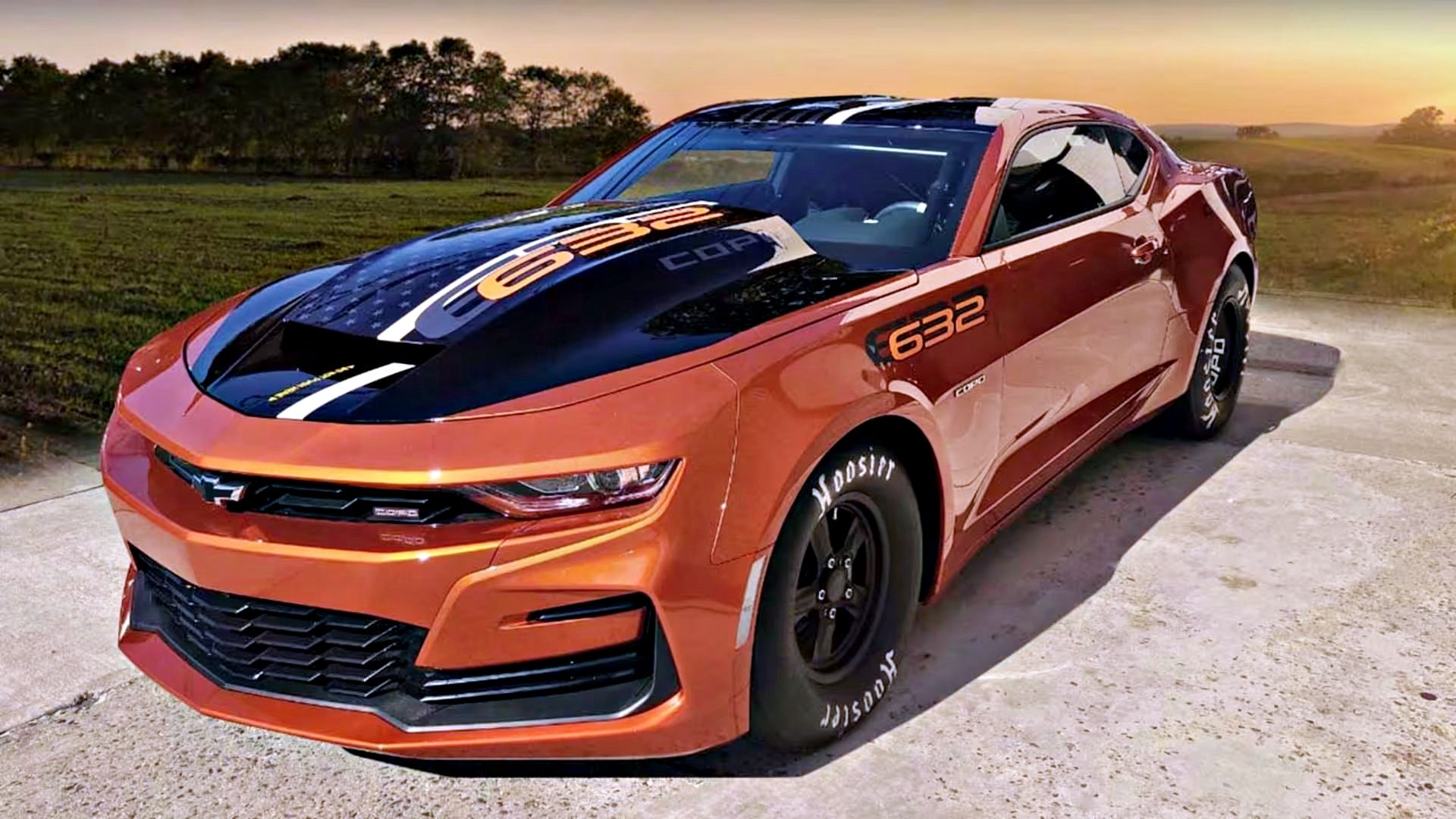
Today, General Motors has leaned into the legacy of the COPO acronym, transforming it from a historical loophole into a formal high-performance sub-brand. The modern COPO Camaro is a factory-built race car, sold in limited numbers and designed specifically for NHRA drag racing.
Transitioning from Fleet Orders to Luxury Performance
The transition of COPO from a bureaucratic code to a luxury performance brand required a careful balancing act. If the company produced too many, the “secret” would be lost, and the brand value would dilute. If they produced too few, the brand would fade into obscurity.
Chevrolet solved this by limiting production to exactly 69 units per year—a nod to the 69 ZL-1 COPO Camaros built in 1969. This use of “heritage marketing” connects the modern product to its historical roots, justifying a premium price point and ensuring that every vehicle sold becomes an instant collector’s item. In brand strategy, this is known as “leveraging legacy assets”—taking a piece of company history and repackaging it for a modern audience that craves authenticity.
Replicating the COPO Model in Contemporary Markets
The COPO model is being replicated across various industries today. We see it in the fashion world with “drops” from brands like Supreme, where items are released in limited quantities through non-traditional channels. We see it in the tech world with “invitation-only” software betas or hardware releases that require a specific level of community involvement to access.
The underlying principle remains the same: bypass the traditional marketing funnel and speak directly to the core enthusiast. By doing so, a brand can command higher prices, ensure better customer retention, and build a “mythology” around its products. The COPO acronym is proof that a brand’s name matters less than the story behind it.
Brand Identity Lessons from the COPO Playbook
For business leaders and brand strategists, the history of what COPO stands for provides a blueprint for creating long-term brand equity. It challenges the notion that every product needs a massive launch and a multi-million dollar ad spend.
Leverage Existing Infrastructure for Innovation
The COPO cars weren’t built in a separate factory; they were built on the same assembly lines as standard grocery-getters. The “innovation” was not a new building or a new staff, but a new way of using existing systems. In any organization, there are often “hidden” systems or departments that can be used to create specialized products or services. Brand innovation often comes from looking at your internal processes and asking, “How can we use this differently?”

The Importance of Community-Driven Brand Equity
Ultimately, the COPO brand was not built by Chevrolet’s marketing department; it was built by the racers, the dealers, and the enthusiasts who recognized the value of the 427 engine. The company provided the tool (the ordering system), but the community provided the prestige.
In the digital age, community-driven branding is the gold standard. When your customers become the primary advocates for your brand—and when they are the ones defining what your brand stands for—you have achieved a level of market penetration that no advertisement can buy.
“COPO” may officially stand for Central Office Production Order, but in the marketplace, it stands for the power of the underground, the prestige of the insider, and the enduring value of a product built for those who know exactly what they are looking for. It is a reminder that sometimes the best brand strategy is to keep a secret, build something extraordinary, and let the world beat a path to your door.
aViewFromTheCave is a participant in the Amazon Services LLC Associates Program, an affiliate advertising program designed to provide a means for sites to earn advertising fees by advertising and linking to Amazon.com. Amazon, the Amazon logo, AmazonSupply, and the AmazonSupply logo are trademarks of Amazon.com, Inc. or its affiliates. As an Amazon Associate we earn affiliate commissions from qualifying purchases.