
Chlorine is often perceived by the casual swimmer as nothing more than a chemical with a distinct odor and a tendency to turn eyes red. However, within the realm of chemical engineering and water management technology, chlorine represents one of the most successful and vital applications of sanitation science in modern history. Far from being a simple additive, chlorine is the primary engine of a complex technological system designed to maintain biological safety in a high-risk environment.
To understand what chlorine does in a pool is to understand the intersection of molecular chemistry and mechanical filtration. It is a multi-functional tool that serves as a disinfectant, an oxidizer, and a residual protector. In an era where “smart” technology is moving from our pockets into our backyards, the role of chlorine is evolving from manual application to automated, sensor-driven precision.
The Chemical Engineering of Clean Water: How Chlorine Functions at a Molecular Level
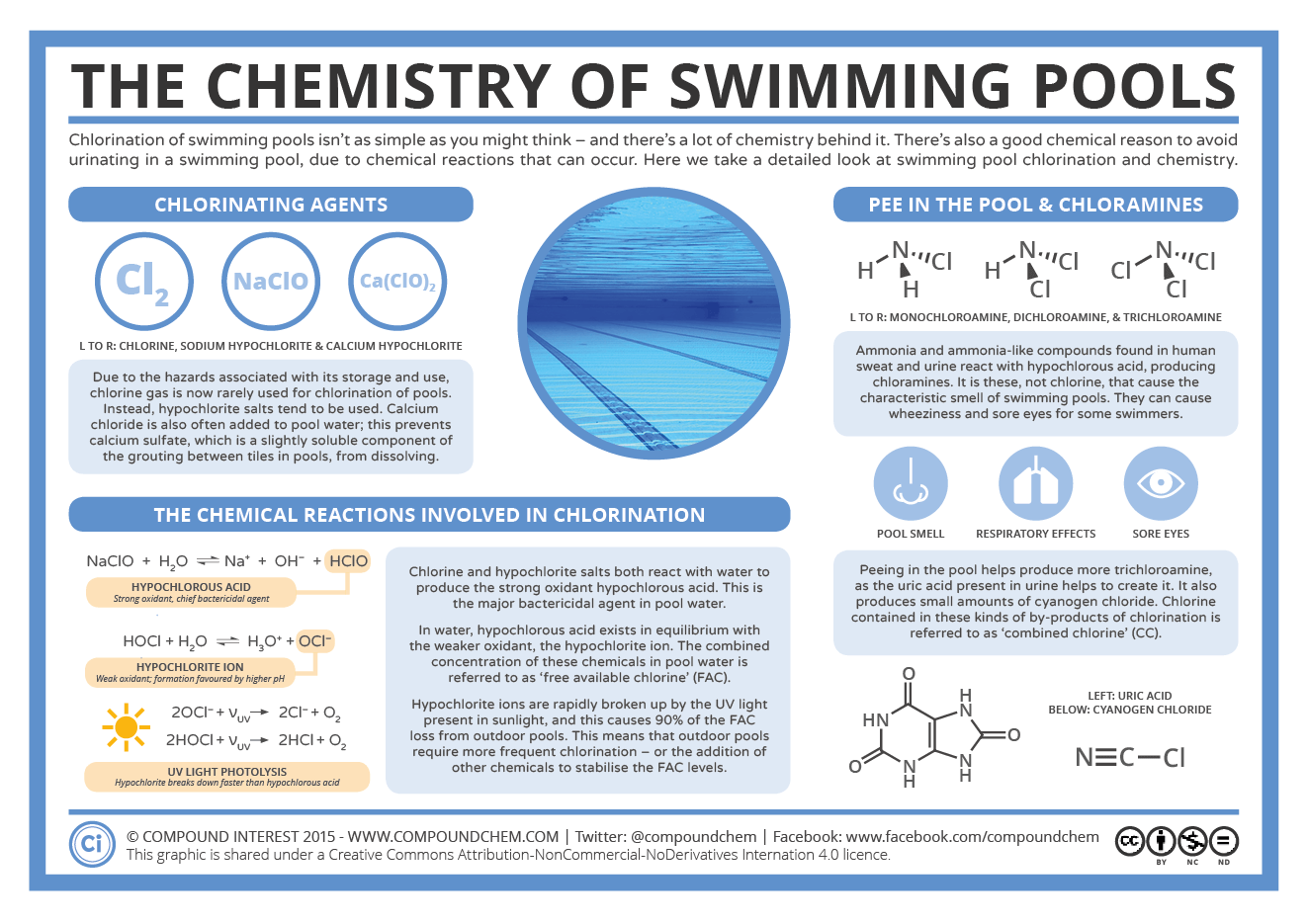
At its core, the application of chlorine in a pool is an exercise in chemical engineering. When chlorine—whether in the form of a gas, liquid (sodium hypochlorite), or solid (calcium hypochlorite)—is added to water, it undergoes a rapid transformation. It reacts with the water to form two primary chemical species: hypochlorous acid (HOCl) and hypochlorite ion (OCl-).
The Potency of Hypochlorous Acid
Hypochlorous acid is the “active” worker in the pool. It is an uncharged molecule, which allows it to penetrate the cell walls of bacteria and other microorganisms with remarkable speed. Once inside, it disrupts the internal structures of the pathogen, essentially deactivating its ability to function or reproduce. This process is known as disinfection.
The hypochlorite ion, while also a disinfectant, is much slower and less effective because it carries a negative charge. In the world of pool technology, the goal is to maintain a pH balance (typically between 7.2 and 7.6) that maximizes the presence of hypochlorous acid. If the pH rises too high, the chemical balance shifts toward the less effective hypochlorite ion, rendering the chlorine “lazy” and significantly increasing the risk of waterborne illnesses.
The Role of Oxidation
Beyond killing germs, chlorine serves as a powerful oxidizer. Swimmers introduce a vast array of organic contaminants into a pool: sweat, oils, sunscreens, and nitrogenous waste (urea). If left unchecked, these contaminants would cloud the water and provide a food source for algae. Chlorine “burns” these organic materials through oxidation, breaking down complex carbon chains into simpler components that can be removed by the pool’s filtration system or gassed off into the atmosphere.
The Evolution of Delivery Systems: From Manual Tablets to Automated Dosing Tech
The “technology” of chlorine has moved far beyond the days of a homeowner simply tossing a handful of powder into the deep end. Modern aquatic facilities and high-end residential pools utilize sophisticated delivery systems that ensure consistent sanitation levels without human error.
Liquid vs. Solid Delivery Systems
Traditional maintenance relied on stabilized chlorine tablets (trichlor) placed in floating dispensers. While effective, this technology has a significant flaw: it introduces cyanuric acid (a stabilizer) into the water. Over time, stabilizer levels rise, eventually “locking” the chlorine and making it ineffective.
To solve this, commercial-grade tech has shifted toward liquid chlorine injection systems. Using peristaltic pumps—the same technology used in medical IV drips—these systems pulse precise amounts of liquid sodium hypochlorite into the return lines. This avoids the buildup of stabilizers and allows for “cleaner” chemical management.
Saltwater Chlorination: On-Site Generation Tech
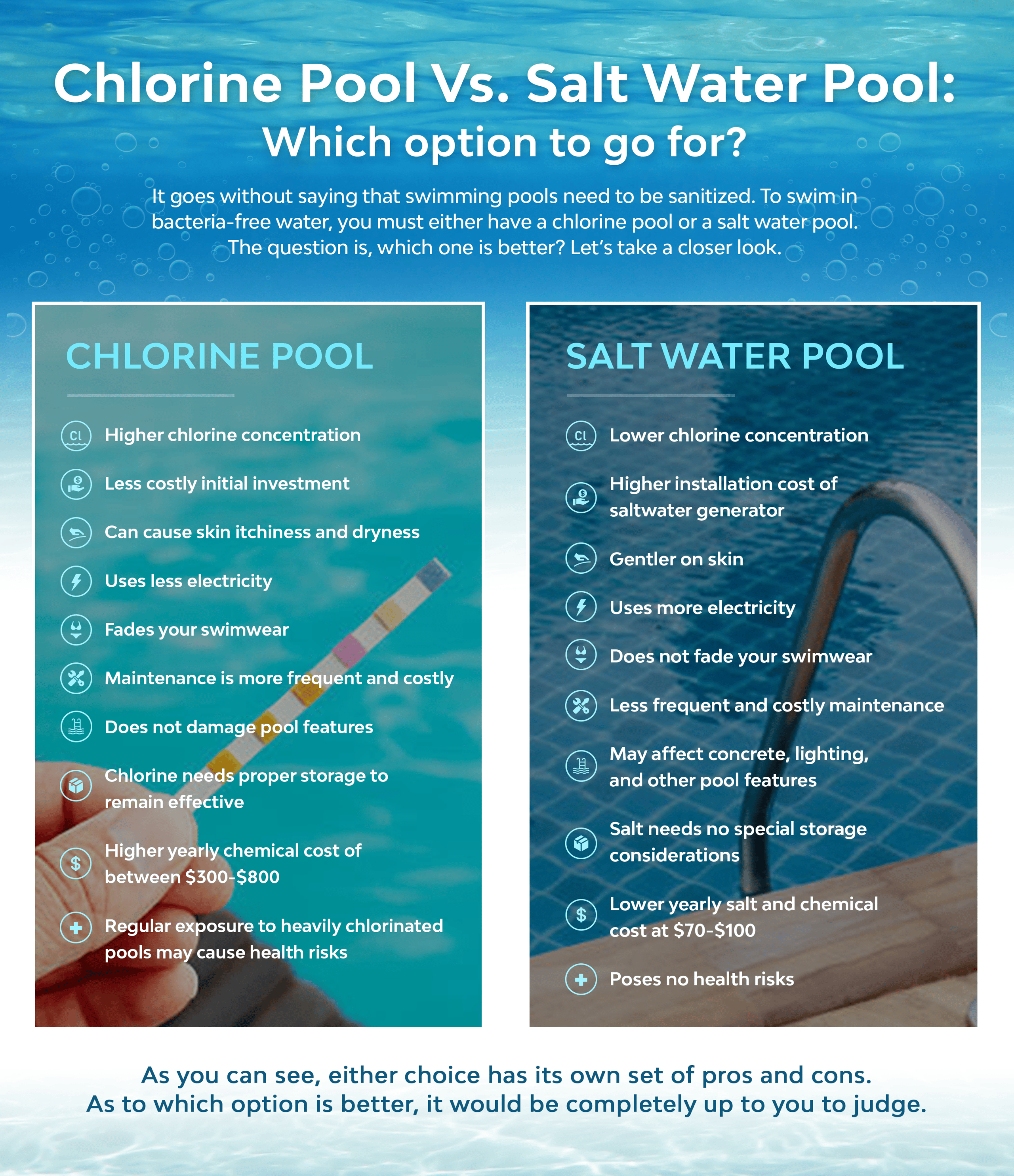
One of the most significant technological shifts in the last two decades is the rise of the salt chlorine generator (SCG). This is not a “non-chlorine” system, as many consumers mistakenly believe. Instead, it is a miniature chemical plant integrated into the pool’s plumbing.
Through a process called electrolysis, the salt cell uses low-voltage electricity to convert dissolved salt (sodium chloride) into pure chlorine gas as the water passes through the manifold. This provides a constant, steady stream of sanitation. The technological advantage here is the elimination of “spiking”—the cycle of high and low chlorine levels—resulting in water that is more stable and gentler on the skin and eyes.
Smart Monitoring and IoT: The Digital Frontier of Pool Chemistry
The most exciting development in what chlorine does for pools isn’t the chemical itself, but how we monitor it. The integration of the Internet of Things (IoT) into pool equipment has revolutionized water safety.
Real-Time Sensor Technology
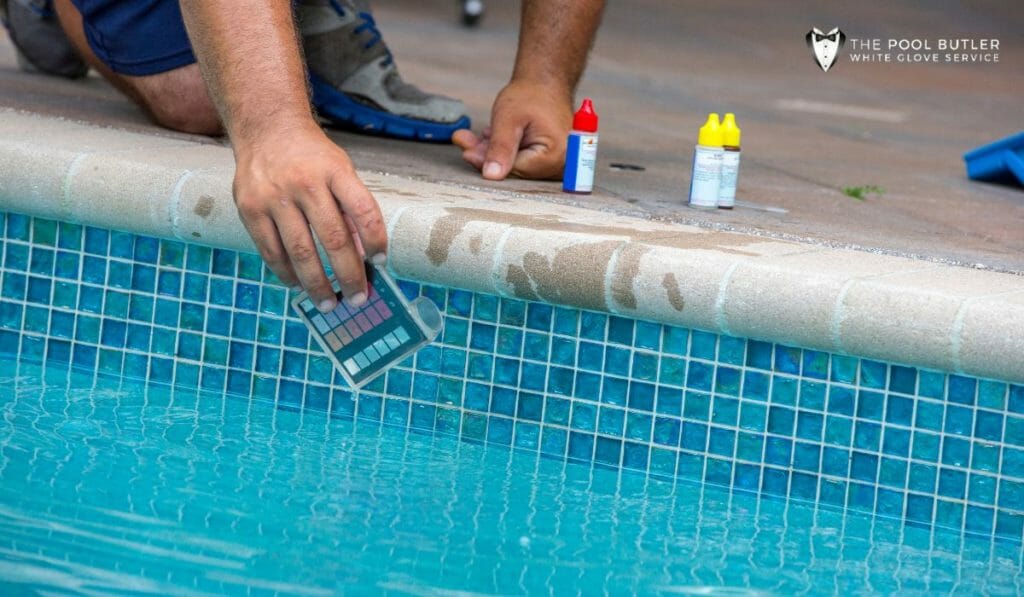
Historically, testing pool water required a manual kit and a color-matching chart—a process prone to subjective interpretation. Modern tech has replaced this with ORP (Oxidation-Reduction Potential) and pH sensors. ORP sensors measure the “work potential” of the chlorine in the water. It doesn’t just tell you how much chlorine is there; it tells you how effectively that chlorine is performing.
These sensors are connected to cloud-based controllers that can be monitored via smartphone apps. If the ORP drops below a certain millivolt threshold (usually 650mV for commercial pools), the controller automatically triggers the feeder to dispense more chlorine. This creates a closed-loop system that responds to bather load in real-time.
Algorithmic Chemical Management
Advanced software now allows pool operators to track chemical consumption trends over time. Using weather data, bather load estimates, and historical chemistry logs, AI-driven platforms can predict when a pool is likely to experience an algae bloom or a sanitation dip. By adjusting the chlorine output before the problem occurs, these systems reduce chemical waste and lower the total cost of ownership for the pool.
Balancing the Tech Stack: pH, Alkalinity, and the Stabilizer Paradox
To understand the efficacy of chlorine, one must understand the “tech stack” of water chemistry that supports it. Chlorine does not work in a vacuum; its performance is entirely dependent on the supporting environmental factors.
The Role of Cyanuric Acid
In outdoor pools, chlorine is highly susceptible to degradation by ultraviolet (UV) light. Without protection, the sun can deplete 90% of a pool’s chlorine in as little as two hours. Cyanuric acid acts as a “sunscreen” for chlorine molecules, shielding them from UV rays. However, managing this stabilizer is a delicate balancing act. Too little, and you lose your chlorine; too much, and the chlorine becomes over-stabilized and unable to kill bacteria. This is where modern digital testing becomes crucial, allowing for the precise measurement of parts-per-million (ppm) to ensure the “Saturation Index” remains neutral.
UV Degradation and Mitigation Technology
Because the chemical relationship between chlorine and the sun is so volatile, many modern systems are incorporating secondary tech to assist the chlorine. For instance, high-intensity UV-C lamps are installed in the plumbing to provide a secondary kill zone. As water passes through the UV chamber, it is sterilized, allowing the chlorine in the main body of water to focus purely on maintaining a residual defense rather than doing all the heavy lifting.
The Future of Sanitation Technology: Beyond Chlorine
While chlorine remains the gold standard due to its ability to leave a “residual” (meaning it stays in the water to kill new germs as they arrive), new technologies are emerging to augment its power and reduce the amount of chemical needed.
UV-C and Ozone Hybrid Systems
Ozone is a significantly more powerful oxidizer than chlorine, but it is a gas that must be generated on-site and injected into the water. It dissipates almost instantly. The current technological trend involves “AOP” or Advanced Oxidation Processes. These systems combine UV light and Ozone to create hydroxyl radicals—the most powerful oxidative species available for water treatment.
In an AOP-equipped pool, chlorine’s role is relegated to a secondary backup. The AOP system handles the bulk of the sanitation and oxidation, allowing the pool to maintain safety with chlorine levels as low as those found in tap water. This “low-chlorine” tech stack is becoming the preferred choice for high-end eco-friendly builds and wellness centers.
The Sustainability Factor
As we look toward the future of water tech, sustainability is becoming a primary driver. Traditional chlorine production and transportation have a significant carbon footprint. On-site generation via salt systems and the use of smart controllers that prevent “over-chlorination” are key components of the “Green Pool” movement. By using data to apply only the exact amount of chemical needed, technology is making pool maintenance more efficient and environmentally responsible.
Ultimately, what chlorine does in a pool is provide a foundation of safety. It is the invisible shield that allows for the luxury of aquatic recreation. However, it is the sophisticated technology—the sensors, the automated feeders, and the chemical engineering—that ensures this shield remains effective, efficient, and balanced for the modern world.
aViewFromTheCave is a participant in the Amazon Services LLC Associates Program, an affiliate advertising program designed to provide a means for sites to earn advertising fees by advertising and linking to Amazon.com. Amazon, the Amazon logo, AmazonSupply, and the AmazonSupply logo are trademarks of Amazon.com, Inc. or its affiliates. As an Amazon Associate we earn affiliate commissions from qualifying purchases.