
The architecture of digital communication is built upon the foundation of efficiency. Since the early days of Internet Relay Chat (IRC) and the nascent stages of Short Message Service (SMS), users have sought ways to compress complex sentiments into a handful of keystrokes. Among the most enduring and recently transformed acronyms in this lexicon is “BBL.” While its literal meaning has bifurcated over the last decade, understanding what BBL means in modern slang requires more than a simple definition; it requires an analysis of how technology platforms, algorithmic trends, and digital subcultures intersect to redefine language in real-time.
The Dual Identity of BBL in the Digital Landscape
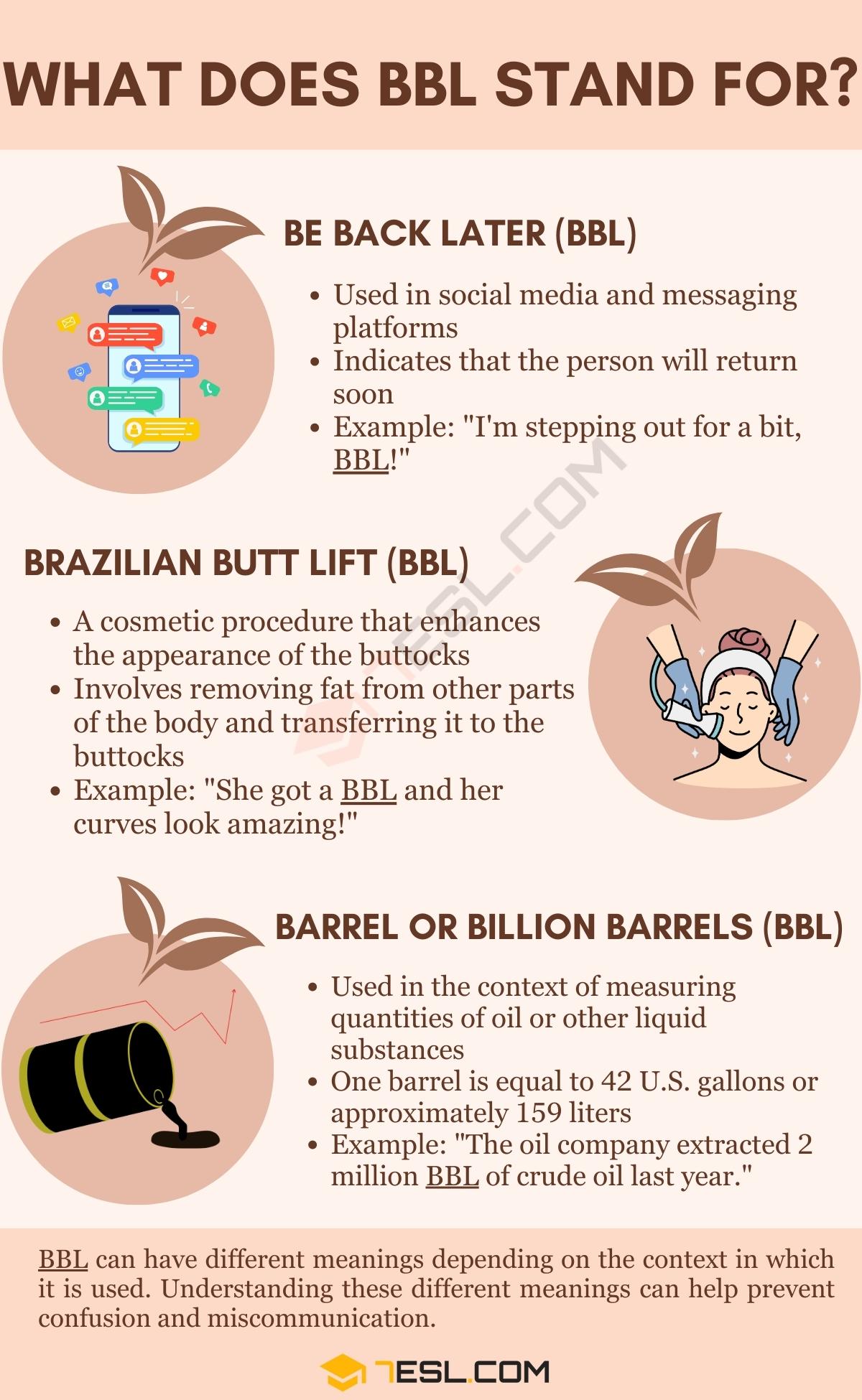
In the contemporary digital ecosystem, “BBL” serves as a linguistic chameleon. Its meaning is entirely dependent on the platform, the demographic of the user, and the technological context in which it is deployed. To navigate this landscape, one must recognize the two primary pillars of its definition: a legacy functional shorthand and a modern cultural descriptor.
The Traditional Technical Shorthand: Be Back Later
For those who came of age during the era of AOL Instant Messenger (AIM) and the early 2000s desktop web, BBL has a singular, functional meaning: “Be Back Later.” In this context, BBL was a “presence indicator.” Before the era of “always-on” connectivity facilitated by smartphones, users were either “online” or “offline.”
BBL served as a courtesy, informing interlocutors that a session was being paused but not terminated. It was a product of the desktop-bound internet, where being away from the keyboard (AFK) meant a total cessation of digital interaction. In professional software environments like Slack, Microsoft Teams, or Discord, this legacy meaning persists. It remains a high-utility tool for managing synchronous communication in a remote-work world, signaling a temporary departure from the digital workspace.
The Contemporary Shift: The “BBL” Aesthetic and Influencer Tech
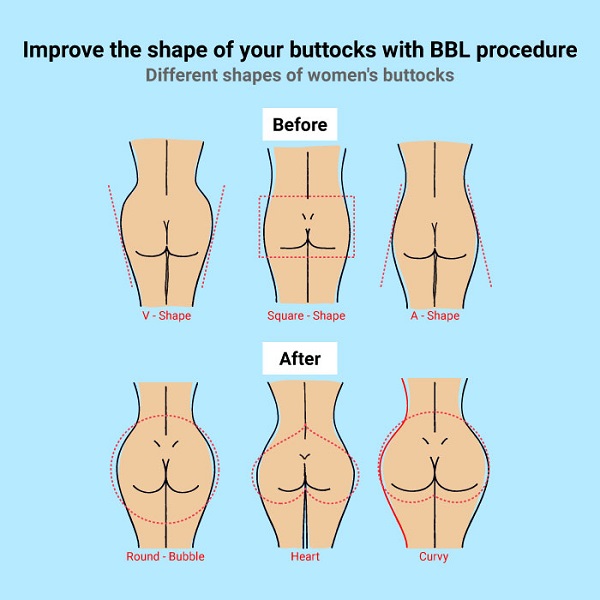
As the internet transitioned from a text-based medium to an image-centric one, the acronym BBL underwent a radical semantic shift. On platforms like TikTok, Instagram, and X (formerly Twitter), BBL almost exclusively refers to the “Brazilian Butt Lift,” a specific cosmetic surgical procedure.
This shift was facilitated by the rise of the “influencer economy” and the technical capabilities of high-definition smartphone cameras and short-form video algorithms. The term has evolved from a medical acronym into a broad slang descriptor for a specific body aesthetic that has dominated social media feeds for the past several years. In this context, BBL is no longer a functional status update; it is a cultural marker, a point of controversy, and a driver of viral content.
The Algorithmic Propagation of Internet Slang
The reason “BBL” transitioned from a niche medical term to a ubiquitous piece of internet slang is deeply rooted in the way modern social media algorithms function. Technology does not just carry the message; it shapes the vocabulary we use to describe our world.
Semantic Drift and the Attention Economy
Algorithms on platforms like TikTok are designed to maximize user retention by identifying and amplifying high-engagement topics. When the term “BBL” began trending in the mid-2020s—fueled by discussions surrounding celebrity culture and body standards—the algorithm identified it as a high-velocity keyword.
This created a feedback loop: creators used the term “BBL” in their captions and hashtags to gain visibility, and the algorithm, in turn, prioritized content containing that term. This process, known as semantic drift, saw the original “Be Back Later” definition buried under a mountain of visual content. In the attention economy, the most “clickable” definition wins, and the visual drama of the cosmetic procedure far outweighed the functional utility of a status update.
Hashtag Culture and Machine Learning Classification
From a technical perspective, slang functions as metadata. When a user types “BBL” into a search bar or a caption, they are essentially categorizing their content for a machine-learning model. These models use natural language processing (NLP) to cluster content into “neighborhoods.”
The “BBL” neighborhood on modern apps is populated by fitness tutorials, fashion hauls, surgical recovery vlogs, and cultural commentary. For a brand or a creator, understanding the “slang” isn’t just about social awareness; it is about “Algorithm Optimization.” If a user uses “BBL” meaning “Be Back Later” on TikTok, the system may inadvertently serve their content to an audience looking for aesthetic trends, leading to a mismatch in engagement metrics.

Why Context Literacy is Critical in Modern Technology Ecosystems
The dual nature of BBL highlights a growing challenge in digital communication: context collapse. This occurs when various audiences, usually separated by different social or professional contexts, collide on a single platform or within a single communication stream.
Navigating Professional vs. Social Software Environments
The risk of miscommunication is higher than ever. A professional using “BBL” in a project management tool like Jira or Trello is likely signaling their return to a task. However, if that same professional uses the term in a public-facing social media post, the baggage of the modern slang definition may overshadow the intended message.
Digital literacy now includes the ability to switch “codes” depending on the software being used.
- Synchronous Tech (Slack/Teams): High probability of the legacy “Be Back Later” meaning.
- Asynchronous Visual Tech (TikTok/Reels): Near-certainty of the modern “Brazilian Butt Lift” meaning.
- Micro-blogging Tech (X/Threads): Context-dependent, often used in political or pop-culture discourse.
The Impact of Context Collapse on Digital Branding
For businesses and personal brands, the “BBL” phenomenon serves as a cautionary tale. Tech-savvy marketers must monitor the evolution of slang to ensure their brand voice remains aligned with current usage. When a term like BBL gains a new, highly specific meaning, brands must decide whether to lean into the trend or avoid the term altogether to prevent brand dilution. The speed at which these definitions change is a direct result of the velocity of information in a hyper-connected world.
The Lifecycle of Tech-Native Terminology
Slang has always existed, but the technology of the 21st century has accelerated its lifecycle from years to weeks. The trajectory of BBL offers a roadmap for how modern jargon is born, popularized, and eventually replaced.
From Subculture to Mainstream: The Velocity of Viral Slang
Most internet slang begins in localized subcultures—often within marginalized communities or specific online forums. Technology acts as an accelerator. Through “Discovery” tabs and “For You” pages, a term can move from a niche community to global ubiquity in a matter of days.
BBL’s transition into the mainstream was fueled by the “BBL Drizzy” trend and similar memes that weaponized the term for comedic and social commentary. This is a technical phenomenon: when a term becomes a “meme template,” its usage explodes because the software makes it easy for others to replicate and iterate on the original idea.
Obsolescence and the Re-Appropriation of Acronyms
Just as “BBL” was re-appropriated from its early-internet roots, it will likely be superseded by new terminology. In the tech world, this is known as “bit rot” applied to linguistics. As the “BBL” aesthetic eventually faces a cultural backlash or evolves into a new trend, the acronym may return to its functional roots or disappear entirely. The technical infrastructure of the web ensures that nothing is ever truly deleted, but the relevance of slang is subject to the whims of the current software-driven zeitgeist.
How Generative AI and Natural Language Processing Decode Slang
As we move into an era dominated by Generative AI, the way we understand slang like “BBL” is being institutionalized by Large Language Models (LLMs). These models are trained on vast datasets of human text, meaning they must navigate the same dualities we do.
Training Data and Cultural Nuance
An AI’s ability to understand “What does BBL mean?” depends on the recency of its training data. A model trained on 2010 data would provide a vastly different answer than one trained on 2024 data. Modern AI tools are increasingly being designed with “temporal awareness,” allowing them to distinguish between the “Be Back Later” of a professional email and the “BBL” of a viral social media critique. This is a significant hurdle in the development of AI-driven digital assistants and customer service bots.
The Future of Real-Time Linguistic Adaptation
We are approaching a point where software may provide real-time “translation” for slang based on the user’s demographic profile. Imagine a browser extension or a mobile OS feature that highlights a term like “BBL” and provides a tool-tip with its most likely meaning based on the current app’s ecosystem. This would represent the final step in the technologization of language: where our digital tools not only carry our slang but actively interpret it for us.
In conclusion, BBL is more than just a three-letter acronym; it is a testament to the power of digital platforms to reshape human language. Whether it is used as a functional status update in a professional software suite or a cultural descriptor on a global video platform, its meaning is a reflection of the technology we use to communicate. Staying informed about these shifts is essential for anyone navigating the modern tech landscape, from software developers and digital marketers to the casual social media user.
aViewFromTheCave is a participant in the Amazon Services LLC Associates Program, an affiliate advertising program designed to provide a means for sites to earn advertising fees by advertising and linking to Amazon.com. Amazon, the Amazon logo, AmazonSupply, and the AmazonSupply logo are trademarks of Amazon.com, Inc. or its affiliates. As an Amazon Associate we earn affiliate commissions from qualifying purchases.