
In the traditional lexicon of maritime safety, a white flag hoisted at a lifeguard station has long symbolized a state of “all clear.” It represents calm waters, low-hazard conditions, and a green light for swimmers and surfers to enter the ocean with relative peace of mind. However, in the contemporary era of the Internet of Things (IoT) and smart coastal management, the concept of a “white flag” is undergoing a radical digital transformation. What was once a simple piece of fabric is being replaced and augmented by a complex ecosystem of sensors, artificial intelligence, and real-time data streams.
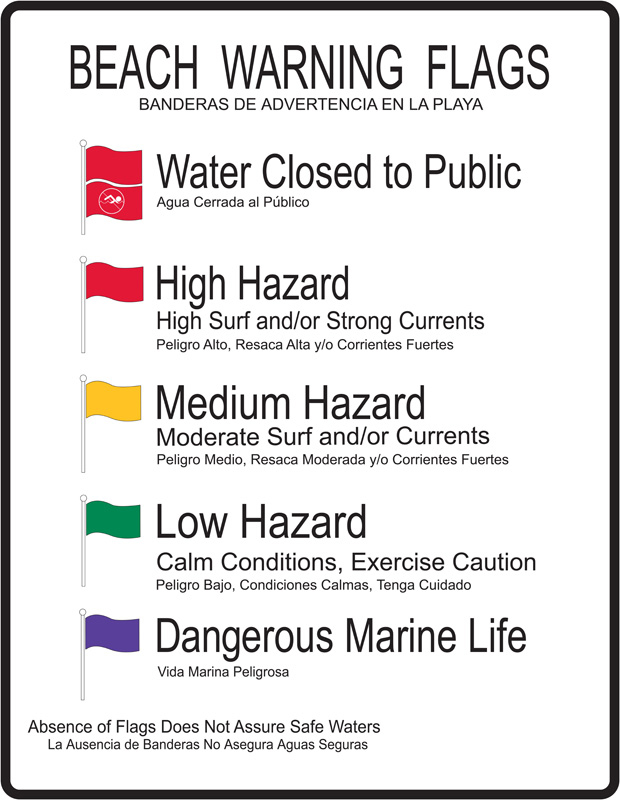
As technology permeates every aspect of our physical environment, the way we interpret safety signals at the beach is moving away from human observation and toward algorithmic certainty. The modern “white flag” is no longer just a visual cue; it is the output of a multi-layered technological stack designed to monitor, analyze, and predict the behavior of the ocean.
From Fabric to Fiber: The Evolution of Beach Warning Systems
For decades, beach safety relied on the keen eyes of experienced lifeguards and the physical deployment of colored flags. While effective, this analog system was limited by human error, limited visibility during inclement weather, and the delay between a change in ocean conditions and the manual swapping of a flag. The digital shift aims to eliminate these latencies.
The Limitations of Analog Signaling
The traditional white flag is a reactive signal. A lifeguard observes the water, determines it is safe based on their current perspective, and raises the flag. This process is inherently subjective and localized. Furthermore, it fails to account for invisible threats, such as fluctuating bacteria levels or subsurface rip currents that may not be immediately apparent to the naked eye. In a tech-driven world, a “safety signal” must be proactive, data-backed, and accessible beyond the physical perimeter of the beach.
Digitizing the Visual Code
Smart cities are now extending their reach to “smart beaches.” This involves the installation of connected LED signage and mobile application integrations that serve as a digital “white flag.” By digitizing the signal, coastal authorities can push real-time status updates to thousands of users simultaneously. This digital transition ensures that the “all clear” message is consistent across various platforms, from wearable devices to dashboard displays in tourist centers, creating a unified safety protocol powered by fiber optics and wireless networks.
IoT and Sensor Integration: Automating the “All Clear”
The modern interpretation of a white flag is increasingly determined by an array of IoT devices submerged beneath the waves and mounted along the shoreline. These devices provide a granular look at environmental variables that no human could monitor unassisted.
Real-Time Water Quality Monitoring
One of the most significant technological components of the modern white flag is the automated water quality sensor. These devices use electrochemical sensors and optical probes to measure parameters such as pH levels, dissolved oxygen, turbidity, and the presence of specific pathogens. In the past, water testing required manual sampling and lab analysis, often taking 24 to 48 hours—by which time a “white flag” might have been flying over contaminated water. Today, high-speed telemetry allows these sensors to transmit data via LoRaWAN or cellular networks to a central hub, ensuring the white flag only flies when the biological data confirms it is safe to do so.
Smart Buoys and Wave Pattern Recognition
Safety at the beach is also a matter of physics. Smart buoys equipped with accelerometers and gyroscopes track wave height, period, and direction in real-time. This data is fed into predictive models that can identify the development of hazardous swells or the early indicators of rip currents. When the system registers “white flag” conditions, it means the kinetic energy of the ocean is within a statistically safe threshold for the general public. This automated monitoring provides a level of precision that allows for “micro-flagging,” where different sections of a beach can have different safety ratings based on localized sensor data.

AI and Computer Vision: The New Eyes on the Horizon
Artificial Intelligence is perhaps the most transformative technology currently being applied to maritime safety. By leveraging computer vision and machine learning, we are moving toward a future where the white flag is managed by autonomous systems capable of 24/7 surveillance.
Rip Current Detection Algorithms
Rip currents are the primary cause of lifeguard rescues globally. Traditional flags often fail to signal these localized hazards effectively. However, AI-powered camera systems are now being trained to recognize the distinct visual signatures of rip currents—such as gaps in the breaking waves or plumes of sand moving offshore. These systems can process video feeds in real-time, providing an objective analysis of whether a beach truly earns its white flag status. When the AI detects a rip forming, it can automatically trigger an alert, overriding the “all clear” signal instantly.
Automated Drone Patrols and Emergency Response
The “white flag” environment is also being patrolled by Unmanned Aerial Vehicles (UAVs). Drones equipped with multispectral cameras can fly pre-programmed patterns to monitor beach density and swimmer behavior. In a tech-integrated beach environment, these drones act as an extension of the safety signal. If a drone identifies a potential hazard, it can relay that information to the digital flag system. Conversely, if a “white flag” is flying but a swimmer enters a restricted area, the drone can use AI to identify the breach and notify staff, ensuring the safety of the “all clear” state is maintained through active enforcement.
The Consumer Interface: Apps and Wearables as Digital White Flags
For the end-user, the white flag is no longer something you look for on a pole; it is something you check on your wrist or smartphone. The consumer-facing side of beach tech is where the data meets the individual.
Geofencing Safety Protocols
Modern beach safety apps utilize geofencing to provide hyper-localized information. As a user enters the perimeter of a beach, their device can receive a “digital white flag” notification, confirming the current safety status, UV index, and water temperature. This use of location-based services ensures that visitors are informed before they even step onto the sand. It also allows for two-way communication; users can report hazards via the app, which the system then verifies using its sensor network, creating a crowdsourced layer of safety data.
Wearable Tech for Individual Monitoring
The integration of wearable devices into the beach safety ecosystem is a burgeoning field. Smartwatches and specialized swim trackers can now sync with local beach databases. If a swimmer is in a “white flag” zone but begins to drift into a hazardous area identified by the central AI, their wearable can vibrate or sound an alarm. This personalized safety signal takes the concept of the white flag and moves it from a broad public announcement to a tailored, individual safety net.

Cybersecurity and the Future of Coastal Infrastructure
As we transition from physical flags to digital safety systems, the importance of digital security cannot be overstated. A “white flag” signal is only as good as the integrity of the data behind it.
The infrastructure supporting smart beaches—including the cloud platforms that store environmental data and the networks that transmit it—must be protected against cyber threats. The possibility of a malicious actor “spoofing” a white flag signal to indicate safe conditions during a storm or a contamination event is a genuine concern for digital security experts. Consequently, the next generation of beach safety tech will incorporate robust encryption and blockchain-based data verification to ensure that when the digital system says the water is safe, the information is untampered and verified.
The future of the “white flag” at the beach lies in the seamless integration of hardware and software. By moving away from a single point of failure—the human observer—and toward a distributed network of smart sensors and AI, we are creating a more resilient and responsive safety environment. In this tech-driven landscape, a white flag is no longer just a piece of cloth; it is a sophisticated data packet, a green light from an algorithm, and a testament to how digital innovation is making the natural world safer for everyone.
aViewFromTheCave is a participant in the Amazon Services LLC Associates Program, an affiliate advertising program designed to provide a means for sites to earn advertising fees by advertising and linking to Amazon.com. Amazon, the Amazon logo, AmazonSupply, and the AmazonSupply logo are trademarks of Amazon.com, Inc. or its affiliates. As an Amazon Associate we earn affiliate commissions from qualifying purchases.