
In the lexicon of human visual communication, few symbols carry as much historical weight, psychological depth, and immediate recognition as the sword. From the legendary Excalibur to the katanas of the Edo period, the blade has served as more than just a tool of combat; it is a profound metaphor for power, precision, and protection. For brand strategists and designers, understanding the multifaceted symbolism of the sword is essential for crafting identities that resonate on an archetypal level.
In a marketplace saturated with abstract shapes and minimalist sans-serif fonts, the re-emergence of classical symbolism offers a way for brands to communicate complex values instantly. When a brand incorporates a sword into its visual identity or narrative, it is tapping into a collective consciousness that spans centuries.

The Historical DNA of the Sword in Visual Identity
To understand what a sword symbolizes in a modern brand context, one must first look at its historical roots. Unlike the shield, which is purely defensive, or the crown, which is purely ceremonial, the sword represents an active form of authority. It is the marriage of utility and status.
Authority and the Sovereignty of the Brand
Historically, the sword was the “Queen of Weapons,” reserved for the knightly class and the nobility. In brand strategy, this translates to an identity of leadership and market dominance. A brand that utilizes the sword is positioning itself not just as a participant in its industry, but as a sovereign entity within it. This is the “Market Leader” archetype. When consumers see a blade in a logo, there is an subconscious association with high standards, exclusivity, and the right to lead.
For heritage brands, the sword symbolizes a lineage of excellence. It suggests that the company’s “edge” has been forged over time, tempered by the fires of competition and experience. This is particularly effective in industries where history and longevity equate to trust, such as high-end watchmaking, legal firms, and traditional manufacturing.
Justice and the Double-Edged Truth
The sword is also the primary attribute of Lady Justice. In this context, it symbolizes the “power of the word” and the ability to discern truth from falsehood. For brands in the consulting, news media, or legal sectors, the sword represents integrity and the courage to make difficult, decisive cuts. It tells the client that the brand is capable of cutting through complexity to find the core solution.
This “double-edged” nature of the sword is a powerful metaphor for brand transparency. It suggests that the brand holds itself to a sharp standard of accountability. In an era where corporate social responsibility is paramount, the sword can symbolize a brand’s commitment to “cutting out” corruption or inefficiency.
Psychological Triggers: Why Brands Choose the Blade
The effectiveness of the sword in branding lies in its ability to trigger specific psychological responses. Symbols work faster than text because they bypass the analytical brain and speak directly to our instincts.
Protection and the Guardian Archetype
While the sword is an offensive weapon, in the context of service-based branding, it often symbolizes protection. This is the “Guardian” or “Protector” archetype. Cybersecurity firms, insurance companies, and home security brands often use the sword to represent their proactive stance against threats.
Unlike the shield—which implies a passive barrier—the sword implies an active defense. It suggests that the brand doesn’t just wait for problems to occur but actively hunts for vulnerabilities and eliminates them. This creates a sense of proactive safety for the consumer, which is a massive differentiator in high-stakes industries like fintech and digital security.
Precision and the “Cutting Edge”
The most common linguistic metaphor involving the sword is “the cutting edge.” In brand design, the tip or the edge of a blade symbolizes extreme precision and technological advancement. This is the “Creator” or “Innocator” archetype.
For tech startups and software companies, the sword (often stylized or abstract) represents the ability to disrupt the status quo. It symbolizes a “sharp” mind and a “sharp” product. When a brand promises to “cut costs” or “cut through the noise,” the visual of a blade reinforces that promise. It speaks to a surgical level of accuracy that competitors lack. The symbolism here is about efficiency—removing the unnecessary to leave only what is valuable.
Strategic Application: Sword Symbolism in Different Industries
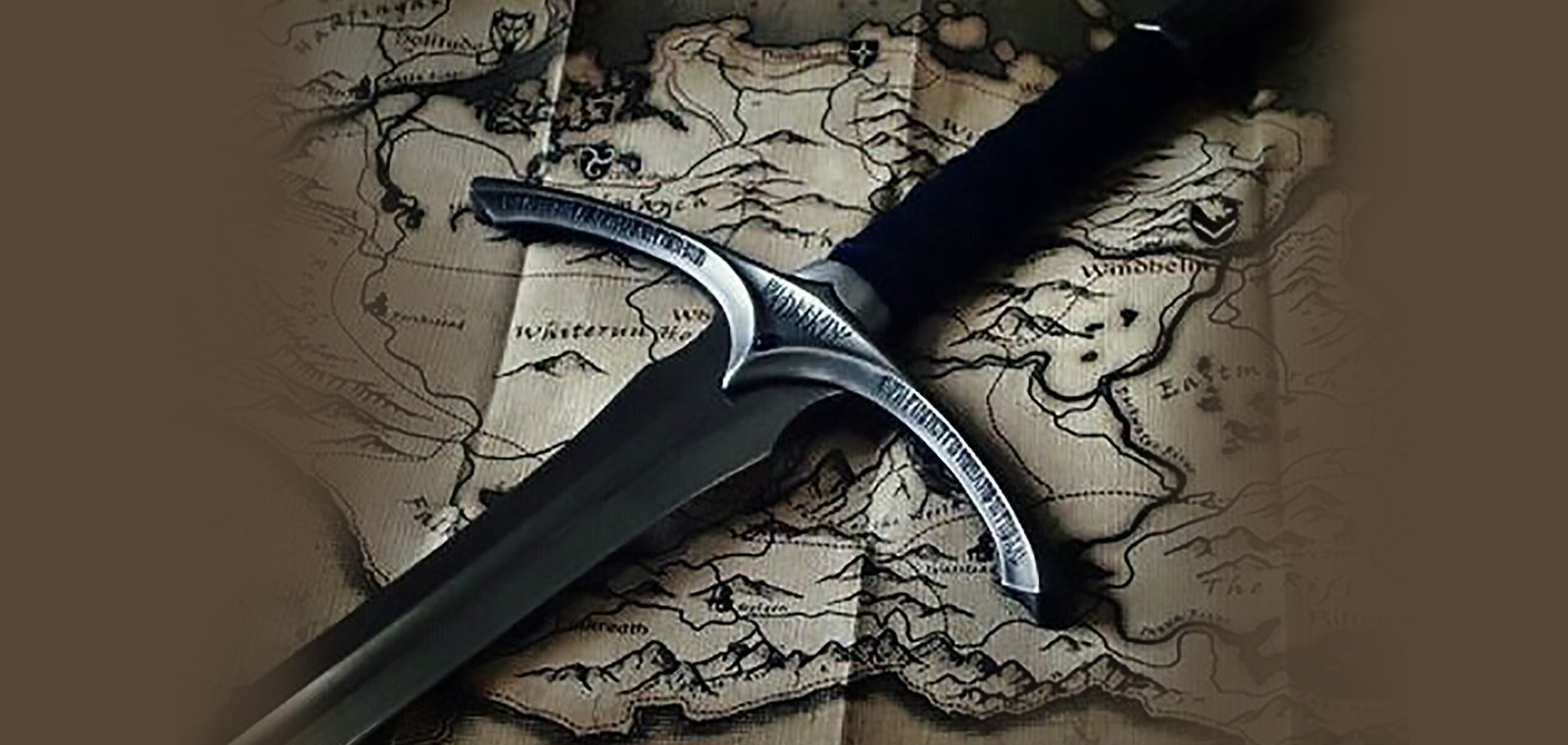
The meaning of a sword changes depending on the industry “ecosystem” in which it is placed. Strategic brand identity requires tailoring this symbol to fit the specific expectations of a target audience.
Fintech and Cybersecurity: The Shield and the Sword
In the world of finance and digital assets, trust is the primary currency. Many brands in this space pair the sword with a shield. The shield represents the vault—the storage and safety of assets—while the sword represents the technology that fights off hackers and fraud.
In this niche, the sword symbolizes “militant security.” It tells the customer that their money is not just sitting in a box, but is being defended by sophisticated, aggressive algorithms. The symbolism here is one of strength and modern chivalry—a brand that fights for the interests of its users.
Law and Professional Services: The Weight of the Scales
Legal and accounting firms often use the sword to represent the “force of law.” Here, the sword is usually held vertically or paired with scales. It symbolizes the finality of a decision and the power of professional expertise.
For a high-stakes litigation firm, the sword symbolizes their ability to win in the “arena” of the courtroom. It shifts the brand perception from a mere service provider to a champion or a “hired sword” who will fight for the client’s rights. This builds a brand image of competence, bravery, and victory.
Luxury and Heritage: The Lineage of Craftsmanship
In luxury branding, the sword is less about combat and more about the “smithing” process. It symbolizes the hand-crafted nature of a product. Just as a legendary blade is folded and hammered thousands of times, a luxury brand’s products are presented as the result of obsessive attention to detail and traditional techniques.
This application of the symbol appeals to the “Ruler” archetype in consumers—those who value status, quality, and legacy. It suggests that the product is a “weapon” of status, an heirloom that can be passed down through generations.
Designing the Blade: Visual Semantics and Brand Aesthetics
The way a sword is visually rendered in a brand’s identity completely alters its symbolic meaning. Brand designers must choose between literal, historical depictions and modern, abstract interpretations.
Verticality and Strength
In graphic design, a vertical sword represents stability, honor, and upward growth. It acts as a pillar, suggesting that the brand is a foundation upon which others can build. A sword pointed upward is often seen as a symbol of life and victory. Conversely, a sword pointed downward (the “peaceful” position) symbolizes a conflict that has been resolved, or a brand that has established peace through its superior power.
Minimalist vs. Ornate Interpretations
A minimalist, geometric sword—perhaps just two intersecting lines—suggests a modern, tech-forward brand. It communicates “The Future.” This type of design is clean, efficient, and lacks the “baggage” of historical warfare, focusing instead on the concept of the “sharp mind.”
An ornate, heraldic sword suggests tradition, “The Past,” and institutional weight. This is more appropriate for universities, private clubs, or legacy financial institutions. The level of detail in the hilt and pommel can communicate the complexity and richness of the brand’s history.
The Future of the Sword Symbol in a Digital-First World
As we move further into a digital and AI-driven economy, the physical sword may seem like an anachronism. However, its symbolic value is actually increasing. In a world of “soft” digital interfaces and ephemeral cloud services, the “hard” symbolism of a sword provides a grounding sense of reality and permanence.
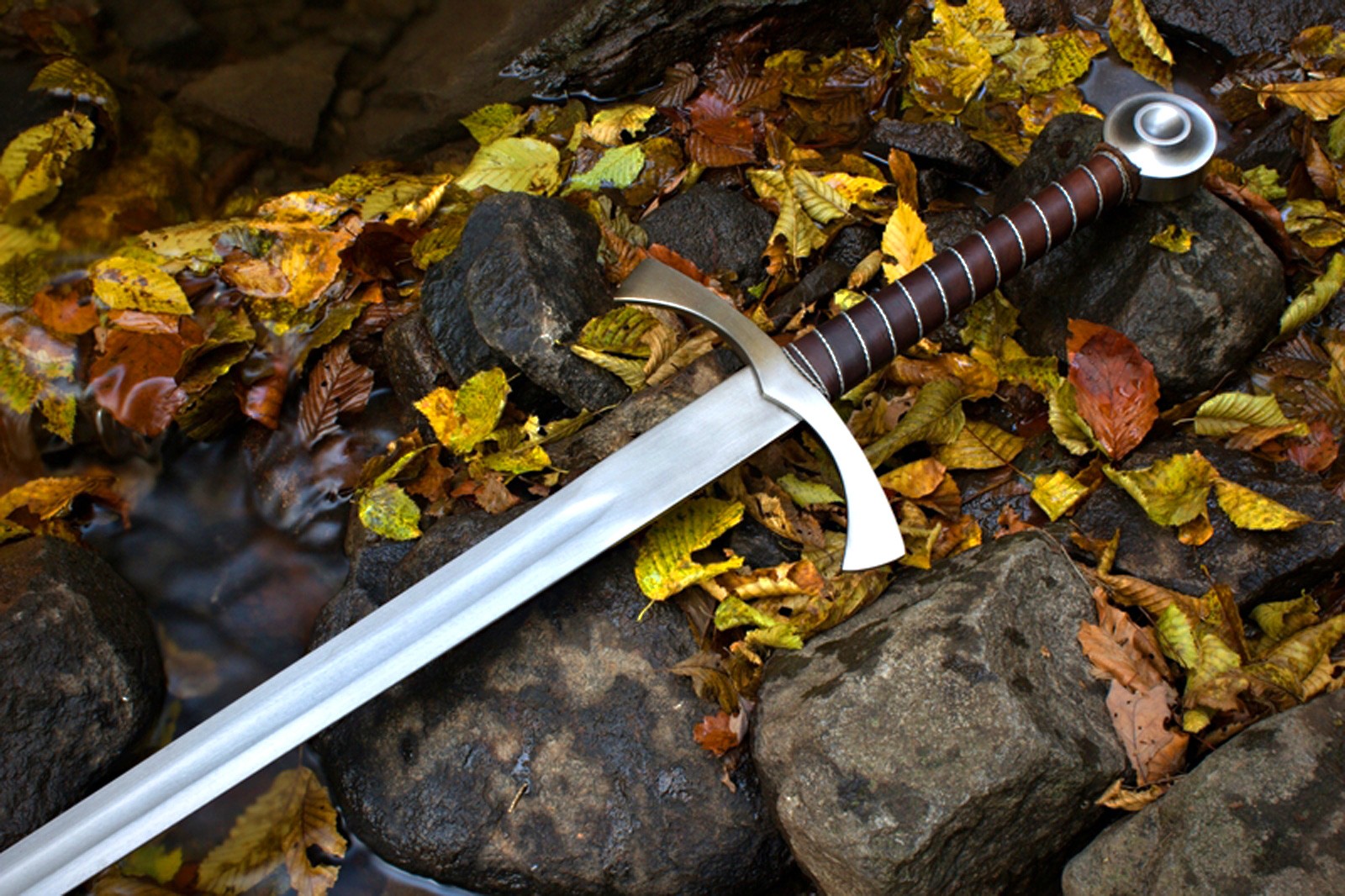
Transitioning from Physicality to Abstract Excellence
Modern brands are increasingly using “blade-like” shapes—sharp angles, metallic gradients, and piercing lines—without showing a literal sword. This allows them to capture the essence of what the sword symbolizes (precision, power, edge) while maintaining a sleek, futuristic aesthetic.
This evolution shows that the sword is not just a relic of the past, but a permanent fixture of the human psychological landscape. Whether it appears as a literal icon on a family crest or an abstract vector on a Silicon Valley app, the sword remains the ultimate symbol of the human will to shape the world.
For a brand, the sword is a declaration. It says that the company is ready to lead, equipped to protect, and sharp enough to innovate. In the battle for market share, a well-placed symbol can be the most powerful weapon in a brand’s arsenal. Understanding what the sword symbolizes is the first step in wielding that power effectively to build a legacy that lasts.
aViewFromTheCave is a participant in the Amazon Services LLC Associates Program, an affiliate advertising program designed to provide a means for sites to earn advertising fees by advertising and linking to Amazon.com. Amazon, the Amazon logo, AmazonSupply, and the AmazonSupply logo are trademarks of Amazon.com, Inc. or its affiliates. As an Amazon Associate we earn affiliate commissions from qualifying purchases.