
In the landscape of modern branding and personal identity, few symbols carry as much historical weight, cultural versatility, and immediate visual impact as the skull. While often relegated to the realm of subcultures or rebellious movements, the skull has transcended its origins to become a powerhouse of visual communication. In the world of brand strategy and design, understanding what a skull tattoo—or a skull logo—symbolizes is essential for any creative professional looking to harness the power of transgressive iconography.
To understand the skull as a symbol is to understand the core of human psychological triggers. It is an image that commands attention, evokes emotion, and signals a specific set of values. Whether it appears on the forearm of a creative director or the packaging of a disruptive beverage company, the skull serves as a testament to the power of high-stakes branding.
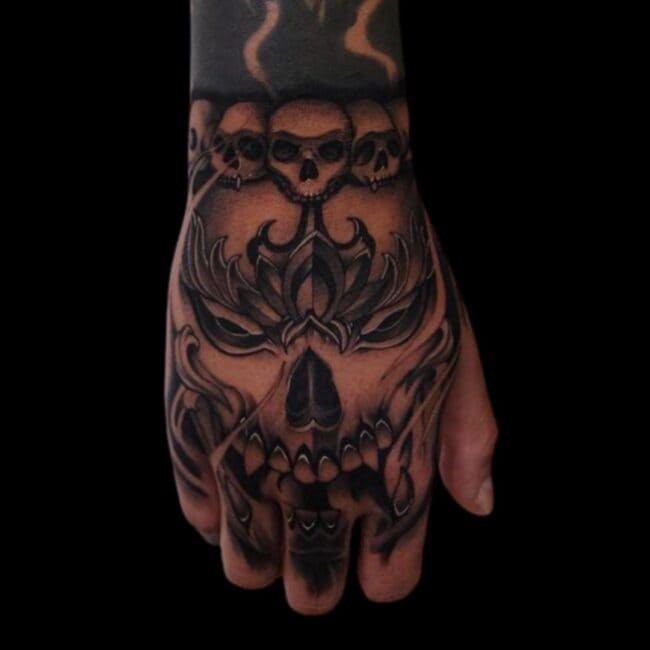
The Semiotics of the Skull in Modern Branding
Semiotics, the study of signs and symbols, suggests that the meaning of an image is never static; it is shaped by its context and the audience’s cultural background. When we look at a skull through the lens of brand strategy, we see a symbol that has evolved from a warning of mortality into a badge of authenticity and resilience.
From Memento Mori to Counterculture
Historically, the skull was the centerpiece of the “Memento Mori” movement—a Latin phrase meaning “remember you must die.” In branding, this concept is often repurposed to inspire a “carpe diem” or “seize the day” mentality. For brands targeting a youthful, high-energy demographic, the skull symbolizes the urgency of living life to the fullest. It strips away the superficial and gets down to the bone, suggesting a brand that is honest, raw, and unpretentious.
As the symbol transitioned into the 20th century, it became the hallmark of counterculture movements, from biker gangs to punk rock. This association solidified the skull’s role as a symbol of rebellion and non-conformity. In today’s market, where “authenticity” is a primary currency, brands use skull iconography to signal that they are not part of the corporate “beige” landscape. They are positioning themselves as outsiders who value freedom and individuality over social compliance.
Power, Authority, and the “Edge”
Beyond rebellion, the skull symbolizes a specific type of power. In design, the symmetry of a skull provides a focal point that is both aesthetically pleasing and psychologically intimidating. For brands in the fitness, tactical gear, or extreme sports industries, the skull represents the conquest of fear. It is not about death itself, but about the bravery required to face it. This “edge” allows a brand to command authority and build a tribe of followers who see themselves as modern-day warriors or pioneers.
Strategic Implementation: Using Provocative Symbols in Design
Integrating a skull into a brand’s visual identity—whether through a logo, merchandise, or a founder’s personal “tattooed” brand—requires a sophisticated understanding of design balance. It is a high-risk, high-reward strategy that can either alienate a mass audience or build an intensely loyal cult following.
Knowing Your Audience Persona
The primary rule of brand strategy is alignment. A skull symbol will fail if it does not resonate with the core values of the target audience. For a luxury brand, a skull might symbolize “memento vivere” (remember to live), utilizing intricate, gold-leafed illustrations to suggest high-end exclusivity and gothic romance. Conversely, for a street-wear brand, a minimalist, bold-line skull tattoo aesthetic communicates grit and urban authenticity.
Strategists must ask: Does our audience value safety and tradition, or do they value disruption and risk? If the answer is the latter, the skull becomes a powerful tool for visual storytelling. It acts as a filter, attracting those who share a specific worldview while intentionally distancing those who do not—a classic “polarization” strategy that strengthens brand loyalty.
Balancing Edge with Professionalism
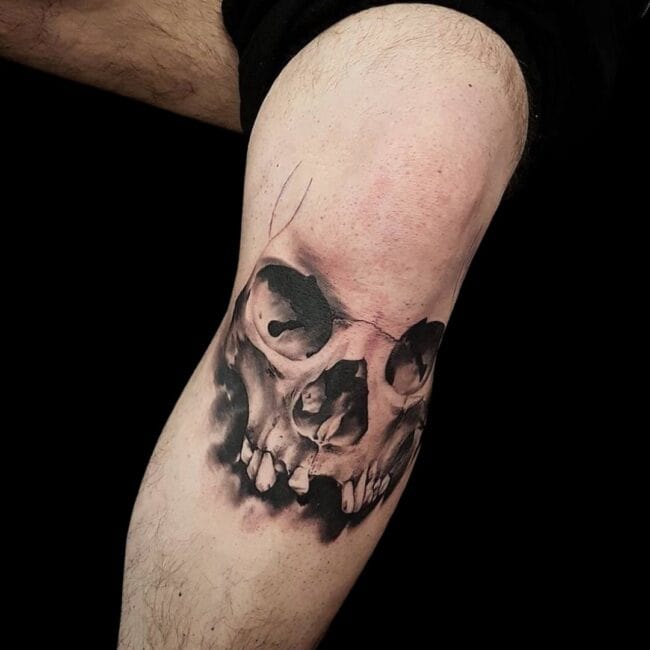
One of the greatest challenges in using transgressive symbols is maintaining professional credibility. The modern brand designer solves this by focusing on execution. A poorly rendered skull looks amateurish and may signal a lack of quality. However, a skull rendered with the precision of a fine-line tattoo or a high-contrast woodcut suggests craftsmanship and attention to detail.
Color theory also plays a vital role. A black-and-grey skull maintains a classic, serious tone suitable for high-end fashion or spirits. Injecting vibrant, “New School” tattoo colors can shift the brand toward a playful, pop-culture-oriented space. By manipulating the design style, brands can soften the “mortal” implications of the skull and emphasize its “lifestyle” implications.
Case Studies: Brands that Mastered the Skull Aesthetic

To truly understand how the symbolism of a skull tattoo translates to market success, we can look at several industry leaders who have successfully integrated this potent icon into their corporate identity.
Liquid Death: Disrupting the Beverage Industry
Perhaps no brand in recent history has utilized skull iconography as effectively as Liquid Death. By putting water—the world’s most “boring” commodity—into tallboy cans featuring a melting skull and the slogan “Murder Your Thirst,” the company completely disrupted the market.
For Liquid Death, the skull symbolizes a rejection of the traditional, soft-focus marketing of the bottled water industry. It borrows the visual language of heavy metal and skate culture to create a brand that feels more like a lifestyle movement than a beverage company. The skull tattoo aesthetic was a strategic choice to appeal to an audience that was tired of being marketed to with images of pristine springs and mountain peaks.
Alexander McQueen: The Luxury of Mortality
In the world of high fashion, Alexander McQueen turned the skull into a global icon of luxury. The McQueen skull scarf became a “must-have” item, proving that even the most macabre symbols could be elevated to the heights of sophistication.
For the McQueen brand, the skull symbolizes the intersection of beauty and decay. It challenges the viewer to find elegance in the morbid. This use of the skull created a distinct “Brand DNA” that allowed the company to maintain a rebellious spirit while competing in the ultra-conservative luxury sector. It served as a personal signature of the founder’s own fascination with the cycle of life and death, turning a personal brand into a corporate empire.
Harley Davidson: Building a Tribe
While not their primary logo, the skull is a staple of Harley Davidson’s secondary branding and “Willie G.” collection. For Harley, the skull symbolizes the freedom of the open road and the brotherhood of the riding community. It is a symbol that riders frequently choose for their own tattoos, creating a seamless loop between the brand’s identity and the customer’s physical body. This is the pinnacle of personal branding: when a customer is willing to permanently ink a brand’s symbol onto their skin, the brand has achieved total cultural integration.
The Evolution of the Personal Brand: Why Symbols Matter
In the digital age, personal branding has become as structured as corporate branding. For entrepreneurs, creatives, and influencers, a skull tattoo is often a deliberate part of their “visual hook.” It communicates a narrative without the need for words.
The Tattoo as a Statement of Individual Identity
For a professional, a visible skull tattoo can symbolize a commitment to a creative lifestyle. It suggests that the individual is not bound by the “suit and tie” constraints of traditional corporate life. In industries like tech, design, and marketing, this can actually increase an individual’s perceived value as a “disruptor” or “out-of-the-box” thinker.
The tattoo becomes a brand asset. It creates a recognizable silhouette in social media avatars and video content. Just as a corporate logo provides consistency, a personal symbol like a skull provides a cohesive thread through an individual’s professional journey. It signals that the person is comfortable with their own mortality and, by extension, comfortable with the risks inherent in business and innovation.
Visual Consistency in Digital and Physical Spaces
A successful personal brand requires harmony between the physical person and their digital presence. If a creative professional has a skull tattoo, they might incorporate similar line work or “dark mode” aesthetics into their website and portfolio. This creates a “unified brand experience.” When a symbol as strong as a skull is used consistently, it builds trust through familiarity. It tells the audience exactly who the person is and what they stand for: boldness, authenticity, and a refusal to settle for the mundane.
The Future of Transgressive Symbolism in Marketing
As we look toward the future of branding and design, the skull will continue to be a relevant and powerful tool. In an increasingly digital and AI-driven world, symbols that ground us in our shared humanity—and our shared mortality—will only grow in value.
The skull tattoo symbolizes the ultimate “human” element. It is the structure that lies beneath all of us, regardless of race, gender, or status. For brands, this represents a universal language. As markets become more saturated and attention spans shorter, the ability to use a high-impact symbol to cut through the noise is a vital skill for any brand strategist.
Ultimately, the skull is a reminder that great branding is not about playing it safe. It is about standing for something. Whether it symbolizes rebellion, luxury, urgency, or authenticity, the skull remains one of the most effective ways to tell a story that lasts—literally and figuratively—forever. Through strategic design and a deep understanding of psychological triggers, brands can continue to use this ancient symbol to define the cutting edge of modern identity.
aViewFromTheCave is a participant in the Amazon Services LLC Associates Program, an affiliate advertising program designed to provide a means for sites to earn advertising fees by advertising and linking to Amazon.com. Amazon, the Amazon logo, AmazonSupply, and the AmazonSupply logo are trademarks of Amazon.com, Inc. or its affiliates. As an Amazon Associate we earn affiliate commissions from qualifying purchases.