
The modern streaming landscape has transformed from a simple repository of licensed content into a sophisticated ecosystem driven by high-level engineering, artificial intelligence, and cutting-edge production standards. When users search for “what’s good” on Netflix, they are not merely looking for a plot summary; they are engaging with one of the most advanced content delivery and recommendation engines ever built. The quality of a Netflix movie is no longer defined solely by its script or acting, but by the technical infrastructure that ensures it is discoverable, visually stunning, and seamlessly delivered to any device on the planet.
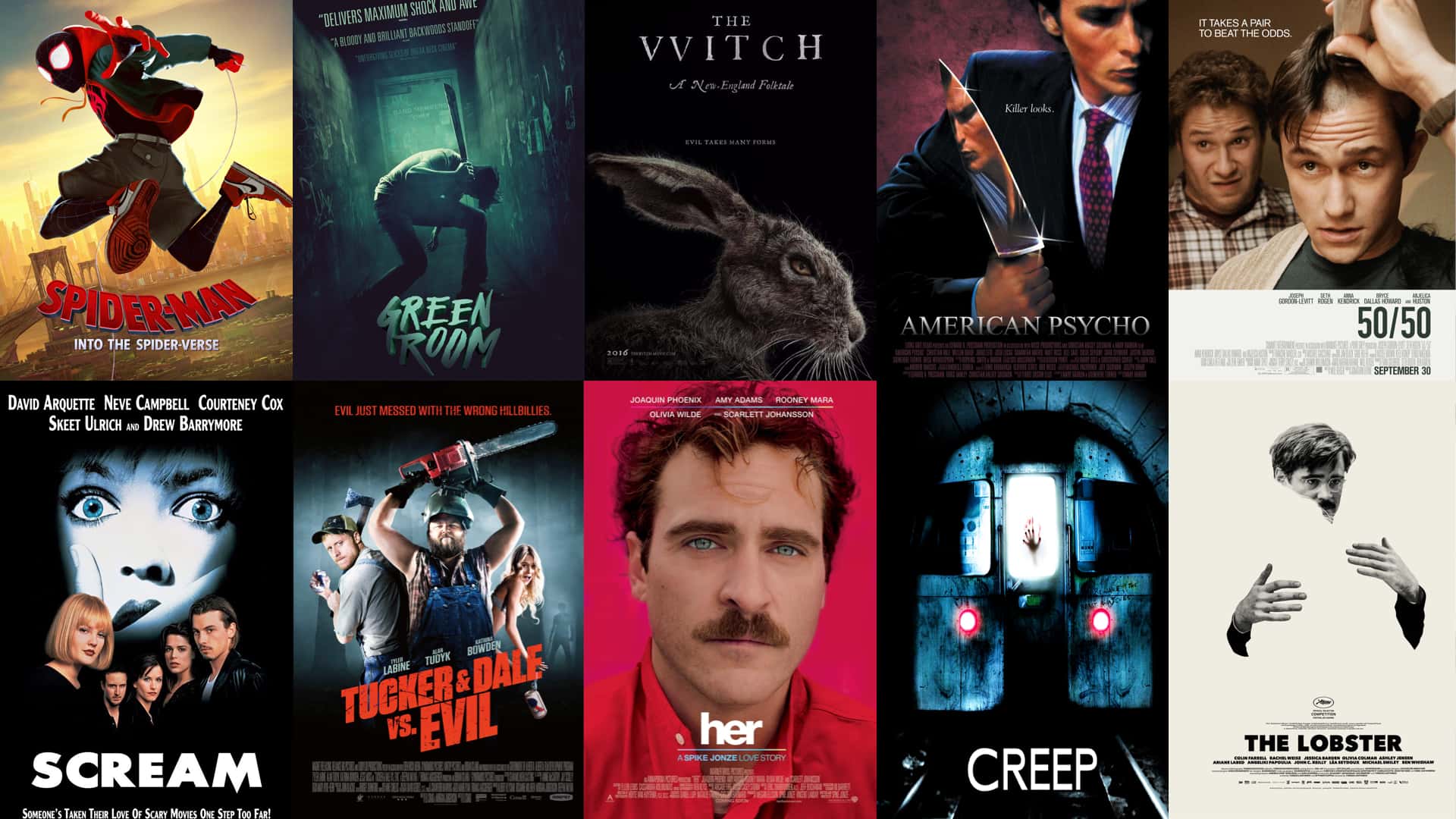
Understanding what makes a Netflix movie “good” requires a deep dive into the technology that powers the platform. From the neural networks that predict your next favorite genre to the rigorous technical specifications required for a film to be labeled a “Netflix Original,” the intersection of tech and cinema has redefined the entertainment industry.
The Science of Discovery: How AI Defines “Good” Content
At the heart of the Netflix experience is a complex suite of machine learning algorithms designed to solve the “paradox of choice.” With thousands of titles available, the platform’s primary technical challenge is ensuring that the right movie finds the right viewer at the exact right time.
Personalization Engines and Predictive Analytics
Netflix utilizes a sophisticated recommendation system that goes far beyond simple genre filtering. This system employs collaborative filtering and content-based filtering to create a multi-dimensional profile for every user. When you see a “Top Picks” list, you are looking at the output of a neural network that has analyzed billions of data points, including your watch history, the time of day you consume content, the devices you use, and even how long you hover over a specific thumbnail.
The “goodness” of a movie on Netflix is, in many ways, a reflection of its “Match Score.” This score is a predictive probability that a user will enjoy a title based on latent factors—underlying patterns in viewing behavior that the user might not even be aware of. By leveraging reinforcement learning, the algorithm constantly updates its understanding of your preferences, ensuring that the “good” movies surfaced are tailored specifically to your evolving tastes.
The Art and Tech of Digital Thumbnails
One of the most overlooked technological feats in the Netflix ecosystem is Aesthetic Visual Analysis (AVA). Every movie on the platform is subjected to an automated process that identifies the most visually compelling frames to be used as thumbnails. However, these thumbnails are not static. Netflix employs “Consumer Science” and A/B testing to display different artwork to different users.
If a user frequently watches romances, the algorithm might display a thumbnail featuring the lead actors in an intimate moment. If that same user leans toward action, the thumbnail for the same movie might emphasize an explosion or a high-stakes chase. This dynamic personalization ensures that high-quality content isn’t buried under irrelevant marketing, using computer vision to bridge the gap between a movie’s technical metadata and a user’s visual psychology.
The Gold Standard: Technical Requirements for Netflix Originals
While the recommendation engine handles discoverability, Netflix’s strict technical specifications ensure that its original movies meet a global standard of cinematic excellence. Unlike traditional distributors, Netflix acts as a tech-first gatekeeper, mandating that filmmakers use specific hardware and workflows to ensure their content remains future-proof.
The Approved Camera List and 4K Mandate
To maintain a consistent level of visual fidelity, Netflix maintains a rigorous “Approved Camera List.” For a film to be marketed as a true Netflix Original, at least 90% of the final runtime must be captured on cameras that meet specific sensor requirements, including a true 4K UHD sensor, high dynamic range (HDR) capabilities, and specific log color spaces.
This technical mandate ensures that “good” Netflix movies, such as The Irishman or Roma, are captured with enough data to support the highest possible broadcast standards. By forcing the adoption of high-end cinema cameras like the Arri Alexa LF or the RED V-Raptor, Netflix ensures that its library does not become obsolete as consumer hardware—such as 8K televisions and advanced OLED panels—becomes the industry standard.
High Dynamic Range (HDR) and Dolby Atmos Integration
Technical quality in the streaming era is often measured by the depth of the image and the immersion of the sound. Netflix has been a pioneer in the mass adoption of Dolby Vision and HDR10. These technologies allow for a much wider color gamut and higher contrast ratios, meaning the “good” movies on the platform offer more detail in both the brightest highlights and the deepest shadows.
On the audio front, the integration of Dolby Atmos—an object-based surround sound technology—allows sound engineers to place audio elements in a three-dimensional space. This tech-heavy approach to production ensures that the “goodness” of a film is felt physically, providing a theater-like experience in a home environment. The technical backend of the Netflix app automatically detects the user’s hardware capabilities, scaling the bitrate and audio stream to provide the best possible version of the film the user’s tech can handle.
Streaming Infrastructure: The Engineering of Seamless Delivery
A movie is only “good” if it actually plays. Behind the play button lies one of the world’s most robust Content Delivery Networks (CDNs), known as Open Connect. The technology required to stream a high-bitrate 4K movie to millions of people simultaneously without buffering is a feat of modern software engineering.
Open Connect and Edge Computing
Instead of relying on the public internet to carry its traffic, Netflix built its own global CDN. The company provides “Open Connect Appliances” (OCAs) to Internet Service Providers (ISPs) around the world for free. These appliances are essentially high-capacity storage servers that hold the Netflix library.
When you sit down to watch a movie, the “good” experience—defined by an instant start and no lag—is possible because the data is being pulled from a server located just a few miles away from your house, often within your own ISP’s data center. This “edge computing” strategy minimizes latency and bypasses the congestion of the broader internet, ensuring that technical performance matches the high quality of the content itself.
Per-Shot Encoding and Adaptive Bitrates
Netflix’s engineering team revolutionized video compression with a technique called “Per-Shot Encoding.” In the early days of streaming, an entire movie would be encoded at a fixed bitrate. However, an action scene with rapid movement requires more data than a static shot of a character talking.
Using AI-driven encoding, Netflix analyzes every individual shot in a movie to determine the optimal level of compression. This ensures that visual quality remains high during complex scenes while saving bandwidth during simpler ones. Coupled with adaptive bitrate streaming—which adjusts the video quality in real-time based on your internet speed—this technology ensures that a “good” movie remains watchable even on a fluctuating mobile connection.
Interactive Narratives and the Future of Digital Storytelling
As technology evolves, the definition of what constitutes a “good movie” is expanding to include interactive experiences. Netflix has leveraged its technical stack to move beyond linear storytelling, creating a new niche where the viewer influences the outcome of the film.
The Logic Behind Branching Narratives
Movies like Black Mirror: Bandersnatch represent a significant leap in streaming tech. These films utilize a “branching narrative” engine that requires the platform to pre-cache multiple possible storylines simultaneously. The technical challenge is to allow the user to make a choice without any pause or “loading” screen, maintaining the cinematic flow.
This requires a massive increase in metadata management and state-tracking. The platform must remember every choice the user has made to ensure the narrative remains logically consistent across thousands of possible permutations. This intersection of game design and filmmaking is only possible because of Netflix’s cloud-based architecture, which allows for complex logic processing on the server side while delivering a seamless video stream to the client.
The Role of Virtual Production
Looking forward, the “best” movies on the platform are increasingly being made using virtual production technologies, such as “The Volume”—a massive wrap-around LED screen that displays real-time 3D environments rendered in game engines like Unreal Engine. This technology allows filmmakers to capture complex visual effects in-camera, reducing the need for green screens and extensive post-production. For the viewer, this results in more realistic lighting and a more grounded sense of “place,” further elevating the perceived quality of the content.
The tech-driven evolution of Netflix ensures that “what’s good” is a moving target, constantly pushed forward by improvements in AI, data delivery, and production hardware. As the platform continues to invest in these technological pillars, the line between a software company and a movie studio continues to blur, creating a future where the tech behind the screen is just as important as the story on it.
aViewFromTheCave is a participant in the Amazon Services LLC Associates Program, an affiliate advertising program designed to provide a means for sites to earn advertising fees by advertising and linking to Amazon.com. Amazon, the Amazon logo, AmazonSupply, and the AmazonSupply logo are trademarks of Amazon.com, Inc. or its affiliates. As an Amazon Associate we earn affiliate commissions from qualifying purchases.