
In the traditional landscape of commerce, the relationship between a business and its customer was largely transactional. A product was developed, a marketing campaign was launched to broadcast its features, and the consumer either purchased it or did not. However, as the digital marketplace has become increasingly saturated and consumer skepticism has reached an all-time high, the focus has shifted. Today, the most successful brand strategies are built not on the mechanics of the sale, but on the depth of the connection. This raises a fundamental question for modern marketers and business owners: What’s empathy mean in the context of branding?
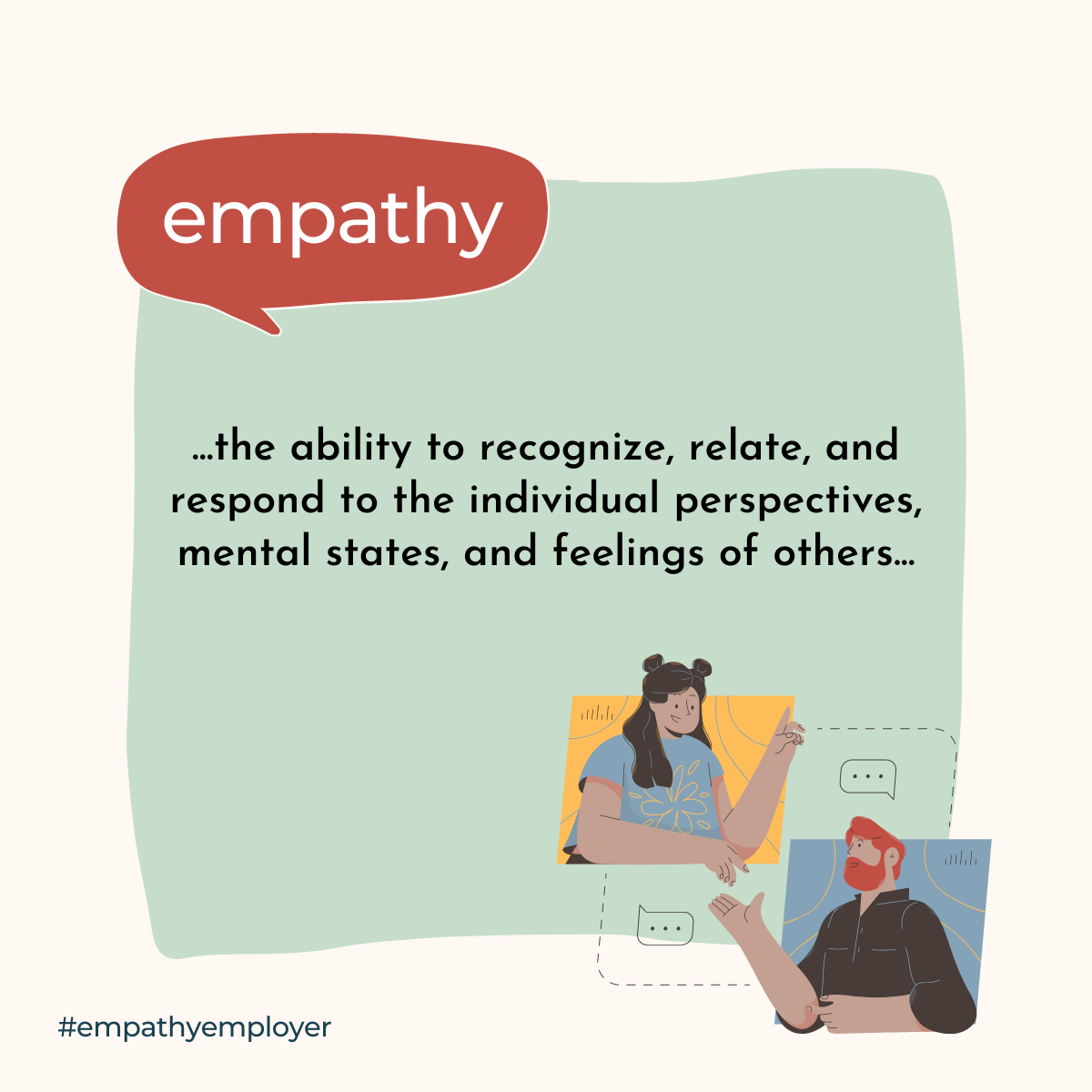
In a professional brand environment, empathy is the ability to see the world through the eyes of the customer. it is the disciplined practice of understanding a consumer’s desires, pain points, and emotional drivers to create experiences that resonate on a human level. It is the transition from “we want you to buy this” to “we understand what you are going through, and we are here to help.” This shift is not merely a moral choice; it is a strategic imperative that separates legacy brands from those that fade into obsolescence.
Decoding the Definition: Why Empathy is the New Brand Currency
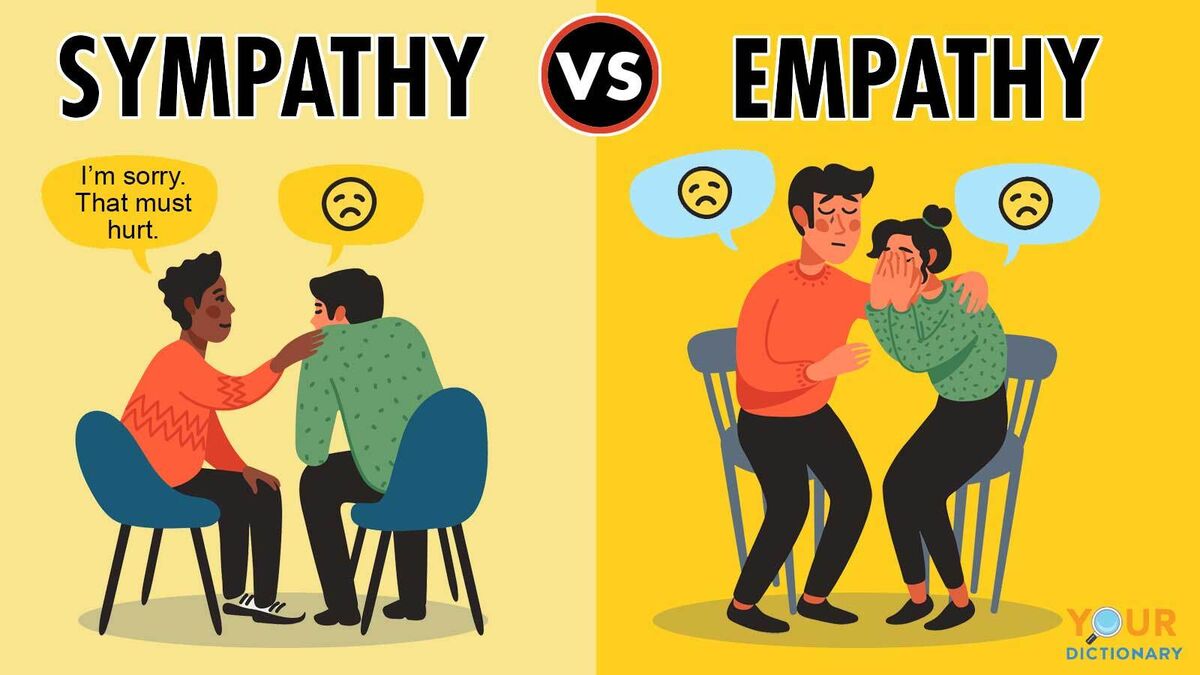
To understand what empathy means for a brand, one must first distinguish it from sympathy. Sympathy is acknowledging someone’s struggle from a distance—it is the “I’m sorry you’re having a hard time” approach. Empathy, conversely, is the “I am right there with you” approach. For a brand, this means moving beyond superficial data points like age, location, and income, and instead diving into the psychographics of the audience.
The Shift from Transactional to Relational
Modern consumers are no longer satisfied with being targets in a marketing funnel. They are looking for brands that reflect their values and understand their daily realities. This has turned empathy into a form of “brand currency.” When a brand demonstrates that it truly understands a customer’s challenge—whether it’s the stress of managing a small business or the desire for more sustainable living—it builds trust. This trust is the foundation of brand equity. Without empathy, a brand is just a logo; with it, a brand becomes a partner.
Closing the Empathy Gap
Research consistently shows an “empathy gap” between how businesses perceive their own customer-centricity and how customers actually experience it. Many companies believe they are being empathetic because they offer a loyalty program or a functional help desk. However, true brand empathy is proactive, not reactive. It involves anticipating needs before the customer even articulates them. It requires a radical reorganization of the brand’s internal culture to prioritize the human experience at every touchpoint, from product design to the final checkout screen.
The Empathy Map: Moving Beyond Demographics to Psychographics
If empathy is the goal, then empathy mapping is the strategy. To truly understand what empathy means in a practical business sense, brand strategists use empathy maps to visualize the customer’s internal and external environment. This process moves the conversation away from “what can we sell” and toward “how can we serve.”
Seeing, Hearing, and Thinking
An effective empathy map requires a brand to ask four critical questions about their target audience: What are they seeing in their environment? What are they hearing from their peers and influencers? What are they actually thinking and feeling (but perhaps not saying)? And finally, what are they saying and doing in public? By answering these questions, a brand can identify the “pains” and “gains” of their audience.
For instance, a brand selling high-end productivity software might realize that their customer isn’t just looking for “more features.” Instead, they might find that the customer is feeling overwhelmed by “notification fatigue” and fears losing time with their family. An empathetic brand strategy would then pivot its messaging from “The Most Powerful Tool” to “The Tool That Gives You Your Time Back.”
The Power of Social Listening
In the digital age, empathy is fueled by data. Social listening tools allow brands to monitor conversations in real-time, providing a raw look at customer sentiment. This isn’t just about tracking mentions of the brand name; it’s about understanding the broader cultural conversations the audience is having. By participating in these conversations with an authentic voice, a brand demonstrates that it is listening. When a brand responds to a customer’s frustration with genuine concern rather than a scripted corporate response, it reinforces the empathetic bond.
Communicating with Care: Brand Voice and Tone in Times of Crisis
Perhaps the most critical moment for brand empathy is during times of societal or individual crisis. Whether it is a global economic downturn or a localized service failure, how a brand communicates in these moments defines its character for years to come.
Authenticity Over Opportunism
Consumers have a high-functioning “authenticity radar.” They can instantly tell when a brand is leveraging a sensitive issue for profit. To practice empathy in communication, a brand must ensure that its actions match its words. If a brand claims to care about mental health, for example, its internal HR policies should reflect that just as much as its external marketing campaigns. Empathy in branding means being willing to take a stand, even if it risks alienating a segment of the market, in favor of supporting the core values of the primary audience.
The Nuance of Tone
What empathy means in brand voice is often found in the nuance. It is the difference between a clinical, cold response and one that carries warmth and understanding. It involves using language that is inclusive and accessible. It means admitting when the brand has made a mistake and taking tangible steps to rectify it. An empathetic brand doesn’t hide behind legalese; it speaks like a human to other humans. This transparency is essential for maintaining a brand’s reputation in an era where one viral negative experience can overshadow years of positive marketing.
The Competitive Edge: Empathy as a Catalyst for Innovation
Empathy is often mischaracterized as a “soft skill” or a secondary concern for “creative types.” In reality, empathy is a powerful engine for innovation. When a brand is deeply attuned to the frustrations and unmet needs of its customers, it is much more likely to develop products that solve real problems.
Human-Centered Design
At the heart of the world’s most successful brands—from Apple to Nike—is the principle of human-centered design. This approach begins with empathy for the end-user. By observing how people actually use products in their daily lives, designers can identify friction points that the users themselves might not have noticed. A brand that removes these friction points isn’t just providing a service; it is demonstrating a deep, quiet empathy for the user’s experience.
Solving “Unarticulated” Problems
The highest level of brand empathy is solving a problem that the customer didn’t even know they had. This requires a profound level of intuition and a commitment to the customer’s well-being. When a brand innovates in a way that makes the customer’s life significantly easier, safer, or more enjoyable, it creates a level of loyalty that is nearly impossible for competitors to break. This is why empathy is the ultimate competitive advantage; it allows a brand to lead the market rather than simply reacting to it.
The ROI of Empathy: Measuring Success in a Meaning-Driven Market
Finally, for any brand strategy to be sustainable, it must deliver results. Critics often ask: Does empathy actually increase the bottom line? The answer is a resounding yes. The ROI of empathy is found in long-term brand health and customer lifetime value.
Reducing Churn and Increasing Advocacy
Empathetic brands have significantly higher retention rates. When a customer feels understood and valued, they are less likely to switch to a competitor based on price alone. Furthermore, empathy turns customers into advocates. A customer who has had an empathetic interaction with a brand is far more likely to recommend that brand to others. In an era where peer-to-peer recommendations are the most trusted form of marketing, this advocacy is priceless.
The Long-Term Vision
Building an empathetic brand requires patience. It is about playing the long game. While aggressive, non-empathetic sales tactics might yield a short-term spike in revenue, they often damage the brand’s reputation and lead to high churn. On the other hand, a strategy rooted in empathy builds a solid foundation of trust that can weather market volatility. In the end, what empathy means for a brand is the difference between being a temporary utility and becoming an indispensable part of the customer’s life and identity.
By integrating empathy into every facet of brand strategy—from the initial market research to the final customer support interaction—businesses can create a sustainable, resilient, and highly profitable presence in the modern world. Empathy is no longer a “nice-to-have”; it is the very soul of the contemporary brand.
aViewFromTheCave is a participant in the Amazon Services LLC Associates Program, an affiliate advertising program designed to provide a means for sites to earn advertising fees by advertising and linking to Amazon.com. Amazon, the Amazon logo, AmazonSupply, and the AmazonSupply logo are trademarks of Amazon.com, Inc. or its affiliates. As an Amazon Associate we earn affiliate commissions from qualifying purchases.