
To ask “what year did Tarzan come out” is to open a masterclass in long-term brand strategy and intellectual property management. While many contemporary audiences associate the character with the 1999 Disney animated feature, the Tarzan brand actually debuted more than a century ago. Its journey from a pulp magazine serial to a multi-billion dollar multimedia franchise offers profound insights into how a brand can adapt, pivot, and maintain relevance across shifting cultural landscapes and technological revolutions.
The “birth” of Tarzan is not a single date, but a series of strategic launches that defined the character’s corporate identity. From the first publication in 1912 to the definitive cinematic iterations of the 1930s and the digital-age rebirth in the late 90s, the Tarzan legacy serves as a blueprint for enduring brand equity.
The Genesis of an Intellectual Property Powerhouse (1912–1914)
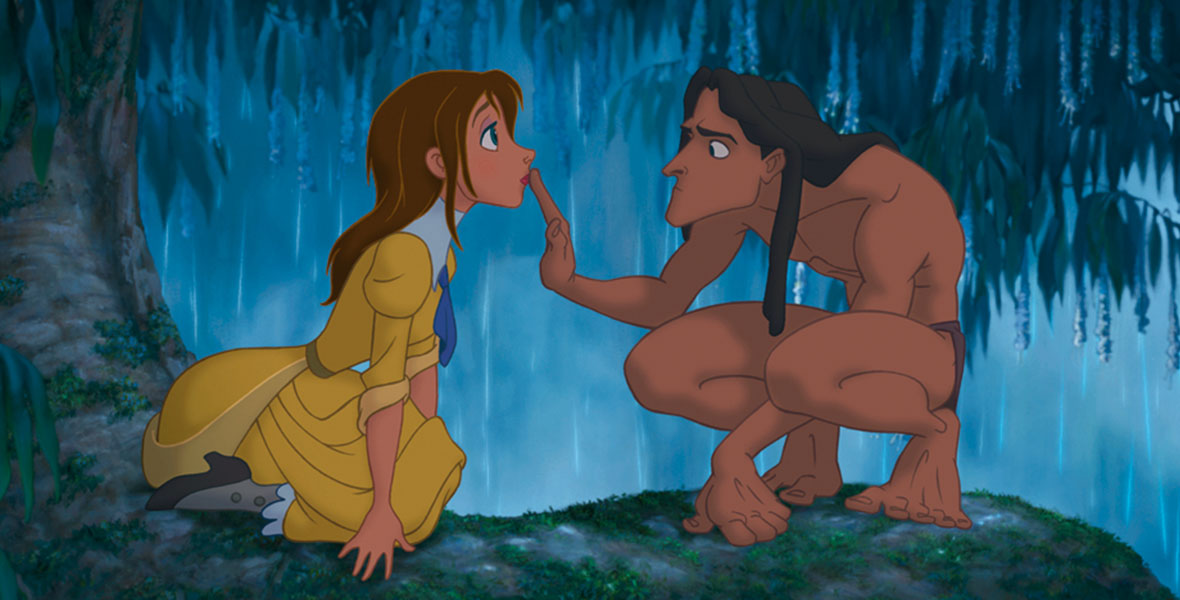
The Tarzan brand did not begin in Hollywood; it began in the pages of All-Story Magazine in October 1912. Created by Edgar Rice Burroughs, Tarzan of the Apes was an immediate sensation. However, the true brilliance of the Tarzan brand lay not just in the storytelling, but in Burroughs’ revolutionary approach to personal branding and intellectual property rights.
From Pulp Magazines to Global Recognition
When the first story appeared in 1912, it was a piece of ephemeral fiction. By 1914, when the story was published as a standalone novel, Tarzan had transitioned from a temporary entertainment product into a permanent literary asset. Burroughs understood early on that for a brand to survive, it needed to move beyond its original medium. He didn’t just write books; he built a world that could be packaged, licensed, and exported. This transition from “content” to “brand” is what allowed Tarzan to dominate the early 20th-century zeitgeist.
Edgar Rice Burroughs: The Original Brand Architect
Perhaps the most significant business milestone in the history of the character occurred in 1923, when Burroughs incorporated himself as Edgar Rice Burroughs, Inc. This was a pioneering move in brand management. By centralizing the rights to his characters, Burroughs ensured that every iteration of Tarzan—whether in comics, radio, or film—remained under a cohesive brand umbrella. He was one of the first creators to treat a fictional character as a corporate asset, a strategy that companies like Disney and Marvel would perfect decades later. This corporate structure allowed the brand to maintain quality control and a consistent identity even as it scaled globally.
Tarzan’s Transition to the Silver Screen and Mass Media Branding
As the 20th century progressed, the Tarzan brand recognized the need to pivot toward the most dominant medium of the era: cinema. The visual identity of Tarzan was forged during this period, moving from the descriptive prose of the novels to a recognizable, marketable visual icon.
1918: The First Cinematic Impression
The first Tarzan film, starring Elmo Lincoln, “came out” in 1918. It was one of the first films in history to gross over one million dollars. In terms of brand positioning, this film proved that the character had “legs” beyond the written word. It established the core visual elements of the brand—the jungle setting, the physical prowess, and the man-of-two-worlds conflict. However, the brand was still in its infancy, experimenting with its tone and target audience.
The Iconic 1932 Pivot and the Johnny Weissmuller Era
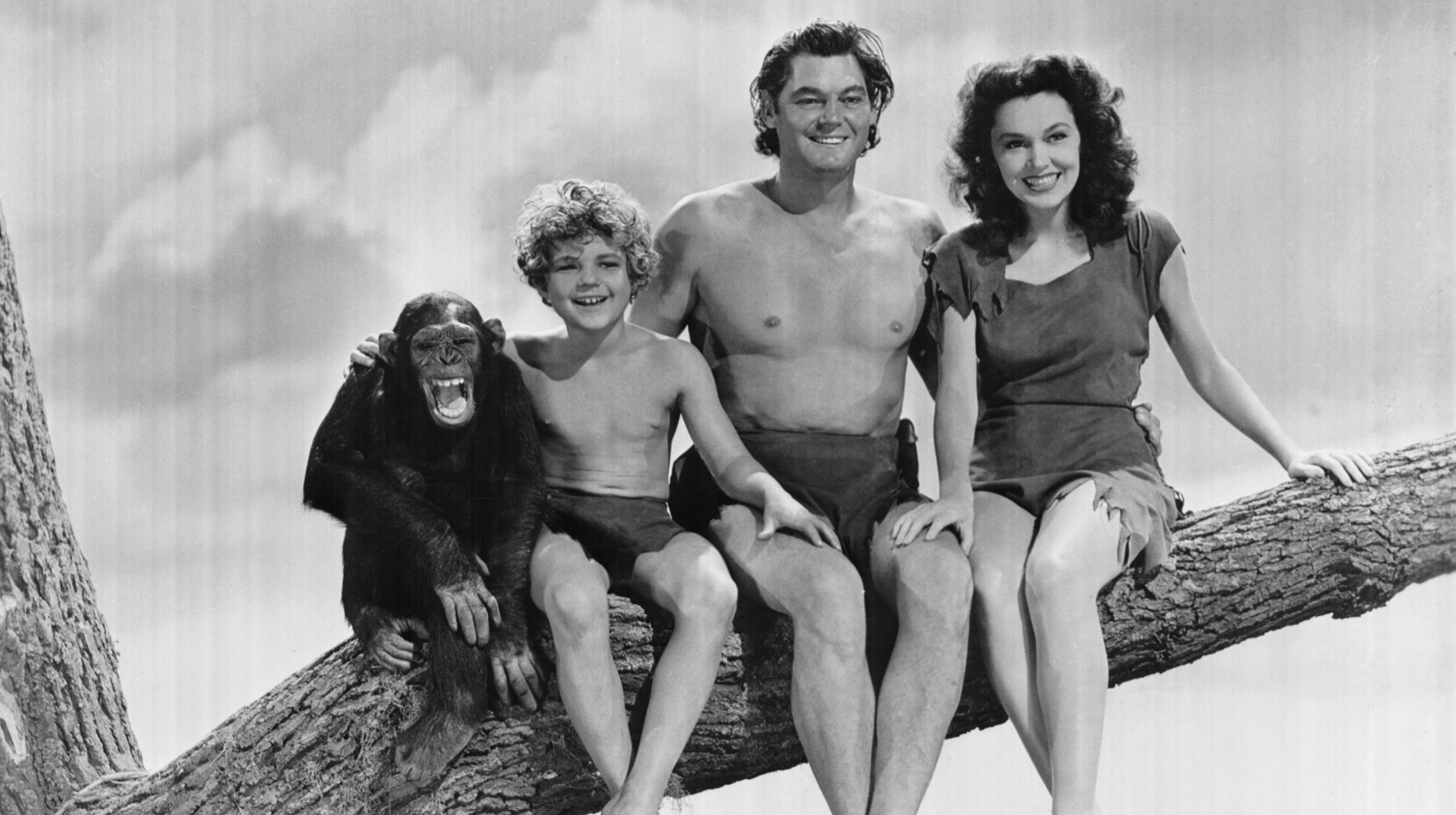
The most significant shift in the Tarzan brand identity occurred in 1932 with the release of Tarzan the Ape Man, starring Johnny Weissmuller. This is the year many film historians point to as the definitive “arrival” of Tarzan as a global pop-culture icon.
Under the MGM banner, the brand was repositioned. Weissmuller, an Olympic swimmer, brought a new level of physical charisma to the role. More importantly, this era introduced the “Tarzan Yell”—a piece of audio branding so potent that it remains trademarked and instantly recognizable nearly a century later. This era also shifted the character’s brand voice from the articulate, multilingual aristocrat of the books to the “Me Tarzan, You Jane” persona that, while a departure from the source material, was far more marketable to a global, multilingual audience. This move demonstrated the power of simplifying a brand to reach the widest possible demographic.
The 1999 Disney Renaissance: Rebranding for a New Millennium
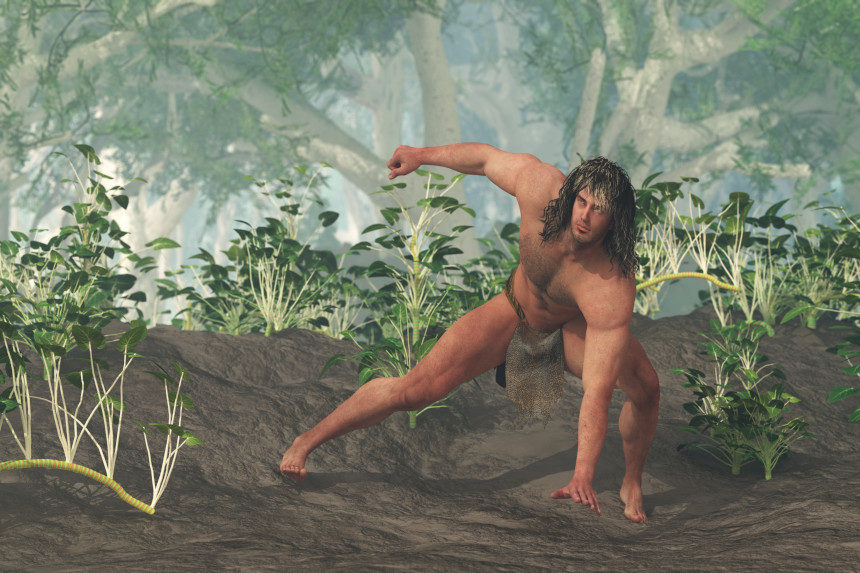
By the late 1990s, the Tarzan brand was in danger of becoming a relic of the past. The loincloth-clad hero felt dated in an era of high-tech superheroes and sophisticated animation. This necessitated a total brand overhaul, which culminated in the June 1999 release of Disney’s Tarzan.
Strategic Modernization of a Classic Hero
Disney’s 1999 intervention was less of a sequel and more of a total brand refresh. They moved away from the live-action “B-movie” reputation the franchise had garnered in the mid-century and repositioned Tarzan as a high-art animated spectacle. By utilizing the “Deep Canvas” rendering technique, Disney gave the brand a modern, kinetic energy. Tarzan no longer just swung on vines; he “surfed” through the trees, a strategic design choice intended to appeal to the “X-Games” generation of the late 90s.
The brand’s audio identity was also modernized. Instead of the traditional orchestral scores or the campy themes of the past, Disney partnered with Phil Collins to create a soundtrack that functioned as a narrative engine. This was a brilliant move in brand extension, as the soundtrack itself became a multi-platinum asset, winning an Academy Award and keeping the Tarzan name on the Billboard charts for months.
Licensing, Merchandising, and Brand Extension
The 1999 launch was accompanied by a massive merchandising blitz that demonstrated the commercial power of the IP. From action figures and video games to apparel and a Broadway musical, the Tarzan brand was omnipresent. This period showcased how a legacy brand can be revitalized through strategic partnerships and a deep understanding of contemporary consumer behavior. Disney didn’t just sell a movie; they sold an ecosystem of products that reinforced the Tarzan identity in the minds of a new generation.
Analyzing the Longevity of the Tarzan Brand Strategy
Why does the question of when Tarzan “came out” still matter to brand strategists today? The answer lies in the brand’s ability to navigate over 100 years of cultural evolution without losing its core essence.
Archetypal Branding: Why the Jungle King Endures
Tarzan is built on a foundation of archetypal branding. He represents the “Wild Man” or the “Hero’s Journey” in its purest form. Because the brand is built on these universal human themes—nature vs. nurture, belonging, and physical mastery—it is highly adaptable. Whether the year is 1912, 1932, or 1999, the core brand promise of “adventure in the wild” remains compelling. Brands that tap into these deep-seated psychological archetypes often find it easier to survive generational shifts than those tied to fleeting trends.
Navigating Cultural Shifts and Corporate Identity
Managing the Tarzan brand has not been without its challenges. Over the decades, the IP has had to grapple with its colonialist roots and the changing perceptions of African depictions in media. The evolution of the brand shows a conscious effort to move toward environmentalism and animal rights—pivoting the brand’s “purpose” from one of conquest to one of conservation.
From a corporate identity perspective, the management of the Tarzan trademark by Edgar Rice Burroughs, Inc. is a study in vigilance. Even as some of the early stories have entered the public domain, the company has aggressively protected the “Tarzan” trademark. This distinction between copyright (the specific story) and trademark (the brand name and identity) is a crucial lesson for any business looking to build a long-term legacy.
The Future of the Tarzan Legacy in the Digital Age
As we look beyond the milestones of 1912, 1932, and 1999, the Tarzan brand continues to seek new frontiers. The 2016 film The Legend of Tarzan attempted to merge the classic adventure brand with modern CGI-heavy blockbuster aesthetics. While the cinematic landscape is more crowded than ever, the Tarzan brand retains a “legacy status” that provides a significant competitive advantage.
In the current era of “IP-mining,” where studios are desperate for recognizable characters with built-in global awareness, Tarzan remains a blue-chip asset. The brand’s future likely lies in its ability to adapt to interactive media, virtual reality, and perhaps most importantly, a renewed focus on environmental storytelling.
The question of “what year did Tarzan come out” is ultimately a question of brand origin and evolution. Tarzan didn’t just come out once; he has been “coming out” for over a century, each time dressed in the technological and cultural fashions of the day. For marketers and brand strategists, the lesson is clear: a strong core identity, coupled with an aggressive protection of IP and a willingness to modernize, can turn a simple magazine story into an immortal global brand.
aViewFromTheCave is a participant in the Amazon Services LLC Associates Program, an affiliate advertising program designed to provide a means for sites to earn advertising fees by advertising and linking to Amazon.com. Amazon, the Amazon logo, AmazonSupply, and the AmazonSupply logo are trademarks of Amazon.com, Inc. or its affiliates. As an Amazon Associate we earn affiliate commissions from qualifying purchases.