
The Kentucky Derby is often celebrated as a cultural milestone and a pinnacle of athletic achievement, but for the astute observer of markets and finance, the results of the race represent much more. The “First Saturday in May” serves as a high-stakes convergence of capital, risk management, and massive revenue generation. When analyzing what the results of the Kentucky Derby truly were, one must look beyond the photo finish and examine the shifting of hundreds of millions of dollars across the global economy.
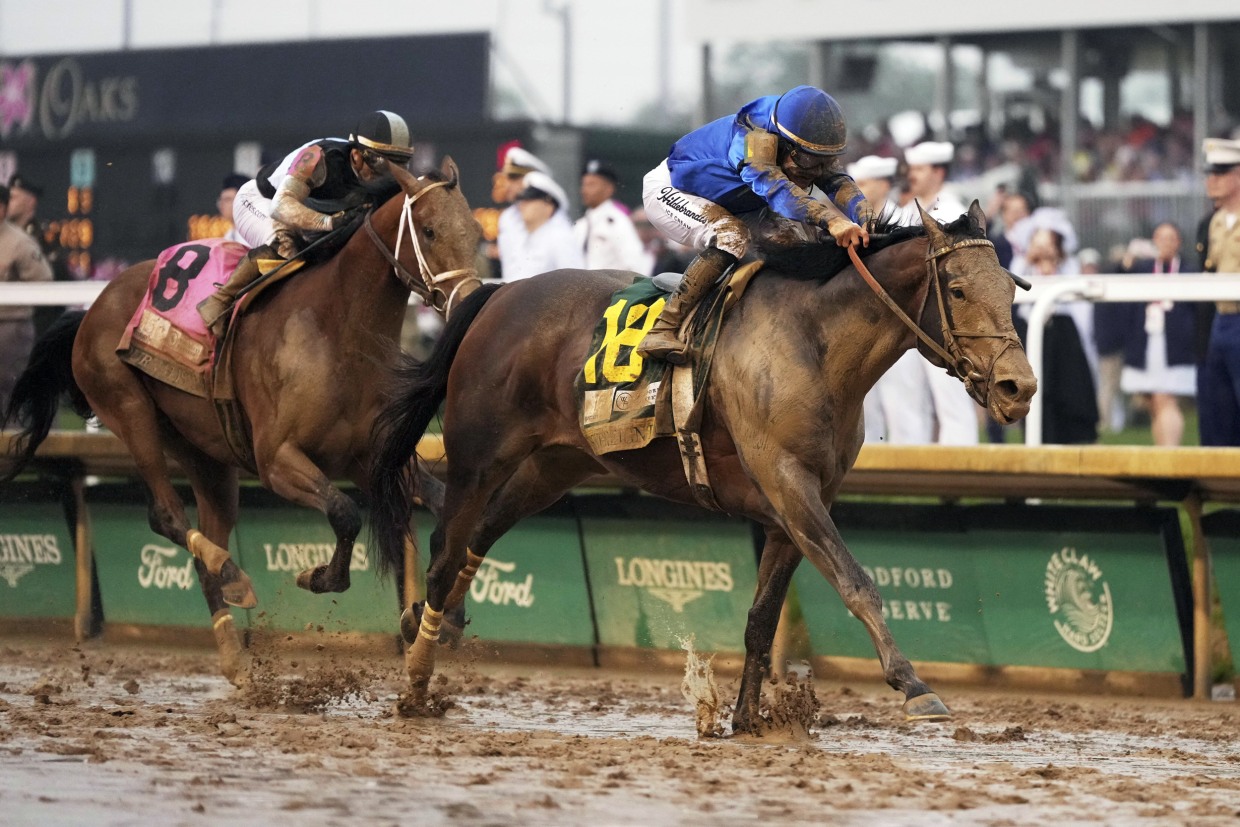
From the record-shattering $5 million purse to the staggering wagering handles and the long-term valuation of the winning equine assets, the Derby is a masterclass in the business of sports. To understand the results of this event is to understand how a two-minute window can dictate the fiscal trajectory of owners, investors, and a multi-billion dollar industry for decades.
The Payout Structure: Breaking Down the $5 Million Prize Pool
In recent years, the financial stakes of the Kentucky Derby have undergone a significant upward adjustment. For the 150th running, the total purse was elevated to a historic $5 million, reflecting the robust health of the industry’s revenue streams. This purse is not merely a trophy; it is a critical return on investment (ROI) for ownership groups who often spend hundreds of thousands, if not millions, on bloodstock, training, and maintenance.
The Winner’s Share and Owner ROI
The results of the race dictate that the lion’s share of the purse—approximately $3.1 million—is awarded to the owner of the winning horse. While this figure sounds astronomical, it must be viewed through the lens of capital expenditure. A top-tier thoroughbred may be purchased at a yearling sale for anywhere from $200,000 to over $1 million. When you factor in monthly training fees (ranging from $4,000 to $10,000), veterinary costs, insurance, and transport, the “break-even” point for a Derby contender is remarkably high. The $3.1 million payout provides an immediate infusion of liquidity, often covering the lifetime costs of the horse and providing a significant profit margin that can be reinvested into future prospects.
Commissions for Jockeys and Trainers
The financial results also trickle down to the support professionals. Typically, the winning jockey receives 10% of the owner’s share of the purse, while the trainer also receives 10%. In a $5 million race, a winning jockey can earn $310,000 for just two minutes of work. This high-reward structure is reflective of the intense skill and risk involved, but it also highlights the “gig economy” nature of professional racing, where a single result can define a financial year.
The Betting Ecosystem: Record Handles and Market Sentiment
The most immediate financial result of the Kentucky Derby is found in the wagering “handle”—the total amount of money bet by the public. The Derby has consistently proven to be one of the most liquid betting markets in the world, often surpassing major traditional sports in terms of single-event volume.
Pari-Mutuel Systems and Market Efficiency
Unlike sportsbooks where you bet against “the house,” horse racing uses a pari-mutuel system. In this model, bettors are wagering against each other, and the odds are a direct reflection of market sentiment. The results of the wagering pool for the Kentucky Derby often see upwards of $200 million bet on the main race alone, with the total handle for the entire Derby Day card frequently exceeding $320 million. This level of liquidity ensures that even large institutional-sized bets can be absorbed without completely collapsing the odds, making it a unique environment for high-net-worth speculators.
The Impact of the “Long Shot” on Payouts
The financial results for the betting public are often dictated by the “chaos factor.” When a favorite wins, the payouts are modest, reflecting a consensus market. However, when a horse with 50-1 or 80-1 odds (such as Rich Strike in 2022 or the narrow victory of Mystik Dan in 2024) crosses the line first, the financial redistribution is massive. These results can lead to “Exotic” payouts—such as the Trifecta or Superfecta—where a $1 bet can return tens of thousands of dollars. From a personal finance perspective, these results represent a high-variance, low-probability “lottery” effect that continues to drive retail participation in the sport.
Churchill Downs Inc. (CHDN): A Case Study in Corporate Growth

The results of the Kentucky Derby are also reflected in the quarterly earnings reports of Churchill Downs Incorporated (CDI), a publicly traded company (NASDAQ: CHDN). The Derby is the “Black Friday” of the racing industry, serving as the primary driver for the company’s annual revenue.
Sponsorships and Media Rights
The Kentucky Derby is a premium brand that commands top-tier sponsorship dollars. Agreements with companies like Ford, Woodford Reserve, and Longines are not just marketing plays; they are high-value B2B contracts that contribute to the event’s profitability. Furthermore, the media rights deal with NBC ensures a steady stream of guaranteed income regardless of the race’s outcome. The results of these corporate strategies have allowed CHDN to diversify into gaming and online wagering (TwinSpires), creating a resilient business model that leverages the “Derby” brand to fund year-round growth.
Hospitality and Premium Seating
A major financial result of the modern Derby is the shift toward luxury hospitality. With the introduction of the “Paddock Run” and high-end suites that can cost upwards of $150,000 for a weekend, Churchill Downs has successfully maximized the “Revenue Per Attendee.” The results show that while the infield offers an accessible entry point for the general public, the true financial engine of the event is the high-net-worth segment. This “premiumization” of the live experience has significantly bolstered the company’s bottom line, leading to consistent dividends and stock appreciation for shareholders.
Equine Equity: The Valuation of a Derby Winner as a Long-Term Asset
While the purse money is significant, the most profound financial result of the Kentucky Derby is the exponential increase in the winner’s “intrinsic value” as a breeding asset. In the world of thoroughbred finance, the race is less an athletic competition and more a “valuation event.”
The Breeding Rights Multiplier
As soon as a horse wins the Kentucky Derby, its value as a stallion skyrockets. A colt that was worth $1 million before the race might see its valuation jump to $20 million or $30 million overnight. This is because the “result” proves the horse possesses the elite genetics desired by breeders. The winner will eventually retire to a stud farm, where they may command a “stud fee” of $25,000 to $100,000 per mating. With a stallion potentially covering 100 to 200 mares a year, the long-term cash flow generated by a Derby win far exceeds the initial purse money.
Syndication and Fractional Ownership
The financial results of the Derby are also becoming more accessible to the average investor through fractional ownership platforms. Companies like MyRacehorse allow individuals to buy “shares” in a horse for as little as $100. When a horse with thousands of micro-owners performs well, the results represent a democratized form of sports investing. While these are often high-risk “passion investments,” they reflect a broader trend in finance: the tokenization and fractionalization of alternative assets.
The Macroeconomic Footprint of the First Saturday in May
The results of the Kentucky Derby extend into the broader economy of the Commonwealth of Kentucky and the global equine industry. The event is estimated to have a regional economic impact of over $400 million.
Tourism and Local Revenue
The influx of 150,000 visitors to Louisville results in a massive spike in local tax revenue, hotel occupancy rates, and consumer spending. For many local businesses, the results of the Derby weekend represent a significant portion of their annual profit. This “multiplier effect” demonstrates how a single sporting event can act as a localized economic stimulus package.
The Global Bloodstock Market
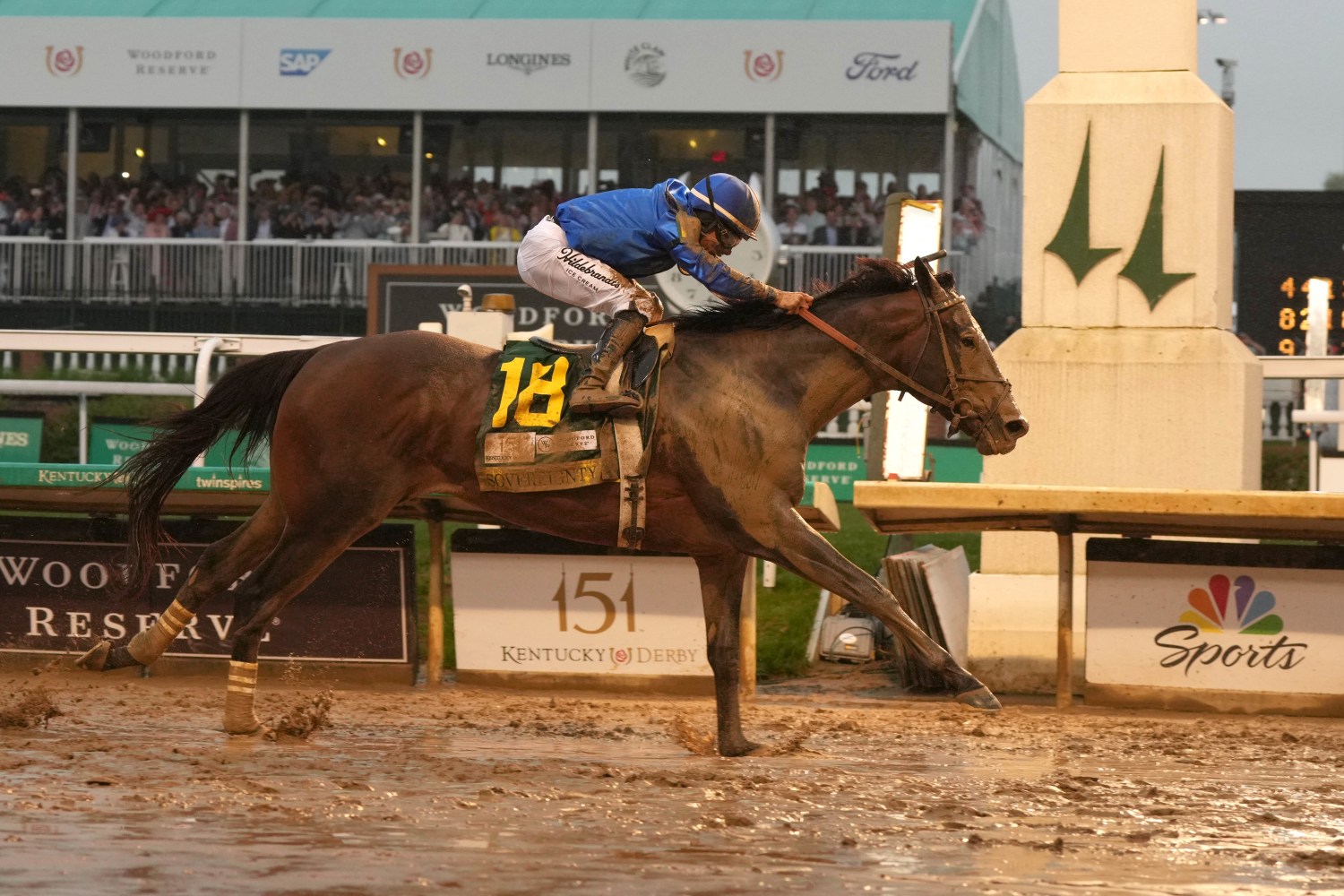
Finally, the results of the Derby set the tone for the global bloodstock markets in London, Dubai, and Japan. A strong Derby performance by a certain bloodline can influence the prices at the Keeneland September Yearling Sales, where over $400 million worth of horses are traded. In this sense, the results of the race serve as a “market signal” for the entire industry, dictating where capital will flow in the coming breeding seasons.
In conclusion, when we ask “what were the results of the Kentucky Derby,” we are asking about a complex financial ecosystem. The results were a multi-million dollar payout to owners, a record-breaking wagering handle for the public, a valuation surge for equine assets, and a massive boost to corporate and regional economies. The Derby remains the ultimate example of how sport can be leveraged into a sophisticated and high-performing financial engine.
aViewFromTheCave is a participant in the Amazon Services LLC Associates Program, an affiliate advertising program designed to provide a means for sites to earn advertising fees by advertising and linking to Amazon.com. Amazon, the Amazon logo, AmazonSupply, and the AmazonSupply logo are trademarks of Amazon.com, Inc. or its affiliates. As an Amazon Associate we earn affiliate commissions from qualifying purchases.