
In the modern media landscape, the transition from a niche, cult-classic independent film to a long-running, critically acclaimed television franchise is a feat rarely achieved with such precision as seen with What We Do in the Shadows. Originally a 2014 mockumentary film directed by Jemaine Clement and Taika Waititi, the property has successfully pivoted into a television powerhouse on FX. For brand strategists and marketing professionals, the series offers a profound case study in how to scale a creative identity without diluting the core values that made the original intellectual property (IP) successful.

The success of the What We Do in the Shadows brand is not merely a result of its humor, but rather its rigorous adherence to a specific brand voice, a unique visual aesthetic, and a strategic expansion of its internal mythology. By analyzing the show through the lens of brand strategy, we can uncover the mechanisms of franchise longevity and the importance of maintaining “brand soul” during periods of significant growth.
From Cult Film to Global Television Brand: Managing the Pivot
One of the most significant challenges in brand management is the “pivot”—taking an established concept and adapting it for a new medium or a broader audience. When What We Do in the Shadows moved from the big screen to the small screen, the brand faced a critical risk: how to replace the original creators and actors (who were the faces of the brand) while keeping the brand essence intact.
Maintaining Brand DNA Across Iterations
The brand’s DNA is rooted in the “mundane supernatural.” By focusing on the administrative and domestic struggles of immortal beings rather than their traditional gothic horror elements, the brand carved out a unique market position. When developing the TV series, the strategists behind the show chose not to reboot the original characters, but to replicate the archetypes. This allowed the brand to remain familiar to existing fans while providing a fresh entry point for new viewers. This is a classic brand strategy: maintaining the “functional benefit” (humor and mockumentary style) while refreshing the “emotional benefit” (new relationships and character arcs).
Geographic and Cultural Brand Localization
The original film was deeply rooted in New Zealand culture. Moving the brand to Staten Island, New York, for the television series was a strategic masterstroke in brand localization. By placing the characters in a recognizable, slightly gritty American borough, the brand became more accessible to the North American market—the world’s largest media consumer base—without losing the “fish out of water” sentiment that defines the franchise.
Character as Brand: Developing the “Vampire Next Door” Identity
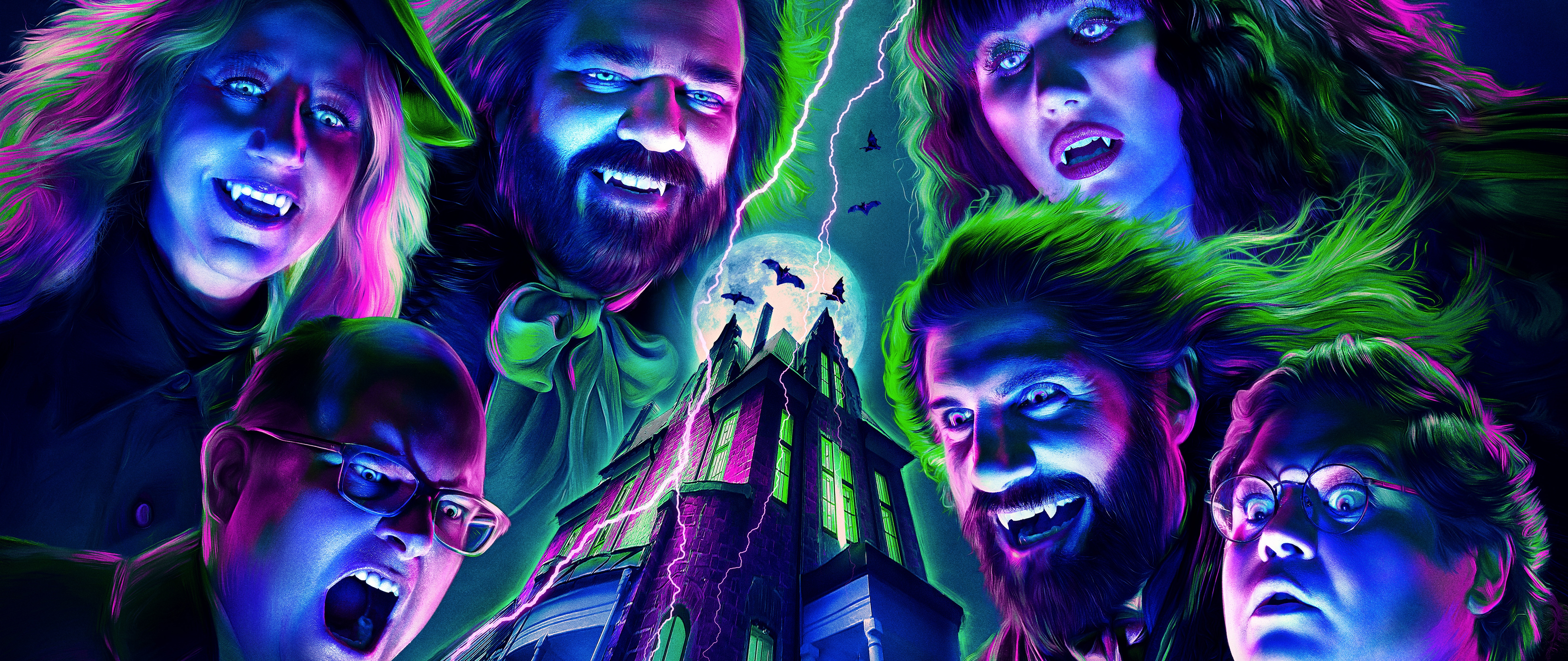
In the world of corporate identity and personal branding, consistency is king. What We Do in the Shadows excels at creating highly distinct, individual brands for each of its main characters. These characters serve as the “product line” of the franchise, each offering a different flavor of the core brand promise.
The Energy Vampire: A Subversive Brand Extension
The introduction of Colin Robinson, an “energy vampire” who drains people by being boring rather than drinking their blood, represents a brilliant brand extension. This character identifies a universal human experience—the “office bore”—and incorporates it into the supernatural brand. From a strategic perspective, Colin Robinson serves as the brand’s bridge to the corporate world, allowing the show to satirize modern office culture, bureaucracy, and digital life. This expansion broadened the brand’s relevance, moving it beyond gothic parody into the realm of social commentary.
Visual Identity and Costume Design
The visual branding of the characters is meticulous. Each character’s silhouette is instantly recognizable, much like a corporate logo. Nadja’s gothic elegance, Laszlo’s flamboyant waistcoats, and Nandor’s out-of-time warrior attire create a visual “style guide” that remains consistent throughout the seasons. This consistency facilitates easier merchandising and cosplay, which are critical components of brand community building. When a brand has a strong visual identity, it becomes “portable,” allowing it to live on social media and in the physical world through fan engagement.
Subverting Expectations: The Marketing Strategy of Anti-Genre Branding
Traditional vampire brands—think Twilight or Dracula—rely on mystery, sex appeal, and terror. What We Do in the Shadows utilizes a strategy known as “subversive branding.” It adopts the tropes of the genre only to immediately undermine them, creating a brand that feels authentic because it acknowledges the absurdity of its own premise.
The Mockumentary Format as a Brand Asset
The choice of the mockumentary format is more than a stylistic preference; it is a brand positioning tool. In an era of high-gloss, high-budget streaming content, the “handheld” and “low-fi” aesthetic of the show acts as a counter-signal. It suggests transparency, intimacy, and a “behind-the-scenes” look at the characters’ lives. For a brand, this fosters a sense of trust with the audience. The “fourth wall” breaks and the characters’ direct addresses to the camera function as a form of direct-to-consumer communication, stripping away the distance between the product and the user.
Viral Marketing and Social Media Presence
The marketing for the show often blurs the line between fiction and reality. Social media accounts for the characters often interact with real-world events or trends, maintaining the “in-universe” brand voice. This creates a 360-degree brand experience where the consumer is never “out” of the story. By treating the characters as real influencers within their niche, FX has successfully built a digital footprint that feels organic rather than promotional.
Building Brand Longevity Through World-Building and Community
A brand’s lifespan is determined by its ability to evolve its narrative. What We Do in the Shadows has transitioned from a simple domestic comedy into a complex world with its own rules, hierarchies, and history. This process, known as “world-building,” is the ultimate goal for any narrative brand because it creates a “sticky” ecosystem that consumers are reluctant to leave.
The Vampiric Council and Brand Synergy
The introduction of the Vampiric Council served as a significant brand milestone. By bringing in actors who had previously played vampires in other iconic films (such as Tilda Swinton and Wesley Snipes), the show performed a “brand merger.” It effectively positioned itself as the center of the “vampire brand universe,” paying homage to its predecessors while asserting its own dominance. This move increased the brand’s authority and prestige within the industry.
Community Engagement and Fan Equity
Brand equity is built through the loyalty of the audience. The creators of the show have cultivated a high level of fan equity by listening to their community. Small details that fans love are often brought back in later seasons, rewarding the audience for their “investment” in the brand. This creates a feedback loop where the consumer feels like a stakeholder in the brand’s success.
Lessons for Modern Marketers and Creative Strategists
The trajectory of the What We Do in the Shadows television brand offers several actionable insights for professionals in brand strategy, marketing, and design.
1. Authenticity Over Perfection
The show’s success proves that audiences are often more drawn to “messy” authenticity than polished perfection. Brands that allow themselves to be vulnerable, humorous, and even self-deprecating can build deeper emotional connections with their target demographic.
2. The Power of the Niche
The brand started in a very specific niche (mockumentary horror-comedy). Rather than trying to appeal to everyone at once, it leaned heavily into its weirdness. By dominating a small niche first, it built a solid foundation from which it could eventually expand into the mainstream. This is the “beachhead strategy” applied to creative branding.
3. Consistency in Tone
Regardless of the plot’s absurdity, the tone of the brand never wavers. Whether the characters are attending a City Council meeting or fighting a werewolf, the brand voice remains cynical, deadpan, and absurd. For any brand, maintaining a consistent “voice” across all touchpoints—be it an app interface, a social media post, or a television ad—is essential for building a recognizable identity.

4. Intentional Evolution
Finally, the show demonstrates that evolution must be intentional. Every new character, setting, and plot point is designed to expand the brand’s world without breaking its established rules. Strategic growth requires a balance between innovation (new content) and heritage (the core brand values).
As the television landscape becomes increasingly crowded, the brands that survive are those that possess a clear sense of self and the courage to remain “weird.” What We Do in the Shadows is not just a television show; it is a blueprint for how to build, maintain, and grow a distinctive brand in the 21st century. By prioritizing character consistency, visual identity, and subversive marketing, it has ensured its place as a cornerstone of modern pop culture branding.
aViewFromTheCave is a participant in the Amazon Services LLC Associates Program, an affiliate advertising program designed to provide a means for sites to earn advertising fees by advertising and linking to Amazon.com. Amazon, the Amazon logo, AmazonSupply, and the AmazonSupply logo are trademarks of Amazon.com, Inc. or its affiliates. As an Amazon Associate we earn affiliate commissions from qualifying purchases.