
The intersection of nutritional science and global finance has created a robust marketplace for substances that govern human physiology. Among these, the vitamins responsible for blood clotting—most notably Vitamin K—have transitioned from niche dietary supplements to significant drivers of pharmaceutical and nutraceutical revenue. For investors, financial analysts, and entrepreneurs, understanding the market for coagulation-related vitamins is not merely a matter of health; it is a study in supply chain resilience, regulatory impact, and the burgeoning “silver economy.”
As the global population ages, the demand for blood health management has skyrocketed. This has placed vitamins like K1, K2, and their synergistic partners at the center of a multi-billion dollar industry. This analysis explores the financial landscape of blood-clotting vitamins, the investment potential within the hematology sector, and the economic implications of nutritional prophylaxis.

The Multi-Billion Dollar Economy of Vitamin K and Coagulation
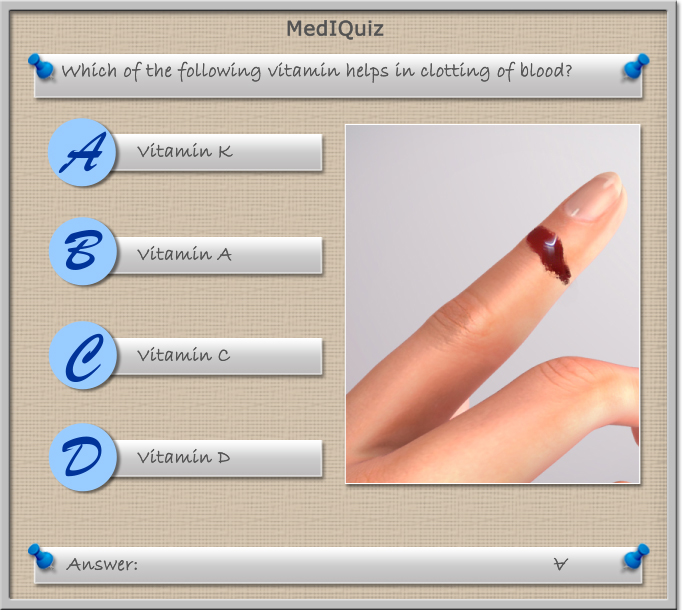
The primary catalyst for blood clotting is Vitamin K, a fat-soluble nutrient that exists in two main forms: K1 (phylloquinone) and K2 (menaquinone). From a market perspective, these two variants represent distinct consumer segments and revenue streams. Vitamin K1 is primarily sourced from green leafy vegetables and is the standard for clinical use in neonatal care and anticoagulant reversal. Vitamin K2, however, has emerged as a high-growth “superstar” in the supplement industry, often marketed for its dual benefits in cardiovascular health and bone density.
The CAGR and Market Valuation
The global Vitamin K market is currently projected to grow at a Compound Annual Growth Rate (CAGR) of approximately 7.5% over the next decade. This growth is driven by several macroeconomic factors. First, the increase in chronic diseases requiring blood management has forced healthcare systems to invest heavily in preventative nutrition. Second, the rise of “informed consumers” in the post-pandemic era has led to a surge in direct-to-consumer (DTC) sales of high-purity Vitamin K2 supplements.
From an investment standpoint, the raw material manufacturers—primarily located in Europe and China—represent the backbone of this economy. Companies that have mastered the fermentation process required for high-yield K2 production (specifically the MK-7 subtype) have seen their valuations climb as they secure long-term supply contracts with major pharmaceutical brands.
Supply Chain Sophistication and Pricing Power
Unlike generic multivitamins, the production of high-bioavailability Vitamin K requires sophisticated biotechnology. This creates a “moat” for established players. The synthesis of Vitamin K1 is relatively standardized, leading to lower margins but high volume. In contrast, the natural fermentation of Vitamin K2 (MK-7) involves proprietary bacterial strains and complex purification processes. This complexity grants manufacturers significant pricing power, as high-end supplement brands are willing to pay a premium for “clean label” and clinically validated ingredients.
Strategic Investment in the Hematology Sector
While vitamins provide the nutritional foundation for clotting, they are part of a larger financial ecosystem known as the hematology market. For investors looking to capitalize on the “blood health” trend, it is essential to look beyond the bottle and toward the biotech firms and pharmaceutical giants that integrate these vitamins into broader therapeutic regimens.
Pharmaceutical Synergy and Drug-Nutrient Interactions
A significant portion of the revenue related to Vitamin K comes from its role as an antagonist to blood thinners like Warfarin. This creates a unique financial relationship between vitamin producers and big pharma. When patients are prescribed anticoagulants, they require precise monitoring of their Vitamin K intake. This has birthed a secondary market for specialized medical foods and precision-dosed supplements.
Investors should monitor companies that are developing “smart” coagulation monitoring devices. These tech-forward financial plays often include a nutritional component, where AI-driven apps suggest specific vitamin dosages based on real-time blood data. The integration of “Software as a Service” (SaaS) with nutritional science is a high-margin frontier in the personal finance of healthcare.
Venture Capital and the Biotech Frontier
In the venture capital space, there is a growing interest in “Bio-Hacking” and longevity. Blood coagulation is a key metric in biological age testing. Startups that focus on optimizing the blood-clotting cascade through synthetic biology are attracting significant Series A and B funding. These companies are not just looking at Vitamin K; they are exploring how Vitamin C (for capillary strength) and Vitamin D3 (which works synergistically with K2) can be engineered for maximum absorption. For the private equity investor, the goal is to identify the next “Unicorn” that can disrupt the traditional supplement shelf with patented delivery systems.
The Financial Burden of Clotting Disorders and the Cost-Effectiveness of Prophylaxis
One of the most compelling arguments for the “Money” niche in health is the “Cost of Illness” (COI) analysis. Blood clotting disorders, whether they involve excessive bleeding (hemophilia) or excessive clotting (thrombosis), impose a staggering financial burden on global economies.
Reducing Hospital Readmission Costs
In the United States, the healthcare cost associated with venous thromboembolism (VTE) is estimated in the billions annually. For insurance providers and corporate health plan managers, the math is simple: a $20 bottle of high-quality Vitamin K and D3 supplements is infinitely cheaper than a $50,000 hospital stay for a pulmonary embolism.
This economic reality is driving a shift toward “Value-Based Care.” We are seeing insurance companies begin to subsidize high-grade vitamins for at-risk populations. From a business finance perspective, this represents a shift from “sick care” to “wealth care,” where maintaining the health of the labor force directly correlates to corporate profitability and reduced insurance premiums.
The Economic Impact of Vitamin K Deficiency in Neonates
On a more granular level, the standard Vitamin K shot given to newborns is a prime example of a high-return public health investment. The cost of the vitamin is negligible, but the prevention of Vitamin K Deficiency Bleeding (VKDB) saves millions in neonatal intensive care unit (NICU) costs. For governments and public health funds, this is one of the highest ROI (Return on Investment) interventions in modern medicine.
Disruptive Trends: The Growth of the Direct-to-Consumer Vitamin Market
The way vitamins for blood clotting are sold has undergone a radical transformation, shifting the profit centers of the industry. The traditional retail model is being cannibalized by Direct-to-Consumer (DTC) brands that leverage social media marketing and subscription-based revenue models.
Subscription Models and Customer Lifetime Value (LTV)
The “Money” in vitamins today is in the subscription. By selling Vitamin K2/D3 complexes on a monthly recurring basis, brands can accurately predict cash flow and maximize Customer Lifetime Value (LTV). This recurring revenue model is highly attractive to private equity firms, leading to a wave of acquisitions in the nutraceutical space. Brands that can prove high retention rates and low Customer Acquisition Costs (CAC) are being acquired at multiples of 10x to 15x EBITDA.
Personal Branding and the Influencer Economy
Personal branding has also played a massive role in the monetization of blood-clotting vitamins. High-profile doctors and “wellness influencers” have launched their own lines of Vitamin K, leveraging their social capital to bypass traditional advertising. This has decentralized the market, allowing smaller, agile companies to take market share from legacy brands like GNC or Nature Made. The marketing strategy here is built on “trust-as-a-currency,” where the influencer’s endorsement serves as the primary driver of sales.
Future Projections: AI, Personalized Nutrition, and Revenue Scaling
Looking ahead, the financial trajectory of the vitamins-for-clotting market will be shaped by technology and data. The “one-size-fits-all” approach to vitamins is being replaced by personalized nutrition, a sector that is expected to reach $16 billion by 2026.
The Role of Genomic Testing in Vitamin Sales
Companies are now offering DNA testing kits to determine how a person metabolizes Vitamin K. This data-driven approach allows companies to upsell “personalized formulas” at a 300% markup over standard retail prices. For the investor, the real value here is the data. A database of millions of people’s genetic predispositions toward blood clotting is a goldmine for pharmaceutical R&D and insurance actuarial modeling.
Scaling Through Emerging Markets
Finally, the geographical expansion into emerging markets offers a significant scaling opportunity. As the middle class grows in India, China, and Southeast Asia, so does the spending power for preventative health. The “Western” diet, which is often deficient in K2, is being exported globally, creating a secondary market for the supplements that fix the resulting health issues. Companies that can navigate the regulatory hurdles of these diverse regions will see the most significant top-line growth in the coming decade.
In conclusion, the question of “what vitamins help with blood clotting” is the starting point for a complex financial narrative. It involves high-stakes biotechnology, savvy marketing, and a fundamental shift in how global economies manage the costs of aging and chronic disease. For the astute financial mind, the coagulation factor is not just a biological necessity—it is a clear signal of a market that is healthy, liquid, and poised for long-term growth.
aViewFromTheCave is a participant in the Amazon Services LLC Associates Program, an affiliate advertising program designed to provide a means for sites to earn advertising fees by advertising and linking to Amazon.com. Amazon, the Amazon logo, AmazonSupply, and the AmazonSupply logo are trademarks of Amazon.com, Inc. or its affiliates. As an Amazon Associate we earn affiliate commissions from qualifying purchases.